


Fireside Storage Cabinet
These fireside storage cabinet pieces are traditional domestic containers crafted to hold coal neatly beside the fireplace.
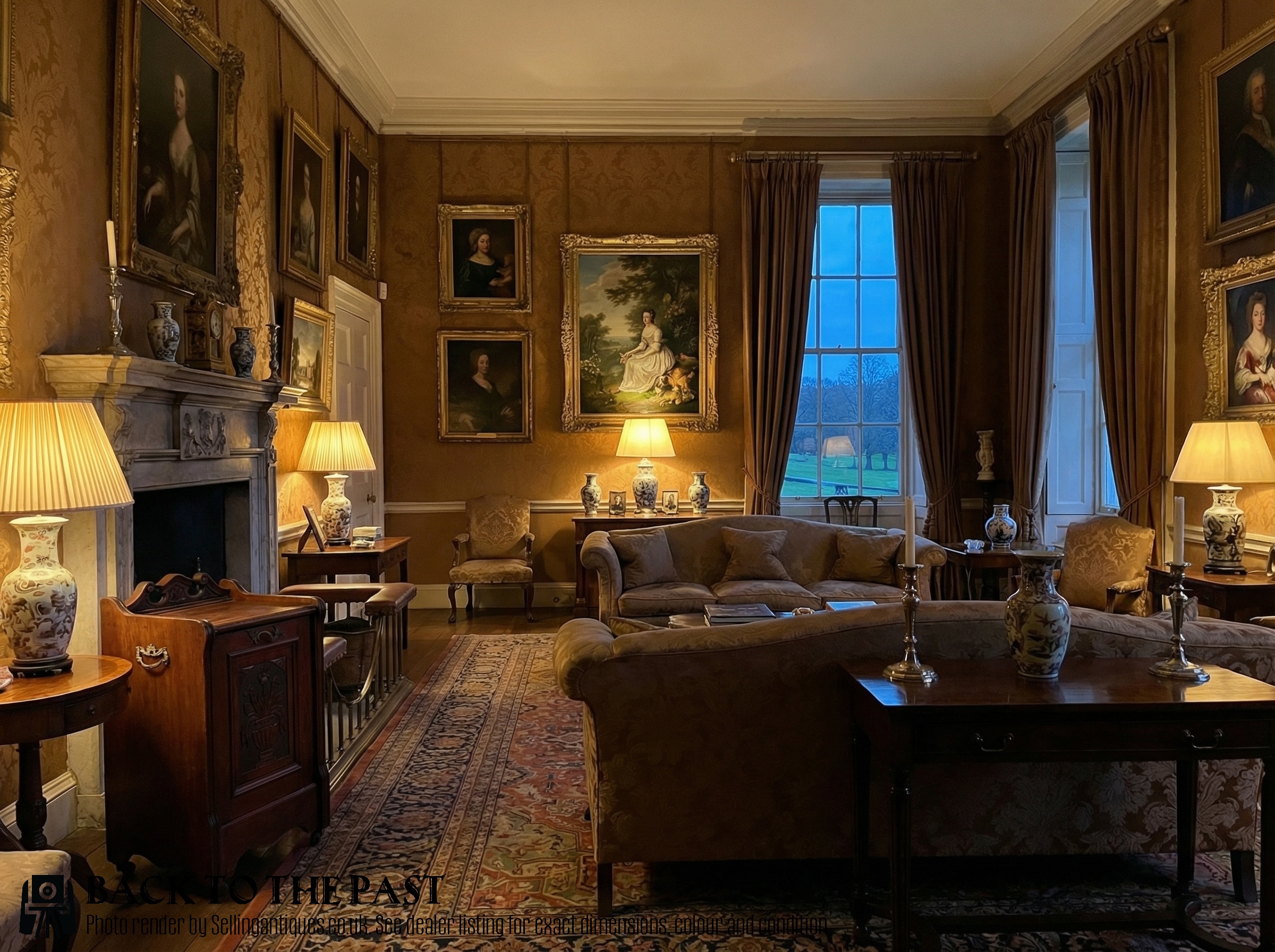
Fireside Storage Cabinet
When you search for a fireside storage cabinet, you find functional domestic containers designed to keep coal and fuel tidy beside the hearth. These pieces belong to the Victorian and Edwardian periods, running from the late nineteenth century into nineteen hundred.
The objects take several related forms including coal boxes, purdoniums, cabinets, bins, and scuttles. Edwardian examples frequently appear alongside Victorian pieces, showing how homes maintained fireside utility with decorative woodwork.
Makers shaped these items using solid timbers and fitted them with internal metal linings to handle fuel safely. They stand as practical survivors of domestic routines from the nineteenth century and the Edwardian era.

How they were made
Cabinet makers utilised dense hardwoods such as mahogany, oak, rosewood, and pollard oak to build the main bodies of these containers. Marquetry inlay added decorative patterns to the timber surfaces, while brass and ormolu mountings provided structural handles and visual contrast.
Internal metal linings and removable metal scuttles protected the wood from damp coal and ash during daily use. Iron fittings and glass details occasionally appeared alongside brass handles, completing the construction of each fireside cabinet.
The periods represented across these storage cabinets span the nineteenth century, the Victorian era, and Edwardian times.
What varies in quality
The standard of a fireside storage cabinet depends heavily on the choice of timber and the precision of its marquetry inlay. Cabinets fashioned from rosewood or pollard oak with fine brass mountings sit at a higher tier than plain oak or mahogany boxes.
Construction details such as dovetailed joints and the original metal linings distinguish superior pieces from simpler utilitarian boxes. The presence of matching shovels and ornate ormolu mounts further separates finer showroom examples from standard domestic equipment.
The Fireside Storage Cabinet Glossary
- Purdonium
- A specific type of coal cabinet featuring a sloping front door that drops forward to reveal a metal liner or scuttle. This design kept solid fuel enclosed while offering easy access for tending fires.
- Marquetry inlay
- Decorative woodwork created by fitting contrasting veneers into shaped recesses on the cabinet surface. This technique produced floral or geometric patterns across rosewood and mahogany lids.
- Ormolu
- Gilded bronze ornamentation applied to furniture for decorative effect. These mounts frequently decorated Victorian and revival style coal bins.
- Coal scuttle
- The removable metal bucket housed inside the outer wooden cabinet or carried independently to the fireplace. It held the fuel supply directly.
- Louis XV Revival
- A decorative style popular in the nineteenth century that drew inspiration from French rococo design. Furniture from this movement often displayed curved lines and elaborate brass or ormolu mounts.
Fireside Storage Cabinet: Frequently Asked Questions
What is a fireside storage cabinet?
A fireside storage cabinet is a domestic container built during the Victorian and Edwardian periods to house coal near a fireplace.
These pieces conceal fuel inside decorative wooden boxes, often featuring metal liners and matching shovels for hearth maintenance.
How did people use a purdonium?
A purdonium held coal inside a seated metal container, using a drop-down front panel for everyday access.
Households used them to keep fuel close to the grate without spilling dust across the carpet.
How do I date a coal box?
Dating relies on identifying timber choices, decorative styles, and construction methods recorded across Victorian and Edwardian eras.
Rosewood with marquetry inlay often indicates the nineteenth century, while simpler oak forms frequently point towards nineteen hundred.
Where should I place a coal cabinet?
These cabinets suit traditional fireplace settings where their wooden exteriors complement other period furniture.
Many buyers use them to store magazines or kindling when coal is no longer burned.