



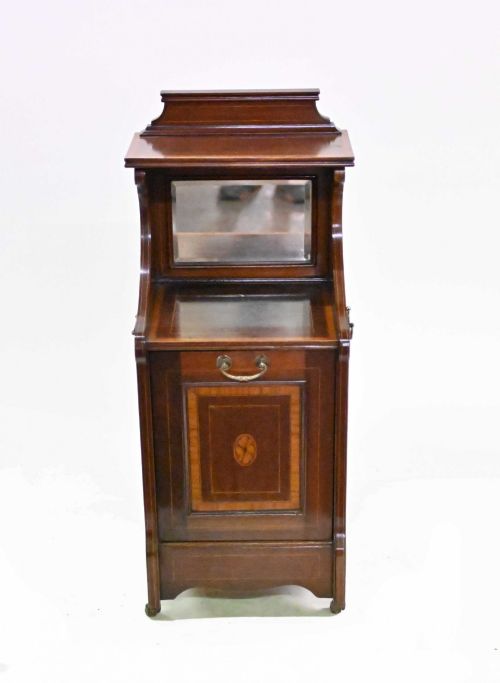
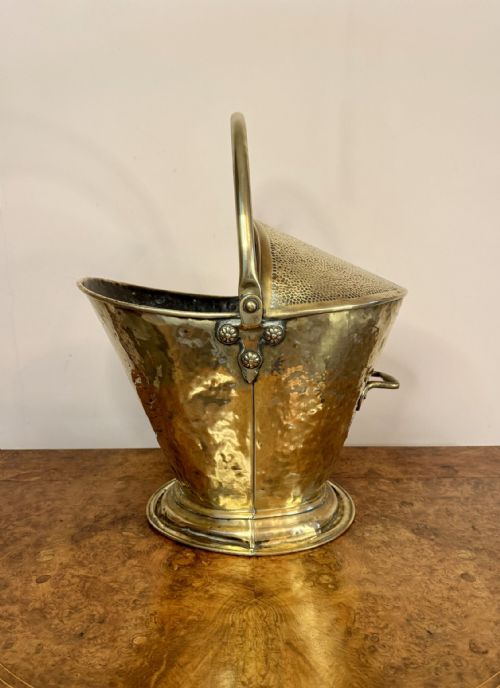
Antique Fireplace Scuttle
An antique fireplace scuttle brings practical hearthside service into a room, combining durable metal or timber construction with period decorative metalwork.
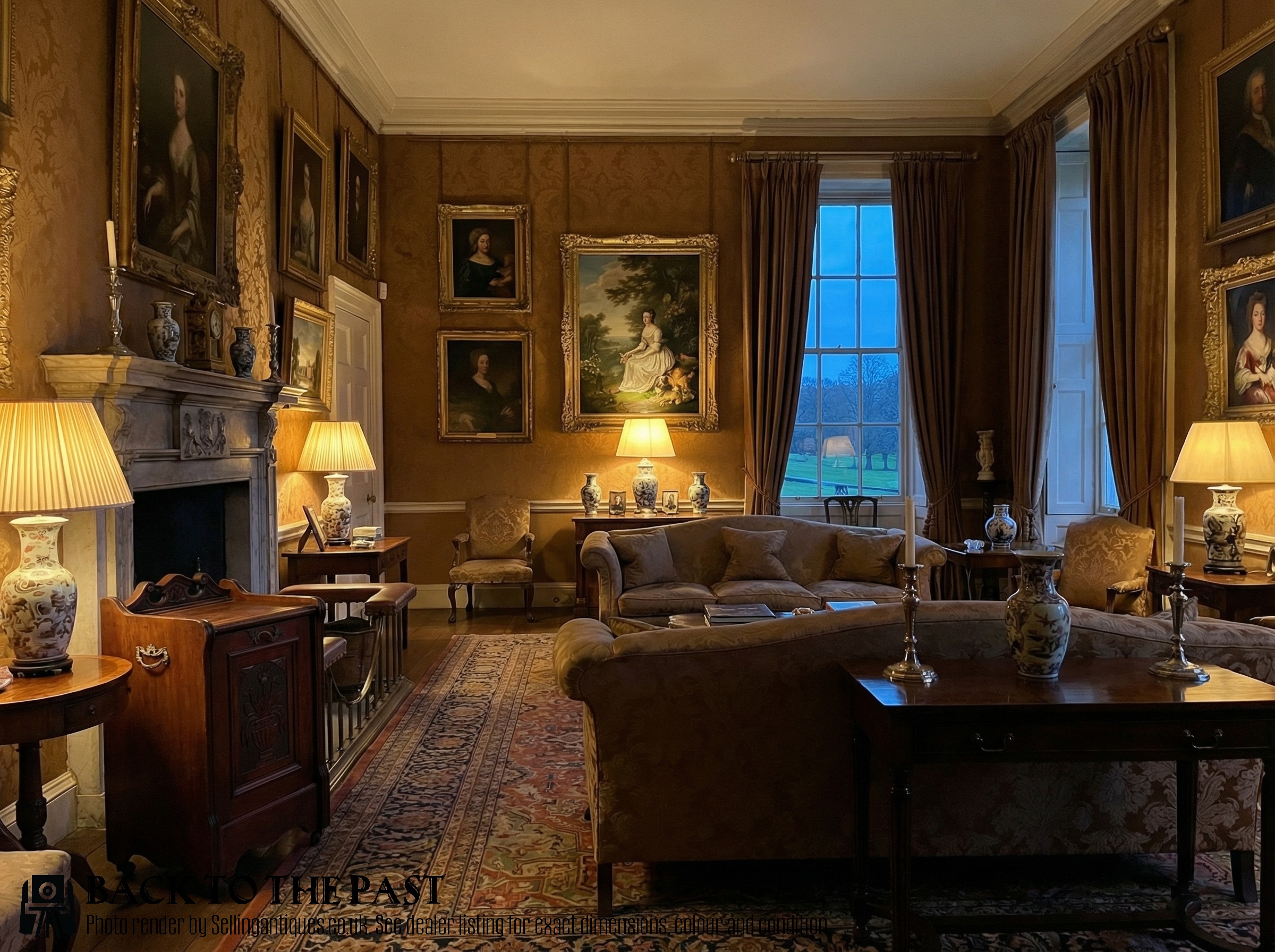
Antique Fireplace Scuttle
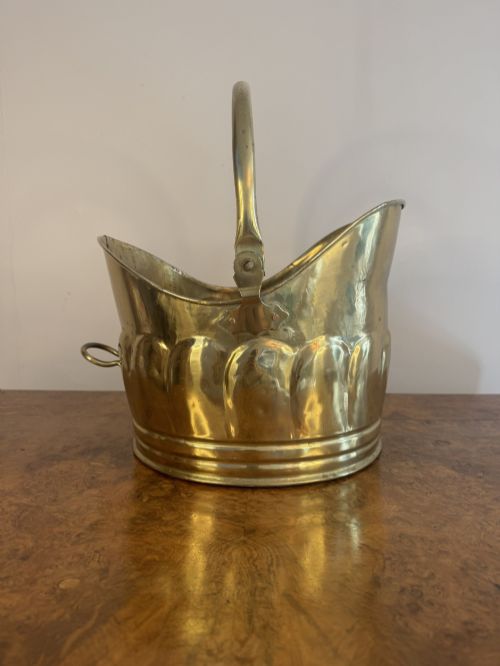
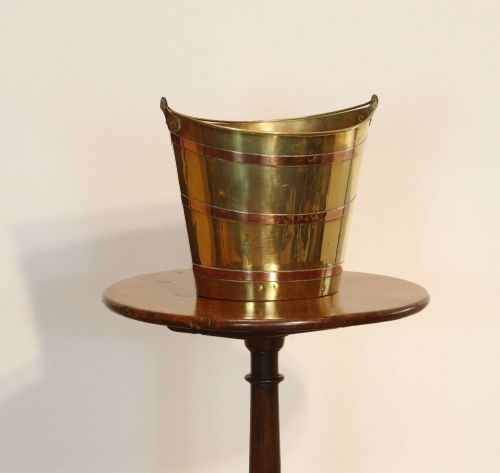
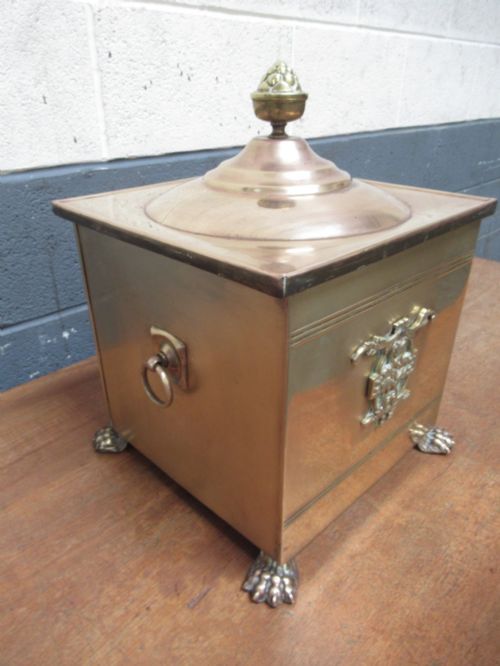
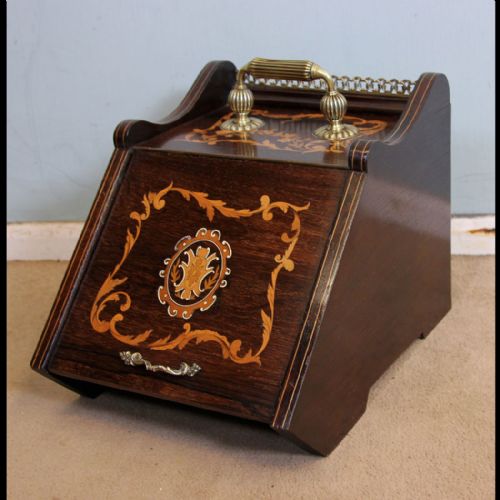
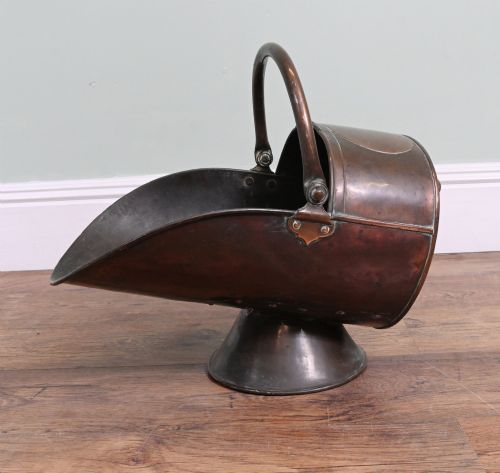
The antique fireplace scuttle covers a broad group of fireside vessels designed to hold coal, logs, or peat beside the hearth. Buyers encountering this selection will find standard coal buckets, helmet-shaped scuttles, and larger log bins spanning the Georgian, Victorian, and Edwardian eras.
Many examples date from the nineteenth century, reflecting the heavy domestic reliance on solid fuel heating during that period. Pieces range from plain utilitarian iron buckets to decorative brass and copper vessels intended to sit in formal sitting rooms.
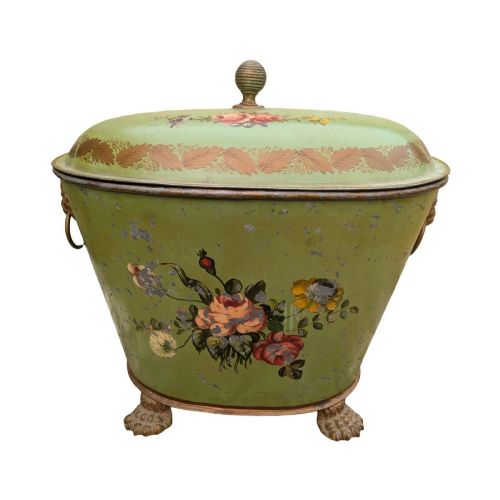
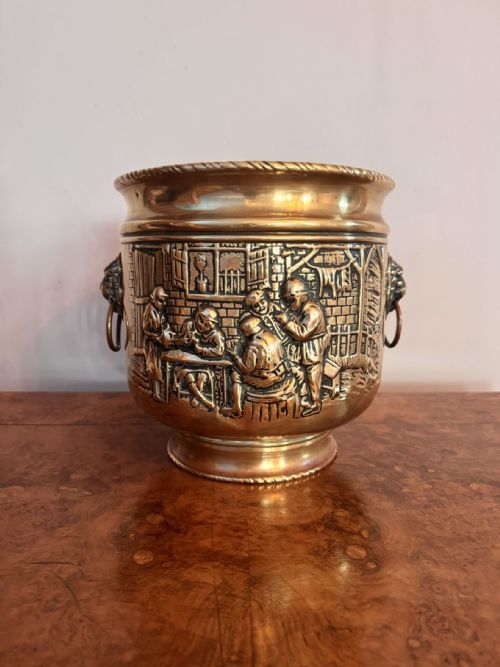
Alternative forms include coopered oak barrels and tole ware bins, giving buyers various materials to match different interior schemes. These vessels often double as planters or storage containers when not actively serving a fireplace.
Materials and construction methods
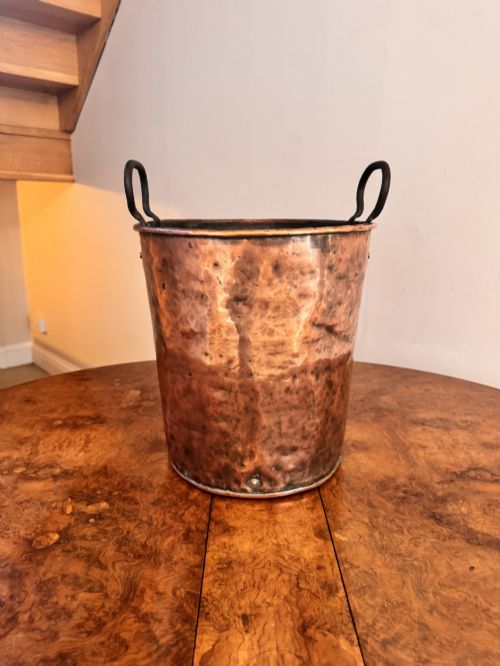
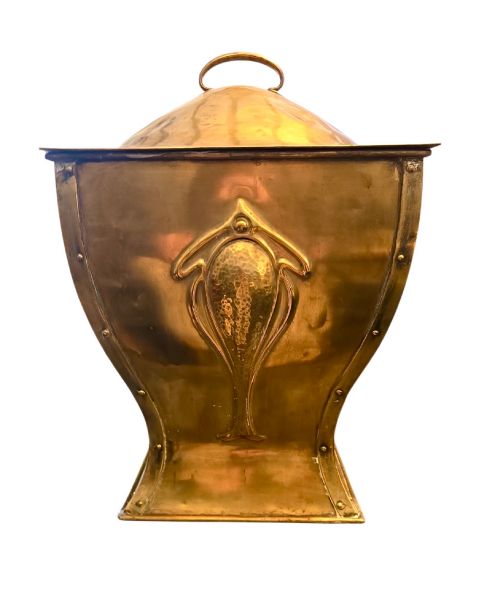
Makers utilised durable metals such as brass, copper, iron, and wrought iron, frequently joining sheets with visible rivets or reinforcing them with contrasting metal bands. Copper and brass items often feature hammered surfaces, embossed decoration, or applied detailing characteristic of the Arts and Crafts movement.
Wooden examples rely on traditional cooperage techniques, binding staves of oak or mahogany with metal hoops to create watertight or sturdy dry storage vessels. Leather versions also appear, sometimes formed with studded details and painted coats of arms.
Antique Fireplace Scuttle Retail Price Guide 2026
Typical asking prices for fireplace scuttle among the pieces listed under this phrase on Sellingantiques today, from the lower quarter to the upper quarter. They describe what is for sale here now, not the wider market.
Some coal buckets come equipped with their original brass shovels, surviving decades of hearth service without getting lost.
Assessing quality and craftsmanship
Quality rests in the weight of the metal and the integrity of the construction, where heavy-gauge copper or thick oak staves indicate a superior build. Better examples retain original handles, liners, and matching shovels, showing minimal distortion from heavy hearth use.
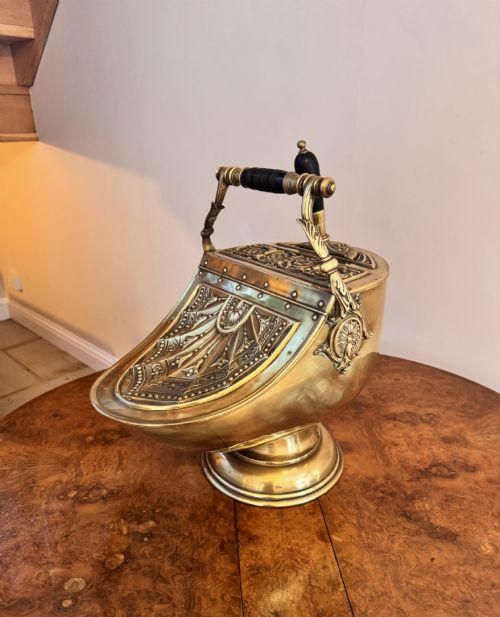
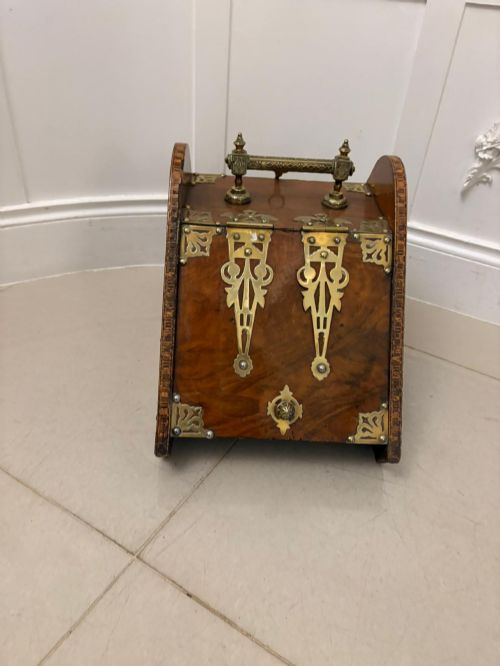
Design distinction separates standard production items from pieces bearing specific stylistic flourishes, such as Gothic Revival motifs or work associated with known designers and workshops.
Henry Loveridge·Christopher Dresser
The Antique Fireplace Scuttle Glossary
- Coal scuttle
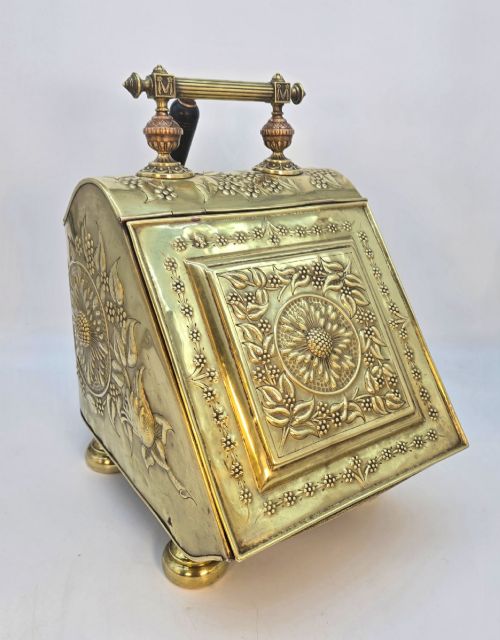
- A container designed specifically for holding and transporting coal to a fireplace, often featuring a sloping front or a hinged lid. Many include a fixed handle above and a smaller grip underneath to aid tipping.
- Log bin
- A large receptacle intended for storing firewood beside a hearth, usually cylindrical or square in form. These items frequently utilise heavier timber or riveted metal construction to withstand rough logs.
- Helmet scuttle
- A metal coal container shaped vaguely like a classical helmet, with a flared lip and a raised back. This form became popular during the Georgian and Victorian periods for tidy domestic coal delivery.
- Coopered
- A method of construction where tapered wooden staves are joined side by side and bound with metal hoops. This technique is typical of buckets, barrels, and peat bins.
- Tole ware
- Lacquered or enamelled metalware, typically iron, decorated with painted or printed designs. It offers a colourful alternative to plain brass and copper hearth accessories.
Antique Fireplace Scuttle: Frequently Asked Questions
What is an antique fireplace scuttle used for?
These vessels served to store and transport solid fuel such as coal, logs, or peat directly to the hearth for domestic fires.
Today, they function as practical fireside accessories or decorative containers for plants and kindling within period interiors.
How do I tell a Victorian scuttle from an Edwardian one?
Victorian examples frequently display heavier ornamentation, including deep embossing, Gothic Revival motifs, or riveted copper construction.
Edwardian pieces often lean towards simpler Arts and Crafts lines, lighter oak construction, or understated brass finishes.
Are these metal scuttles waterproof?
Many metal scuttles and buckets were built to hold damp coal or peat, though older soldered joints can weaken over time.
Some Edwardian and later variations include fitted metal liners to protect the main body from moisture and dirt.
Can I use a wooden log bin near a hot fire?
Wooden bins, including coopered oak barrels and mahogany boxes, are designed to store dry firewood at a safe distance from the open flame.
They should not sit directly against hot grates or source extreme heat to prevent the timber from drying out and cracking.