


Victorian Brass Bucket
A victorian brass bucket brings nineteenth-century warmth and solid metalwork directly to the hearth, serving both practical fireside storage and decorative presence.
Victorian Brass Bucket
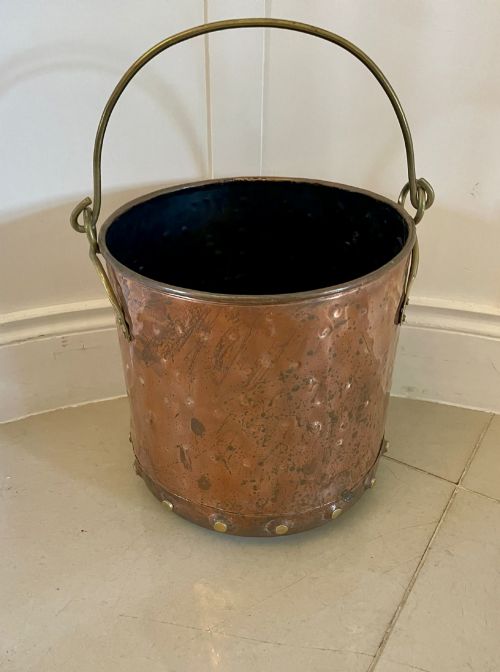
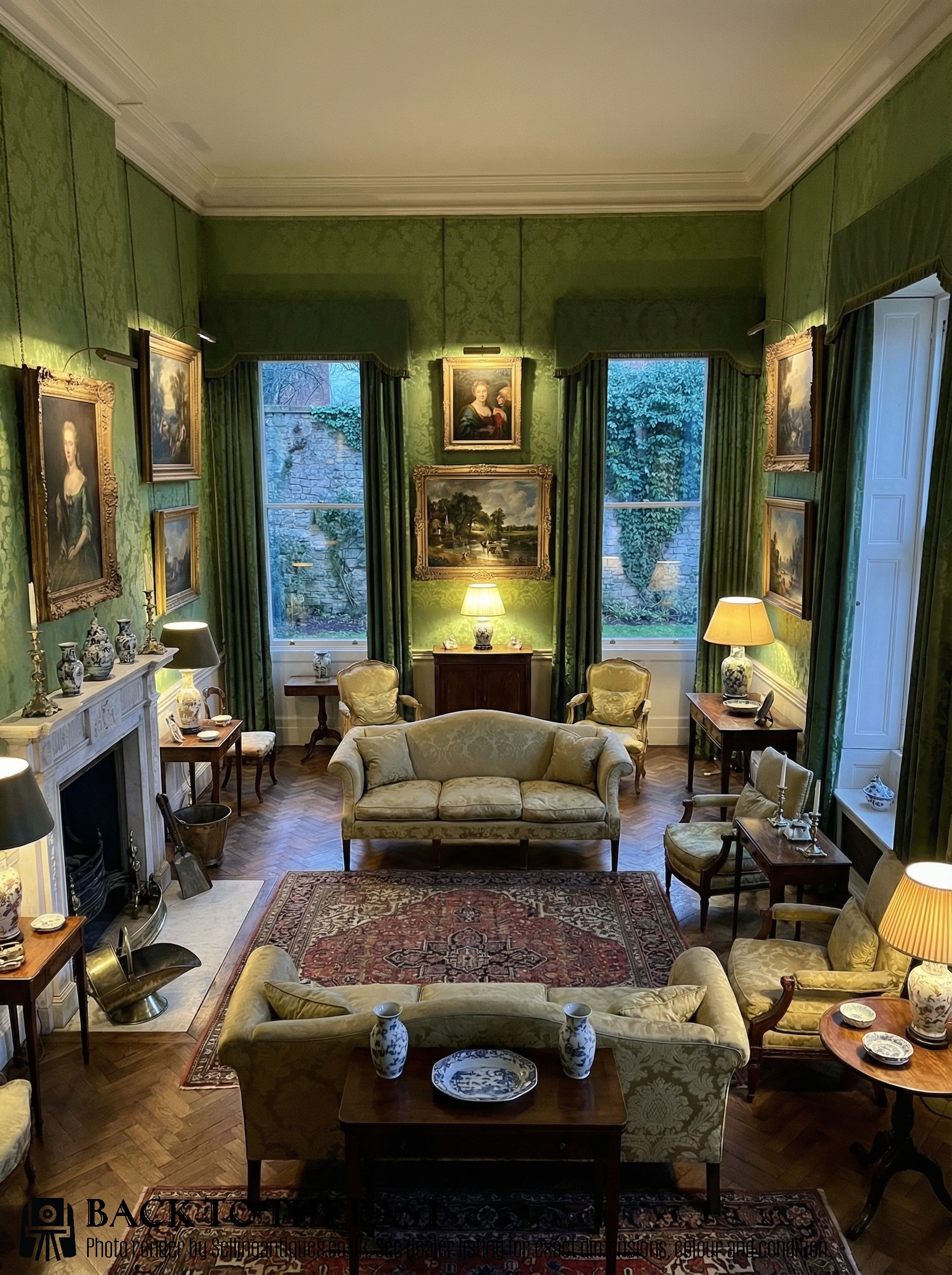
When searching for a victorian brass bucket, buyers encounter heavy utilitarian vessels designed primarily for holding coal, logs or kindling by the fireplace. These objects span the nineteenth century, emerging from periods associated with robust domestic metalwork and detailed fireside furnishings.
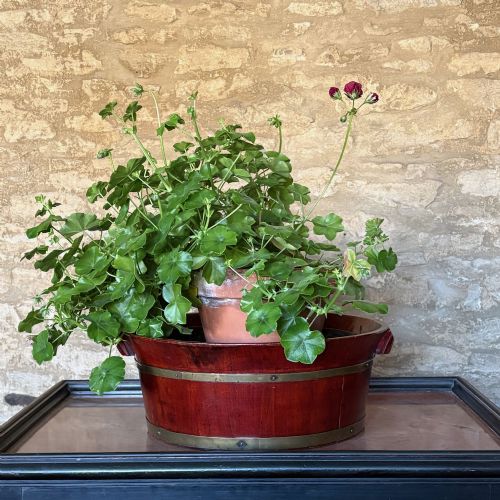
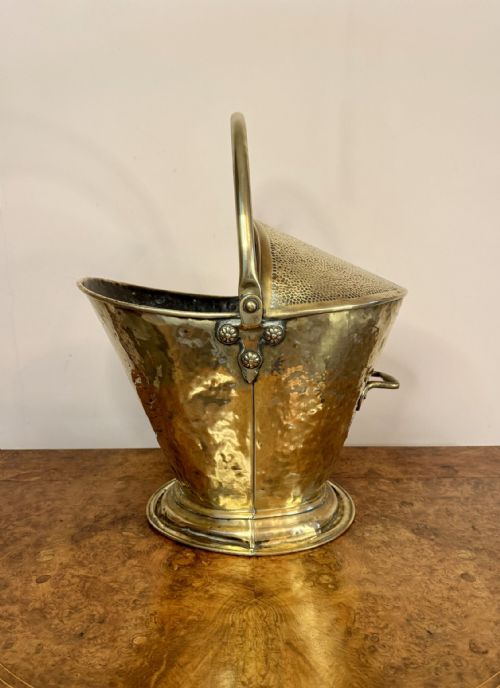
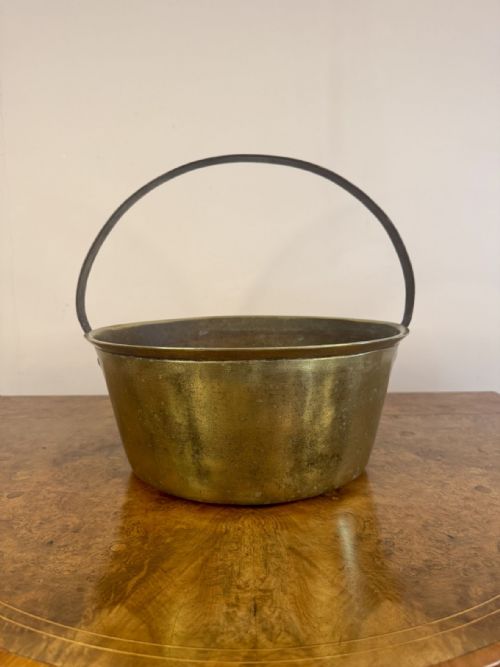
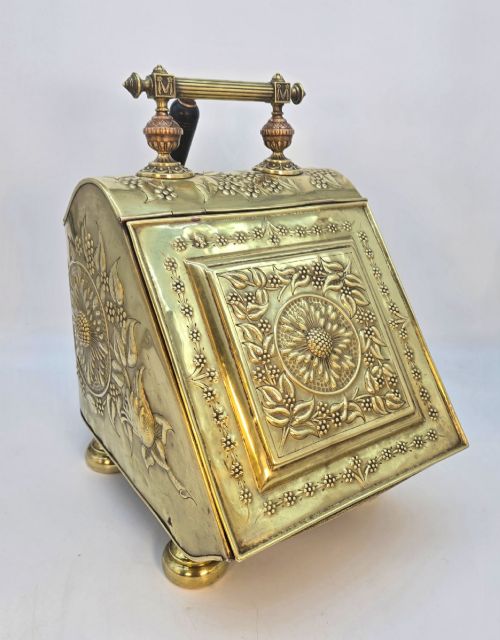
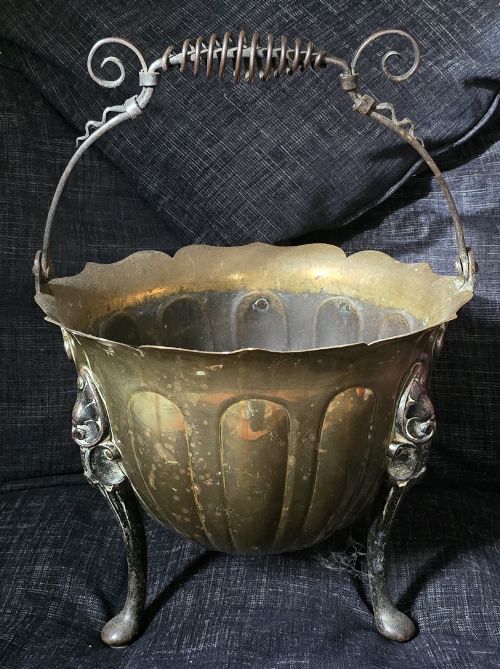
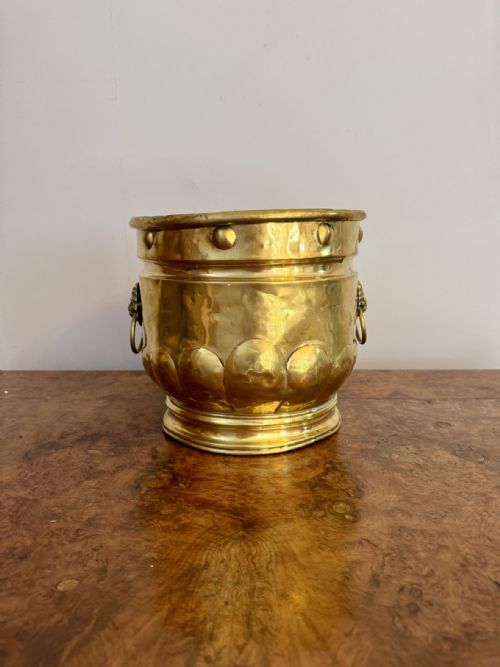
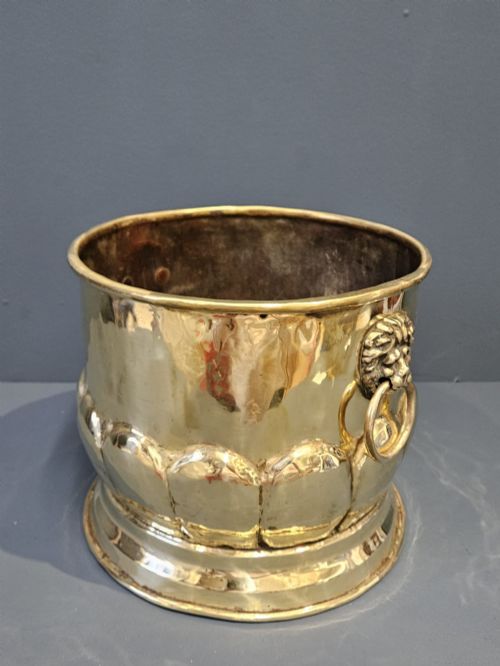
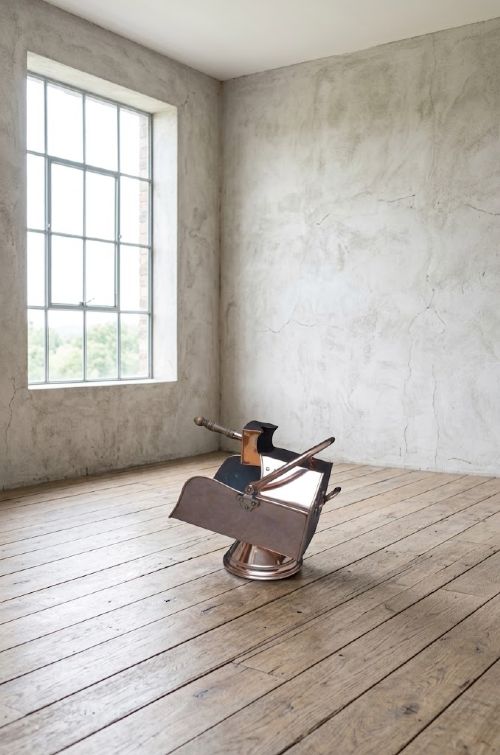
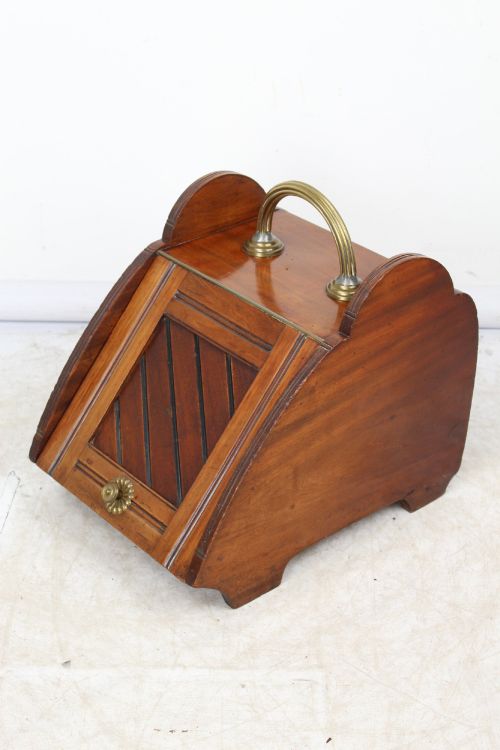
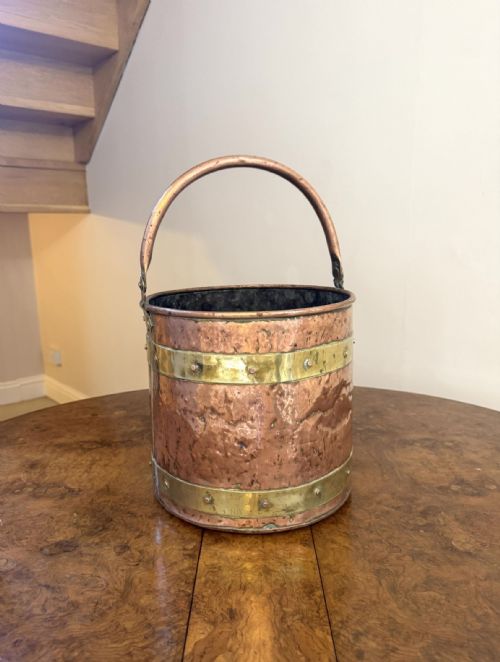
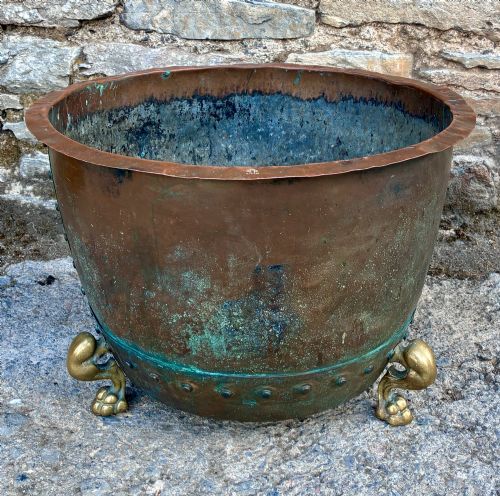
The most common forms on this page include cylindrical coal buckets, helmet-shaped scuttles, and open planters or jardiniere vessels. Many incorporate swing handles, lion head rings, or contrasting copper bands, bridging purely functional hearth duties with the decorative aspirations of period homes.

How they were made
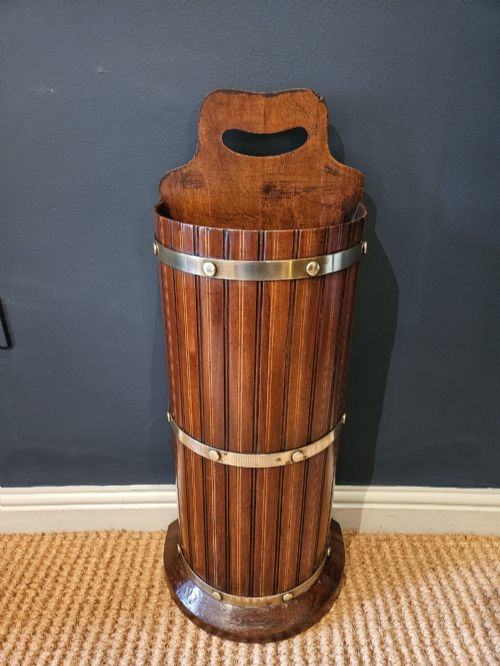
Metals form the core of these pieces, combining sheet brass and copper with iron reinforcements and occasionally wooden staves in coopered oak or mahogany bodies. Makers joined metal panels using visible rivets or smooth seams, often mounting the vessels on sturdy feet or stepped bases.
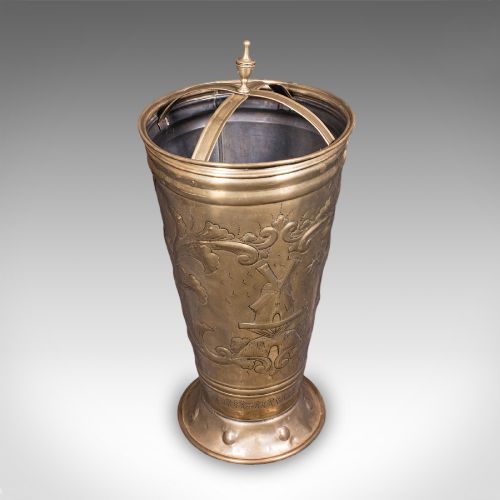
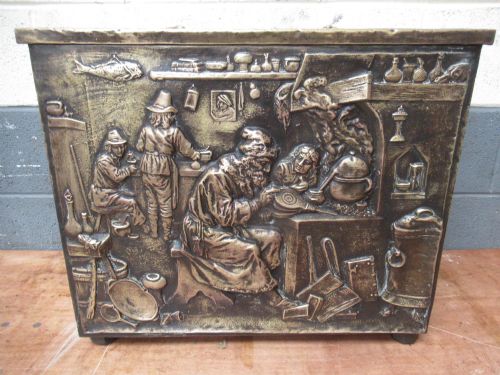
Surface treatments vary from hammered textures and embossed heraldic crests to plain polished finishes. Handles and mounts were frequently cast separately and securely fixed to the main body, ensuring the vessels could withstand heavy daily use.
Victorian Brass Bucket Retail Price Guide 2026
Typical asking prices for victorian brass bucket among the pieces listed under this phrase on Sellingantiques today, from the lower quarter to the upper quarter. They describe what is for sale here now, not the wider market.
Some coal buckets hide family crests, turning humble fuel storage into domestic heraldry.
What varies in quality
The distinction between standard utility items and finer pieces lies in the thickness of the metal and the crispness of any embossed or hammered decoration. Superior examples display substantial gauge brass, tightly fitted copper bands, and carefully finished cast mounts rather than light, flexible sheet metal.
Original matching elements, such as dedicated shovels, swing handles with firm fixings, and stable bases, elevate a piece. The integration of maker signatures or distinct regional styles further separates ordinary containers from notable examples of period metalwork.
Henry Loveridge·Benham and Froud·Petrus Ramus
The Victorian Brass Bucket Glossary
- Coal scuttle
- A container designed to hold solid fuel for a fireplace, often featuring a sloped opening or a hinged lid for easy pouring. These items frequently include matching shovels and sturdy carrying handles.
- Jardiniere
- An ornamental pot or receptacle, usually designed to hold plants or flowers rather than fuel. In Victorian interiors, these vessels brought botanical displays indoors.
- Coopered
- A method of construction using narrow wooden staves bound together by metal hoops, similar to barrel-making. This technique appears in wooden log bins reinforced with brass bands.
- Embossed
- A decorative technique where a design is raised from the surface of the metal using punches or dies. This ornamentation creates texture and visual depth on the body of the bucket.
Victorian Brass Bucket: Frequently Asked Questions
What were victorian brass buckets used for?
These vessels were primarily utilised beside the fireplace to store coal, logs, or kindling for daily hearth maintenance. Their robust construction allowed them to handle heavy loads of fuel safely.
Over time, many of these metal containers transitioned into decorative roles, serving as indoor plant holders, umbrella stands, or wastepaper bins within period interiors.
How do I clean a brass bucket?
Maintenance depends entirely on the preferred finish, as some collectors value a dark, aged patina while others prefer a bright polished surface. Gentle dusting and mild soapy water usually suffice for routine care.
Harsh chemical abrasives should be avoided to prevent stripping the historic surface texture or damaging any underlying copper and iron components.
Are these buckets safe for real fires?
While originally built to hold dry fuel near a hearth, vintage metal buckets serve primarily as decorative accessories and storage bins in modern homes. Using them for wet ash or active burning coals is generally discouraged.
Their historical materials and soldered or riveted joints are best preserved by keeping them dry and utilising them for logs, magazines, or dried floral arrangements.
How can I date a brass bucket?
Dating relies on observing manufacturing techniques, material combinations, and stylistic markers recorded across nineteenth-century examples. Riveted seams, hand-finished details, and specific Victorian motifs help narrow the production window.
Makers' marks or stamps, when present on the base or rim, offer the most direct confirmation of origin and approximate manufacturing decade.