

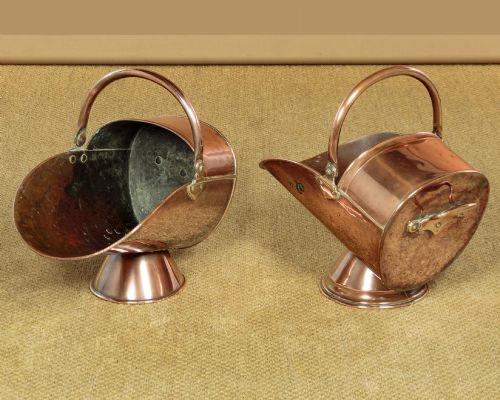


Victorian Helmet Scuttle
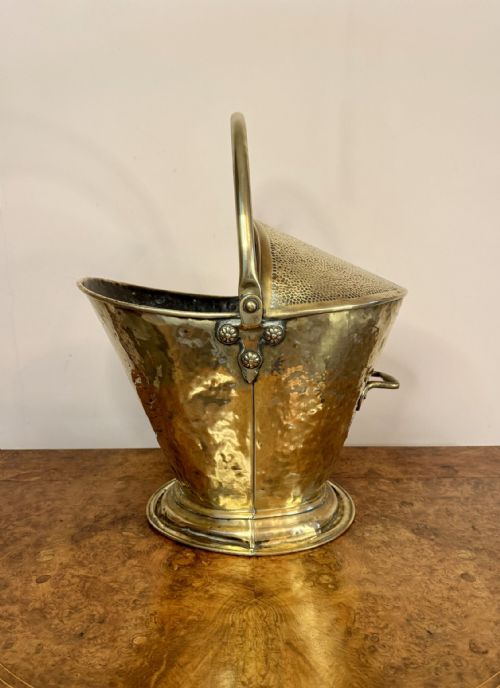
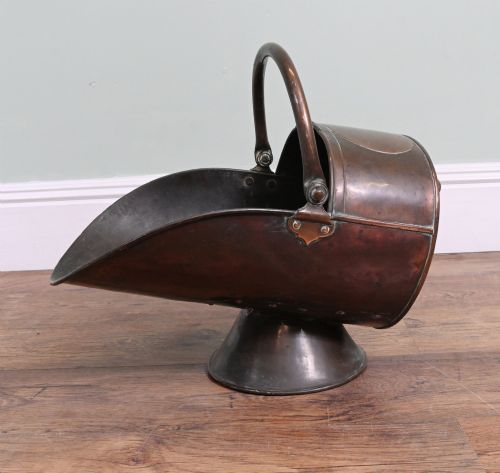
A victorian helmet scuttle brings practical hearth-side metalwork into the room, shaped with a characteristic sloped opening for carrying coal.
Victorian Helmet Scuttle
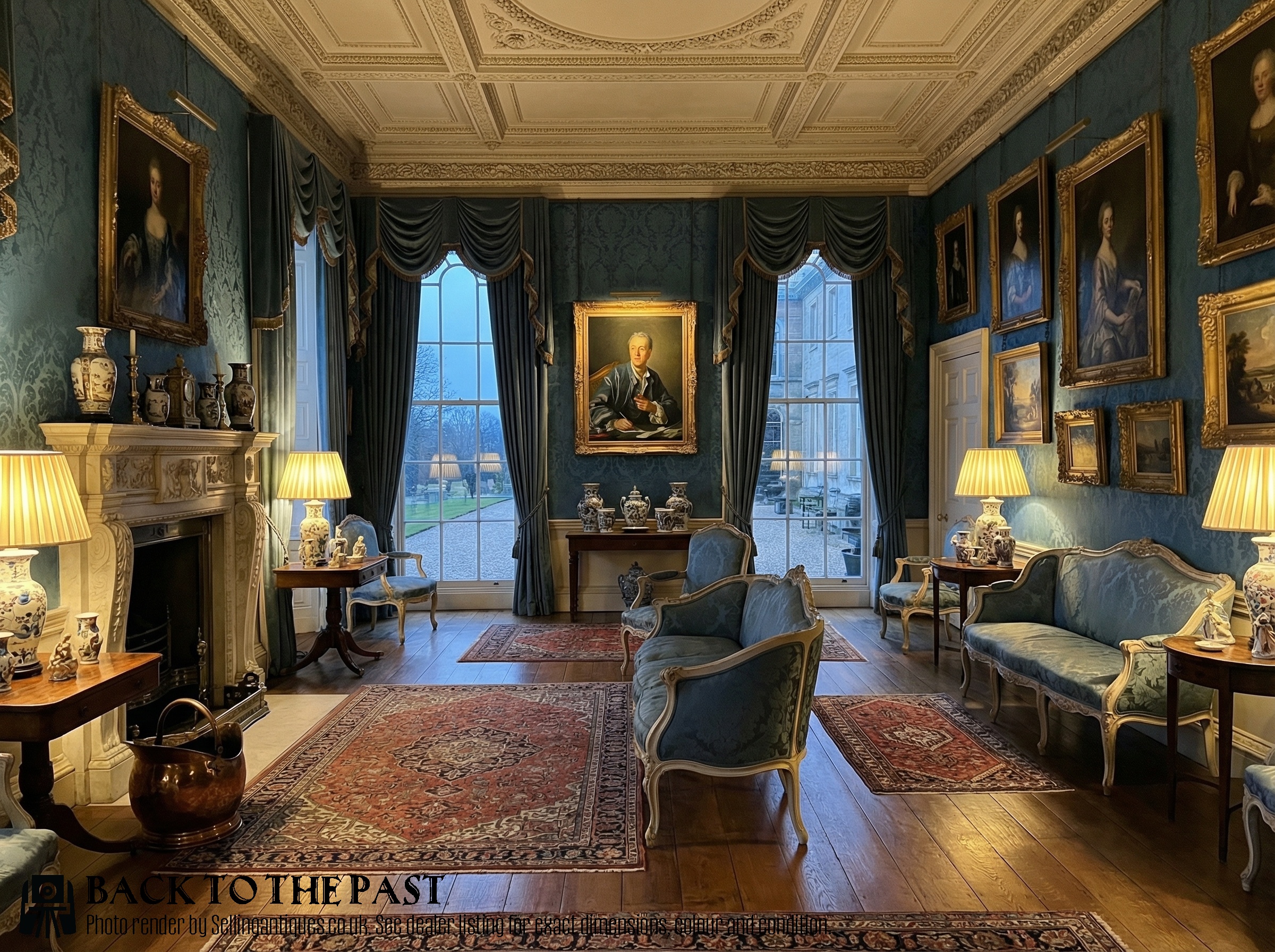
A victorian helmet scuttle is a fireside accessory designed to hold and transport fuel to an open hearth. These vessels appear primarily in the nineteenth century, spanning decades from the 1860s through the Edwardian period.
The form derives its name from a perceived resemblance to a traditional military helmet, featuring a wide mouth at the front and a raised back with a carrying handle. On this page, buyers encounter examples cast, beaten, and assembled from sheet metals for domestic use beside the fireplace.
Materials and Construction
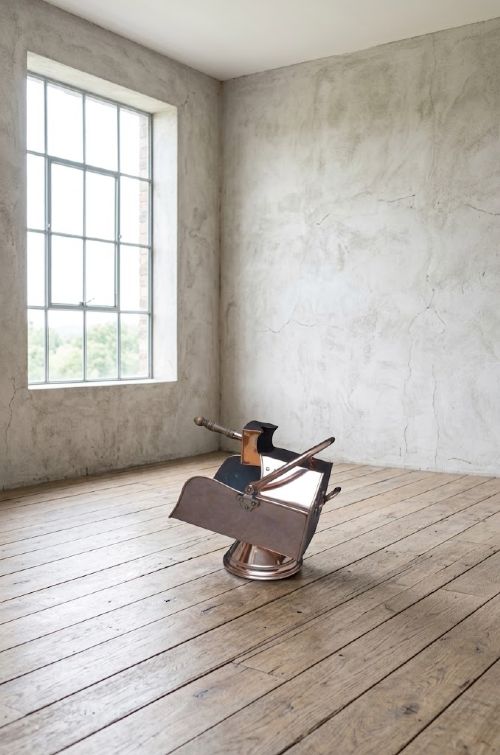
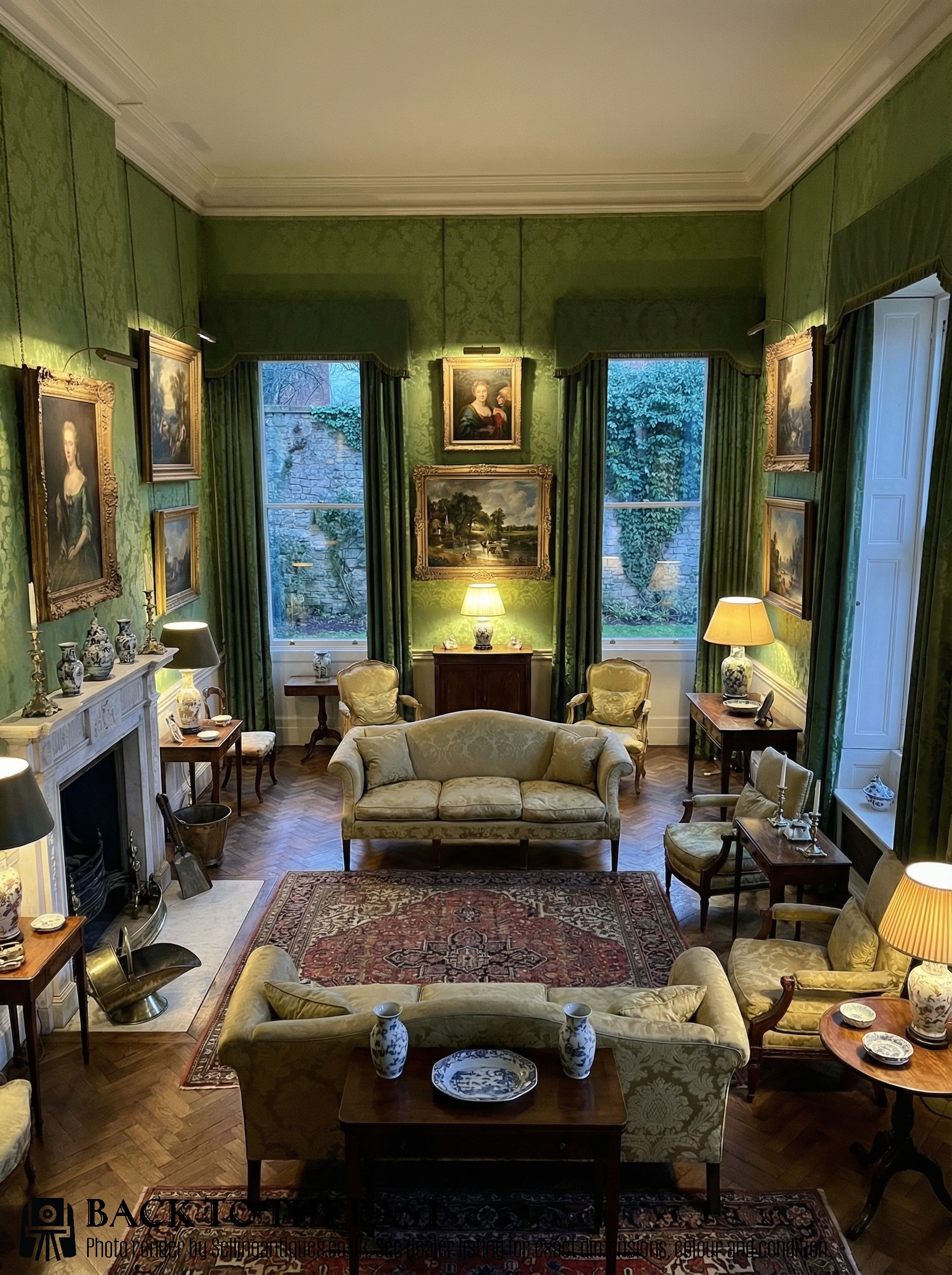
Makers utilised sheet copper and brass as the primary materials for these containers, often combining both metals on a single body for contrast. Iron and wrought iron appear in structural fixings, while wood occasionally forms handles or insulating mounts.
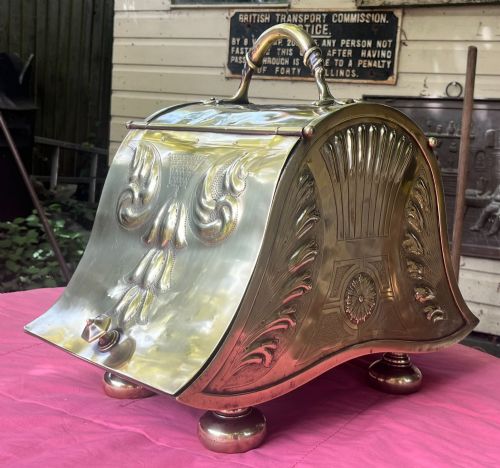
Workshops shaped the metal sheets through hammering, rolling, and riveting, sometimes applying embossed decoration or hammer-beaten textures across the surface. Surviving pieces frequently retain their accompanying shovels, constructed to match the metal body of the scuttle.
Victorian Helmet Scuttle Retail Price Guide 2026
Typical asking prices for victorian helmet scuttle among the pieces listed under this phrase on Sellingantiques today, from the lower quarter to the upper quarter. They describe what is for sale here now, not the wider market.
Many a Victorian coal scuttle now spends its retirement holding walking sticks rather than anthracite.
Factors of Quality
Gauge and thickness of the sheet metal dictate the structural integrity of an example, separating heavy utilitarian items from lighter domestic vessels. Superior specimens display clean riveting, balanced handles, and crisp repoussé or hammer-beaten work rather than pressed, uniform stamping.
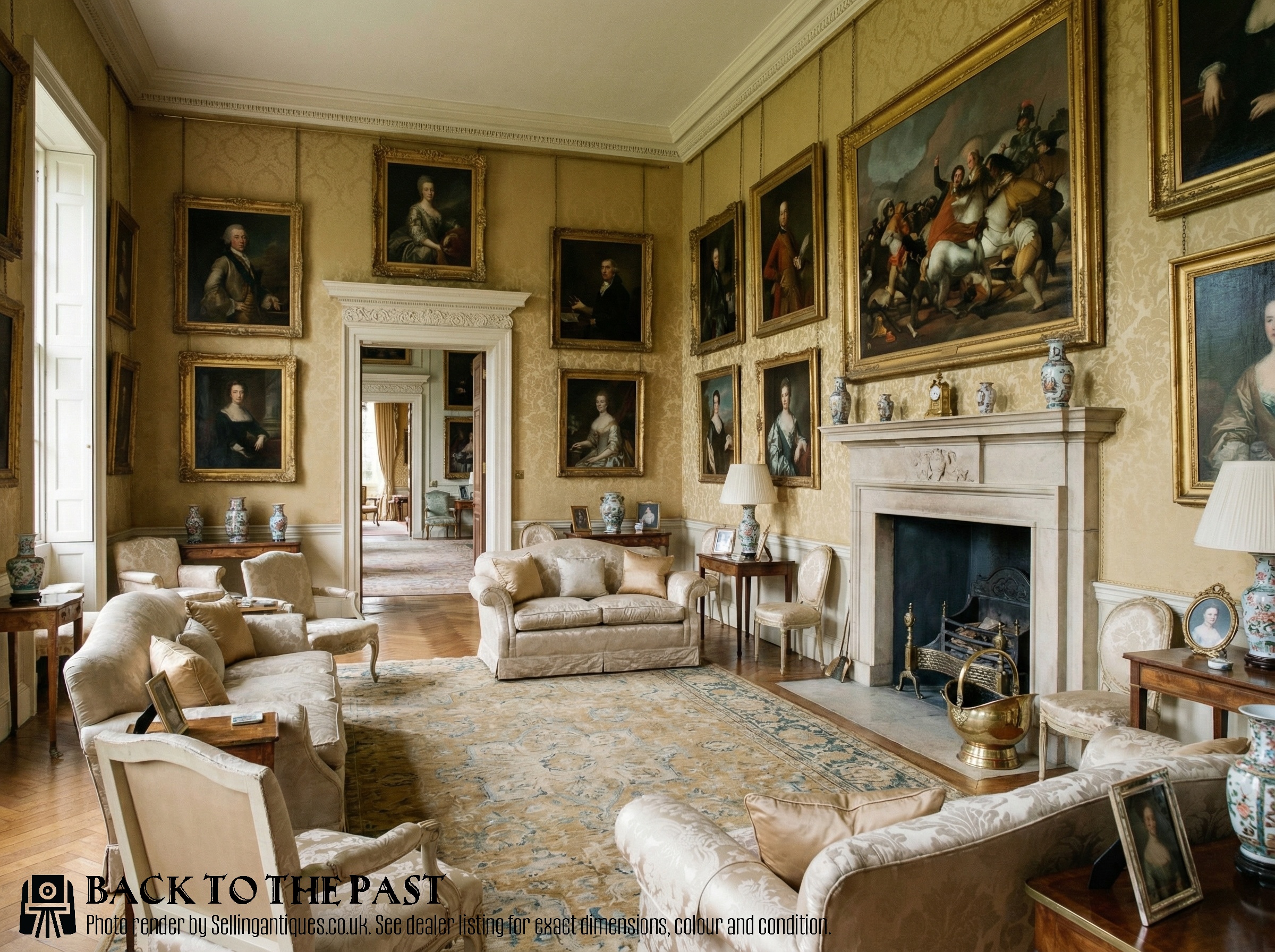
The presence of original matching shovels and intact brass mountings elevates the completeness of a piece. Makers known for specific production standards, such as Benham and Froud or Henry Loveridge, introduce distinct craftsmanship that distinguishes their output from anonymous foundry work.
Benham and Froud·Henry Loveridge·Henry Loveridge and Co
The Victorian Helmet Scuttle Glossary
- Helmet scuttle
- A fireside coal container featuring a flared, sloped opening reminiscent of a classical or military helmet. This design allowed easy dumping of fuel into the hearth.
- Repoussé
- A metalworking technique where the artisan pushes or hammers the design from the reverse side to form raised patterns. It appears frequently on decorative copper bodies.
- Ebonised wood
- Timber treated to resemble ebony, utilised for insulating handles on metal scuttles. This material prevents heat transfer to the user's hand.
- Aesthetic Movement
- A late nineteenth-century design style emphasising visual beauty over narrative or moral function. Pieces from this period display refined surface decoration.
Victorian Helmet Scuttle: Frequently Asked Questions
What is a victorian helmet scuttle used for?
These vessels served as coal buckets beside the fireplace, holding fuel for domestic hearths during the nineteenth century. The sloped mouth directed the coal cleanly into the grate when tipped.
Today, collectors utilise them as decorative umbrella stands, log bins, or fireside accessories without necessarily burning coal.
How do I clean a brass or copper scuttle?
Maintenance depends on the desired finish, though most owners simply dust the metal surface with a dry cloth. Avoid abrasive cleaners that strip historic patination from the sheet metal.
If polishing is necessary, use a mild formulation suited specifically for brass or copper to preserve any embossed or hammer-beaten details.
Are original shovels common with these pieces?
Original shovels do accompany certain listings, sliding into a dedicated sleeve or bracket attached to the back of the vessel. Finding a matching shovel increases the completeness of the item.
Many surviving pieces lost their shovels over decades of domestic use, leading subsequent owners to pair them with compatible replacements.
How do I distinguish Arts and Crafts examples?
Arts and Crafts pieces exhibit visible hand-working marks, such as distinct hammer blows across the copper or brass surface. The decoration remains simpler and more structural than heavily ornate Victorian designs.
These items date towards the turn of the twentieth century, reflecting a shift toward artisanal production values.