


Victorian Coal Cabinet
These Victorian coal cabinet examples are sturdy fireside storage pieces built to hold fuel cleanly while keeping the hearth neat.
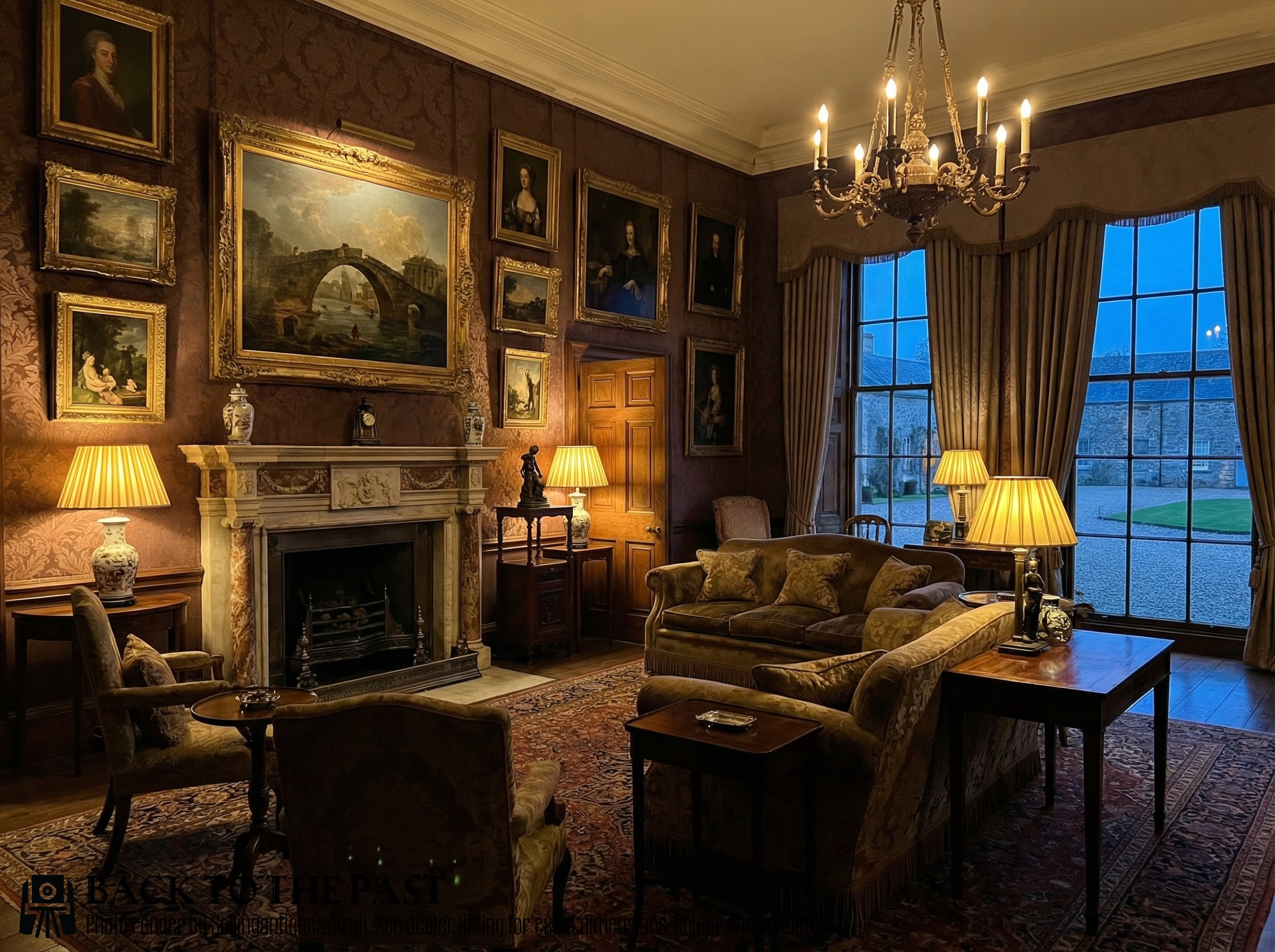
Victorian Coal Cabinet
A Victorian coal cabinet is a dedicated fireside accessory designed to house fuel without littering the hearth with dust and debris. These pieces appear in forms ranging from simple drop front boxes to elaborate purdoniums with shovels and brass mountings.
Most examples found here date from the late nineteenth century into the Edwardian period, spanning styles such as Gothic Revival, Art Nouveau, and Louis XV Revival. Cabinet variations include designated compartments for coal alongside fire iron storage and companion sets.
The objects serve primarily as functional domestic furniture that conceals everyday utility behind polished timber facades. Walnut, mahogany, and oak dominate the selection, often complemented by brass handles, hinges, and liners.
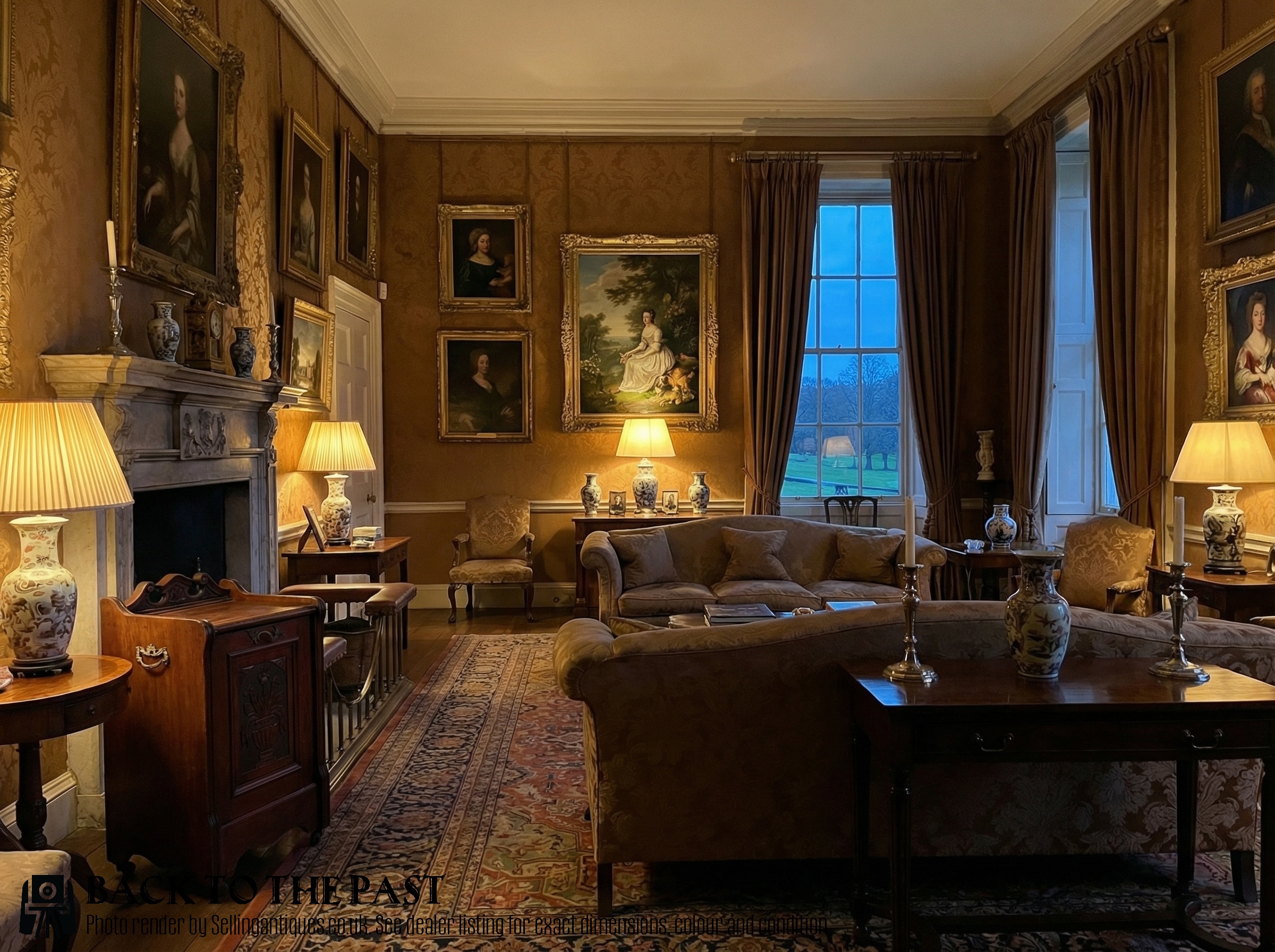
Materials and construction
Cabinet makers utilised dense hardwoods such as oak, walnut, mahogany, and rosewood to construct these durable fireside containers. Timber selection often reflected prevailing tastes, pairing dark woods with decorative marquetry inlay, or carved detailing.
Metal fittings played a crucial structural and decorative role, featuring heavy brass handles, hinges, ormolu mounts, and iron liners. These metal elements were engineered to withstand the daily weight and abrasion of moving coal.
Drop front mechanisms and tilting purdonium chutes required precise joinery to operate smoothly under heavy loads. Interior metal or zinc liners protected the surrounding timber from moisture and soot.
Distinctions in craftsmanship
Quality separates simple utilitarian boxes from ornate parlour furniture through the intricacy of wood carving and marquetry inlay. Superior examples display thoughtful proportions and harmonious stylistic references, such as Liberty or Gothic Revival motifs.
The robustness of the internal mechanism and the quality of the metal mounts determine long term durability and daily utility. Thick timber panels and well fitted interior liners distinguish better workshops from mass production.
The Victorian Coal Cabinet Glossary
- Purdonium
- A specific type of coal container featuring a sloping front or tilting box for easy fuel retrieval. These often include built in compartments for a shovel.
- Drop front
- A hinged door panel that opens forward to allow access to the interior storage space. This mechanism keeps fuel contained while operating.
- Marquetry inlay
- Decorative patterns formed by fitting contrasting pieces of wood veneer into a primary surface. This technique creates detailed pictures or geometric designs on the cabinet lid.
- Ormolu
- Gilt bronze mounts applied to furniture for decorative enrichment. These metallic accents add bright contrast to dark timber surfaces.
- Fireside companion
- A matching tool set or accessory designed to sit beside the hearth. These often accompany purdoniums to service the fireplace.
Victorian Coal Cabinet: Frequently Asked Questions
What is a purdonium?
A purdonium is a specialised Victorian coal container designed with a sloping front or a tilting mechanism for easier fuel access. These pieces often incorporate internal metal liners and dedicated slots for shovels.
They emerged as domestic comfort and refinement became central to middle class parlour design during the nineteenth century.
How do I clean the inside?
Most cabinets feature removable metal or zinc liners that lift out independently from the wooden housing. You can empty soot and coal dust from the liner without exposing the antique timber to moisture or abrasive scrubbing.
Wipe the interior metal with a dry cloth and brush out residual debris regularly to maintain the material.
Where should I place it?
These cabinets sit naturally beside a fireplace or stove to provide convenient fuel storage within arm reach of the hearth. Their finished wooden exteriors also allow them to function as small side tables in a living room or study.
Keep them away from direct and intense heat sources to protect the solid wood and veneer from drying out.
Are liners usually original?
Metal liners endured heavy wear and frequent contact with abrasive coal, meaning many period examples have been replaced or repaired over time. The presence of a sturdy metal or zinc insert ensures the surrounding wood remains protected from grime.
Inspect the interior fittings to see whether the lining matches the age and construction standards of the outer cabinet.