



Mahogany Coal Box
A mahogany coal box brings disciplined Victorian and Edwardian warmth to a hearth while keeping fuel neatly stowed out of sight.
Mahogany Coal Box
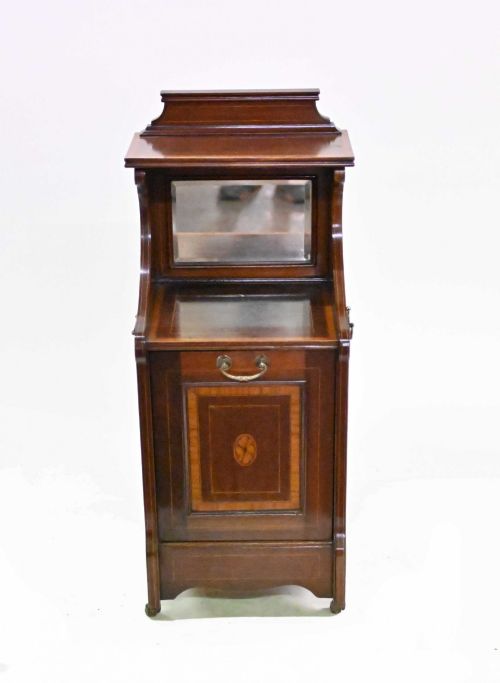
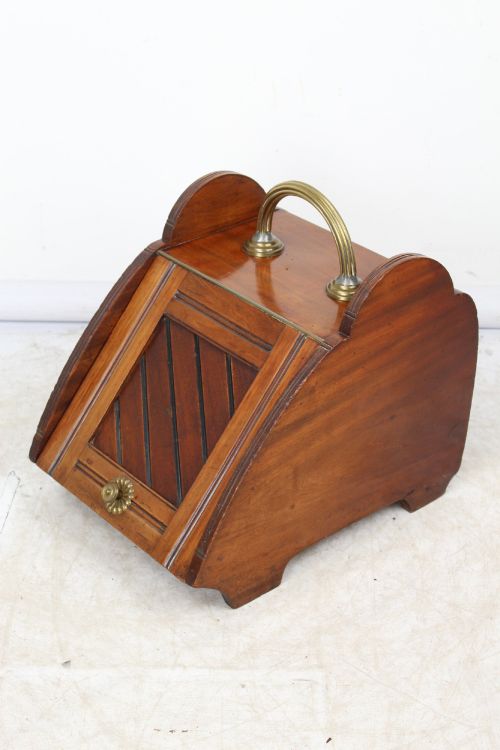
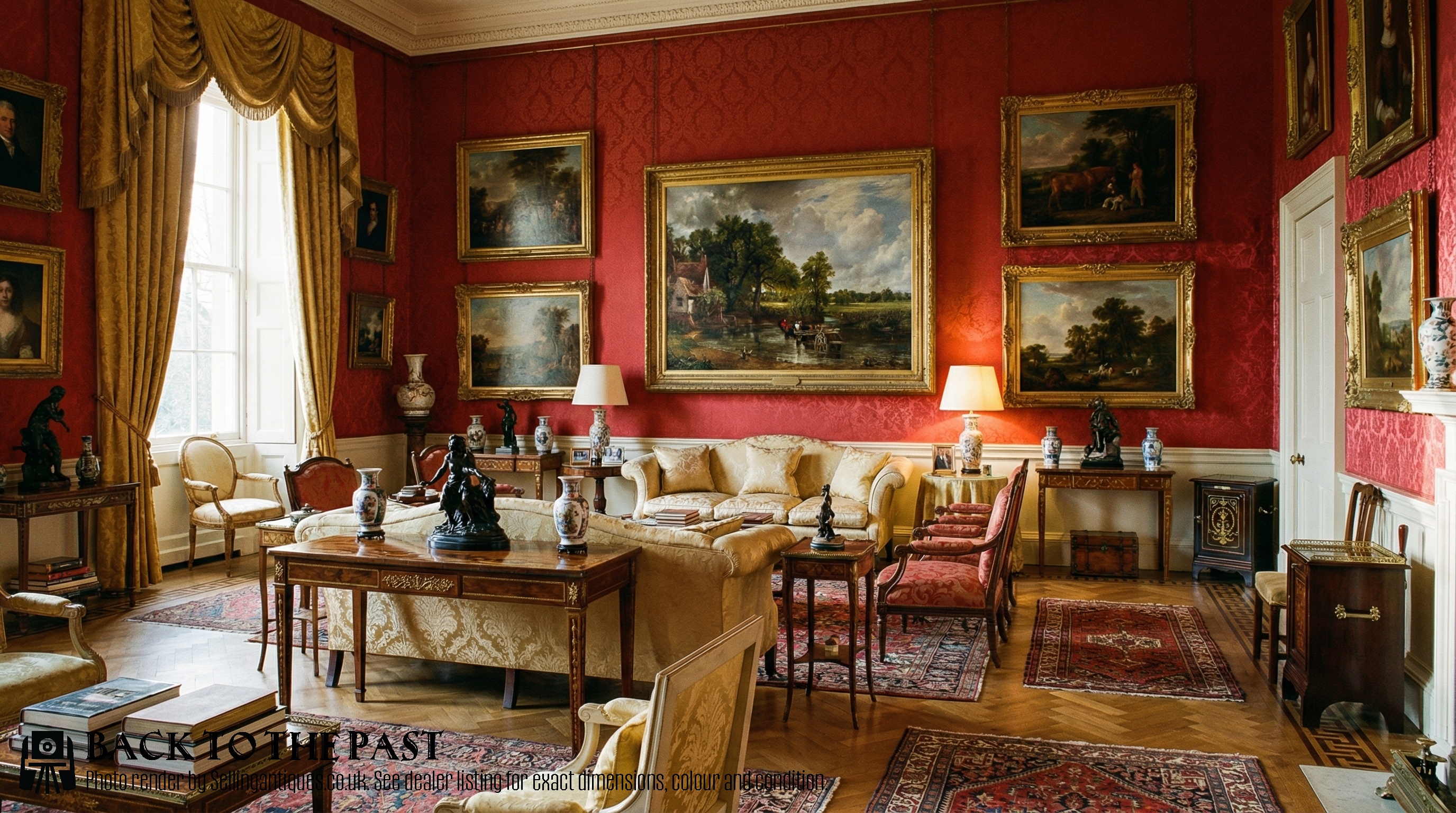
A mahogany coal box sits beside the fireplace as both a practical fuel store and a decorative fireside accessory. These pieces span the Victorian and Edwardian eras, appearing in forms ranging from traditional scuttles and purdoniums to cabinet styles.
Most examples found on this page date from the nineteenth and early twentieth centuries, constructed to serve domestic hearths in formal drawing rooms and parlours. Collectors encounter varying formats, including sarcophagus shapes, standing purdoniums, and Louis XV Revival depots.
Makers designed these items to conceal messy fuel supplies behind polished timber facades, often pairing the main box with matching metal liners and shovels. The typology overlaps with coal scuttles and log stores, maintaining a unified function of fireplace storage.
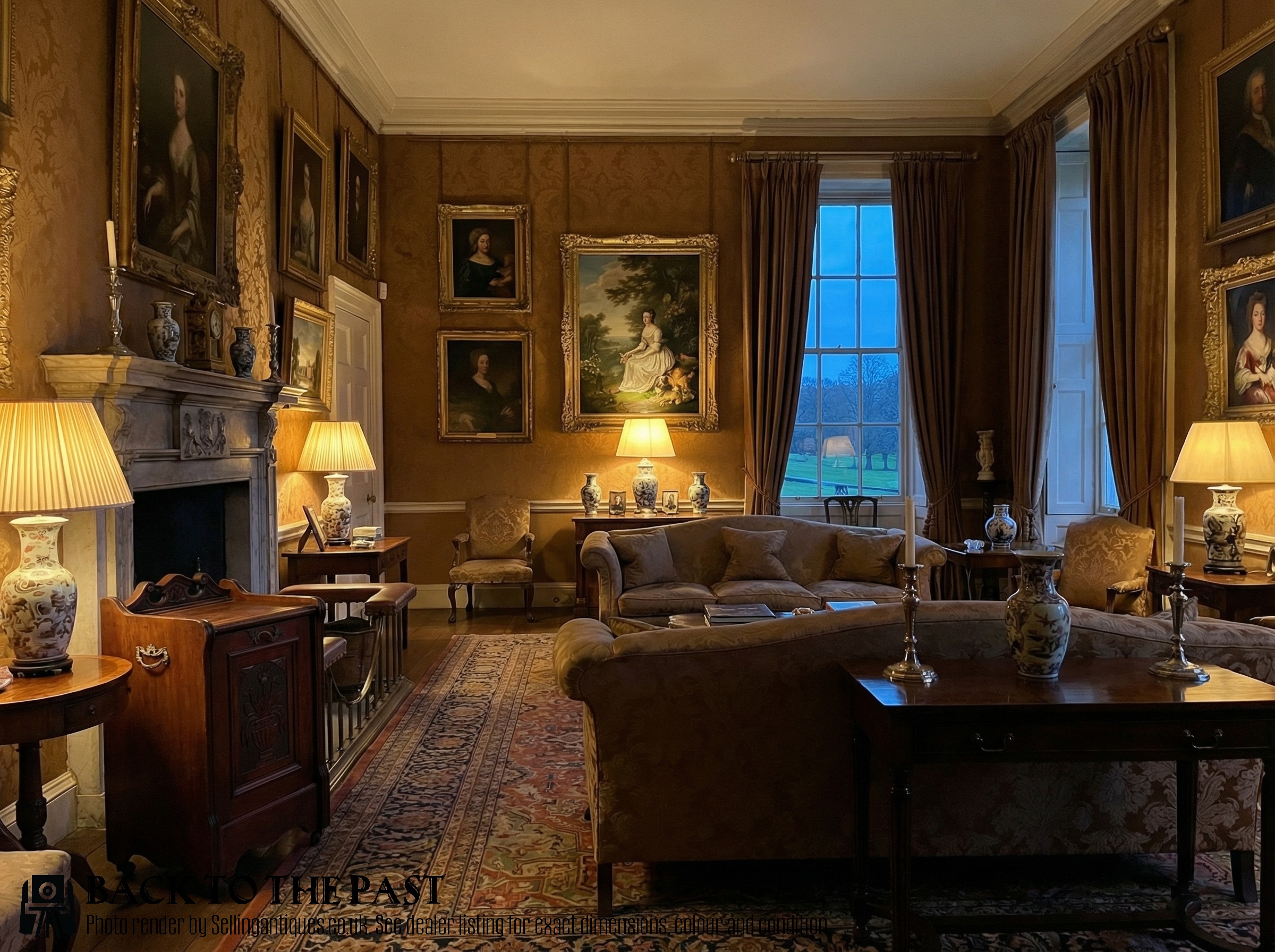
Materials and construction
Makers built these pieces primarily using solid and veneered mahogany, frequently embellishing the timber with boxwood inlay, marquetry, and wood inlay. Carved details add texture to the Edwardian variants, while earlier Victorian models rely on the rich grain of the wood itself.
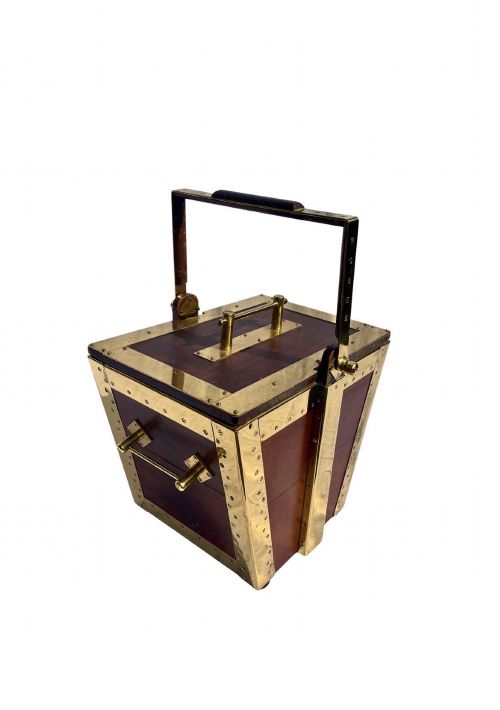
Functional metal elements form an essential part of the construction, incorporating zinc, iron, and brass liners alongside gilt metal mounts. These internal components protected the wooden structure from moisture and coal dust during daily use.
Mahogany Coal Box Retail Price Guide 2026
Typical asking prices for mahogany coal box among the pieces listed under this phrase on Sellingantiques today, from the lower quarter to the upper quarter. They describe what is for sale here now, not the wider market.
Listings feature pieces spanning the Victorian and Edwardian eras, constructed primarily from mahogany with brass, zinc, iron, and various decorative wood inlays.
Judging quality and craftsmanship
The distinction between standard utility items and finer pieces lies in the precision of the cabinetwork and the intricacy of the decorative inlay. Marquetry work, delicate boxwood stringing, and robust brass handles elevate a piece from a simple box to a high-status furnishing.
Integrity of the internal metal liner and the survival of the original shovel or scoop significantly influence the desirability of a piece. Finer examples maintain their original hinges, drop handles, and drop-front mechanisms without replacement or clumsy repair.
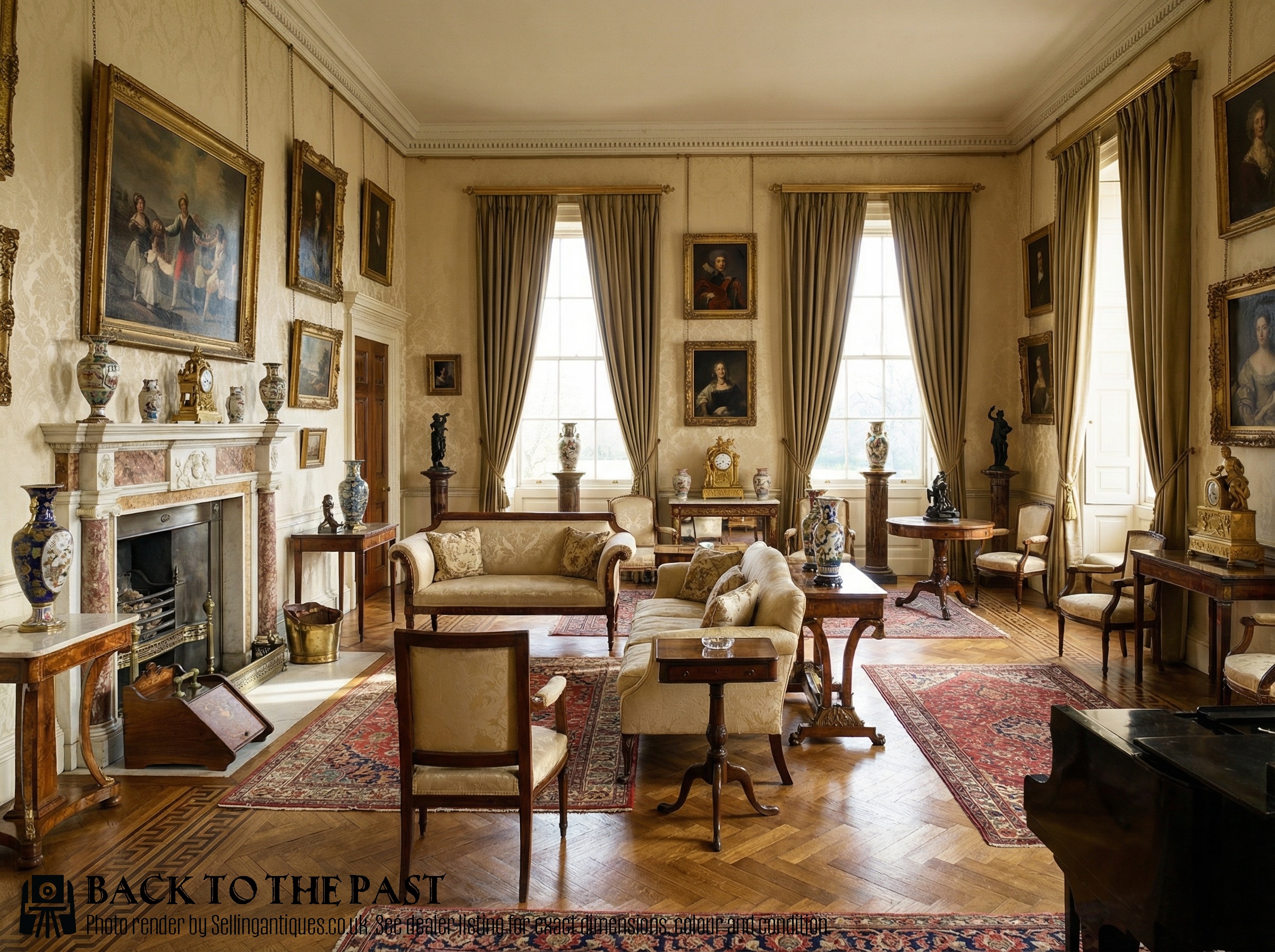
The Mahogany Coal Box Glossary
- Scuttle
- A bucket-shaped or hooded container for carrying and storing coal. Traditional versions often include a hinged handle and an accompanying shovel.
- Marquetry
- Decorative woodwork where pieces of different coloured veneers are fitted together to form pictorial patterns. This technique frequently appears on Edwardian and late Victorian lids.
- Boxwood inlay
- Contrasting pale timber inserted into recesses in darker mahogany to create geometric borders or floral motifs. It defines the crisp lines of Edwardian cabinetwork.
- Sarcophagus
- A monumental chest form with a domed lid, referencing classical stone coffins. Makers applied this grand architectural shape to smaller domestic coal boxes during the nineteenth century.
Mahogany Coal Box: Frequently Asked Questions
What is a purdonium?
A purdonium is a specialised cabinet designed to hold coal near a fireplace, featuring a sloping front door that drops open to reveal the fuel.
Unlike traditional open buckets, these enclosed pieces hide the coal entirely and often store a matching shovel inside.
Are original liners usually included?
Many surviving pieces retain their original zinc, iron, or brass liners, which protected the timber from moisture and dirt.
When a liner remains intact, it confirms the piece retains its original functional components from the period of manufacture.
How do I date a coal box?
Dating relies on stylistic clues, comparing the clean inlaid satinwood and boxwood motifs of Edwardian pieces against the heavier brass mounts and deep polished grain of Victorian examples.
Construction methods and hardware fastenings also help distinguish mid-nineteenth-century items from those made around nineteen hundred.
Can I still use these for coal?
While these boxes were built for daily hearth maintenance, many owners now repurpose them as stylish storage for logs, kindling, or household items.
The protective metal liners still function well, though delicate marquetry and polished mahogany require gentle care to avoid scratches.