





19th Century Coal Scuttle
A 19th century coal scuttle brings utilitarian history into a modern room through robust metalwork and warm timber grain.

19th Century Coal Scuttle
A 19th century coal scuttle is a fireside vessel designed to hold fuel near an open hearth, encompassing utilitarian buckets, boxes, and lidded scuttles. These objects range from sturdy wooden coal boxes to helmet-shaped metal carriers meant for domestic hearths.
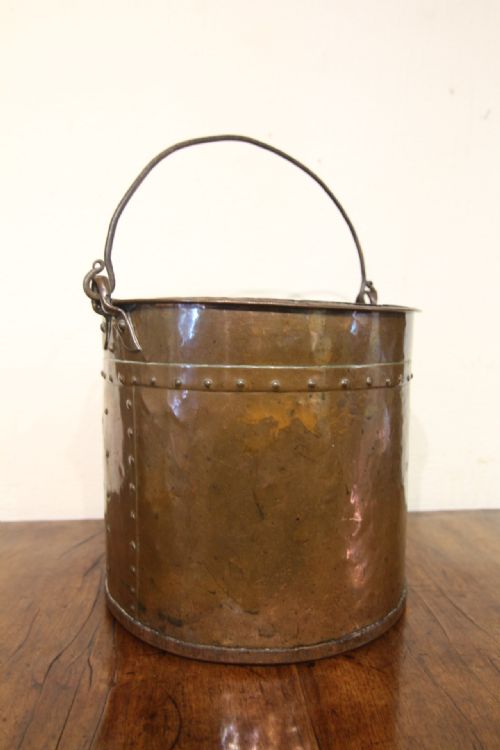
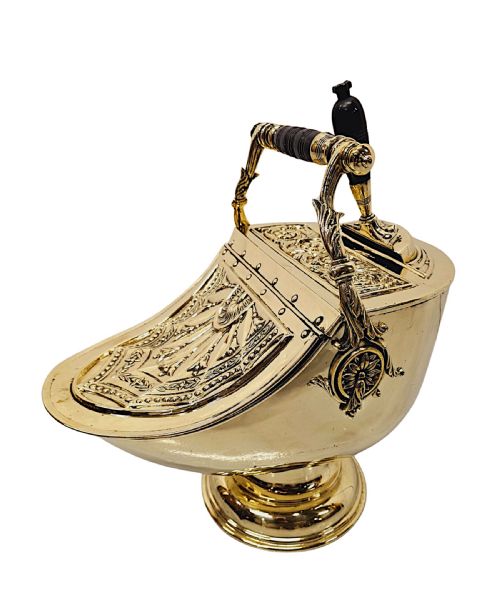
The versions most commonly met on this page span the Victorian period and the wider nineteenth century, utilising materials selected for durability around the fire. They appear in forms such as copper buckets, polished brass helmet scuttles, and wooden bins with metal liners.
Beyond standard domestic fuel storage, the category includes related fireside pieces like purdoniums, log bins, and peat buckets. Each form reflects the specific domestic heating habits of the nineteenth-century household.
How they were made
Metal vessels rely heavily on copper and brass, often joined by visible hand-hammering or structural rivets alongside wrought iron handles. Artisans shaped sheet metal into helmet scuttles and cylindrical buckets, sometimes adding cast iron components for stability.
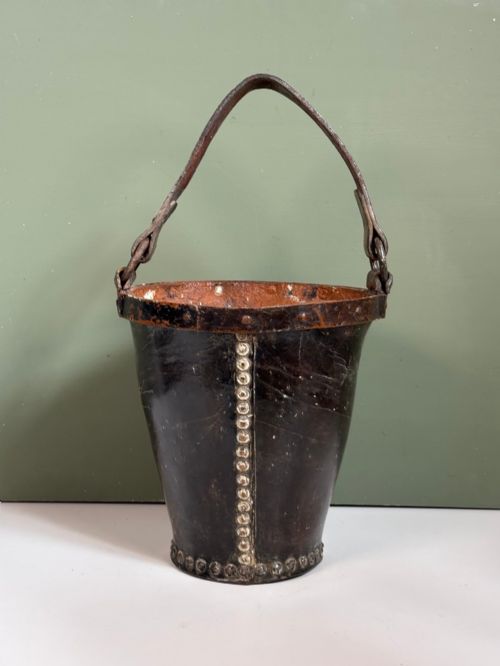
Wooden examples utilise timbers such as mahogany, oak, rosewood, and walnut, frequently accented with brass banding, spindle galleries, or bail handles. Craftsmen also employed painted toleware and boiled leather to create durable containers suited to daily handling near the hearth.
19th Century Coal Scuttle Retail Price Guide 2026
Typical asking prices for 19th century coal scuttle among the pieces listed under this phrase on Sellingantiques today, from the lower quarter to the upper quarter. They describe what is for sale here now, not the wider market.
A few hardy buckets managed to transition from active naval service on Royal Navy ships straight into domestic coal-carrying duty.
What varies in quality
The standard of a 19th century coal scuttle depends on the integrity of its construction, particularly the strength of joints, handles, and riveted seams. Metal vessels with heavier gauge copper or brass retain their shape better under regular use, while wooden boxes rely on tight joinery and well-fitted original liners.
Design articulation distinguishes standard utility pieces from finer decorative examples associated with specific stylistic movements like Arts and Crafts or the Aesthetic period. Details such as applied brass mountings, hand-beaten surfaces, or painted lid panels elevate the visual interest of the object.
The 19th Century Coal Scuttle Glossary
- Purdonium
- A specialised coal box featuring a sloping front door and an interior metal scoop, designed to dispense fuel cleanly. These Victorian cabinets often incorporate compartments for fireside shovels and brushes.
- Toleware
- Japanned or painted metalware, usually tin or iron, decorated with coloured pigments or folk art motifs. This technique provided a durable, decorative surface for nineteenth-century boxes and bins.
- Helmet scuttle
- A traditional metal fuel container characterised by a flared, shaped rim resembling a helmet, paired with a raised swing handle for pouring. This form combined decorative presence with functional utility by the fireplace.
- Bail handle
- A semi-circular arched handle attached to opposite sides of a bucket or scuttle, allowing the vessel to be lifted and carried. It is typically forged from iron or brass and secured with strong rivets.
- Armorial crest
- A heraldic design engraved, painted, or stamped onto metal or wood surfaces, often found on military or institutional property. Such insignia denote specific ownership, such as naval or municipal commissions.
19th Century Coal Scuttle: Frequently Asked Questions
What is a purdonium?
A purdonium is a specialised Victorian coal box featuring a slanted front panel that opens to reveal an internal metal lining. It was designed to keep coal neatly contained beside the fireplace.
Unlike open buckets, these enclosed cabinets often came with built-in compartments for a shovel and kept dust away from the hearth.
How were metal scuttles constructed?
Makers constructed metal scuttles from sheets of copper or brass, shaping them over forms and joining the seams with visible rivets. Wrought iron or brass handles were then attached securely to withstand the weight of heavy fuel.
Many of these pieces also featured cast feet or rolled rims to add structural rigidity and protect the base from wear.
Did these vessels only hold coal?
While primarily made for coal, many of these nineteenth-century containers served multiple purposes around the home. Variations were designated for wood logs, peat, or kindling depending on the fuel used locally.
Deep cylindrical buckets and boxes were also repurposed over time as umbrella stands or general storage bins in hallways.
How do you maintain a brass or copper scuttle?
Maintaining metal scuttles involves gentle dusting and occasional cleaning depending on the desired finish. Many collectors prefer to leave an aged patina rather than polishing the metal to a bright shine.
Wooden components require standard care with appropriate furniture wax to keep the timber nourished and prevent the grain from drying out near heat sources.