




Brass Coal Purdonium
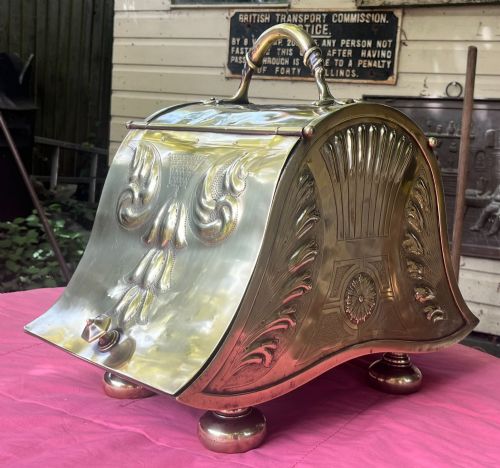
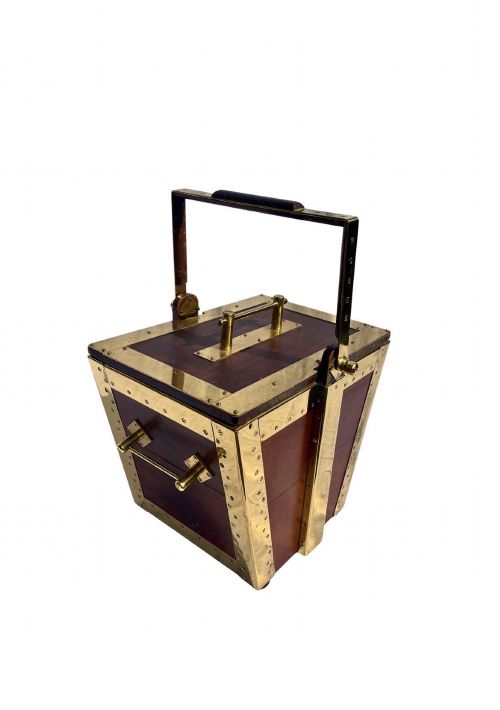
A brass coal purdonium is a fireside fuel container designed to hold coal near the hearth, bringing polished metalwork and practical utility to period interiors.

Brass Coal Purdonium
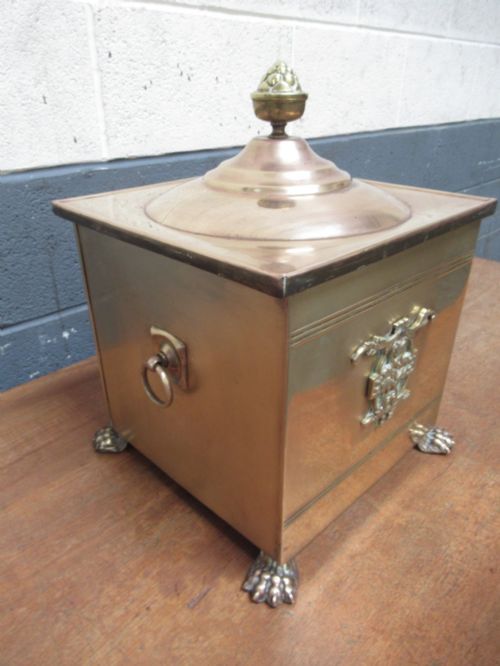
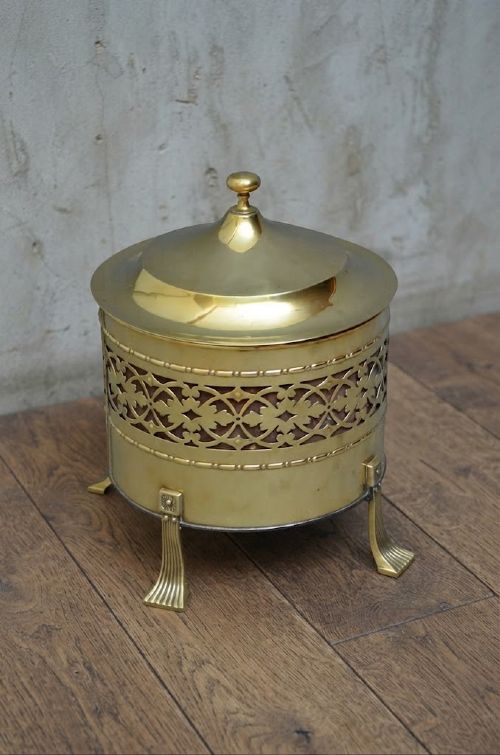
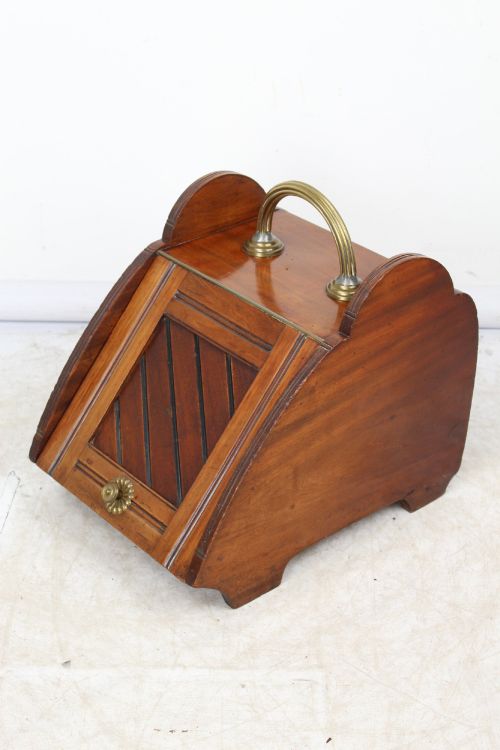
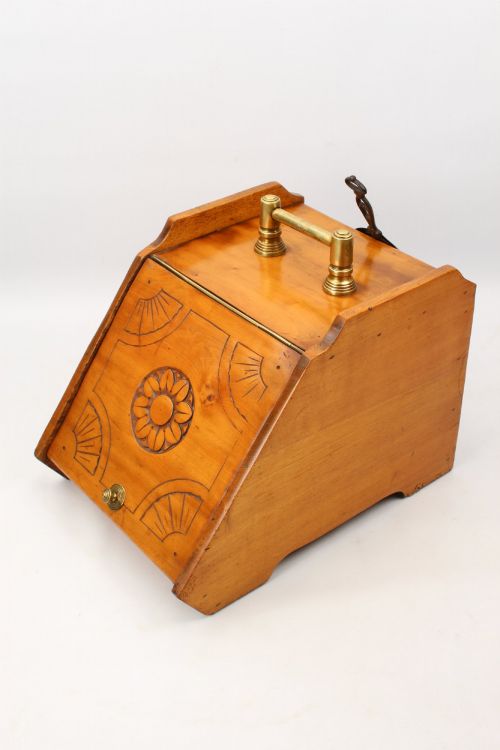
A brass coal purdonium sits beside the fireplace as a specialised container for solid fuel, taking the form of lidded boxes, cabinets, or buckets. The items gathered here span the Victorian and Edwardian eras, reaching back to the nineteenth century alongside occasional Regency examples.
Makers fashioned these utilitarian objects from brass, copper, and iron, frequently combining them with timbers such as oak, mahogany, and walnut. Many pieces include internal metal liners to contain the fuel and original shovels for tending the fire.
Materials and Technique
Craftsmen utilised sheet brass and copper, hammering, pressing, and joining the metal to form durable bodies capable of withstanding daily fireside use. These metal elements were paired with turned or carved wooden cabinets, utilising walnut, oak, and mahogany for structural rigidity and decorative warmth.
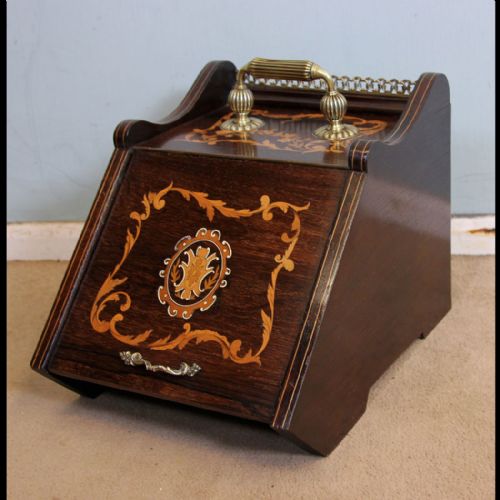
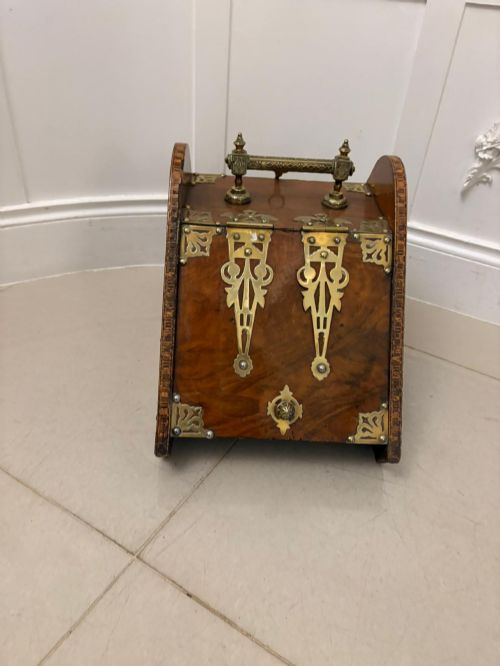
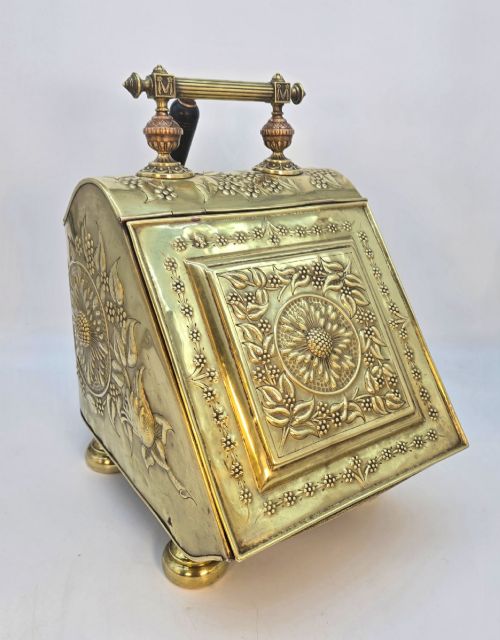
Decoration relied on applied brass mounts, repoussé work, fretwork panels, and polished surfaces that reflected the flickering light of the hearth. Structural elements like hinges and drop handles required robust smithing to support the weight of stored coal and logs.
Brass Coal Purdonium Retail Price Guide 2026
Typical asking prices for brass coal purdonium among the pieces listed under this phrase on Sellingantiques today, from the lower quarter to the upper quarter. They describe what is for sale here now, not the wider market.
Materials span polished brass, copper, iron, walnut, oak, and mahogany, frequently complete with original metal liners.
Standards of Craftsmanship
The distinction between standard utility items and finer examples lies in the weight of the metal, the crispness of repoussé detailing, and the joinery of the wooden enclosures. Superior pieces integrate brass mounts cleanly into dense timber cabinets, retaining functional elements such as removable metal liners and matching shovels.
Design ambition separates basic buckets from sophisticated purdoniums, with specific items displaying inlaid woods, elaborate fretwork, or distinct aesthetic styles such as Art Nouveau and Arts and Crafts.
Benham & Froud·William Soutter & Sons
The Brass Coal Purdonium Glossary
- Purdonium
- A specialised coal box or cabinet designed for domestic hearths, typically featuring a sloping front or a hinged lid. It originated in the Victorian period to store solid fuel discreetly in the drawing room.
- Repoussé
- A metalworking technique where the artisan hammers the material from the reverse side to form a raised design on the front. This method decorates many brass and copper coal bins.
- Fretwork
- An ornamental design created by piercing wood or metal with a fretsaw to produce intricate openwork patterns. Edwardian coal buckets frequently employ this technique on gallery rails or panels.
- Tole ware
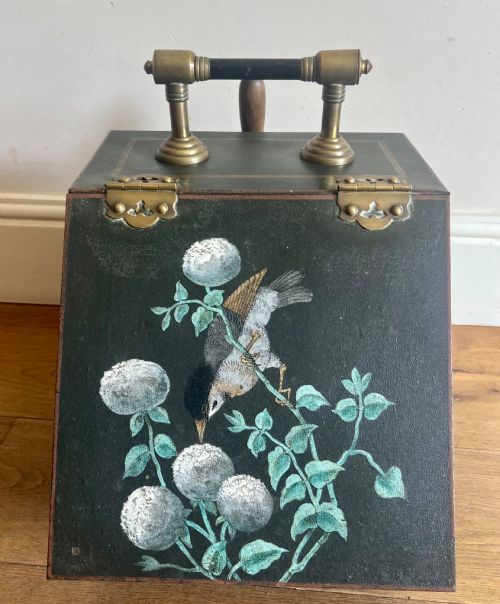
- Lacquered or enamelled sheet metal items produced to imitate oriental lacquerwork. Unusual examples of these containers appear among traditional brass and wooden fireside accessories.
- Ormolu
- Gilded bronze or brass applied as decorative mounts on furniture and storage boxes. Victorian purdoniums occasionally utilise these metallic ornaments to elevate their formal appearance.
Brass Coal Purdonium: Frequently Asked Questions
What is a coal purdonium?
A coal purdonium is a dedicated domestic container built to hold fuel for an open fireplace.
These pieces combine metal containers with wooden cabinetry to store coal safely in living rooms.
How do I clean a brass coal purdonium?
Maintenance involves dusting the wooden surfaces and using appropriate metal polish on the brass components.
Care should be taken to avoid abrasive pads that might damage historical patination or repoussé details.
Were these containers used for logs?
Many items serve a dual purpose as log bins, kindling baskets, or general fireside stores.
Larger buckets and open copper vessels accommodate logs alongside traditional coal storage.
How do I date a Victorian coal box?
Dating relies on stylistic indicators such as Aesthetic Movement motifs, Edwardian fretwork, or specific maker marks.
Material choices like walnut and oak also align with the nineteenth-century production periods recorded here.