


Coal Scuttle with Shovel
These coal scuttle with shovel sets bring practical fireside function together with period craft, offering handsome storage for fuel alongside matching hearth tools.
Coal Scuttles and Shovels
A coal scuttle with shovel is a fireside accessory designed to hold and transport solid fuel to the hearth. These pieces combine utilitarian design with decorative metalwork or timber construction.
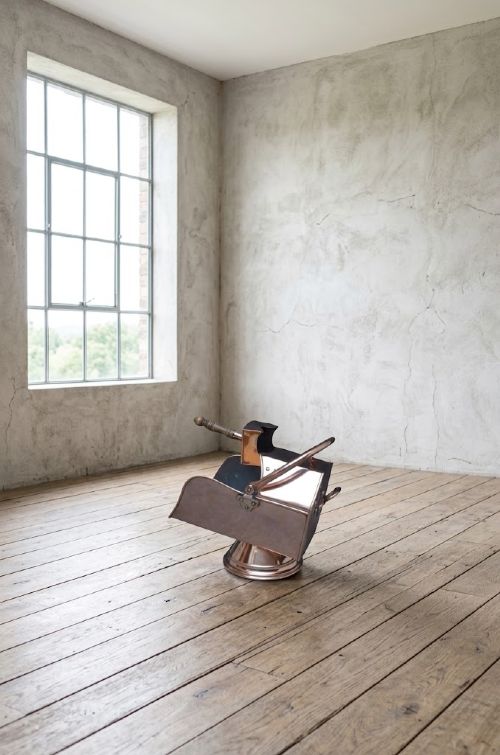
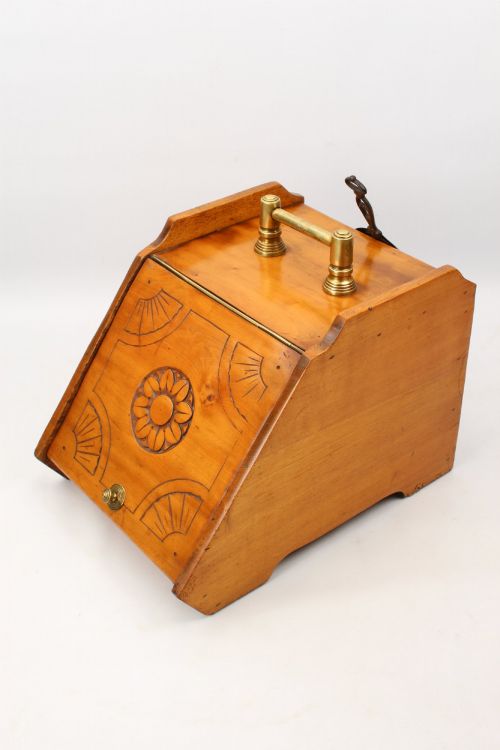
The versions met most frequently on this page date from the Victorian era through to the early twentieth century. They appear in forms such as helmet scuttles, purdoniums, bins and boxes, usually accompanied by a matching shovel.
Materials and Construction
Metal versions utilise brass and copper, often beaten, polished or shaped into helmet and bucket forms with swing handles. Iron and metal frameworks provide robust structure for daily hearth use.
Wooden examples employ timber such as oak and mahogany, frequently incorporating fitted metal liners to catch debris and protect the wood from damp fuel.
Retail Price Guide 2026
Typical UK retail prices for coal scuttle with shovel, calculated from the Sellingantiques database of over a million retail prices indexed since 2003. This retail price guide relies exclusively on Sellingantiques data; no external sources or auction records are used, so the figures do not describe the wider market.
Listings feature items spanning the Georgian, Victorian, and Arts and Crafts periods, constructed from brass, copper, iron, oak, and mahogany.
Assessing Quality
Quality rests on the weight of the metal and the integrity of the joins, where heavier gauges of brass and copper demonstrate superior substance. Finer examples retain their original matching shovels and internal liners rather than later replacements.
Detailing distinguishes standard items from the finest work, seen in crisp decorative stamping, well-turned wooden handles and balanced proportions across the body and swing arm.
The Coal Scuttle with Shovel Glossary
- Helmet scuttle
- A coal container featuring a flared, asymmetrical rim reminiscent of a classical helmet, designed for pouring fuel cleanly. This shape was particularly popular in brass during the Georgian and Victorian periods.
- Purdonium
- A box-style coal scuttle, often made of wood with a sloping fall-front lid and an internal metal liner. They frequently incorporate a compartment specifically for storing the shovel.
- Liner
- The removable internal metal container that sits inside wooden or metal scuttles to hold the coal. Original liners prevent moisture and coal dust from damaging the outer case.
- Swing handle
- A movable arched handle attached to the sides of a scuttle via pivots, allowing the vessel to be lifted and tilted. These handles often feature shaped grips for comfortable carrying.
Frequently Asked Questions
What is a coal scuttle with shovel used for?
These items were built to hold coal near the fireplace and transport it safely to the grate. The matching shovel allowed homeowners to scoop fuel without dirtying their hands.
Today, they serve equally well as decorative fireside containers or as distinctive storage vessels for dry kindling.
How do I identify a Georgian coal scuttle?
Georgian pieces, dating around the year eighteen hundred, typically display classical proportions and fine brass construction. They often take the helmet form with crisp lines and integrated pedestals.
Later Victorian interpretations tended to introduce more diverse shapes, including wooden purdoniums and varied copper bins.
Are the shovels usually original?
Many surviving sets retain their matching original shovels, which were made to complement the finish and metalwork of the scuttle itself. Finding a matched pair adds historical completeness to the piece.
Checking for consistent wear and matching metal patination helps confirm that the shovel belongs to the vessel.
How should I clean a brass coal scuttle?
Brass surfaces respond best to gentle dusting and occasional cleaning with a mild, non-abrasive metal polish to maintain their warmth. Avoid harsh chemical cleaners that strip away the aged patination accumulated over decades.
Wooden components such as oak or mahogany require simple dry wiping and occasional wax treatment to preserve the grain.