



Antique Brass Coal Scuttle
An antique brass coal scuttle stands beside the hearth to hold fuel with utility and presence.
Antique Brass Coal Scuttle
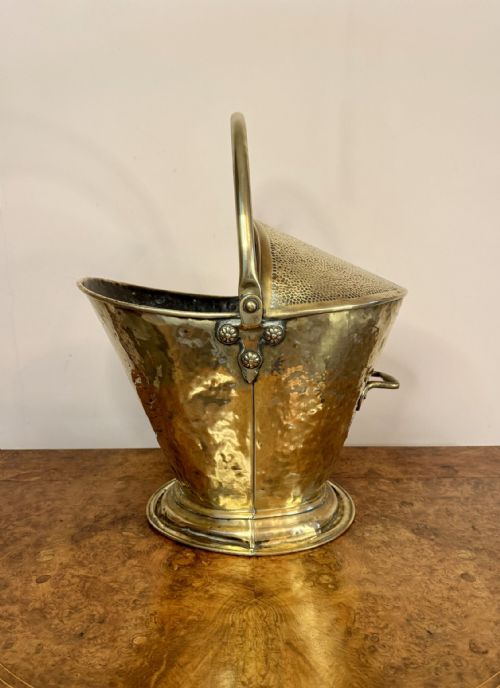
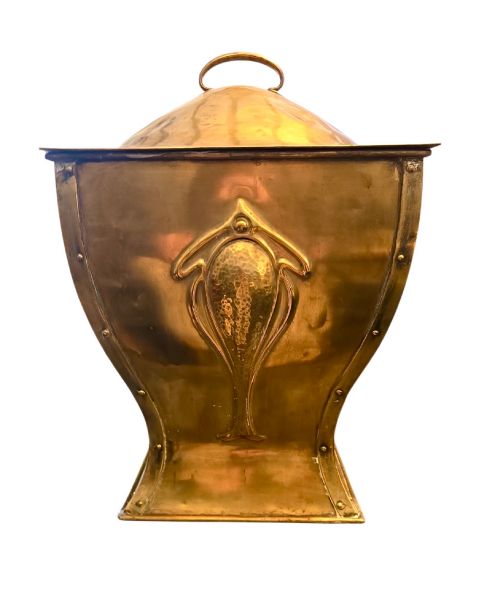
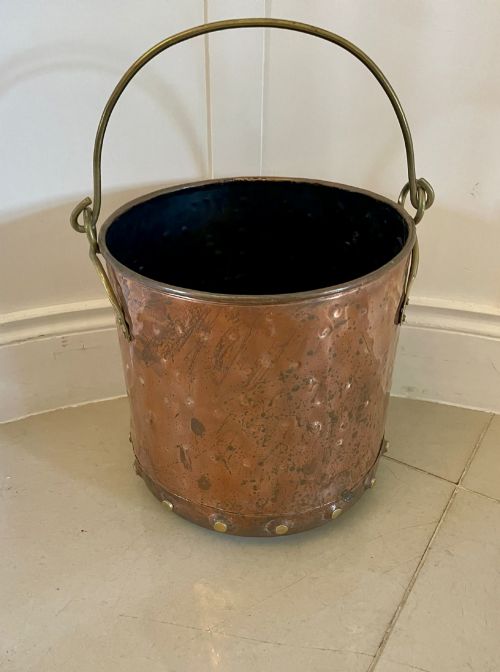
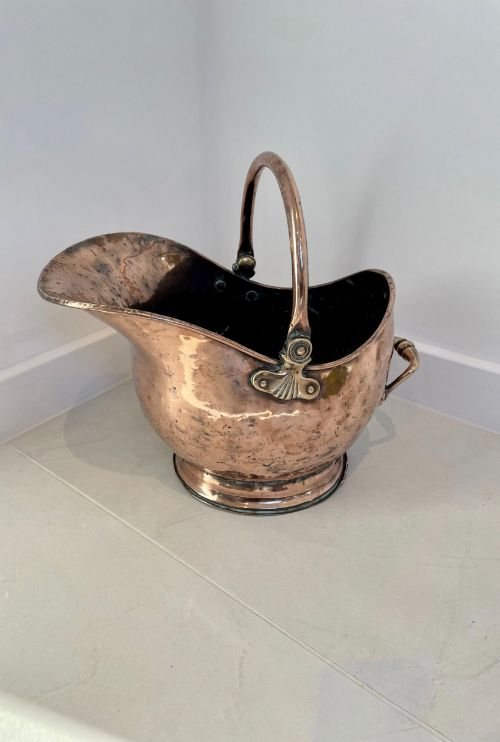
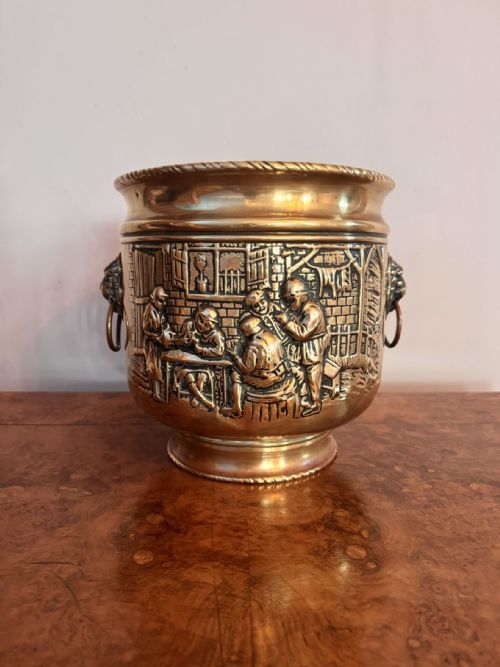
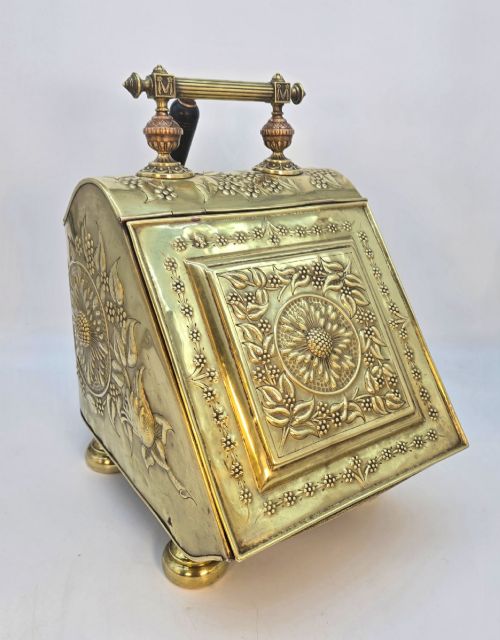
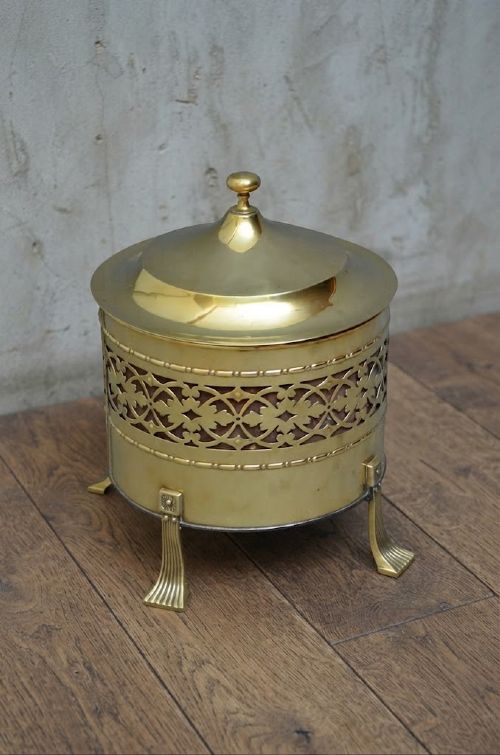
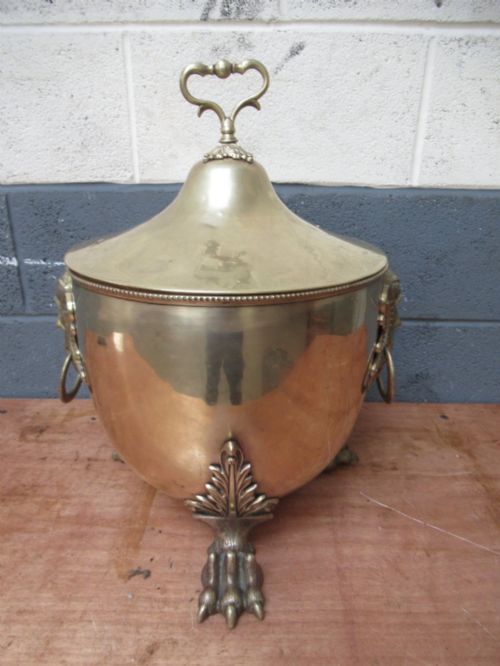
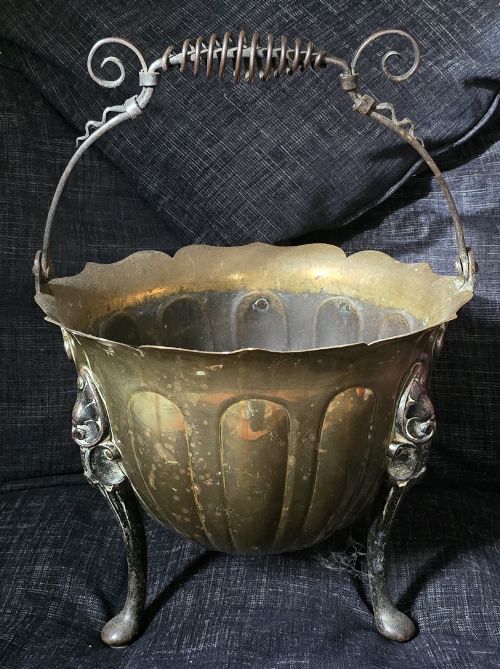
An antique brass coal scuttle takes the form of a helmet, bucket, bin or box designed to store solid fuel beside an open fire. These vessels emerge most frequently from the Victorian and Edwardian periods, with earlier examples stretching back into the Georgian era and later ones reaching the Art Deco period of nineteen thirty.
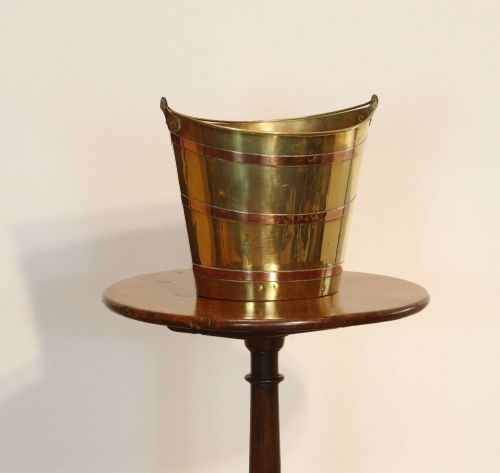
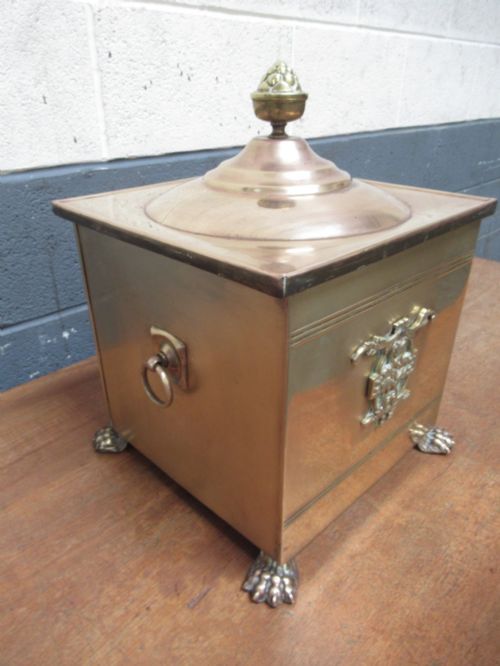
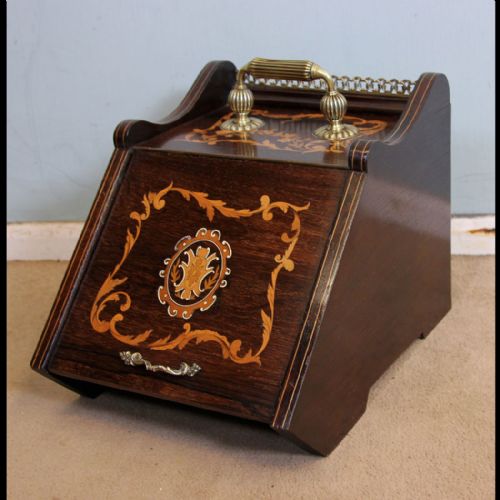
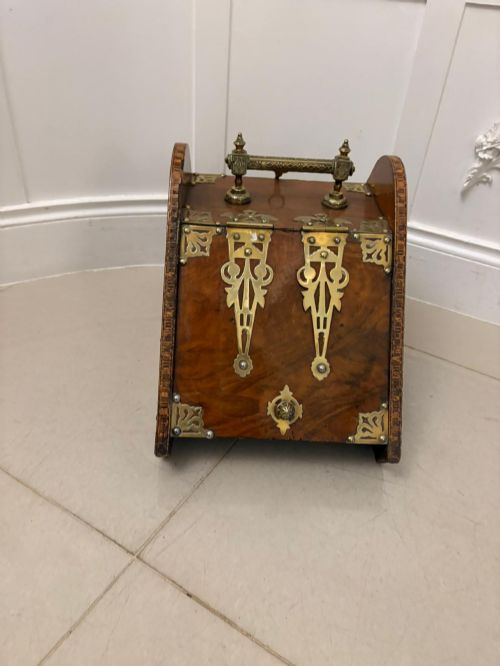
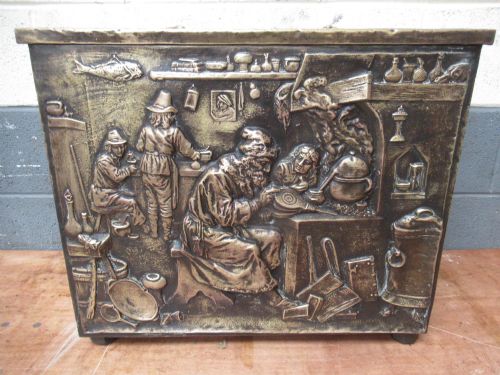
The versions most commonly met on this page combine brass bodies with copper bands, iron fittings, or timber elements such as oak and mahogany. Alongside standard coal scuttles, the selection encompasses log bins, coal buckets, hearth accessories, and occasional dual-purpose planters or jardinières.
Materials and Construction
Makers shaped sheet brass and copper through hammering, embossing, and riveting, frequently mounting the metal bodies upon cast feet or handles. Many examples utilise hand-finished detailing, such as repoussé patterns or applied copper bands secured with visible rivets.
Wooden vessels rely upon traditional coopering techniques, binding staves of oak, mahogany, or walnut with brass hoops to create watertight or sturdy bins. Metal liners often accompany these wooden and brass pieces to contain the weight and debris of coal and logs.
Antique Brass Coal Scuttle Retail Price Guide 2026
Typical asking prices for brass coal scuttle among the pieces listed under this phrase on Sellingantiques today, from the lower quarter to the upper quarter. They describe what is for sale here now, not the wider market.
Listings span the nineteenth and twentieth centuries, uniting Victorian, Edwardian, and Georgian periods through common brass, copper, and oak materials.
Assessing Standard and Detail
The division between standard examples and the finest pieces rests upon the weight of the metal, the crispness of any embossed decoration, and the integrity of the construction. Heavy gauge brass and well-fitted copper banding indicate superior workshops, whereas thin metal yields easily to dents under daily hearth use.
Details such as original swing handles, matching shovels, and robust dovetailed or riveted joints elevate an item. Plain utility vessels differ markedly from pieces bearing Arts and Crafts hammerwork or delicate fretwork designs.
Henry Loveridge·Benham and Froud
The Antique Brass Coal Scuttle Glossary
- Coal scuttle
- A container designed to hold coal for an open fire, often shaped with a sloped mouth or a hinged lid for easy pouring.
- Repoussé
- A metalworking technique where the metal is hammered from the reverse side to form a raised design in relief on the front.
- Coopering
- The traditional method of constructing stave-bound wooden vessels, such as barrels and buckets, held together by metal hoops.
- Jardinière
- An ornamental pot or stand for holding plants or flowers, frequently repurposed from or built identically to coal bins and buckets.
- Toleware
- Lacquered or enamelled sheet metal items produced to mimic Asian lacquerwork, occasionally utilised for fireside coal containers.
Antique Brass Coal Scuttle: Frequently Asked Questions
How do I clean antique brass?
Dust the surface regularly with a soft, dry cloth to prevent the accumulation of soot and grime. Avoid harsh chemical cleaners that strip the historic patina accumulated over decades of hearth use.
If polishing is necessary, use a mild, traditional metal polish applied sparingly with a cloth, taking care not to rub away hand-hammered details or embossed patterns.
Can I still use these for real coal?
Many of these vessels retain their structural integrity and can hold solid fuel beside a working fireplace. Inspect the interior for heavy corrosion or missing liners before loading heavy materials.
Using an internal bucket or liner protects the historic metal from moisture and acidic residues left by damp fuel or ash.
How do I distinguish Victorian from Georgian pieces?
Georgian pieces, often dating from the eighteenth century, tend to feature heavier timber coopering, simple brass banding, and restrained proportions. They reflect the understated elegance of earlier domestic interiors.
Victorian examples frequently display more exuberant ornamentation, including embossed brass, copper combinations, and stylistic influences from the Arts and Crafts movement.