
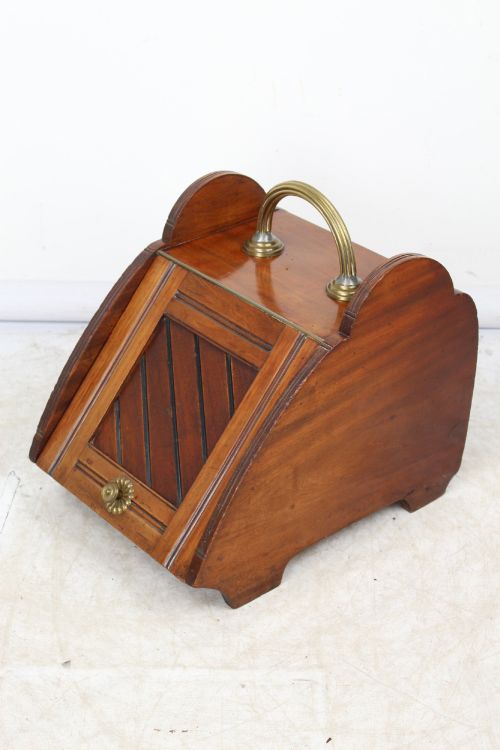
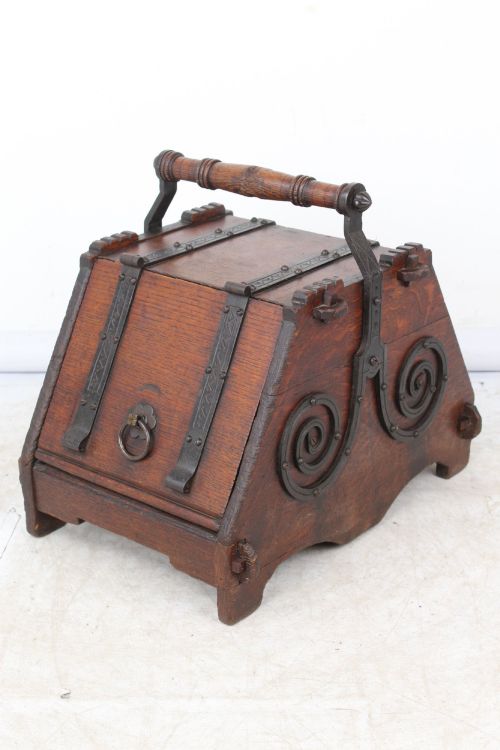
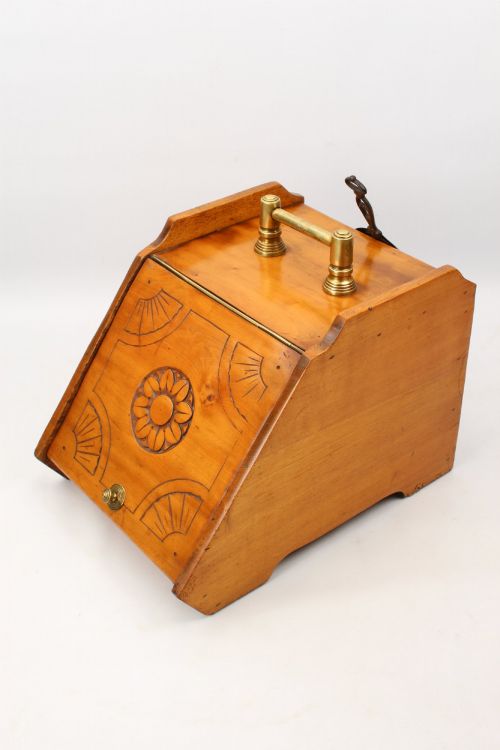


Carved Coal Scuttle
A carved coal scuttle brings hearthside utility into the parlour, offering a heavy timber or brass receptacle for fuel that stays handsome beside the grate.
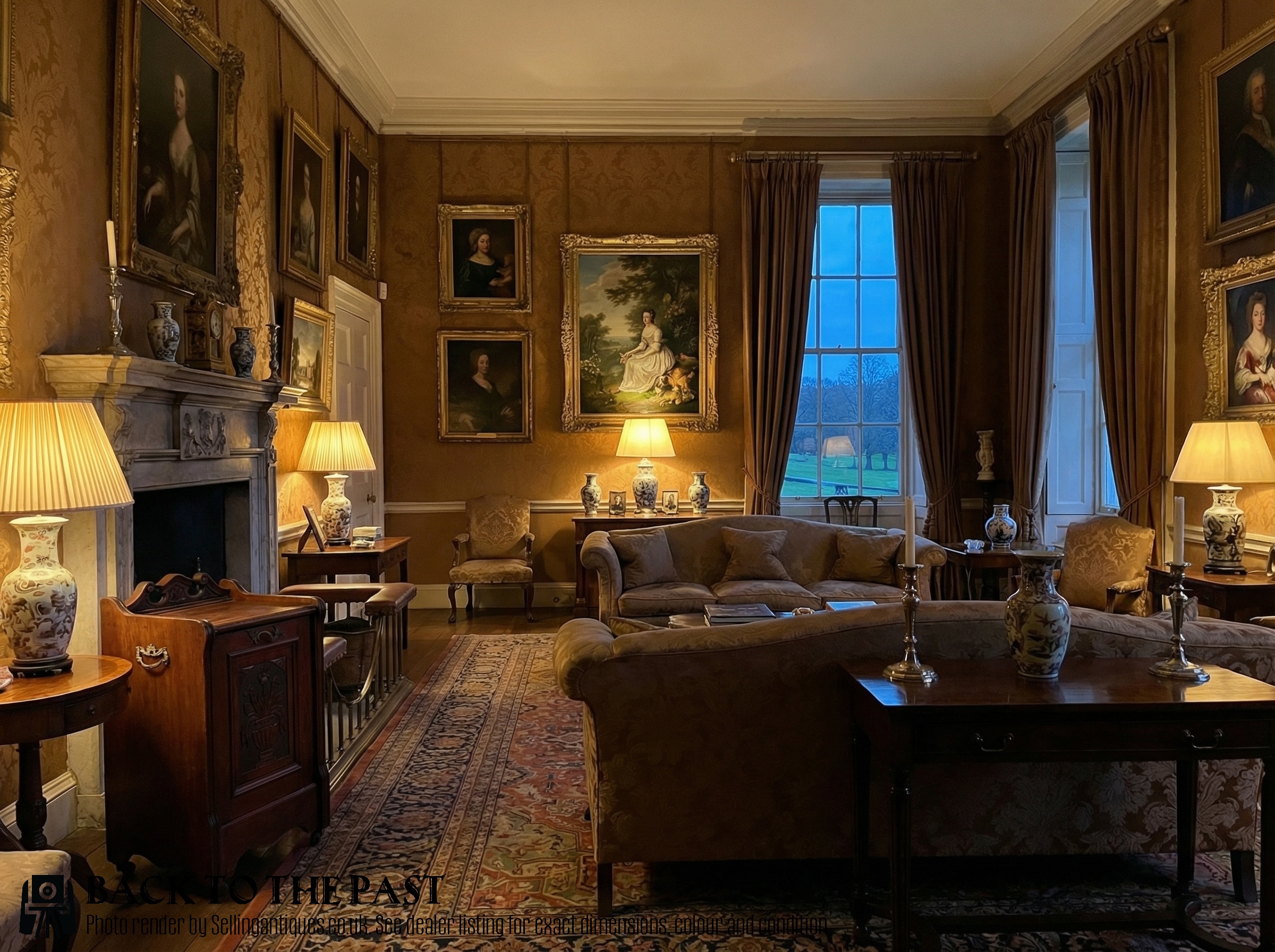
Carved Coal Scuttle
A carved coal scuttle serves as the traditional fireside container for holding coal, featuring decorative timberwork and robust metal fittings. When searching for a carved coal scuttle, buyers encounter Victorian and Edwardian examples fashioned from dense hardwoods like oak, mahogany, and walnut.
These pieces appear in various forms, including drop-front cabinets, lidded boxes, and purdoniums designed to hold a removable metal liner and a matching shovel. The domestic interiors of the nineteenth and early twentieth centuries relied on such containers to keep fuel close at hand without cluttering the hearth.
Most items on this page date from the Victorian and Edwardian eras, displaying stylistic influences ranging from Gothic Revival to Louis XV Revival. The craftsmanship reflects an era when everyday fireside accessories received the same decorative attention as fine furniture.
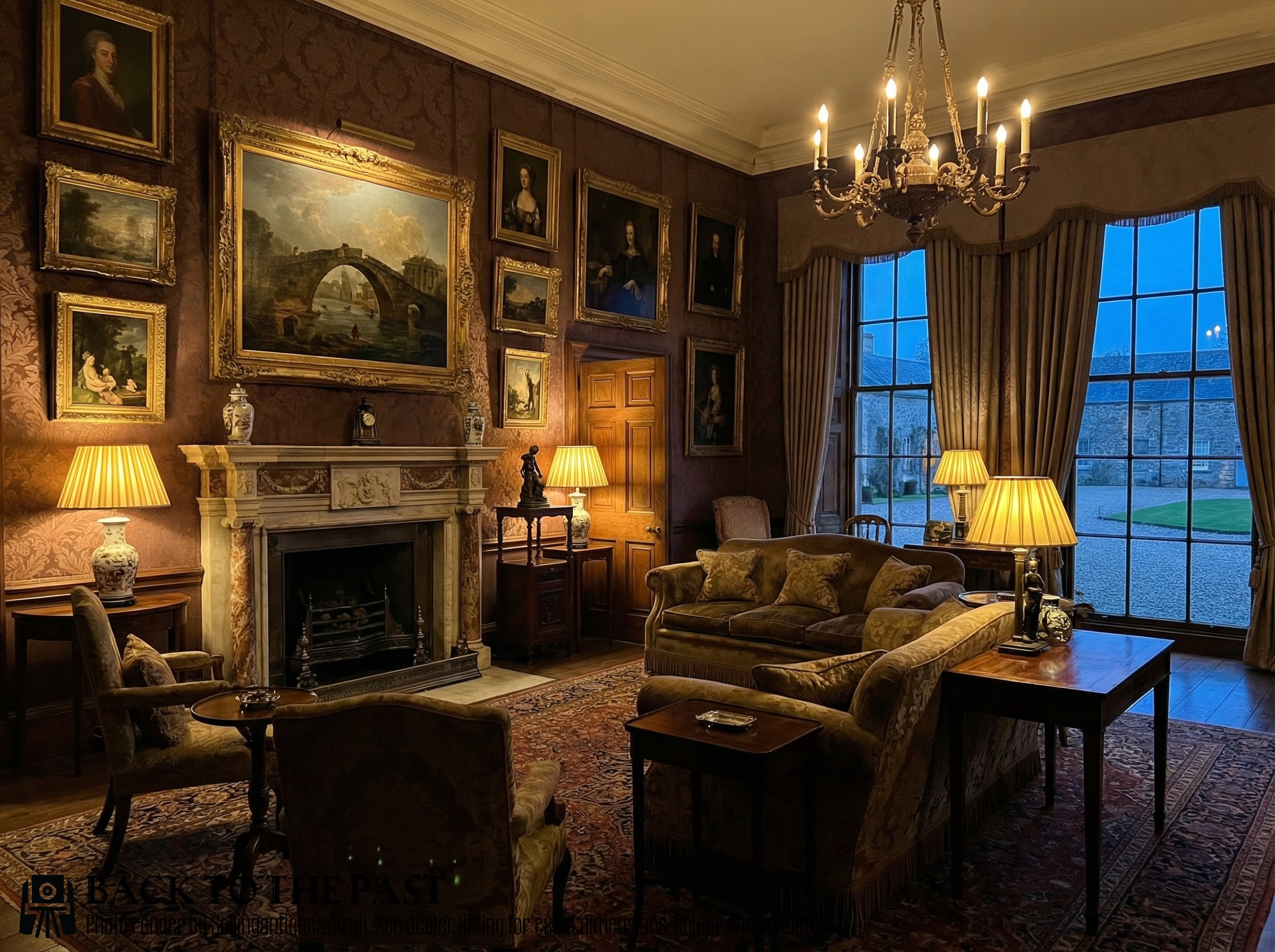
Materials and construction methods
Cabinetmakers built these fireside vessels primarily using solid and veneered hardwoods, notably oak, mahogany, and walnut, often enhanced with pollard oak sections. Relief carving adorned the drop fronts and panels, showing floral, geometric, or Gothic motifs executed by hand.
Metal components played a structural and decorative role, with brass handles, hinges, and mounts secured to the wooden bodies. Many examples incorporated internal metal liners designed to contain coal dust and protect the wood from moisture and heavy use.
The listings show oak, mahogany, and walnut as the primary woods, accompanied by brass and iron hardware across Victorian and Edwardian periods.
Indicators of superior execution
Quality rests in the crispness of the timber carving and the selection of figured wood grains, such as pollard oak or rich mahogany. Superior pieces display thoughtful proportions and harmonious integration of brass handles and mounts.
The presence of original fittings, including the metal liner and matching shovel, elevates a piece significantly. Robust joinery and well-fitted drop-front mechanisms separate fine cabinetwork from utilitarian utility items.
Christopher Dresser
The Carved Coal Scuttle Glossary
- Purdonium
- A specialised coal box or cabinet, often featuring a slanted drop front designed to dispense fuel cleanly. These Victorian and Edwardian units frequently house an internal metal liner.
- Coal Scuttle
- A traditional fireside vessel for carrying and storing coal. Examples range from open metal buckets to lidded wooden boxes fitted with carrying handles.
- Gothic Revival
- An architectural and decorative style popular during the Victorian period. It draws inspiration from medieval design, featuring pointed arches and heavy carved tracery.
- Drop-front
- A hinged panel that folds forward to provide access to the interior storage space. This mechanism is common in coal purdoniums and cabinets.
- Brass Mounted
- Fitted with decorative or structural elements made of brass. These mounts include hinges, handles, and corner brackets that accent the wood.
Carved Coal Scuttle: Frequently Asked Questions
How do I date a wooden coal box?
Dating relies on observing the timber species, construction methods, and stylistic details present in the piece. Victorian examples often show Gothic Revival or heavy carved motifs.
Edwardian pieces tend to display lighter oak or mahogany construction with refined brass hardware. The presence of original metal liners and shovels also helps contextualise the period.
Were these used only for coal?
While primarily built for coal, these versatile fireside containers also stored kindling and logs. Country houses utilised them wherever solid fuel was needed near a fireplace.
Some unusual forms functioned as peat buckets or tea stoves, adapting the basic lidded box format for alternative domestic duties.
How do I maintain the brass fittings?
Brass mounts and handles benefit from gentle cleaning to preserve their metallic sheen without stripping the aged patina. Avoid harsh chemical cleaners that can damage the surrounding antique wood.
A soft cloth and mild polish keep the metal accents bright while respecting the historical integrity of the piece.