


Carved Wooden Coal Scuttle
A carved wooden coal scuttle brings hearthside utility into a traditional interior through robust timber and metal fittings.

Carved Wooden Coal Scuttle
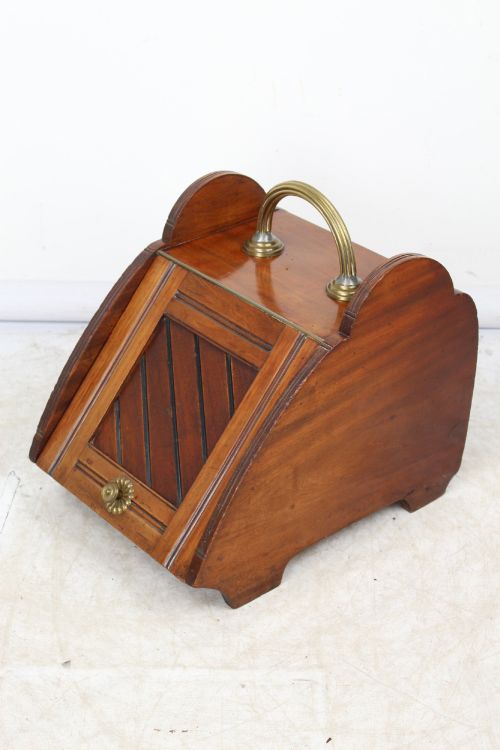
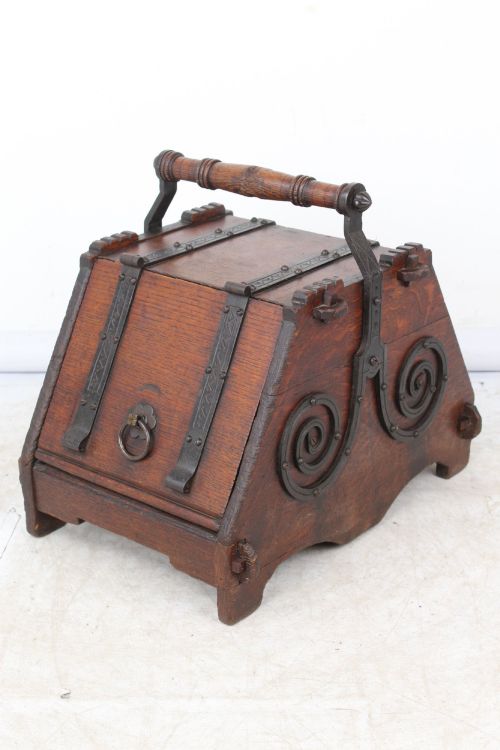
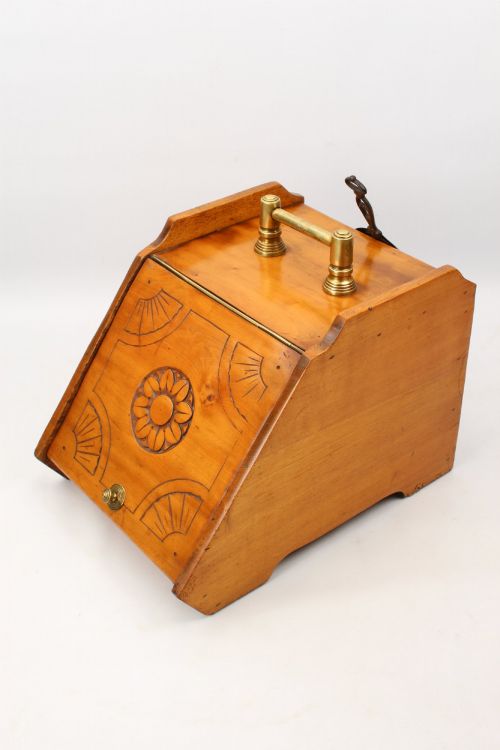
A carved wooden coal scuttle is a fireside accessory designed to hold solid fuel close to the grate. When you search for a carved wooden coal scuttle, you encounter utilitarian containers made to sit beside nineteenth-century hearths.
Oak and mahogany dominate the offerings, occasionally supplemented by walnut and pollard oak. These timbers provide the structural weight required for daily fireside service.
What varies in quality
The depth and execution of the carved decoration distinguish standard utilitarian boxes from finer parlour examples. Crisp relief carving on walnut or pollard oak indicates a higher standard of workshop production.
The integration of substantial brass mounts, original metal liners, and matching shovels elevates the integrity of a piece. Robust construction of the internal mechanism in purdonium cabinets separates superior items from simpler storage boxes.
The listings on this site span the Victorian and Edwardian periods, utilising oak, mahogany, walnut, brass, and iron.
Christopher Dresser
The Carved Wooden Coal Scuttle Glossary
- Purdonium
- A specialised coal cabinet featuring a hinged sloping front designed to dispense fuel cleanly at floor level. These containers often incorporate internal metal liners and dedicated slots for fireside shovels.
- Coal box
- A lidded timber container built to store solid fuel beside the fireplace. These rectangular receptacles rely on top-opening lids rather than tilting fronts.
- Pollard oak
- A decorative timber derived from the trunk growth of pruned oak trees, exhibiting dense and mottled figuring. Cabinetmakers selected this wood for its distinctive appearance on prominent furniture surfaces.
- Gothic Revival
- An architectural and decorative style drawing inspiration from medieval forms, characterised by pointed arches and robust geometric carving. This aesthetic appears on Victorian fireside accessories to impart ecclesiastical gravity.
Carved Wooden Coal Scuttle: Frequently Asked Questions
What is a purdonium?
A purdonium is an enclosed wooden coal box featuring a slanted front flap that tilts forward for easy fuel retrieval. These cabinets often house a removable metal liner to contain coal dust and prevent moisture from damaging the surrounding timber.
They emerged in the nineteenth century as a refined alternative to open buckets, keeping the hearth area tidy in formal drawing rooms.
How do I use a coal scuttle?
These containers sit beside the fireplace to keep solid fuel accessible for tending the fire. The internal metal liner lifts out independently, allowing you to carry it outside for refilling without moving the heavy wooden outer case.
Matching shovels, stored in dedicated side compartments or on brackets, transfer the fuel directly into the grate.
How do I date these pieces?
Dating relies on stylistic markers and timber choices associated with specific nineteenth and early twentieth-century eras. Victorian examples frequently display heavy Gothic Revival carving or elaborate brass mounts, while Edwardian versions often lean towards cleaner Edwardian lines in oak or mahogany.
Hardware construction and the presence of original metal components also help anchor a piece within its period.
Where should I place it?
A carved coal scuttle belongs beside an active fireplace or wood-burning stove to serve its original practical purpose. The rich tones of oak, walnut, and mahogany also allow these boxes to function as decorative storage beside bookshelves or in hallways.
Keep wooden items away from direct, continuous extreme heat sources to protect the natural timber from drying out.