
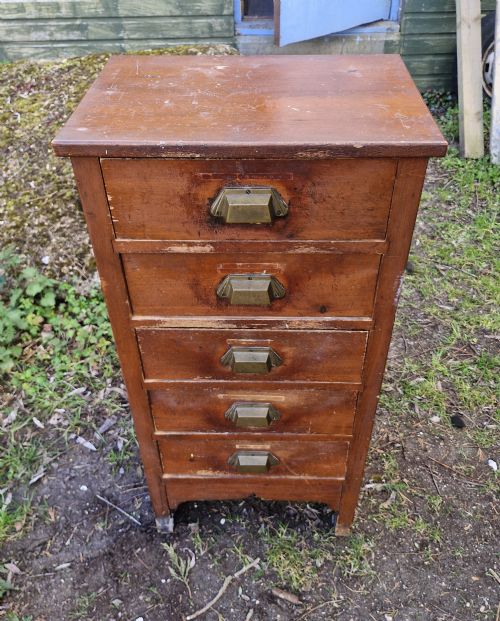

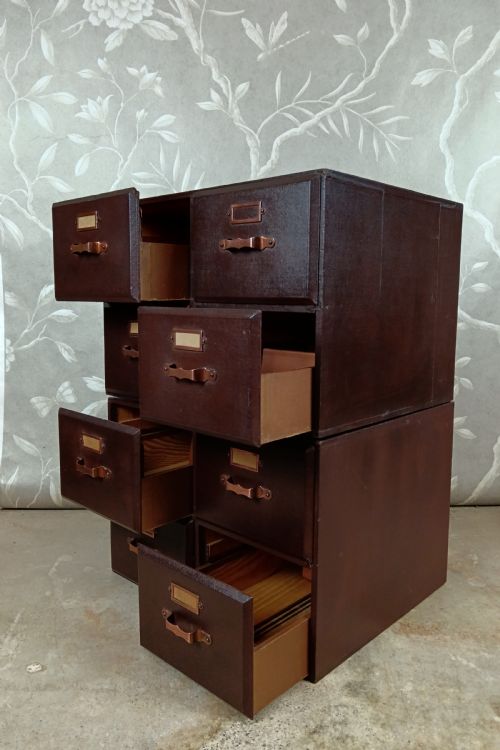


Antique Index Drawers
Antique index drawers organise papers, small components and correspondence with compartmentalised precision.
Antique Index Drawers
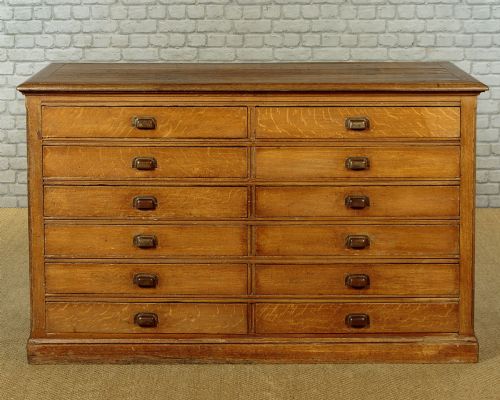
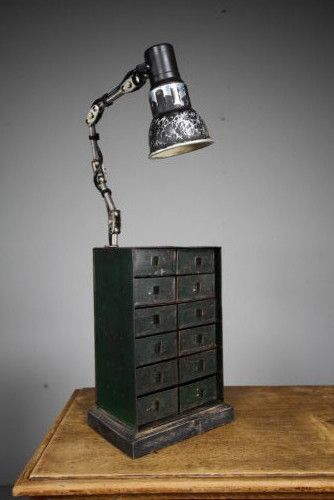
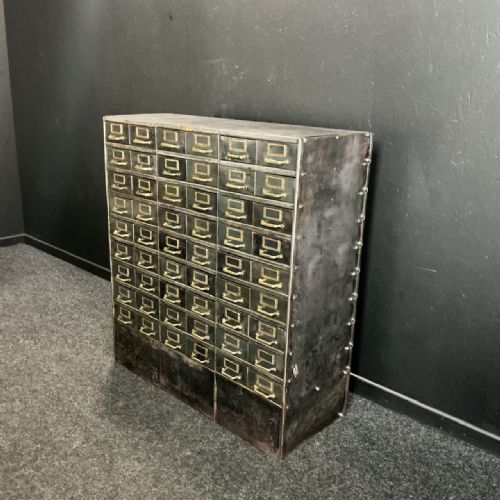
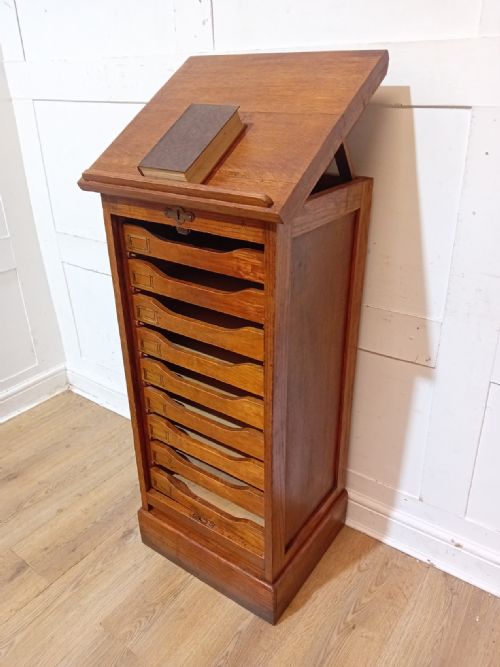
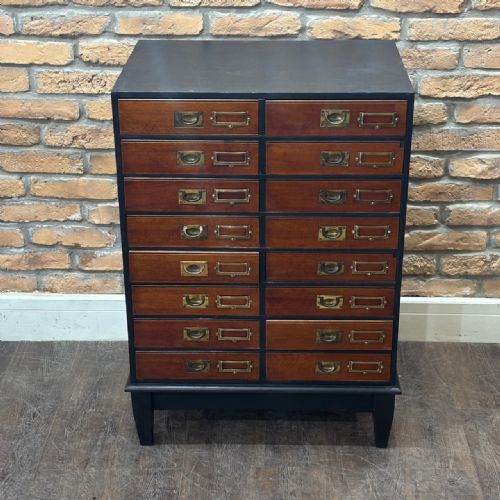
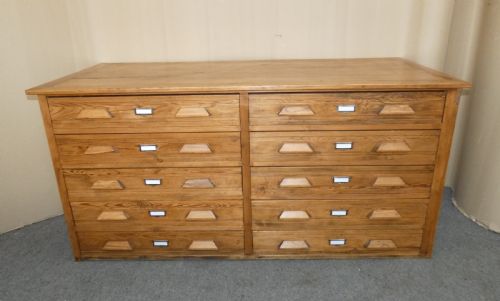
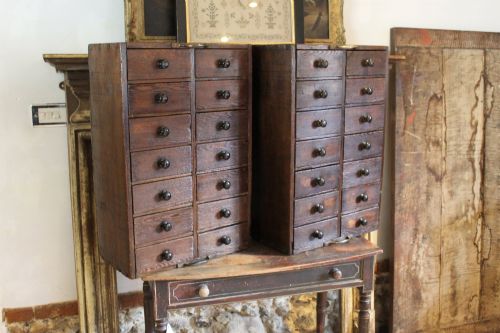
When you search for antique index drawers, you encounter banks of small compartments originally designed for offices, libraries, workshops and retail counters. The most frequent examples on this page date from the Victorian, Edwardian and early twentieth-century periods, taking the form of multi-drawer filing cabinets, haberdashery units and desktop card indexes.
These pieces originate from commercial and domestic workspaces, constructed to house correspondence, ledgers, watch parts and cabinet cards. Woods such as oak, mahogany, walnut and pine dominate the selection, often accompanied by dedicated filing mechanisms like patent letter files or tambour fronts.
Materials and Construction
Cabinetmakers built these banks using sturdy timbers like oak, mahogany and walnut for primary structures, with pine frequently utilised for internal drawer construction. Dovetail joints secure the corners of the drawers to withstand repetitive daily pulling.
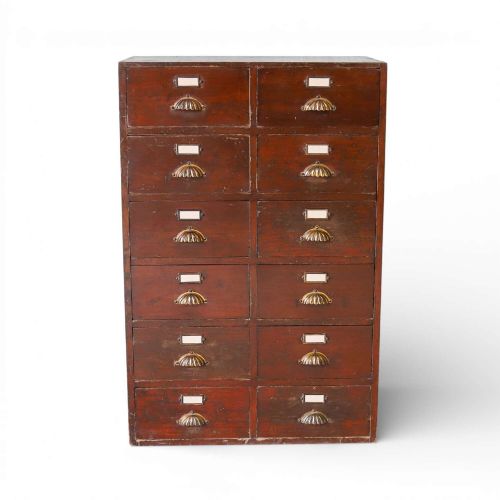
Hardware forms an integral part of the fabrication, featuring brass pull handles integrated with paper label holders to identify contents. Patent locking systems, tambour doors and leather accents occasionally supplement the standard timber framing.
Listings feature pieces spanning the Victorian period through the 1930s, constructed in oak, mahogany, walnut, pine, beech, brass and steel.
Build and Detail
Superior examples distinguish themselves through dense hardwoods, generous scale and intact original hardware such as brass shell pulls and dedicated label holders. Multi-drawer configurations with specialised mechanical functions, such as patent letter filing systems or tambour fronts, elevate the standing of a piece.
Simpler workshop or office variants executed in pine or beech occupy a more utilitarian tier. The presence of matching sets, paired units and documented maker branding further separates exceptional specimens from standard commercial output.
D Napier And Sons·Brady·Shannon
The Antique Index Drawers Glossary
- Cartonniere
- A desktop cabinet containing a series of horizontal pigeonholes or drawers designed for filing papers. These French storage pieces often incorporate leather-bound drop-fronts.
- Tambour
- A flexible door constructed from narrow vertical strips of wood glued to canvas, allowing it to slide smoothly around a curved track to enclose a cabinet.
- Shell pull
- A semi-circular stamped metal or brass handle shaped like a scallop shell, frequently incorporating a slot for a paper index label.
- Haberdashery cabinet
- A multi-drawer display unit originally utilised in drapery shops to organise small sewing accessories, ribbons and buttons behind glass or timber fronts.
Antique Index Drawers: Frequently Asked Questions
What were antique index drawers used for?
These cabinets served offices, libraries and shops to sort correspondence, index cards, patterns and small hardware components. Each small drawer kept specialist items catalogued and accessible.
Businesses relied on these compartmentalised banks before digital filing systems replaced physical paper storage. Today they continue to organise stationery and collectables in domestic spaces.
How do I date an index cabinet?
Examine the timber species, construction joints and hardware styles to determine the era. Edwardian and Victorian pieces often display solid oak or mahogany frames with dovetailed drawer boxes.
Patent labels, brass shell pulls and manufacturing stamps also help narrow down the production decade. Simpler pine and beech utility versions typically point toward later twentieth-century production.
How do I clean wooden index drawers?
Dust the exterior surfaces gently with a dry, soft cloth to remove surface particles. Avoid harsh chemical sprays that can strip historic polishes and finishes.
Feed dry timbers occasionally with a traditional beeswax polish applied sparingly. Clean inside the small compartments using a soft brush to clear out accumulated dust from old paper.
Can I use these cabinets for modern paperwork?
Many index drawer units accommodate modern index cards, photographs and craft supplies perfectly. Card filing sets and desktop drawers suit contemporary office organisation.
Check the internal dimensions of the individual compartments before storing standard modern paper sizes. Some antique filing configurations were tailored for historical paper formats.