
Antique File Chest
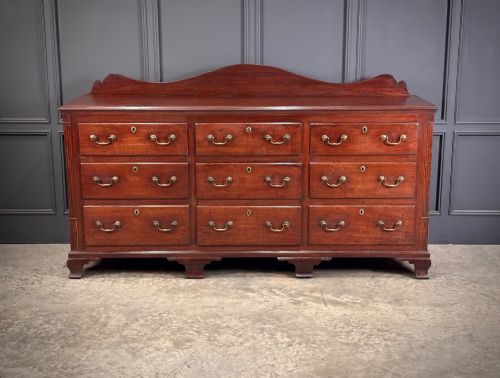
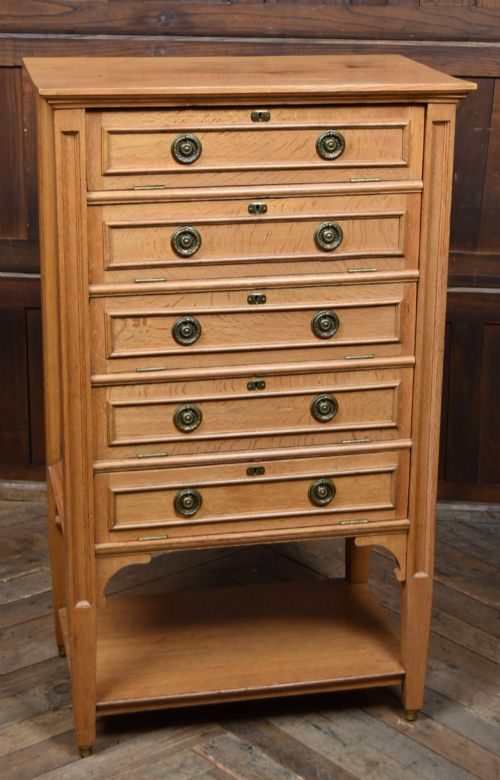
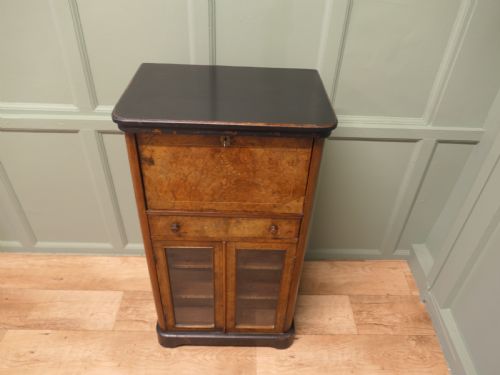
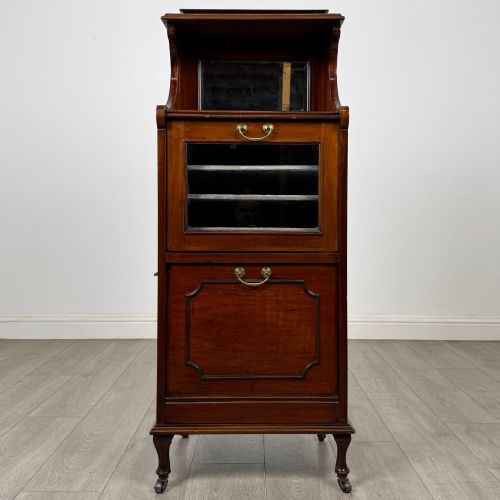
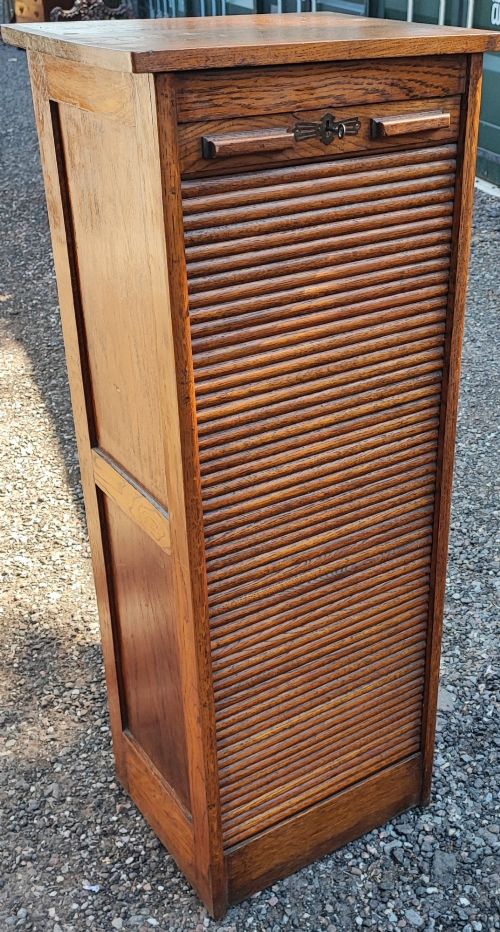
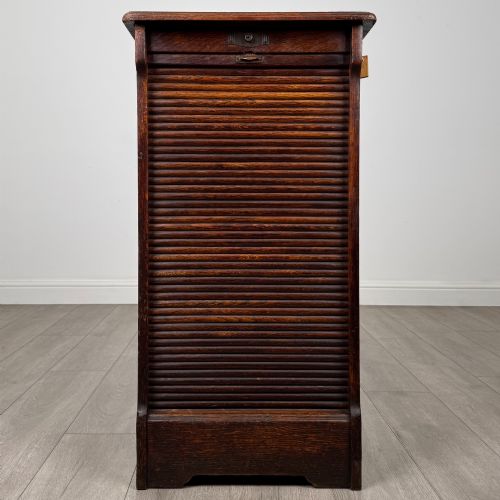
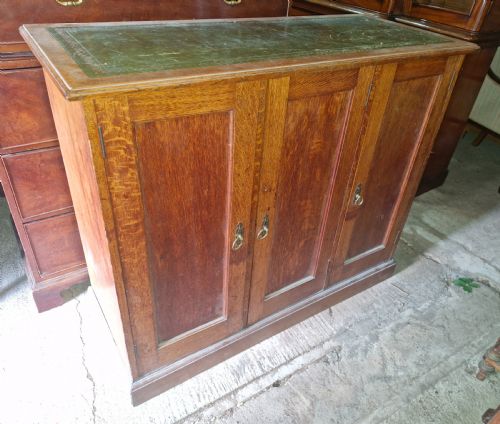
An antique file chest offers serious storage with period character, appearing here in forms from multi-drawer banks to tambour-front cabinets.
Antique File Chest
When you search for an antique file chest, you meet robust office furniture, music cabinets, and banks of drawers designed for systematic storage. These pieces originate from the eighteenth century through the early twentieth century, spanning Georgian, Victorian, Edwardian, and Arts and Crafts eras.
Materials and construction
Cabinetmakers utilised durable timbers such as mahogany, oak, walnut, pine, teak, and rosewood, often pairing them with brass handles, hinges, and label holders. Selected pieces incorporate leather surfaces, glass panels, or satin birch details to accent the primary wood.
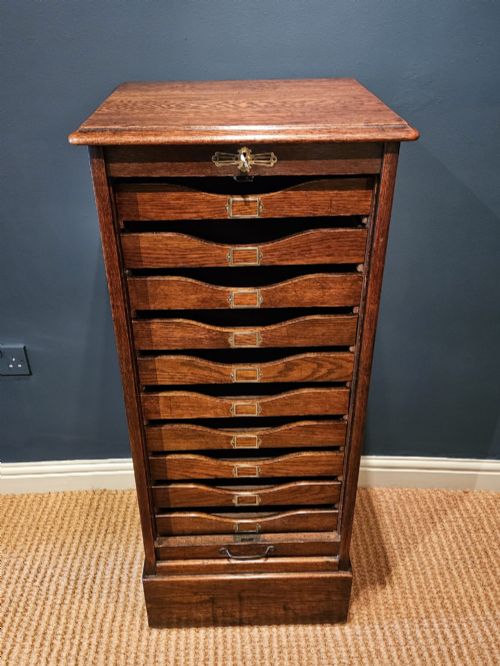
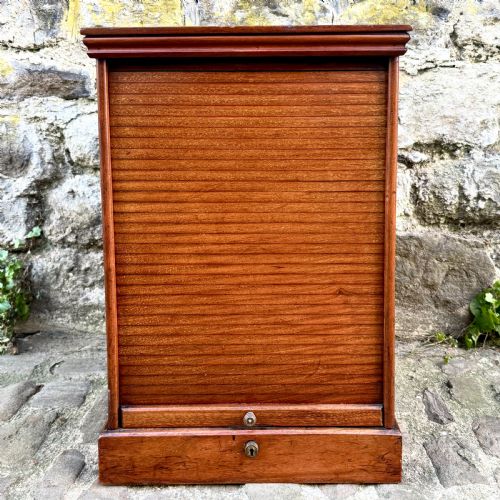
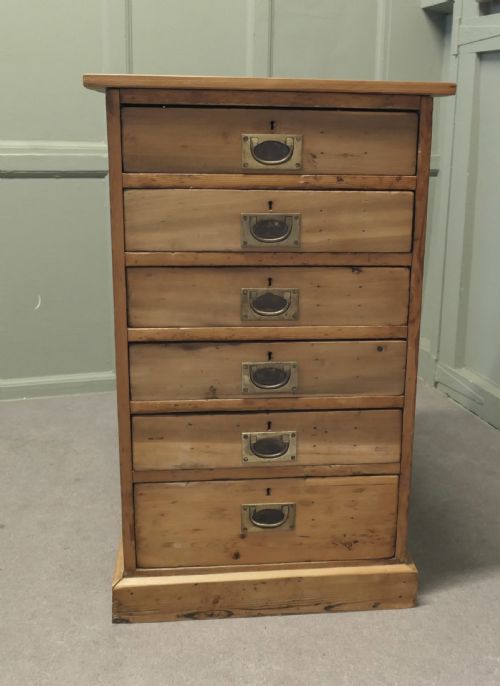
Construction techniques include slatted tambour fronts that slide smoothly around a track, campaign styling with inset brass fitments, and multi-drawer carcases built to withstand heavy daily use in offices and workshops.
Musicians once kept their sheet music organised in dedicated filing cabinets before office workers repurposed the clever cabinetry for letters.
Factors determining quality
Quality rests upon the selection of timber, the integrity of the joinery, and the presence of original hardware such as brass pulls and label holders. Examples retain greater interest when their mechanical components, including tambour doors or patent filing systems, operate correctly.
Finer pieces display thoughtful proportions, such as well-figured mahogany or quarter-sawn oak, alongside secondary woods that show careful internal lining. The survival of an unpainted, original surface finish separates standard utility pieces from superior examples.
The Antique File Chest Glossary
- Tambour front
- A flexible shutter door constructed from narrow strips of wood glued to a canvas backing, allowing it to slide around a curved track to enclose a cabinet.
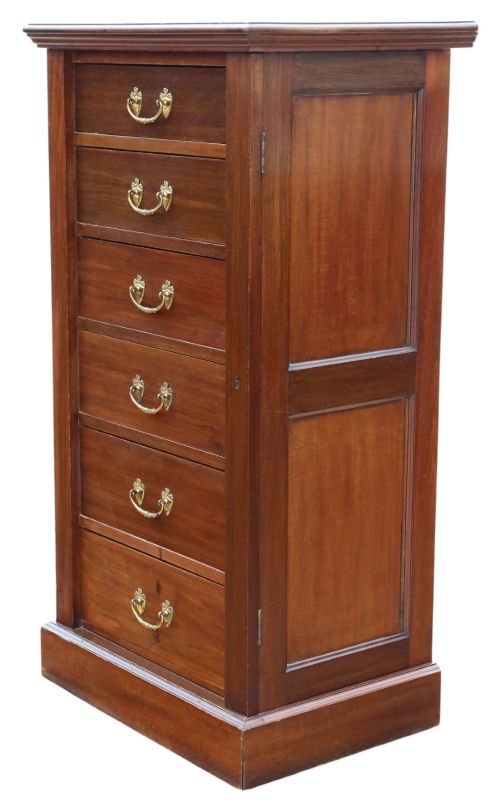
- Wellington chest
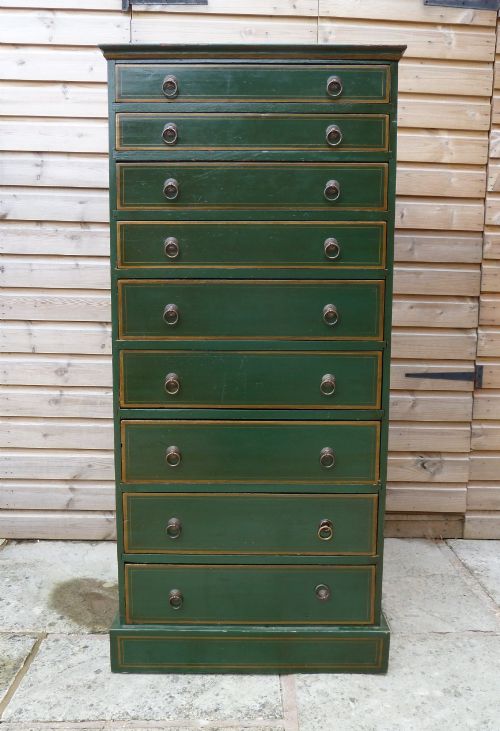
- A tall, slender chest of drawers secured by a hinged vertical locking bar on one side that fastens with a padlock or key.
- Bank of drawers
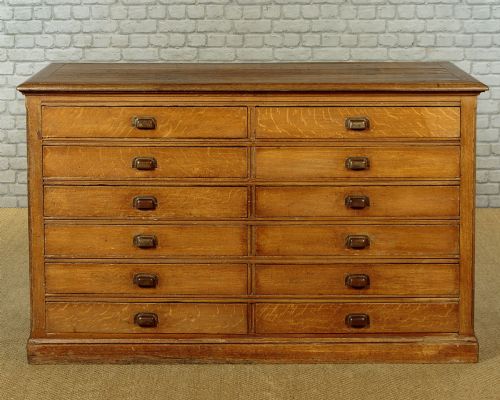
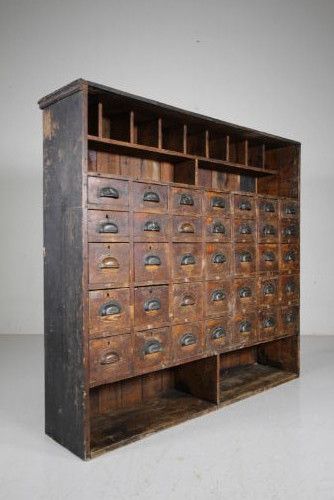
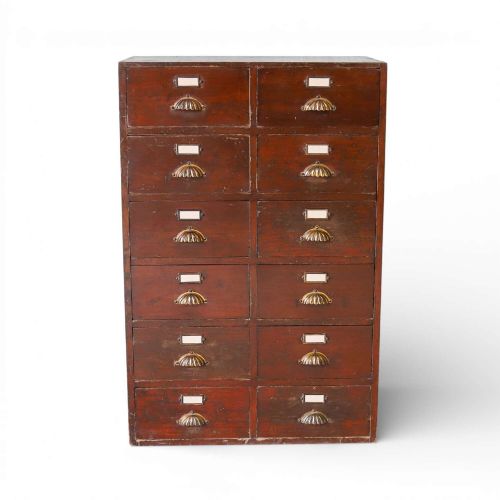
- A multi-drawer storage unit designed for commercial, workshop, or office use, holding large quantities of documents or small items.
- Cartonnier
- A piece of French furniture fitted with multiple stationary compartments or shallow drawers intended for storing papers and files.
- Campaign filing cabinet
- Portable modular furniture built in sections with recessed brass handles and corner brackets designed for easy transport.
Antique File Chest: Frequently Asked Questions
How do I date an antique file chest?
Dating relies upon examining the secondary timbers, construction methods, and hardware styles visible on the piece. Periods range from eighteenth-century mahogany banks of drawers to Edwardian oak tambour units and 1920s office cabinets.
Hardware offers specific clues, as original brass pulls, campaign brackets, and patent labels align closely with Victorian, Edwardian, and early twentieth-century manufacturing practices.
What is a tambour front file chest?
A tambour front file chest uses a sliding slatted wooden door that tracks around the side of the cabinet to conceal the interior filing space. This clever mechanism saved floor space in busy Edwardian offices.
These flexible doors require careful handling and checking to ensure the wooden slats slide freely along their internal grooves without jamming.
Can I use an antique file chest for modern paper?
Many period file chests, music cabinets, and multi-drawer banks accommodate modern paper sizes, though internal drawer dimensions vary by era. Standard A4 documents fit comfortably in many Edwardian and early twentieth-century filing drawers.
Measuring the internal width and depth of individual drawers before purchase ensures your documents, art, or paperwork will sit flat inside the chosen cabinet.
What woods were used for file chests?
Cabinetmakers built these storage units in robust timbers selected for durability and appearance, predominantly oak and mahogany. Walnut, rosewood, teak, and pine also appear across various styles.
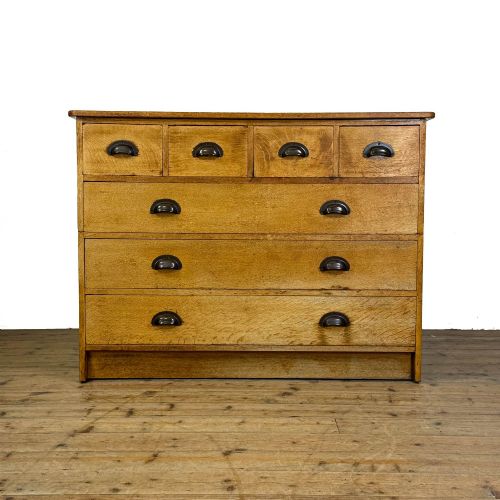
Softer woods like pine frequently served for workshop drawers or painted office furniture, while figured mahogany and burr walnut were reserved for finer domestic or library pieces.