
Vintage Filing Drawers
These vintage filing drawers offer practical storage with period character, ranging from robust industrial banks to refined mahogany cabinets.
Vintage Filing Drawers
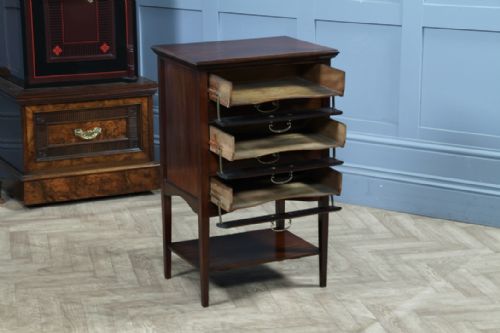
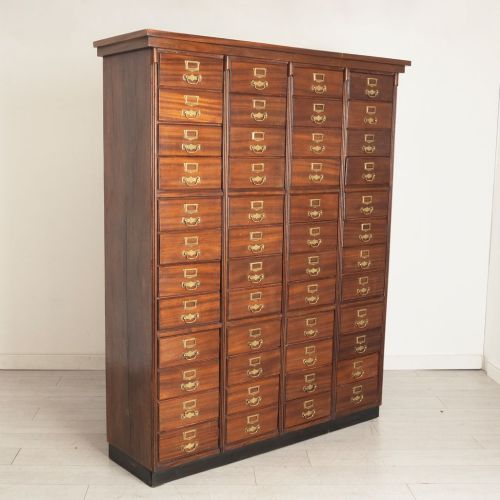
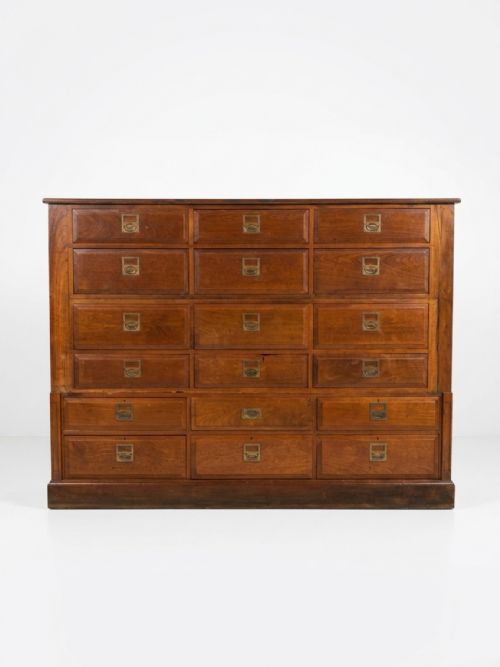
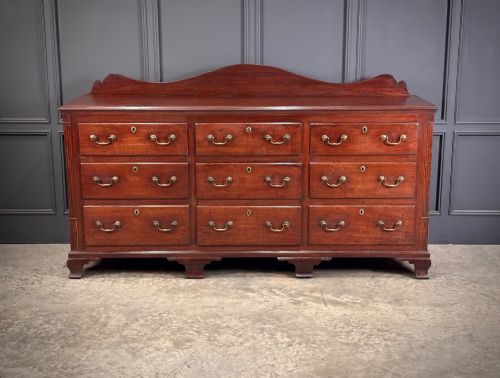
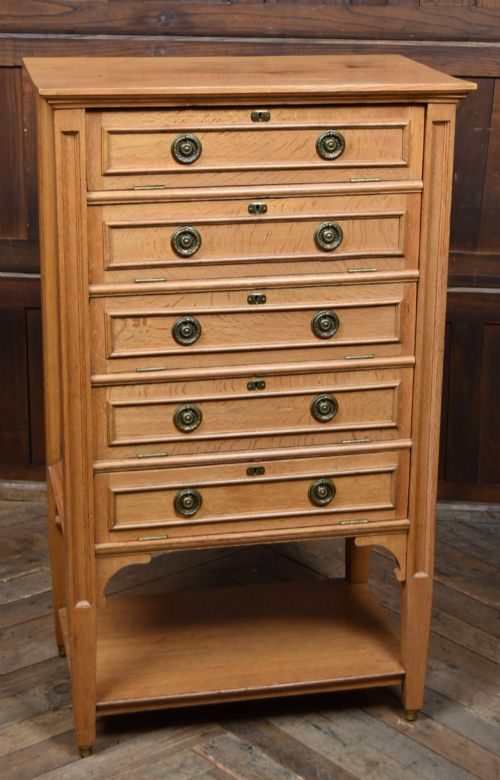
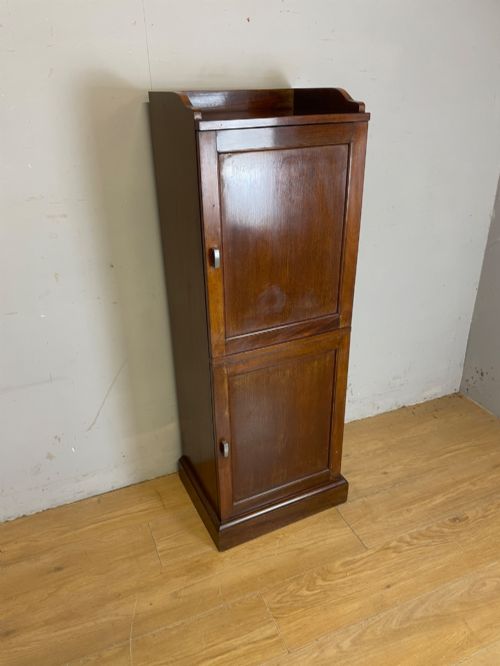
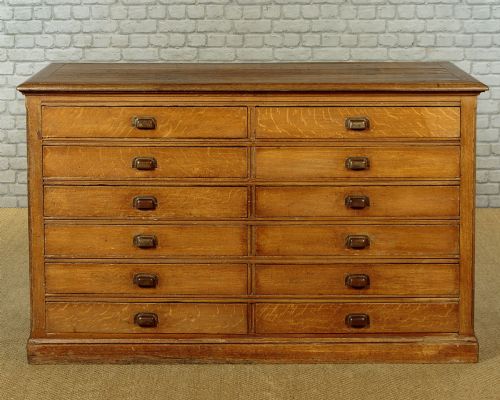
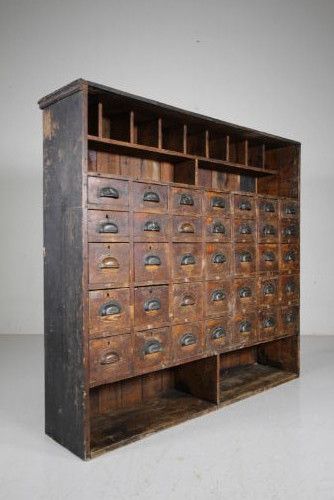
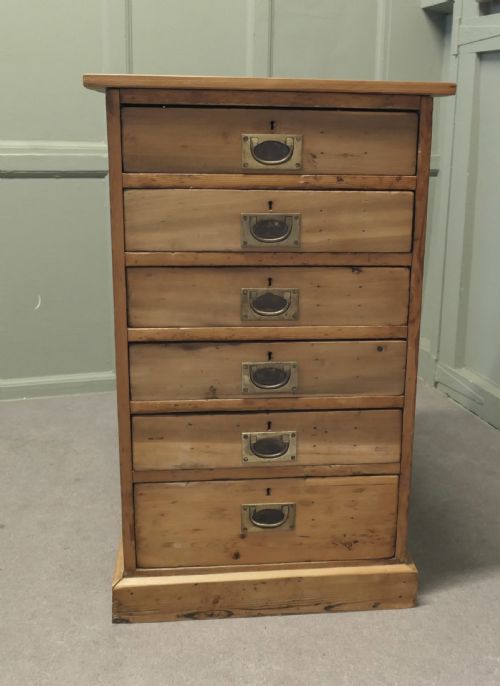
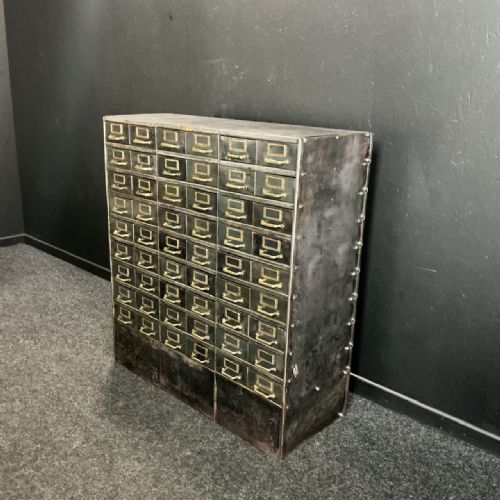
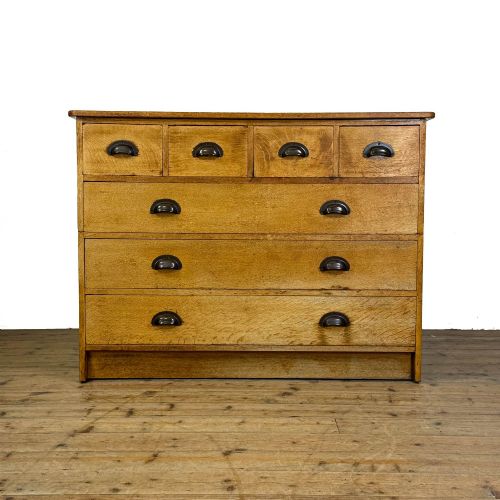
Vintage filing drawers encompass a diverse array of modular storage forms designed for organising documents, music, and correspondence. When exploring vintage filing drawers, buyers frequently encounter Edwardian oak examples alongside robust industrial banks and multi-drawer pine chests.
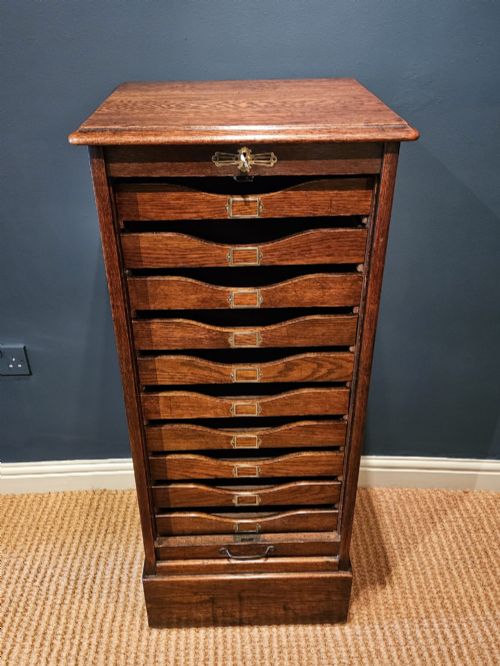
The material selection spans dense hardwoods like mahogany and walnut alongside utility timbers such as pine and oak, often paired with metal hardware. Common configurations include tambour fronts, plan chests, and narrow banks of drawers originating from the nineteenth and early twentieth centuries.
Originating from offices, libraries, and workshops, these pieces combine utilitarian function with traditional cabinet-making. Surviving examples reflect periods from the Georgian era through to the mid-twentieth century, showing influences from Arts and Crafts to industrial design.
How they were made
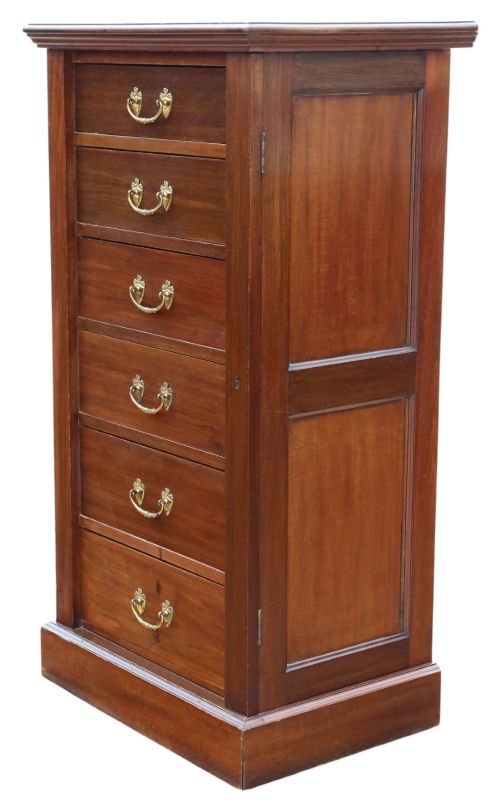
Cabinet-makers constructed these pieces using solid timbers like oak, mahogany, teak, and pine, frequently reinforced with iron and steel mechanisms. Drawers often feature traditional joinery, housing brass pull handles and metal label holders designed for daily office use.
Listings feature pieces spanning from the 18th century through to the 1950s, constructed in oak, mahogany, pine, teak, steel, and iron.
What varies in quality
The standard of construction differentiates standard utility office furniture from finer domestic or architectural pieces. Timber selection dictates much of the appeal, with figured mahogany and quarter-sawn oak sitting above painted or utilitarian pine alternatives.
Completeness of original hardware, including brass shell pulls, label holders, and functional patent locking mechanisms, elevates an example. The integrity of internal partitioning and the smoothness of drawer action demonstrate the original maker's skill.
The Vintage Filing Drawers Glossary
- Tambour front
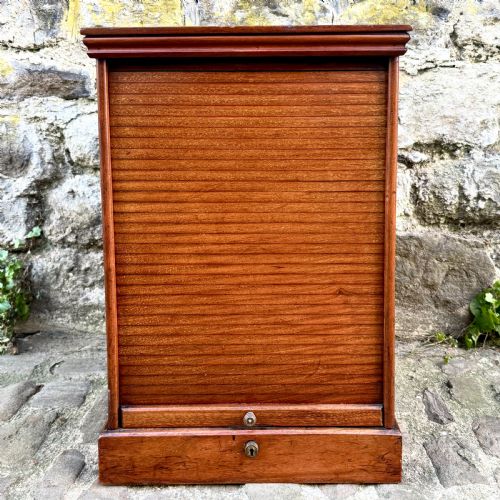
- A flexible shutter door formed of narrow strips of wood glued to canvas, allowing access to internal filing slots while sliding smoothly around a curved track.
- Plan chest
- A wide, shallow multi-drawer cabinet originally designed for storing architectural blueprints and large maps flat.
- Wellington chest
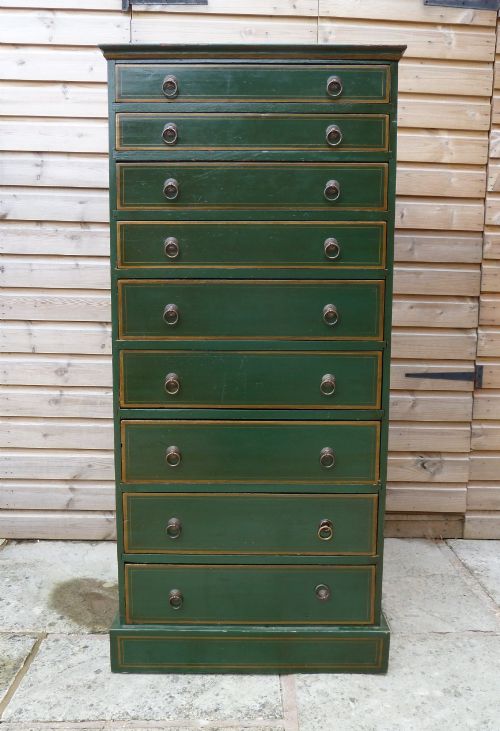
- A tall, narrow chest of drawers secured by a hinged locking side stile that fastens with a padlock or key.
- Bank of drawers
- A large stack or multi-section set of numerous small drawers intended for intensive sorting and filing work.
- Shell pull
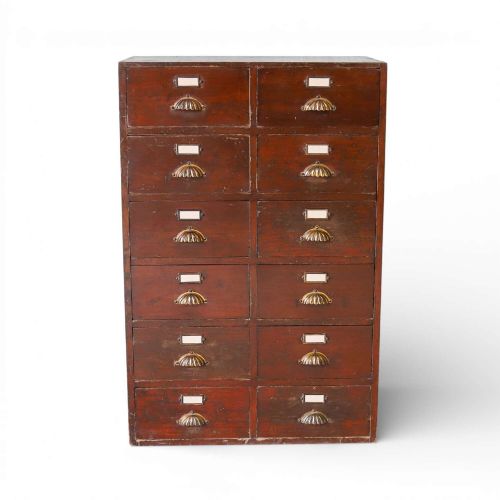
- A stamped brass or iron handle shaped like a semi-circular shell, commonly incorporating a slot for a paper index label.
Vintage Filing Drawers: Frequently Asked Questions
What are vintage filing drawers?
Vintage filing drawers are historical storage units built for offices, libraries, and workshops to organise papers and documents.
They range from compact oak table-top cabinets to large multi-drawer industrial banks made from timber and metal.
How were filing drawers used originally?
Businesses and institutions utilised these cabinets to sort correspondence, architectural plans, library cards, and business ledgers.
Specialist internal fittings like pigeon holes and patent mechanisms helped clerks keep paper systems organised.
How do I date a filing cabinet?
Dating relies on observing timber choices, construction techniques, hardware styles, and patent dates marked on the metal fittings.
Victorian and Edwardian pieces often display distinct polished hardwoods, whereas 1920s examples lean towards industrial oak and steel.
Are these drawers suitable for modern paper?
Many historical drawers accommodate modern paper sizes, though older shallow plan chests and card indexes suit smaller formats or display.
Buyers should check internal drawer dimensions to ensure their specific documents or items will fit comfortably inside.
How do I care for wooden filing drawers?
Maintain wooden surfaces by keeping cabinets away from direct heat sources and sudden changes in relative humidity.
Apply occasional suitable wax to nourish hardwood and pine finishes while keeping metal runners and pulls clean.