


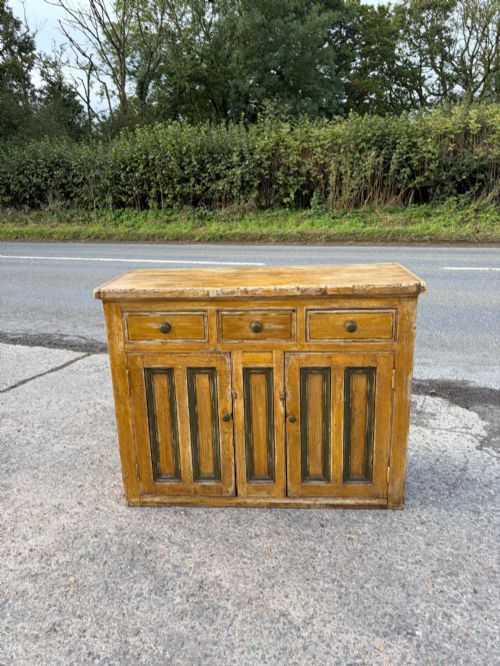
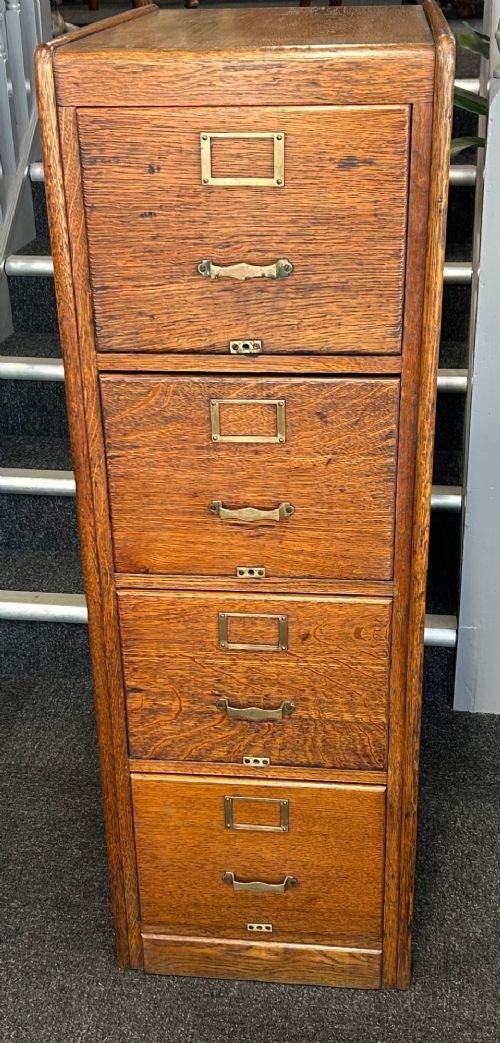
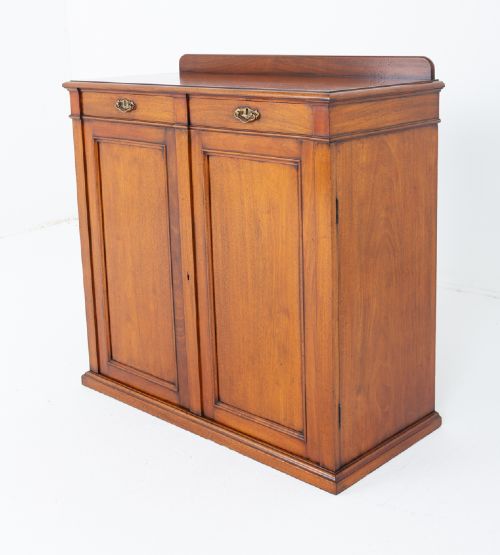
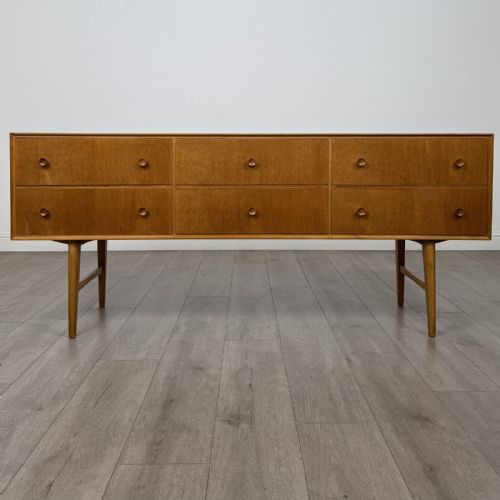
Vintage Drawer Unit
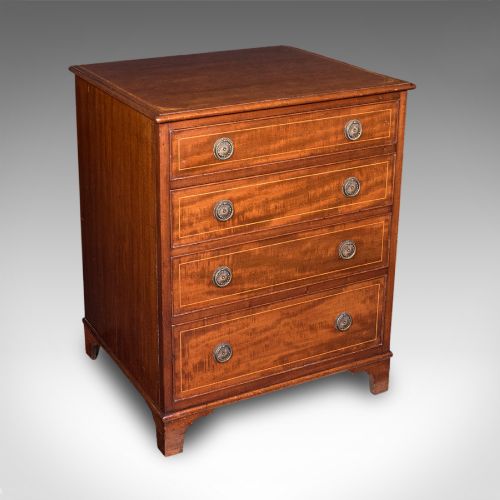
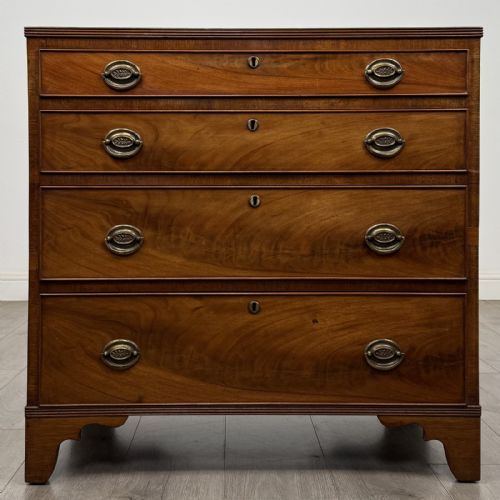
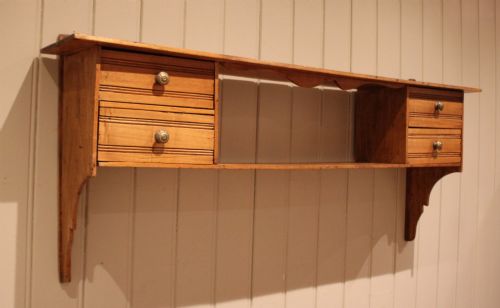
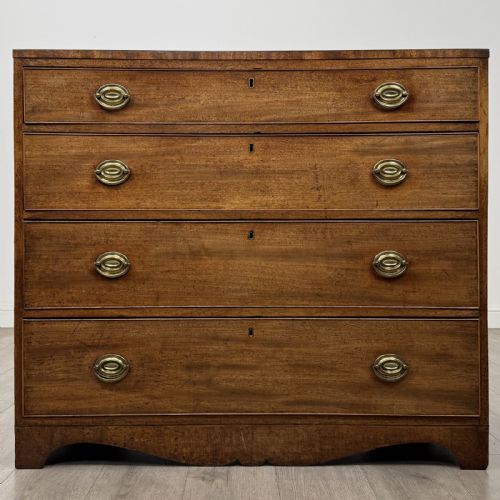
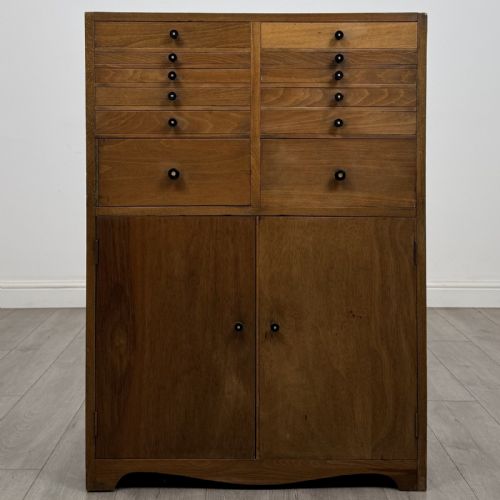
A vintage drawer unit organises a room with character, offering compartmental storage in mahogany, pine, oak, and metal.
Vintage Drawer Unit
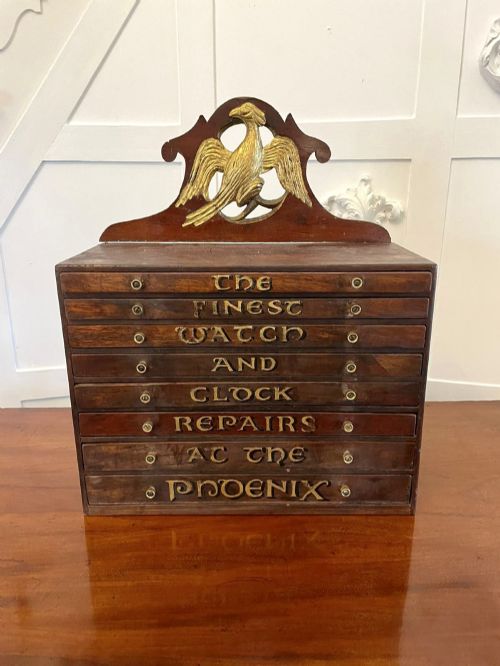
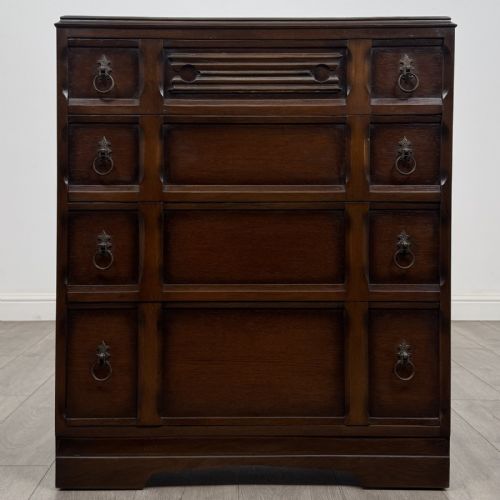
A vintage drawer unit encompasses practical storage forms spanning the nineteenth and twentieth centuries, including banks of drawers, filing cabinets, chests of drawers, and apothecary cabinets. These pieces serve domestic, office, and commercial functions, originating from periods such as the Georgian, Victorian, Edwardian, and 1930s eras.
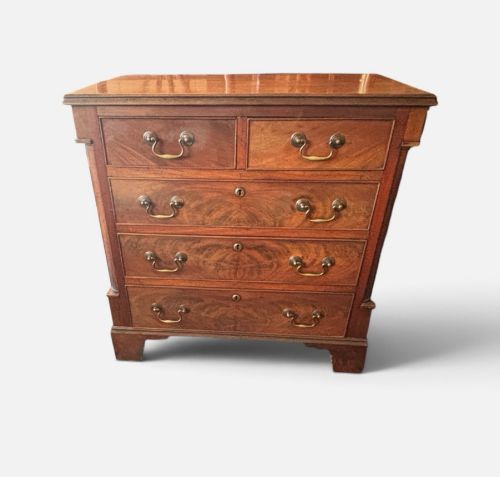
Buyers most frequently encounter traditional chests of drawers and industrial banks of drawers constructed from wood and metal. These utilitarian and domestic storage forms reflect the craftsmanship of their respective periods, from small miniature apprentice chests to large workshop units.
How they were made
Carpenters and cabinetmakers utilised primary timbers including mahogany, pine, oak, walnut, and satinwood, frequently pairing them with brass and metal hardware. Construction methods involved traditional joinery suited to the period, supporting heavy use in domestic bedrooms and commercial premises alike.
Specialised storage pieces incorporated functional elements such as tambour fronts, chrome detailing, shell pulls, and label holders. Finishes ranged from flame mahogany veneers to painted pine and natural waxed surfaces.
Vintage Drawer Unit Retail Price Guide 2026
Typical asking prices for vintage drawer unit among the pieces listed under this phrase on Sellingantiques today, from the lower quarter to the upper quarter. They describe what is for sale here now, not the wider market.
What varies in quality
The standard of a vintage drawer unit depends on the selection of timber, such as figured flame mahogany or dense oak, alongside the retention of original fittings like brass handles and label holders. Intricate inlay work and secondary woods also indicate the grade of manufacture.
Structural integrity and the survival of original mechanical elements, such as smooth-running drawers or working tambour mechanisms, distinguish finer examples. Commercial shop fittings and apothecary chests derive distinction from their scale and operational hardware.
The Vintage Drawer Unit Glossary
- Bank of drawers
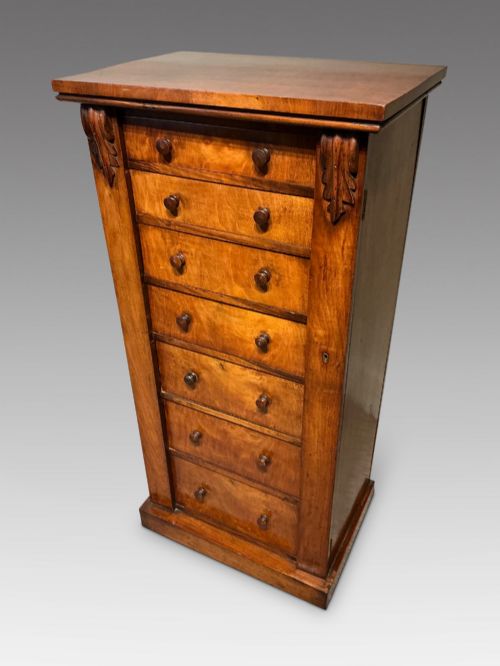
- A multi-drawer storage unit typically used in commercial, industrial, or workshop settings for sorting components or documents.
- Tambour front
- A flexible sliding door constructed from narrow strips of wood glued to a canvas backing, common on filing cabinets.
- Flame mahogany
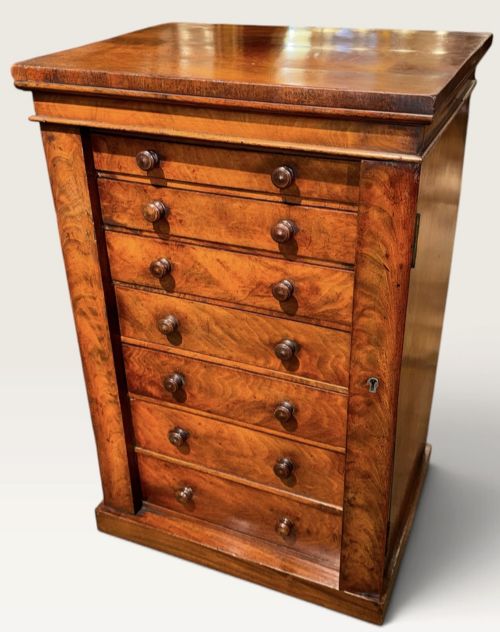
- A veneer cut from timber where the grain creates a distinctive flame-like pattern, prized in nineteenth-century furniture.
- Plan chest
- A wide, shallow multi-drawer unit originally designed for storing architectural drawings and maps.
Vintage Drawer Unit: Frequently Asked Questions
What is a bank of drawers?
A bank of drawers is a large storage unit containing many individual compartments designed for commercial, industrial, or shop use.
These pieces originally served chemists, offices, and workshops to organise stock or paperwork efficiently.
How do I date an oak chest?
Dating an oak chest involves examining the construction methods, handle styles, and timber preparation visible inside the drawers.
Victorian and Edwardian pieces show machine-sawn timber and specific joint types distinct from earlier Georgian examples.
Are tambour cabinets difficult to maintain?
Tambour cabinets require occasional cleaning and waxing of the running tracks to ensure the slatted wooden door slides smoothly.
The flexible canvas backing benefits from stable room humidity to prevent warping.
What is an apprentice chest?
An apprentice chest is a small-scale model of a full-sized chest of drawers created by a craftsman learning the trade.
Cabinetmakers produced these miniature items to prove their competency in woodworking joints and proportions.