







English Inlaid Chest
An English inlaid chest brings tactile warmth to a room through centuries of timber work and delicate marquetry.
English Inlaid Chest
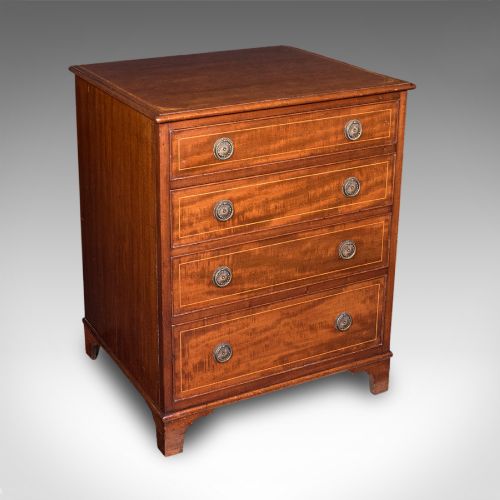
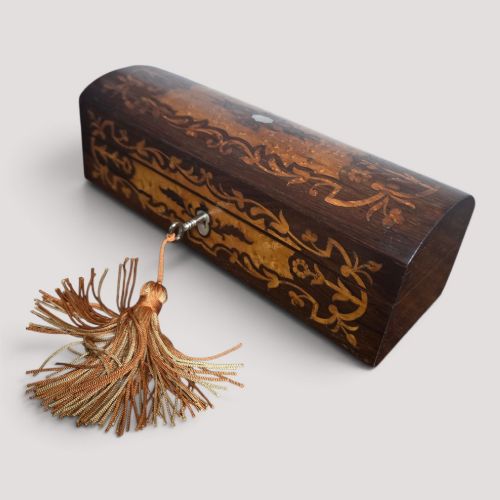
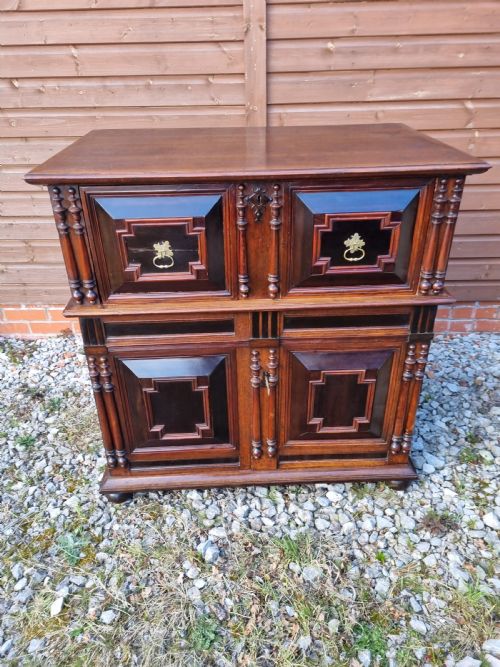
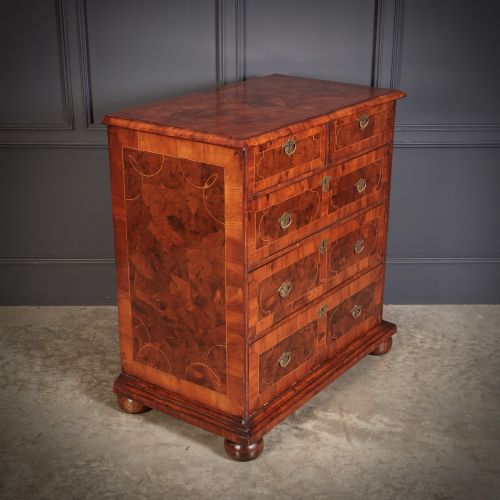
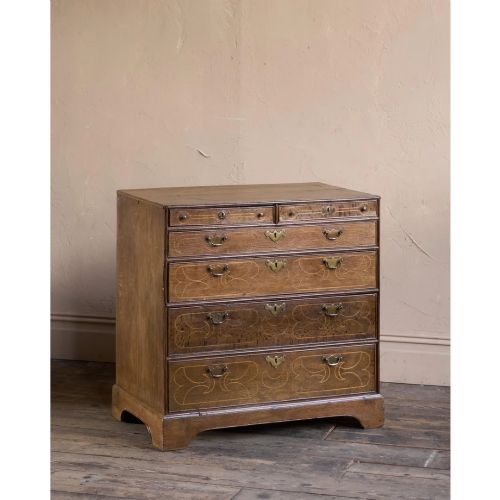
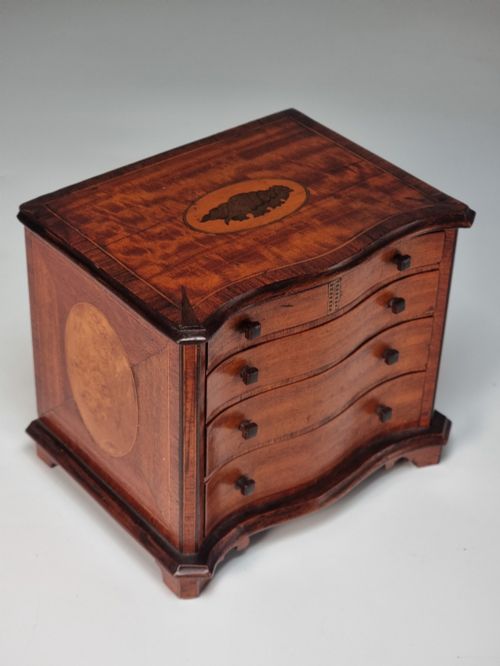
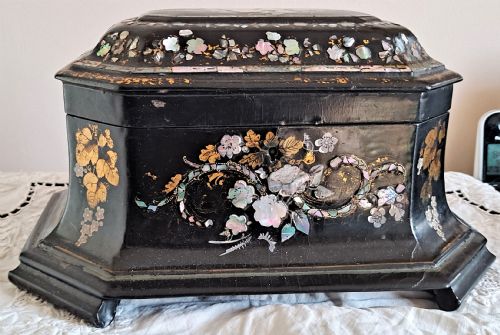
An English inlaid chest encompasses varied storage forms, from monumental tallboys and chests of drawers down to intimate tea caddies and miniature furniture. When exploring this selection, buyers encounter everything from seventeenth-century walnut marquetry and oyster veneering to Georgian mahogany and Victorian Tunbridge Ware.
The dominant pieces on this page are substantial chests of drawers and decorative boxes, reflecting the enduring utility of domestic storage across the Georgian, Victorian, and Edwardian eras. Cabinet makers utilised rich timbers like rosewood, satinwood, and oak, often enriched with boxwood and brass inlay to create focal points for drawing rooms and chambers.
How they were made
Craftsmen built these pieces using solid foundations of oak or mahogany, frequently faced with decorative veneers of walnut, burr walnut, and rosewood. Surface decoration relied on meticulous marquetry, oyster veneering, and feather-banding to introduce pattern and texture to the timber grain.
Detailed embellishment involved contrasting woods such as boxwood and satinwood, alongside brass stringing and mosaic techniques seen in Tunbridge Ware. Joinery methods matched the period, employing solid carcases designed to withstand decades of daily use.
English Inlaid Chest Retail Price Guide 2026
Typical asking prices for english inlaid chest among the pieces listed under this phrase on Sellingantiques today, from the lower quarter to the upper quarter. They describe what is for sale here now, not the wider market.
Tea was once so valuable that miniature chests were built with tiny locks so the head of the household could dispense leaves under watchful eyes.
What varies in quality
The distinction between tiers of craftsmanship lies in the precision of the timber selection and the complexity of the inlay work. Finer examples display harmonious grain matching, such as symmetrical oyster veneers or elaborate floral marquetry that integrates seamlessly into the carcase.
Execution of decorative details dictates the standing of a piece, from the crispness of brass stringing to the delicacy of boxwood and satinwood banding. Superior items maintain integrity in their secondary woods and internal drawer construction, showing a high level of finish throughout.
A. F. Lloyd, Bideford·Henry Hollamby
The English Inlaid Chest Glossary
- Marquetry
- Decorative veneer work arranged in intricate patterns or pictures using various coloured woods. This technique adorns the surfaces of seventeenth-century and later chests.
- Oyster Veneer
- Slices cut transversely from small branches to produce circular, oyster-like patterns in the grain. This method is characteristic of seventeenth-century walnut and olive furniture.
- Tallboy
- A tall chest of drawers standing upon another chest, often referred to as a chest on chest. These substantial pieces emerged strongly during the Georgian period.
- Tunbridge Ware
- Small wooden items decorated with mosaic patterns formed from thousands of tiny tinted wood blocks. This specialised craft flourished in Victorian England.
- Cellarette
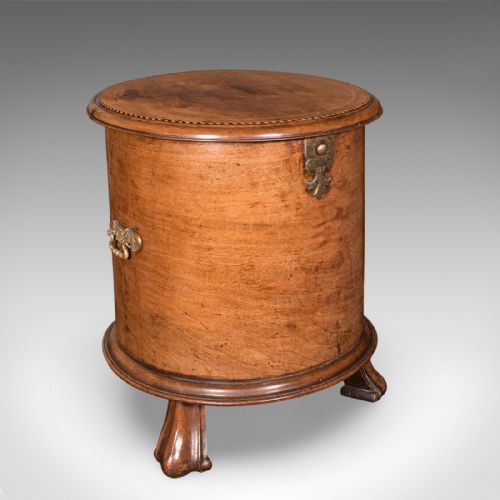
- A lockable container used for holding bottles of wine or spirits, often styled as a miniature chest or stand during the Regency era.
English Inlaid Chest: Frequently Asked Questions
How do I date an inlaid chest?
Dating relies on observing the primary timber, construction methods, and style of the inlay. Seventeenth-century examples often feature oak carcases with geometric oyster veneers or floral marquetry, while Georgian pieces frequently display flame mahogany with delicate satinwood stringing.
Later Victorian and Edwardian items incorporate diverse decorative styles, including Tunbridge Ware mosaics or revival motifs, helping to place the piece within its specific era of production.
How were tea caddies used?
Tea caddies served as secure containers for storing precious loose tea leaves when tea was an expensive commodity. They often featured compartmentalised interiors and locking lids to protect the contents.
Craftsmen built these miniature chests from fine woods like rosewood and papier-mâché, sometimes equipping them with glass mixing bowls and decorative brass mounts for the drawing room.
Where should I place a chest?
These chests suit various living spaces depending on their scale, functioning as statement storage in bedrooms, hallways, or reception rooms. Smaller boxes and caddies find a natural home on side tables and desks.
Keeping them away from direct heat sources and strong sunlight helps preserve the delicate veneers, boxwood stringing, and historical polish.