



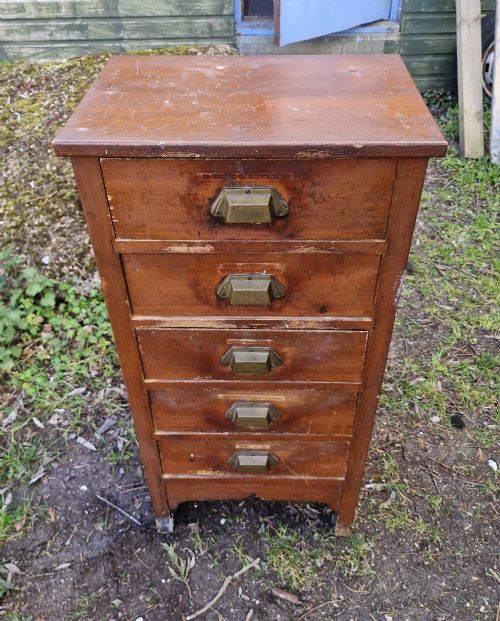


Edwardian Small Drawer Unit
An edwardian small drawer unit offers compact, segmented storage, combining period timber and brass hardware for practical desktop or tabletop organisation.
Edwardian Small Drawer Unit
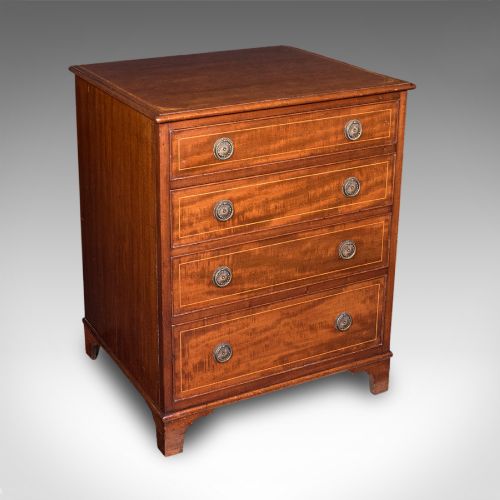
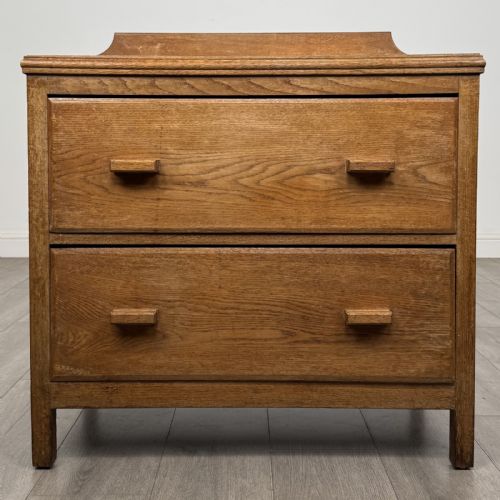
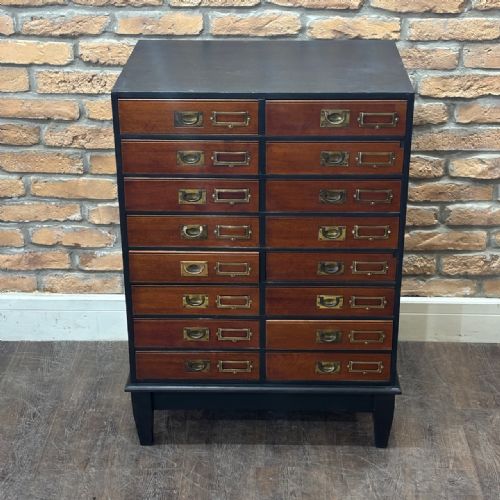
When searching for an edwardian small drawer unit, buyers look at compact storage items designed for documents, specimens, and daily items. The pieces seen on this page span filing cabinets, seed chests, collectors cabinets, and music cabinets from the early twentieth century.
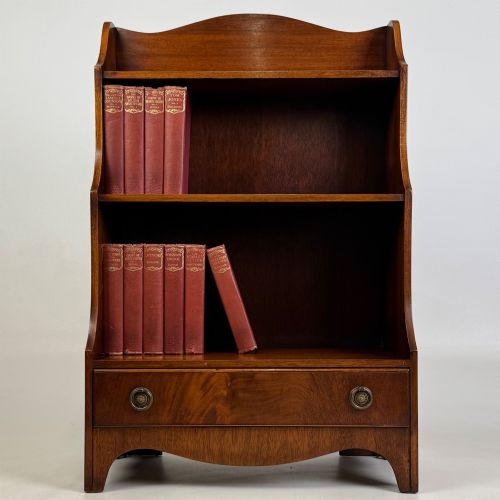
Most examples originate from the Edwardian period or closely adjacent years around 1900 to 1920. Forms range from multi-drawer office cabinets and medical carrying chests to inlaid bookcases and jewellery boxes.
Oak, mahogany, and satin walnut appear frequently among these listings, alongside pine, satinwood, and painted wood. Buyers often encounter pieces featuring brass handles and dedicated compartmentalisation for specific sorting tasks.
Materials and construction
Cabinet makers utilised hardwoods like oak and mahogany alongside softer timbers such as pine and deal for internal framing and drawer construction. Satin walnut and satinwood frontages provided distinct grain patterns and lighter tones for visible exterior surfaces.
Metal components such as brass handles and steel elements secured structural joints and facilitated daily handling of multiple small drawers. Joinery focused on durability to withstand frequent opening in offices, surgeries, and florists.
Edwardian Small Drawer Unit Retail Price Guide 2026
Typical asking prices for edwardian small drawer unit among the pieces listed under this phrase on Sellingantiques today, from the lower quarter to the upper quarter. They describe what is for sale here now, not the wider market.
Medical carrying chests once transported remedies across early twentieth century workspaces before finding new life on modern tables.
Assessing quality and craftsmanship
Quality separates units by the selection of timber veneers and solid woods, where finely figured satin walnut or inlaid mahogany denotes higher ambition. The crispness of corner joinery and the retention of original brass hardware further distinguish standard utility pieces from finer examples.
Internal organisation also dictates worth, as well-fitted drawers with smooth runners reflect careful initial manufacture. Surviving labels or stamped maker marks on specialised items like filing cabinets add documentary value.
Amberg
The Edwardian Small Drawer Unit Glossary
- Satin walnut
- A North American timber known for its warm tones and decorative grain. It was frequently used for drawer fronts and decorative panels on Edwardian furniture.
- Seed chest
- A specialised multi-drawer cabinet originally utilised by florists and merchants to store seeds. These feature shallow drawers to keep varieties separated.
- Filing cabinet
- An office furniture form designed to hold vertical or horizontal documents. Early versions incorporate numerous small pull-out drawers with brass card holders.
- Collectors cabinet
- A specialised storage piece containing multiple shallow drawers for specimens or small objects. They often feature glazed or panelled doors protecting the contents.
- Inlay
- A decorative technique where contrasting woods are inserted into the primary surface. Edwardian pieces often incorporate simple stringing or geometric patterns.
Edwardian Small Drawer Unit: Frequently Asked Questions
What were small drawer units used for?
These units served varied roles in offices, homes, and commercial premises for sorting small items. They held documents, sheet music, medical supplies, seeds, and jewellery.
Their segmented nature kept specialised items ordered and accessible on desks, counters, or tabletops.
How do I date an Edwardian unit?
Dating relies on combining timber choices, hardware styles, and construction methods. The era spans from the late Victorian crossover through the Edwardian years up to the 1920s.
Brass pull handles, card frames, and specific wood types like satin walnut help narrow the decade of production.
Are these cabinets suitable for modern desks?
Compact proportions allow these units to sit comfortably on contemporary desks, sideboards, or dressing tables. They provide practical storage for stationery, modern documents, or personal accessories.
Their traditional timber finishes integrate easily with both period and modern interior schemes.
What is the difference between a seed chest and a filing cabinet?
Seed chests originate from commercial trade use and feature many very shallow drawers designed for holding packets or bulk seeds. Filing cabinets focus on document storage, often utilising deeper drawers with internal dividers or card holders.
Both fall under small multi-drawer storage but serve distinct historical functions.
How should I care for period wood surfaces?
Maintenance involves applying appropriate wax polish occasionally to nourish older timbers like oak and mahogany. Avoid placing pieces in direct sunlight or near heat sources to prevent timber splitting.
Gentle dusting with a soft dry cloth preserves the original finish and brass hardware.