
Wooden Filing Chest
A wooden filing chest is a functional piece of period office furniture prized for organising papers while anchoring a room with traditional timber.
Wooden Filing Chest
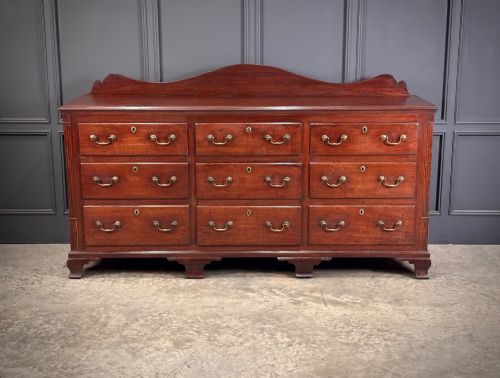
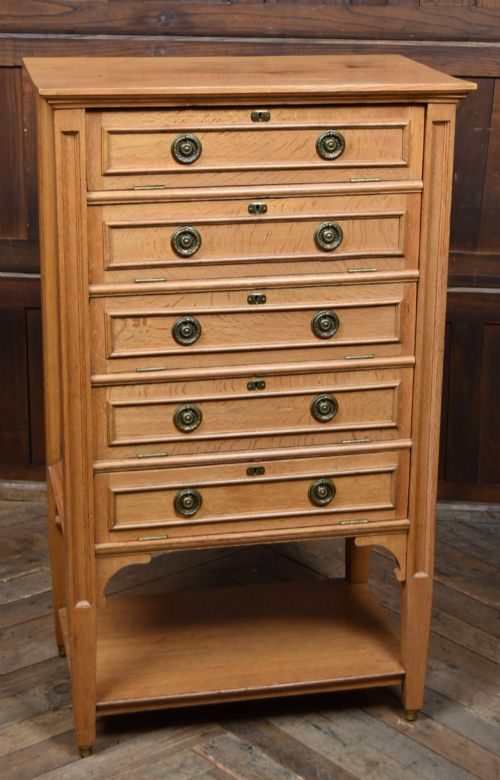
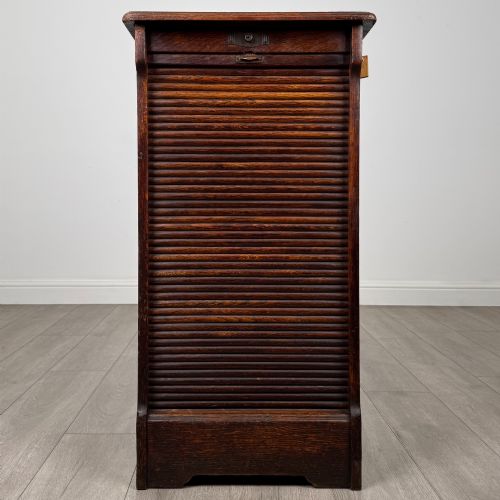
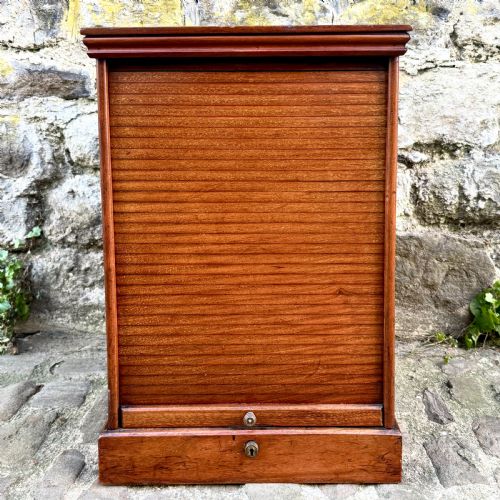
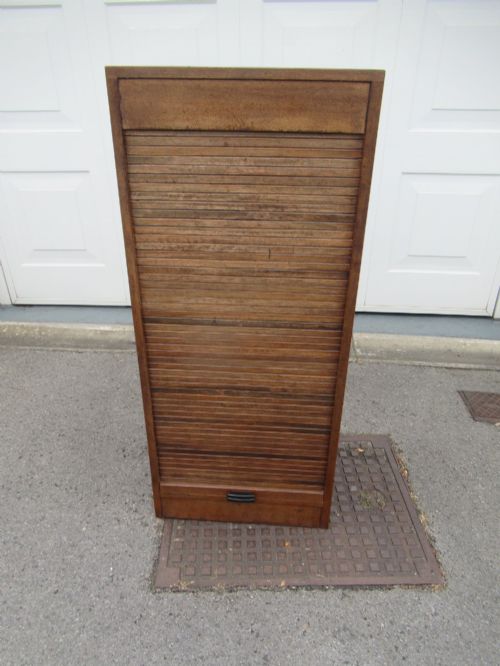
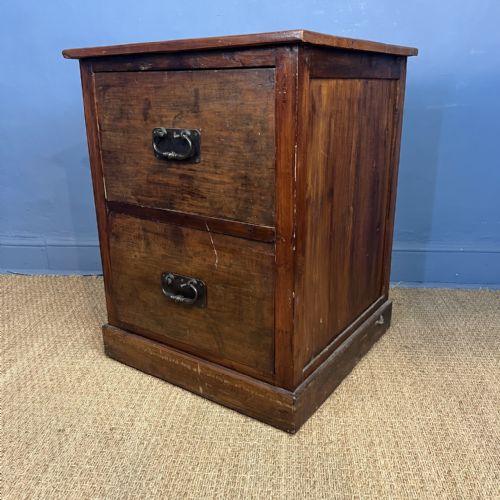
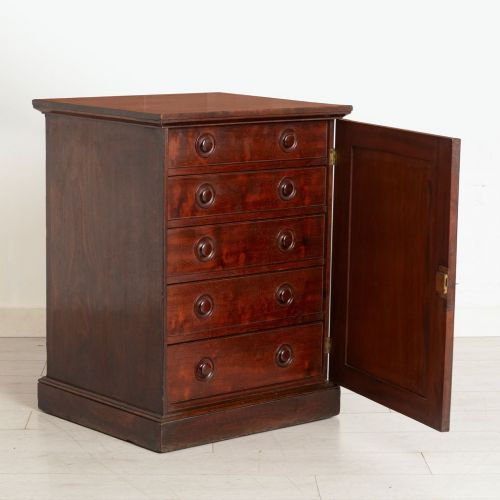
A wooden filing chest provides compartmentalized storage through banks of drawers, tambour fronts, or vertical filing mechanisms designed for paper and documents. These pieces appear across several distinct historical periods, stretching from the eighteenth century through the Edwardian era and into the early twentieth century.
Origins range from plain utility pieces built for practical archiving to refined mahogany and walnut designs incorporating Georgian styling or Arts and Crafts details. These items bridge the gap between heavy industrial storage and domestic antique furniture.
How They Were Made
Construction relies heavily on sturdy timbers such as oak, mahogany, walnut, teak, and pine, selected for durability in working environments. Cabinetmakers utilised solid woods alongside occasional veneers, pairing dense carcases with sliding tambour slats or panelled drawer fronts.
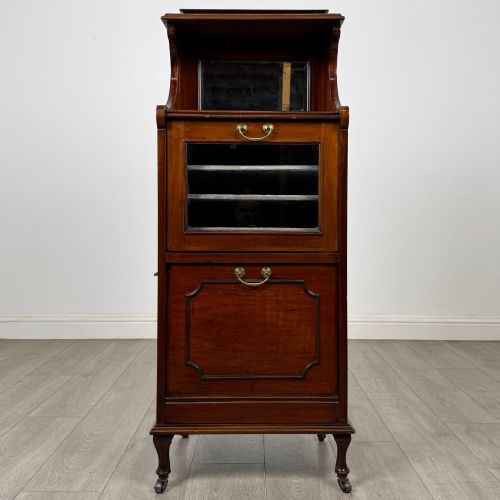
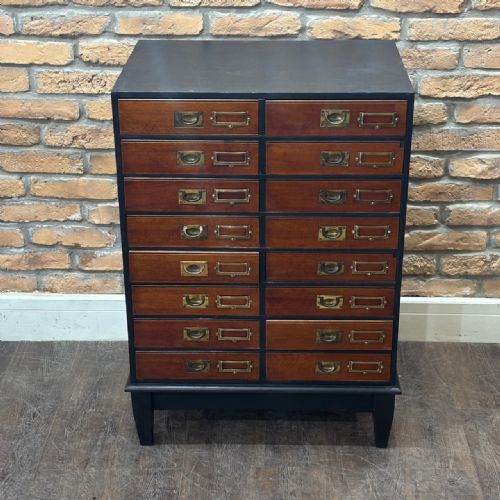
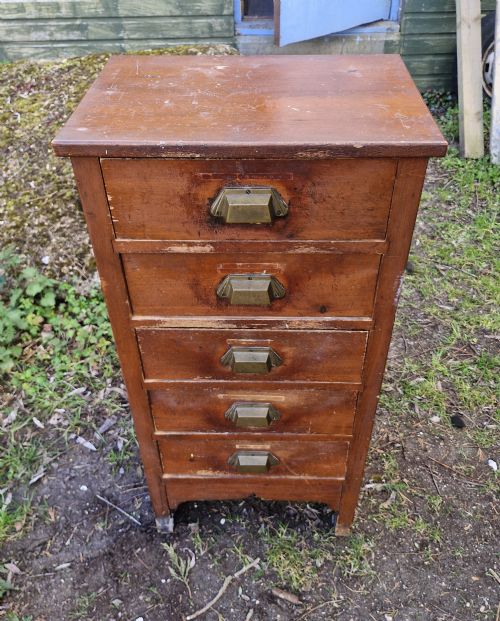
Hardware plays an integral structural and decorative role, featuring brass handles, campaign-style pulls, and specialised patent letter-filing mechanisms. Surface finishes typically involve polishing to highlight the natural grain of the wood without masking its age.
Listings span multiple eras from the eighteenth century through the Edwardian period, utilising oak, mahogany, walnut, teak, pine, and brass.
What Varies in Quality
The standard of a wooden filing chest is determined by the selection of timber figures, such as highly figured walnut or richly grained mahogany, coupled with the precision of the drawer joinery. Finer examples display meticulous attention to detail in their mouldings, inlaid decoration, and original brass hardware.
Mechanical sophistication also dictates worth, particularly in pieces featuring smooth-operating tambour shutters or patent letter-filing systems that retain their original internal fittings. Simpler workshop pine pieces contrast with grander Victorian and Edwardian cabinets built by prominent retailers.
Maple & Co·D Napier & Sons
The Wooden Filing Chest Glossary
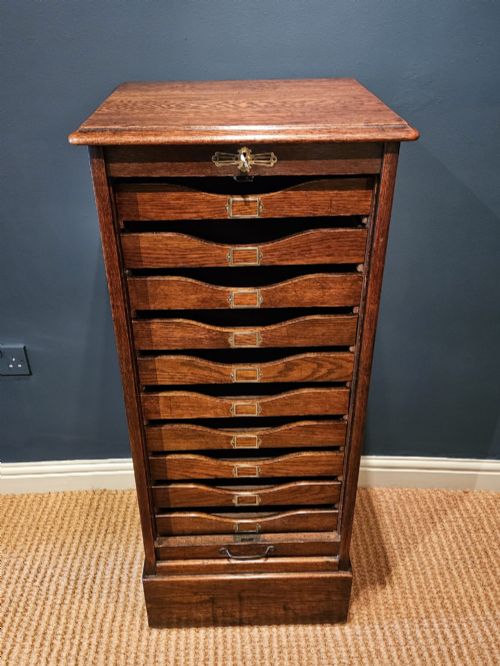
- Tambour front
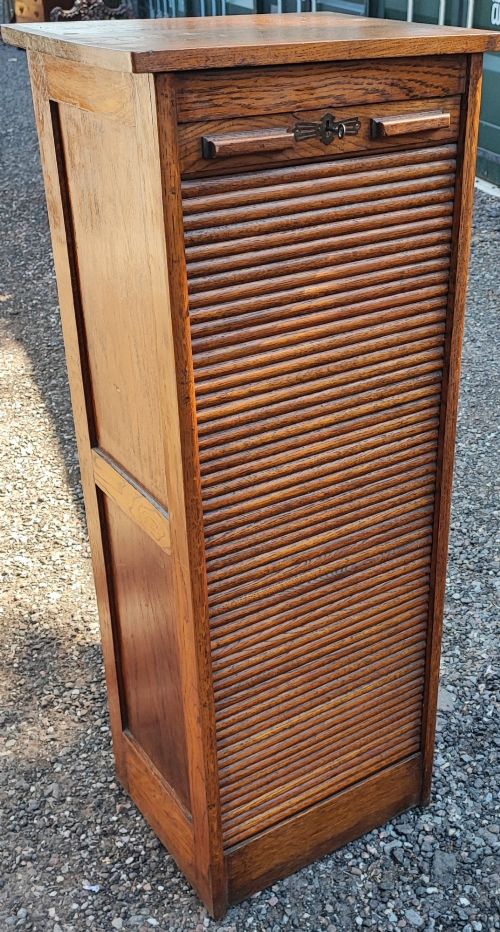
- A flexible shutter door formed of narrow vertical strips of wood glued to a canvas backing, allowing it to slide smoothly around a curved track to conceal interior drawers.
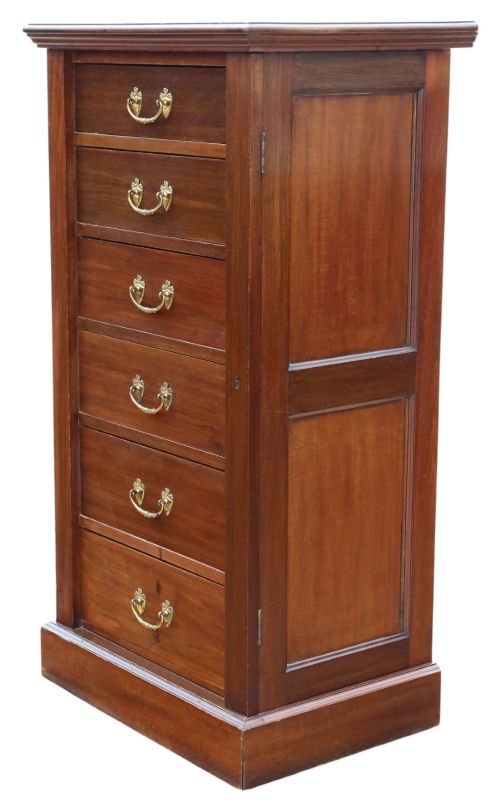
- Wellington chest
- A tall, narrow chest of drawers secured by a hinged locking side bar that fastens with a key over the drawer edges.
- Plan chest
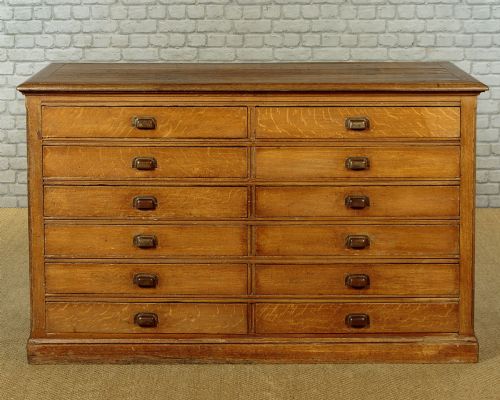
- A wide, shallow multi-drawer cabinet originally designed for storing architects' blueprints, large maps, and oversized artwork flat.
- Bank of drawers
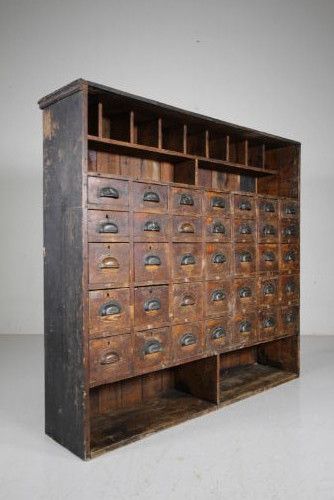
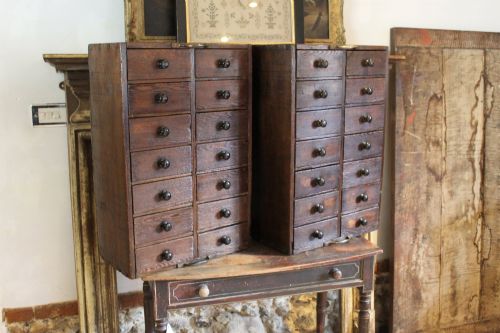
- A large multi-drawer storage unit intended for commercial, workshop, or institutional organisation rather than domestic bedroom use.
Wooden Filing Chest: Frequently Asked Questions
How do I date a wooden filing chest?
Dating relies on observing the combination of timber choices, construction techniques, and hardware styles. Edwardian and Victorian pieces often display distinct joinery methods and specific brass handle designs characteristic of their decade.
Patents marked on internal filing mechanisms or maker stamps on the carcase also provide reliable chronological markers for early twentieth-century office furniture.
Will standard paper fit in antique filing chests?
Many older filing chests and banks of drawers were built for specific historical paper sizes, ledgers, or foolscap documents rather than modern international standards. Collectors should check internal drawer dimensions carefully to ensure contemporary files fit the layout.
Specialist variations like plan chests and A4 collectors cabinets offer wider and shallower compartments that adapt easily to modern storage needs.
How do I care for a tambour door?
Tambour fronts operate on a canvas and wood track that benefits from gentle handling and a dust-free environment. Forcing a stuck tambour can damage the delicate wooden slats or tear the internal fabric backing.
Applying a suitable microcrystalline wax to the tracks can maintain smooth operation without gumming up the mechanism.
Where did these chests originate?
These pieces were primarily manufactured in Britain for offices, libraries, architects' practices, and domestic studies during the nineteenth and early twentieth centuries. Some variants reflect global trade, such as Anglo-Indian teak cabinets produced for colonial administration.
Workshop and utility pieces served industrial and commercial spaces before transitioning into sought-after items for modern homes.