

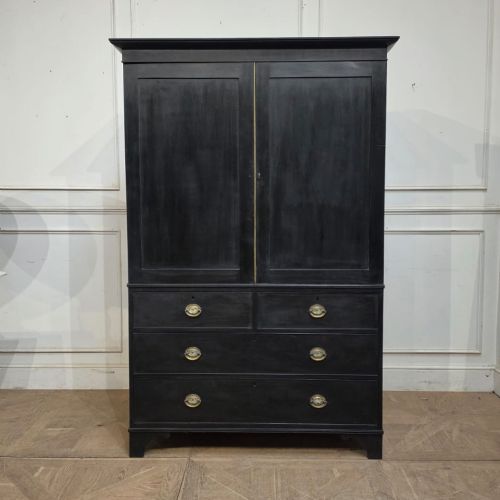
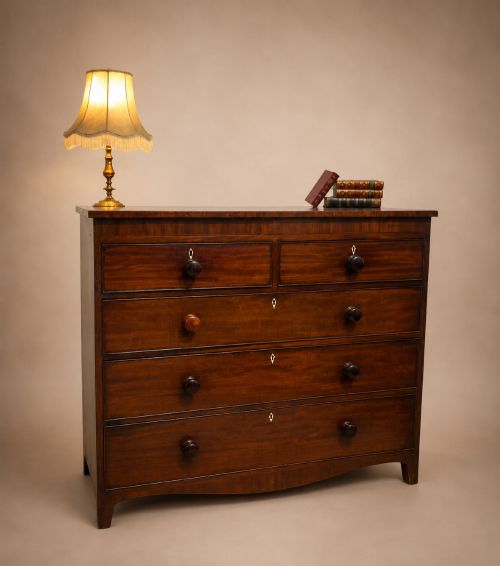
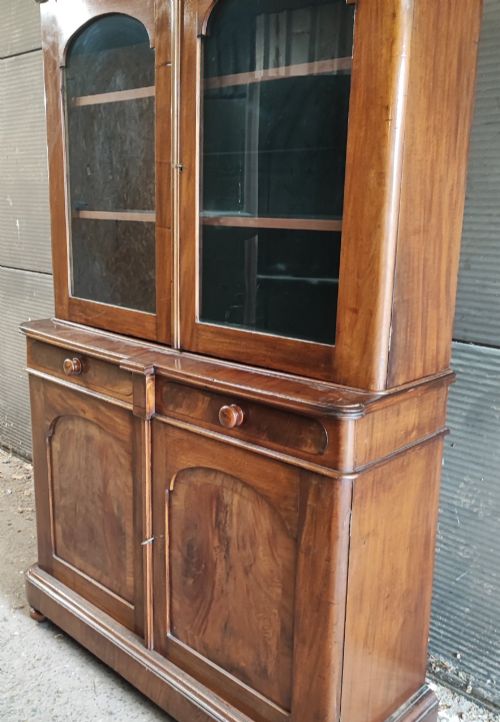
Two Drawer Cabinet
A two drawer cabinet brings compact storage and period character to a room, appearing in forms from Georgian chests to Art Deco nightstands.
Two Drawer Cabinet
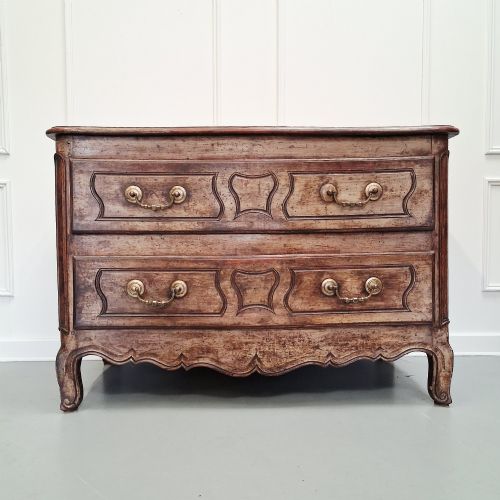
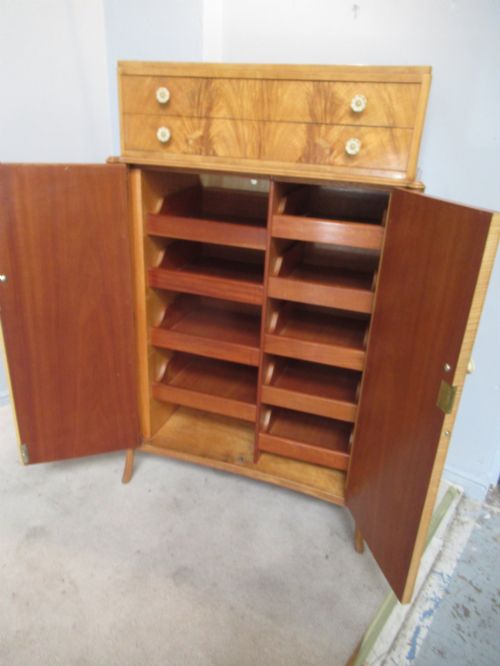
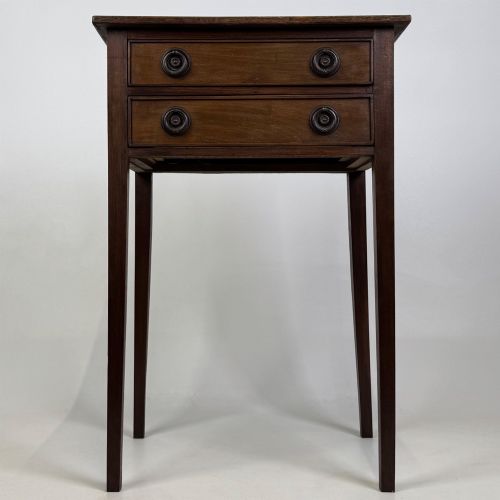
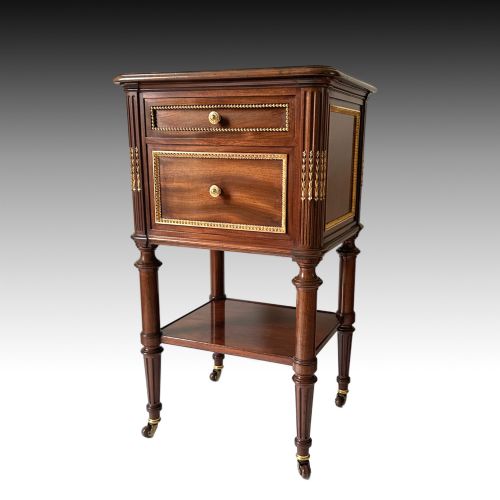
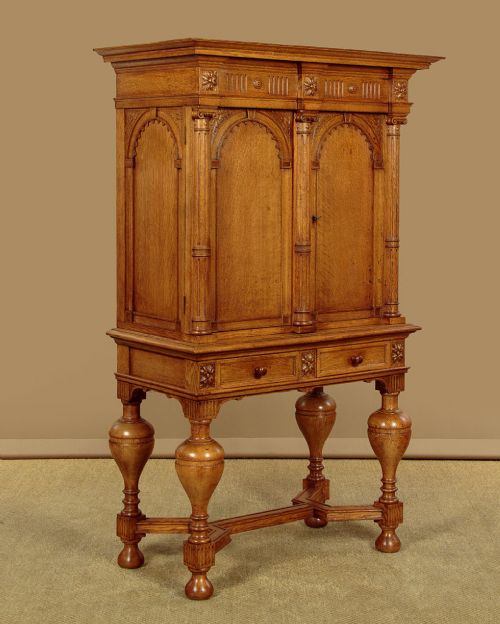
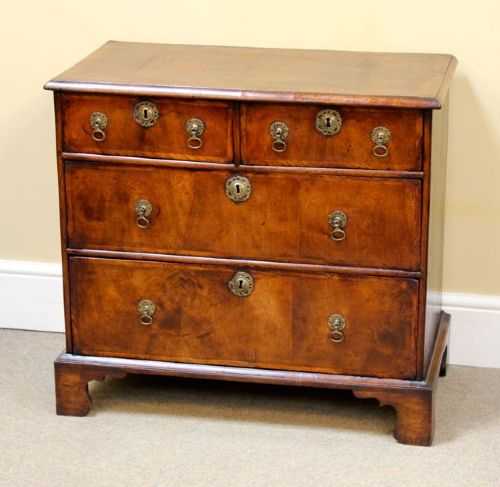
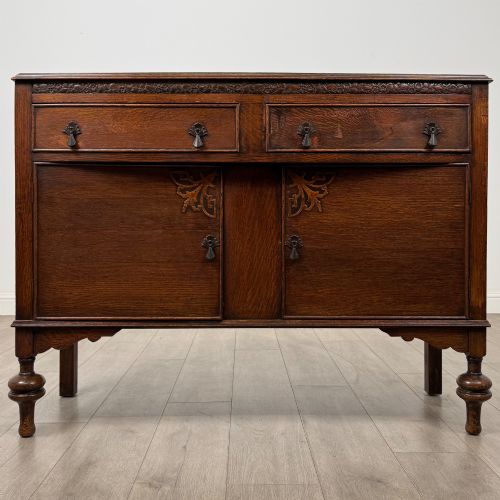
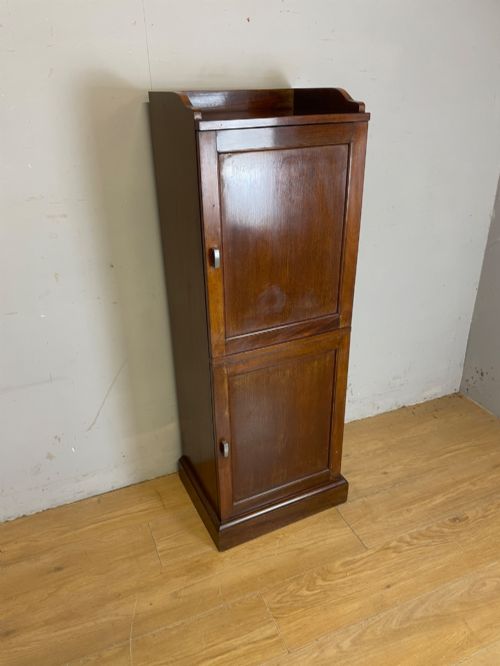
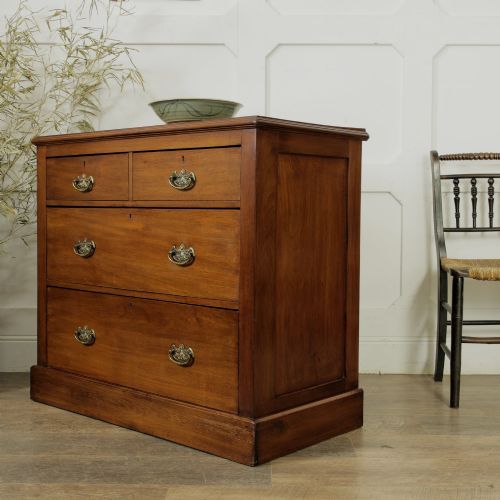
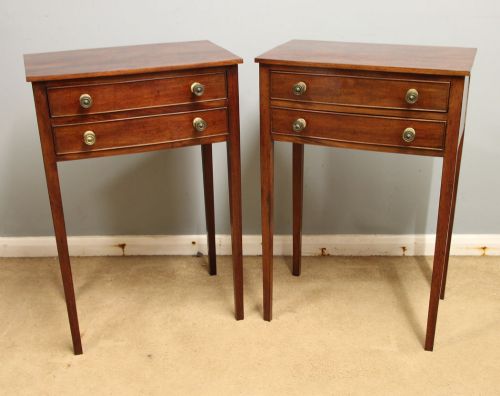
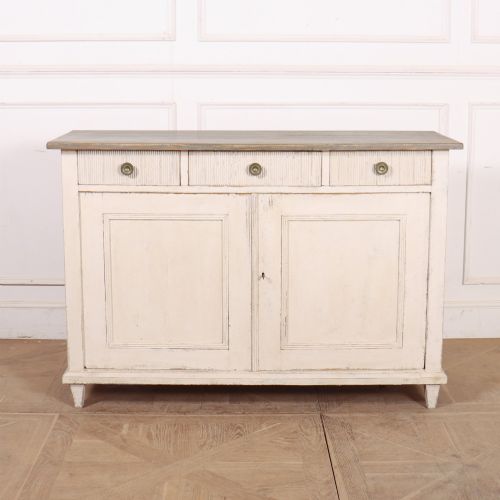
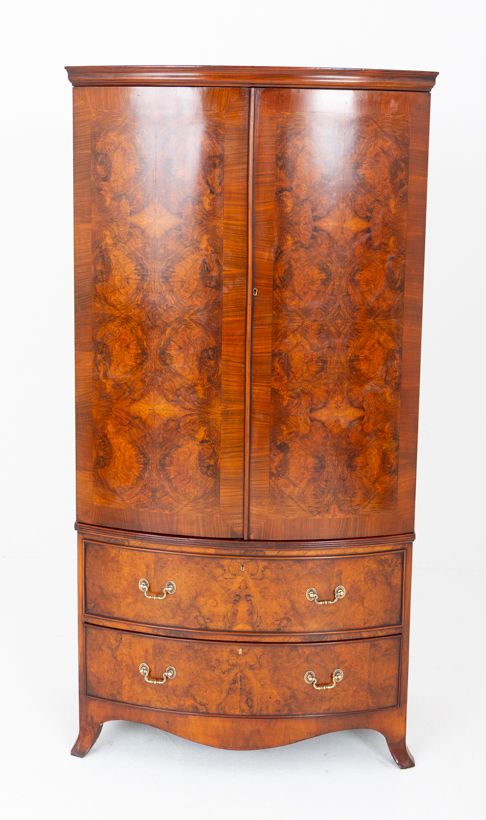
When searching for a two drawer cabinet, buyers encounter a diverse selection of storage furniture spanning several centuries. The pieces on this page include bedside tables, nightstands, filing cabinets, commodes, and dresser bases equipped with twin drawers.
The most common examples stem from Victorian, Edwardian, and Georgian periods, alongside 1920 and 1930 designs. These items frequently serve functional roles in bedrooms, living rooms, and studies while displaying traditional cabinetmaking forms.
How they were made
Cabinetmakers constructed these pieces primarily using hardwoods such as mahogany, oak, and walnut, alongside pine for regional or utilitarian carcases. Timber selection dictated both the visual weight and the structural integrity of each item.
Decoration relied on brass hardware, ormolu mounts, glass panels, marquetry inlay, and painted finishes. Artisans applied these surface treatments to enhance the natural grain of the wood or to reflect the specific stylistic trends of periods like Regency and Art Deco.
The archive includes specialised pieces such as table top filing boxes and smokers cabinets.
What varies in quality
The standard of a two drawer cabinet rests upon the choice of timber and the precision of its construction. Pieces featuring figured veneers, solid mahogany, or well-figured oak demonstrate superior material selection by the original maker.
Refinement in secondary details, such as original brass handles, crisp carved ornamentation, and careful marquetry inlay, separates standard utilitarian items from finer examples. The internal execution of the drawers and the integrity of the joints further distinguish the grade of the piece.
The Two Drawer Cabinet Glossary
- Ormolu
- Gilded bronze mounts applied to furniture. This decorative technique was popular on French and Continental pieces.
- Marquetry
- Inlaid patterns of wood veneers applied to a furniture surface. It creates elaborate pictorial or geometric designs.
- Commode
- A low standing cabinet with drawers or doors. The term often describes decorative French examples from the eighteenth century onwards.
- Bow-fronted
- A convex curved furniture front. This shape appeared frequently on Regency and later chests and cabinets.
- Chiffonier
- A small sideboard or cabinet featuring shelves and drawers. It developed during the Regency and Victorian periods for dining and living spaces.
Two Drawer Cabinet: Frequently Asked Questions
Where should I place a two drawer cabinet?
These compact pieces fit easily beside a bed, alongside a sofa as a lamp table, or within a hallway. Their twin drawers provide discreet storage for small household items.
They also function effectively in home offices as filing or desktop storage units, offering period charm without occupying excessive floor space.
How do I identify a Georgian two drawer cabinet?
Georgian pieces typically feature dense mahogany or oak construction, clean proportions, and traditional dovetail joinery on the drawer boxes. Look for understated brass handles and straight or bracket feet.
Later revival pieces often imitate these characteristics, but genuine eighteenth-century items display authentic timber ageing and hand-cut construction marks inside the drawers.
What is the difference between a bedside table and a commode?
A bedside table serves primarily to hold a lamp and small night-time essentials, often featuring an open shelf or one or two compact drawers. They are built to standard bed height.
By contrast, a commode is typically a more substantial freestanding cabinet with decorative facades, ormolu mounts, or marquetry, designed to make a visual statement in a principal room.
Can I use an office filing cabinet in a living room?
Solid mahogany or golden oak filing cabinets from the early twentieth century bring architectural interest to modern domestic interiors. Their practical drawer configurations suit contemporary organisation needs.
Pairing a vintage office piece with traditional seating creates a balanced study or living space that combines utility with period aesthetics.