
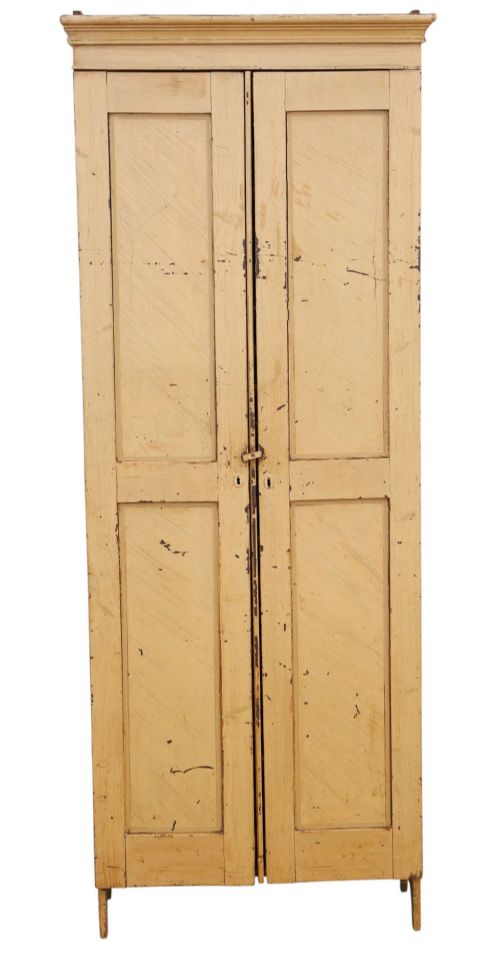
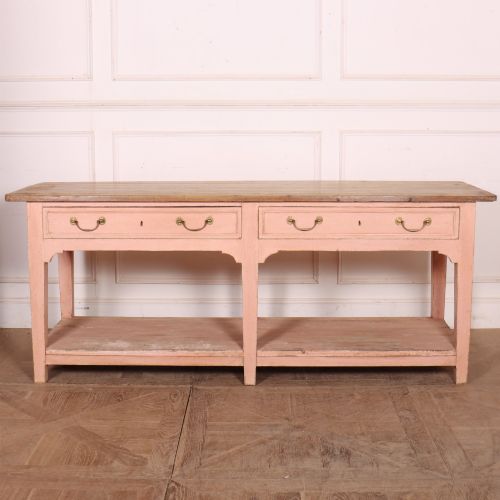
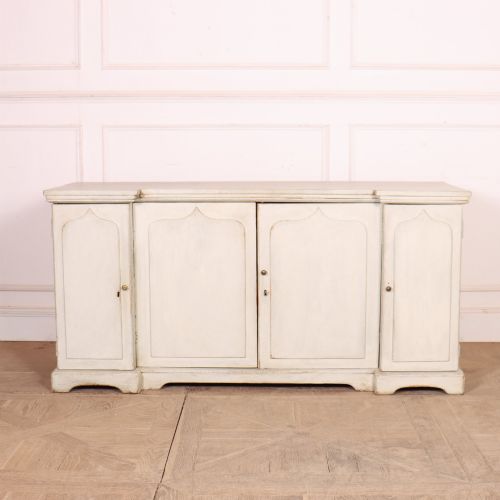
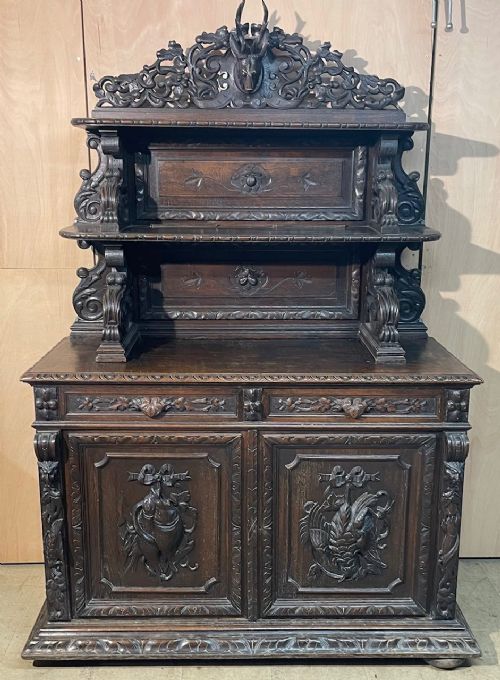

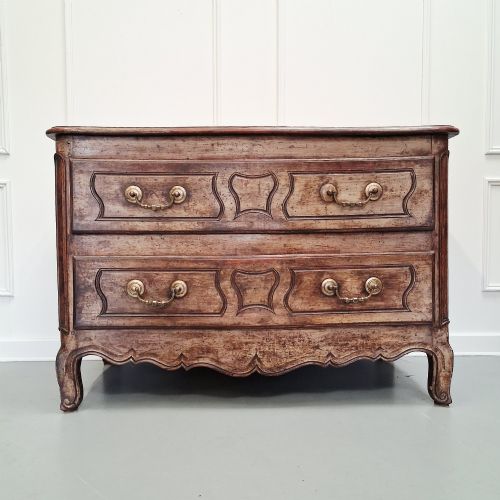
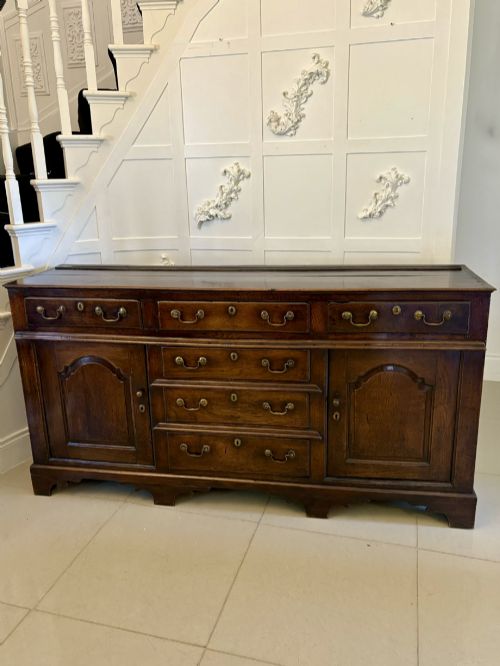
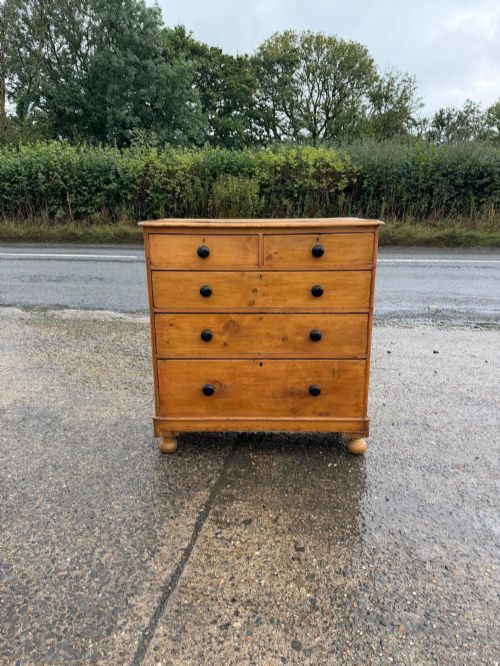
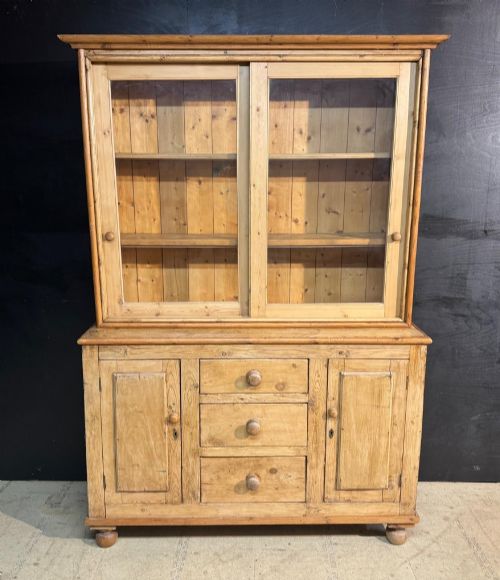
Rustic Country Dresser
A rustic country dresser brings honest timber and utility to a room, offering open display alongside practical enclosed storage.
What these pieces are
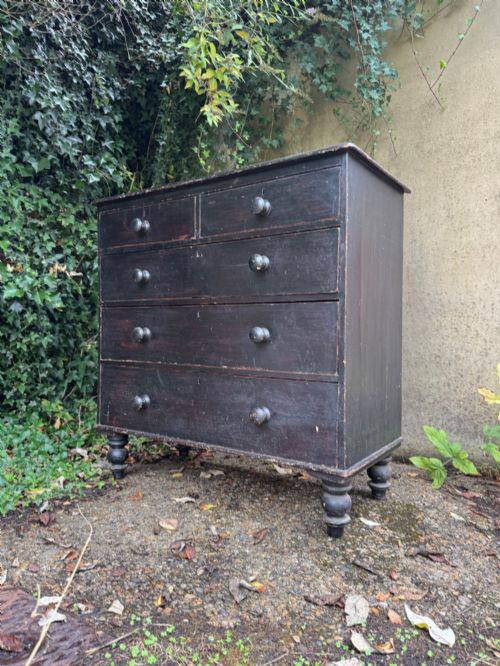
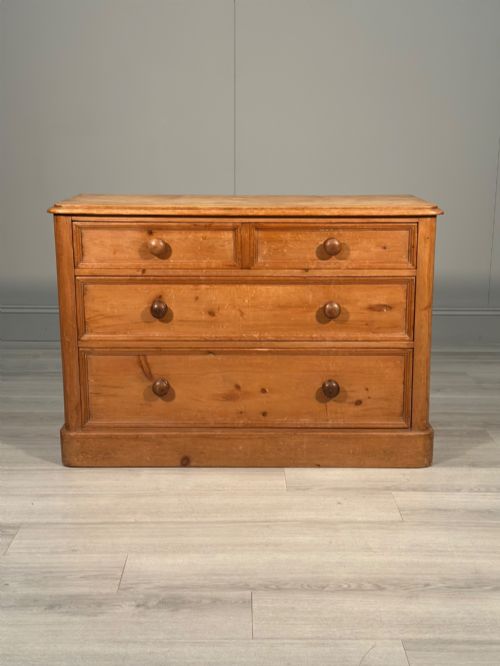
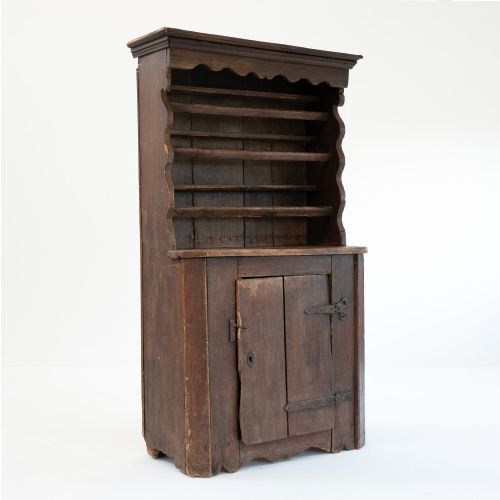
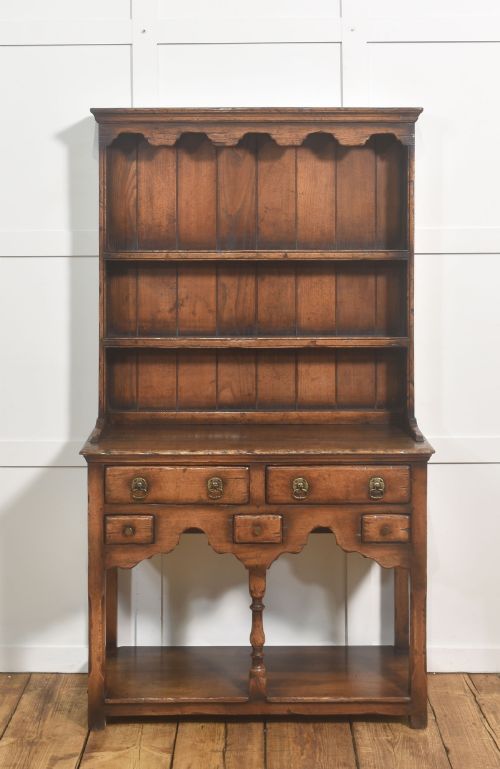
A rustic country dresser combines a lower storage base with shelving or cupboards above, serving as the central workhorse of traditional kitchens and dining rooms. The pieces gathered under the search phrase rustic country dresser draw on English, Irish, and Georgian traditions of domestic storage.
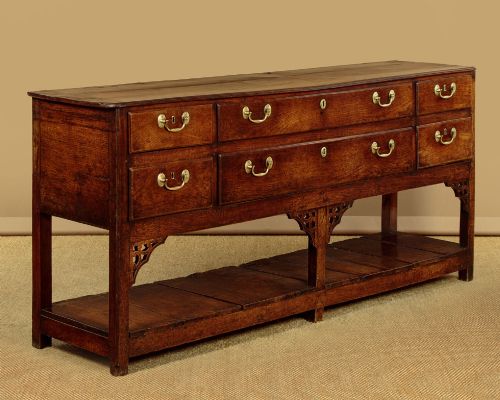
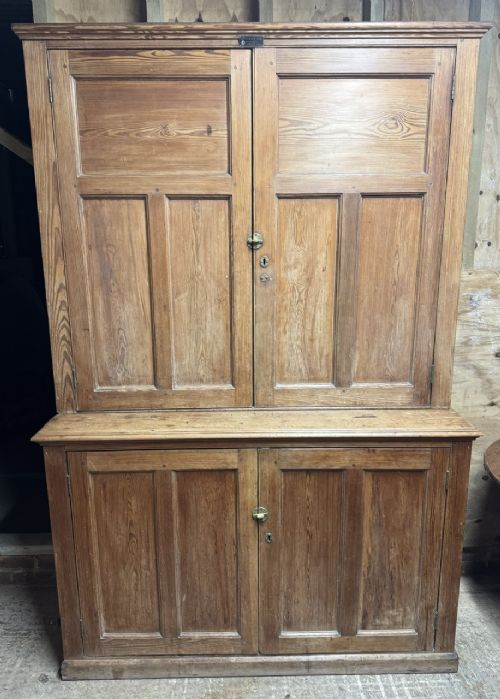
Most examples encountered here date from the nineteenth century or the Georgian period, built for heavy daily use rather than formal display. They appear in forms such as basic dresser bases, dog kennel dressers, and tall shelved units designed for pottery and provisions.
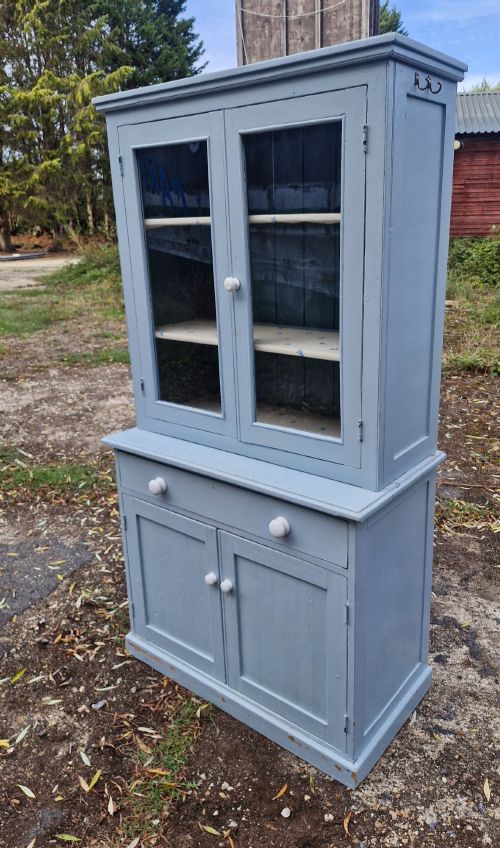
Makers built these items primarily from native woods like pine and oak, often leaving them in bare timber or finishing them with painted surfaces. Each specimen reflects the straightforward needs of rural households before mass production standardised domestic furniture.
How they were made
Joiners constructed these pieces using solid timbers such as pine and oak, supplemented by iron hinges and brass hardware. Construction methods relied on sturdy tongue-and-groove joints, pegged frames, and hand-planed boards designed to withstand decades of heavy use.
Surfaces received various treatments depending on regional taste and domestic utility, ranging from scrubbed natural wood to layered painted finishes. Iron and brass fittings were secured by hand, anchoring doors and drawers that held heavy kitchenware.
Retail Price Guide 2026
Typical UK retail prices for rustic country dresser, calculated from the Sellingantiques database of over a million retail prices indexed since 2003. This retail price guide relies exclusively on Sellingantiques data; no external sources or auction records are used, so the figures do not describe the wider market.
Dog kennel dressers feature a curious central void beneath the counter originally intended to house a warm family hound.
What varies in quality
The distinction between a standard utility piece and a finer example rests on timber selection and proportion. Georgian and nineteenth-century makers balanced practical storage needs with subtle refinements in cornice moulding and foot design.
Original painted surfaces and untouched brass or iron hardware elevate a piece above later restorations. The integrity of the timber, from seasoned oak to aged pine, dictates how gracefully the structure ages in a modern interior.
The Rustic Country Dresser Glossary
- Dresser base
- The lower cabinet portion of a dresser, typically featuring drawers above cupboards without the upper plate rack.
- Dog kennel dresser
- A traditional vernacular form featuring a central low recess flanked by cupboards or drawers beneath the main counter.
- Pine
- A softwood commonly utilised in nineteenth-century country furniture, valued for its workability and pale grain.
- Georgian
- The architectural and decorative style spanning the reigns of the first four Georges, known for classical proportions.
Frequently Asked Questions
How do I clean a rustic country dresser?
Wipe surfaces gently with a dry or barely damp cloth to preserve the aged patina of the timber. Avoid harsh modern chemical cleaners that strip historical finishes.
Nourish bare pine or oak periodically with a traditional beeswax polish to protect the grain without creating an artificial shine.
Where should I place a country dresser?
Position the piece against a sturdy wall in a kitchen, dining room, or hallway where its depth does not obstruct movement. Ensure it sits away from direct heat sources to prevent the timber from warping.
Use the open shelves for everyday crockery and the lower cupboards for linens or heavy serving dishes.
How do I date an old dresser?
Examine the construction marks, nail types, and timber cuts visible inside drawers and at the back of the carcass. Hand-sawn boards and pegged joints point towards earlier Georgian and nineteenth-century manufacturing methods.
Compare the hardware, such as brass pulls or iron hinges, against known period styles to confirm the era of origin.