
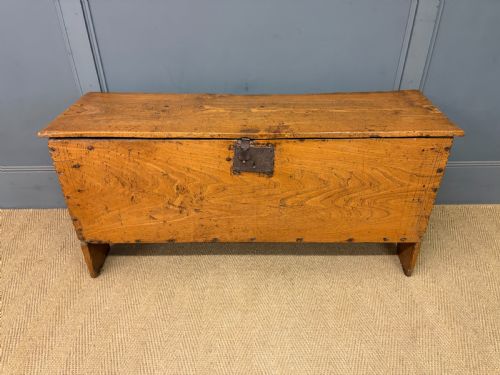
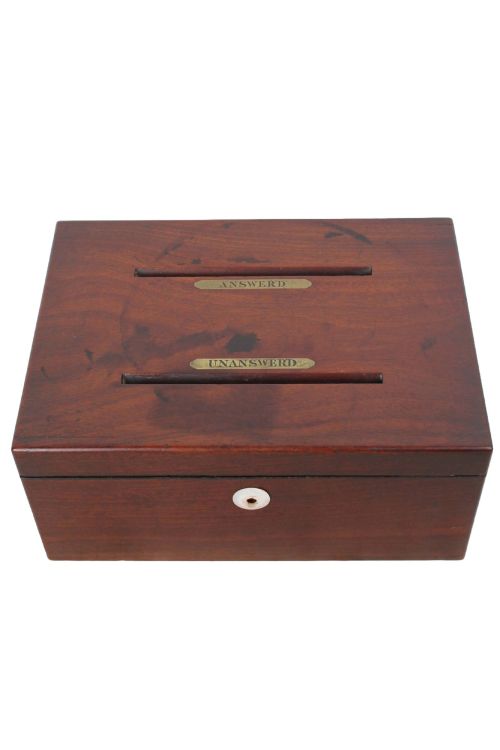
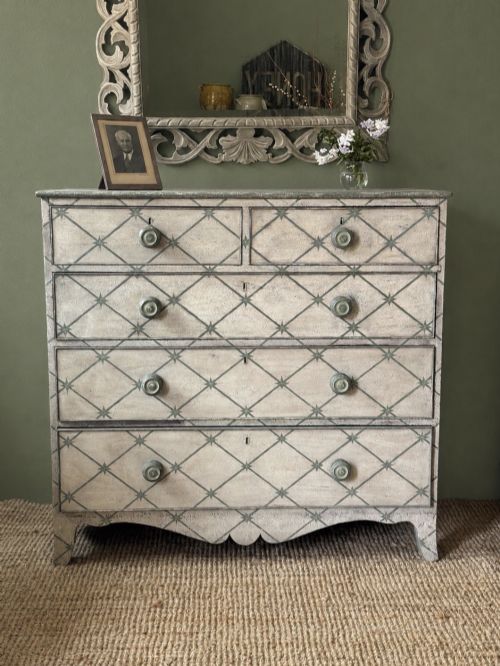
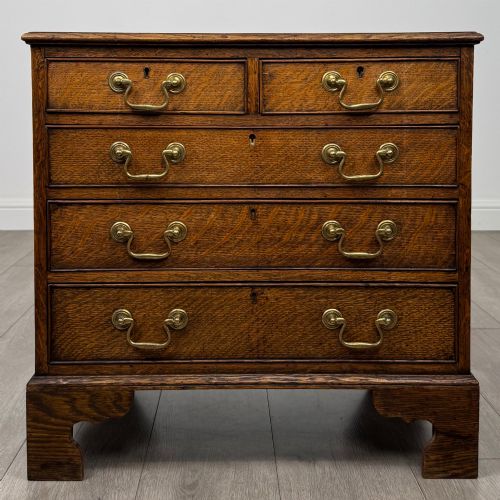
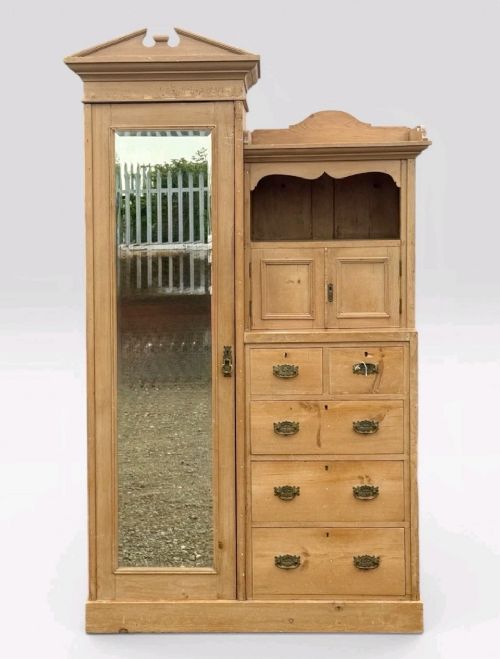

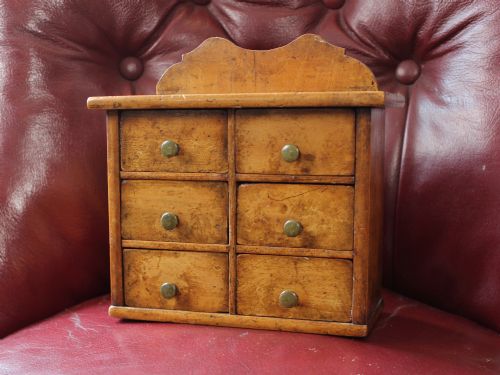
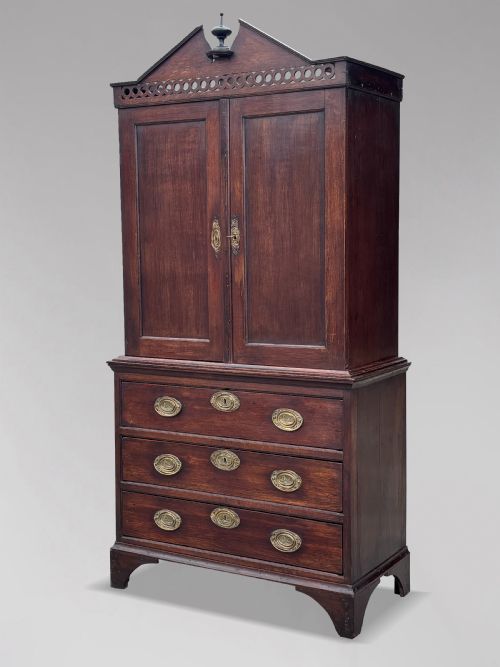
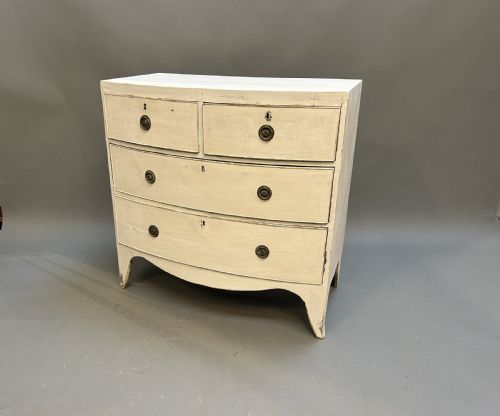
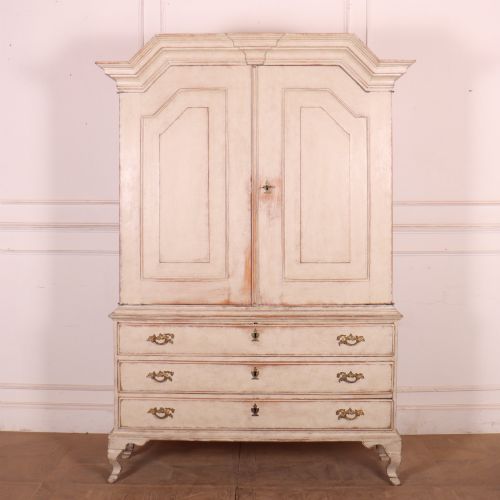
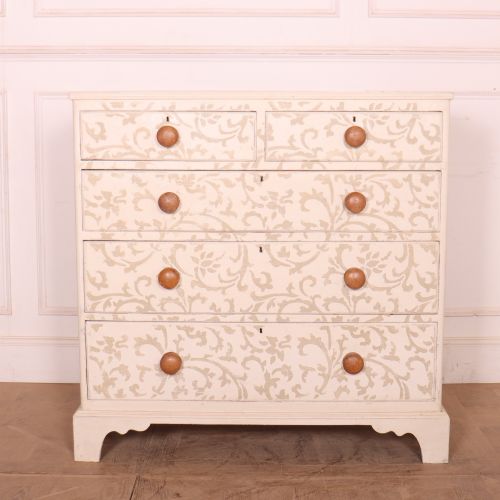

Country House Chest
A country house chest brings grounded proportion and honest utility to a room, offering practical storage disguised in rich historic timbers.
Country House Chest
A country house chest encompasses sturdy storage furniture designed for utility and presence across Georgian and Victorian estates, ranging from modest oak drawers to grand mule chests and cupboards. The pieces gathered here show domestic practicality through robust construction and functional design, built to hold linens, documents, or personal belongings.
Buyers will encounter various forms on this page, dominated by chests of drawers in oak, mahogany, and pine, alongside coffers, trunks, and housekeepers' cupboards. These items reflect the varied needs of large historic households where storage had to withstand daily use while maintaining a dignified appearance.
Origins span English, French, and Scandinavian workshops, displaying regional preferences in timber choice and surface treatment such as original paint or scumble finishes. Such pieces bring historic character to modern interiors through their honest wear and substantial proportions.
Materials and construction methods
Makers utilised native and imported timbers including oak, elm, pine, fruitwood, and mahogany, selecting each wood for structural strength or decorative grain. Drawers were typically hand-dovetailed with solid timber linings, ensuring durability through centuries of opening and closing.
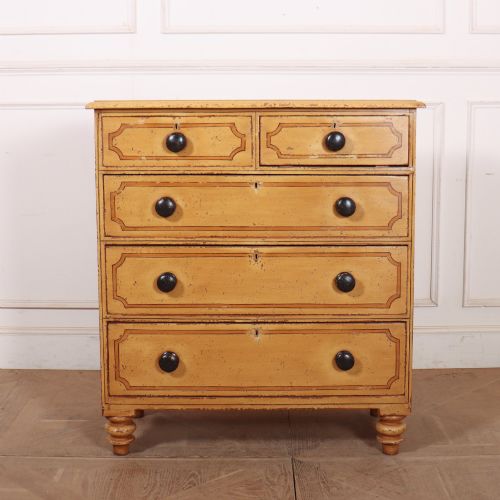
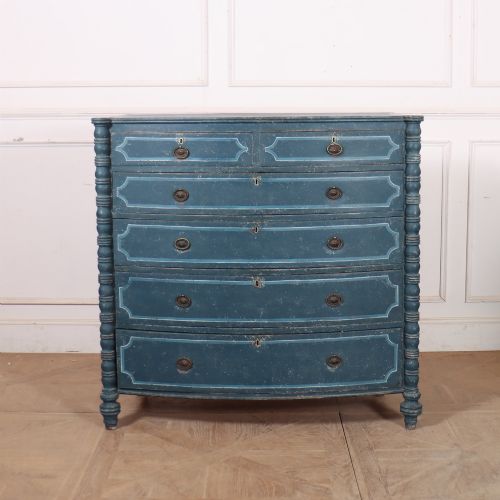
Surfaces often retain original paint, scumble finishes, or polished patination built up from decades of wax and handling. Iron and brass hardware, from drop handles to strap hinges, secured the heavy lids and doors of coffers, mule chests, and cupboards.
Listings feature items spanning the 18th, 19th, and Victorian periods, constructed from oak, mahogany, pine, elm, and painted wood.
Distinguishing quality and craftsmanship
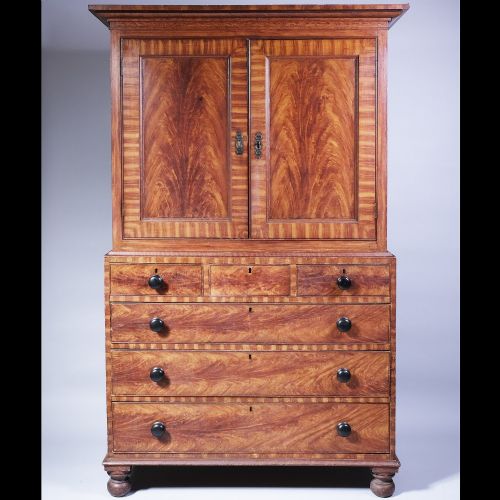
Superior examples reveal themselves through thoughtful timber selection, such as figured flame mahogany or choice quarter-sawn oak, matched symmetrically across drawer fronts. Finer construction is evident in tight, precise dovetailing and secondary woods of equal quality used for drawer interiors and backboards.
Surface preservation dictates much of the appeal, with untouched original paint or undisturbed patinated wax finishes commanding greater interest than heavily stripped or over-restored surfaces. Proportion and balance also separate standard utility items from pieces commissioned with finer architectural mouldings and brass hardware.
Hallett And Sons
The Country House Chest Glossary
- Mule chest
- A storage chest featuring one or more drawers beneath the main lifting lid compartment. This hybrid form gained popularity in the eighteenth century as domestic storage needs evolved.
- Housekeeper's cupboard
- A large storage cabinet traditionally used for housing linens, dry goods, or tableware in large estates. These tall pieces usually combine upper cupboard doors with lower banks of drawers.
- Scumble paint
- A decorative surface treatment applied to mimic finer wood grains or create a mottled texture using translucent glaze over a solid base coat. It was frequently used in Victorian country houses to elevate simpler pine or softwood furniture.
- Wellington chest
- A tall, narrow chest of drawers secured by a hinged locking stile on one side that fastens with a key. The design originated in the nineteenth century to safely store letters or personal documents.
- Coffer
- A large, heavy wooden box with a hinged lid used primarily for storing valuables, textiles, or documents before dedicated wardrobes became common. Early examples often feature joined frame-and-panel construction.
- Flame mahogany
- A decorative veneer cut from timber where the branch meets the trunk, producing a rippling, flame-like grain pattern. Cabinetmakers reserved this material for the primary facades of high-status chests.
Country House Chest: Frequently Asked Questions
What is a country house chest?
A country house chest is a robust storage piece originating from large historic estates, built from timbers like oak, mahogany, or pine to serve practical domestic needs.
These items range from simple planked coffers to refined mahogany drawer units, designed to withstand generations of daily household use.
How were these chests used historically?
They served as primary storage for household textiles, garments, personal papers, and dried goods before fitted wardrobes and closets became standard in domestic architecture.
Larger pieces lived in corridors, bedrooms, or service rooms where sturdy construction protected contents from damp and heavy handling.
How do I care for antique timber?
Maintain stable room humidity and protect the wood from direct sunlight and heat sources that cause timber to dry out and split.
Apply traditional beeswax periodically and buff gently with a soft cloth to nourish the historic patina without sealing the pores.
How do I distinguish Georgian from Victorian pieces?
Georgian pieces generally display simpler structural lines, proportioned carcases, and secondary timbers like oak or deal, often utilising flame mahogany veneers.
Victorian examples frequently introduce softer pine construction, painted or scumbled finishes, heavier brass or iron hardware, and occasional industrial storage formats.