



Victorian Oak Coffer
A victorian oak coffer brings substantial timber storage and robust period character straight into a modern hallway or living space.
Victorian Oak Coffer
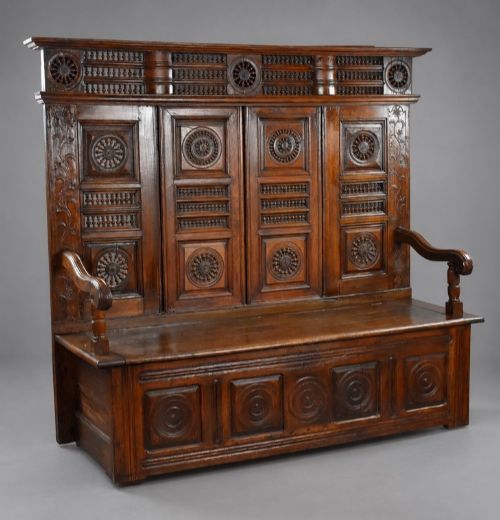
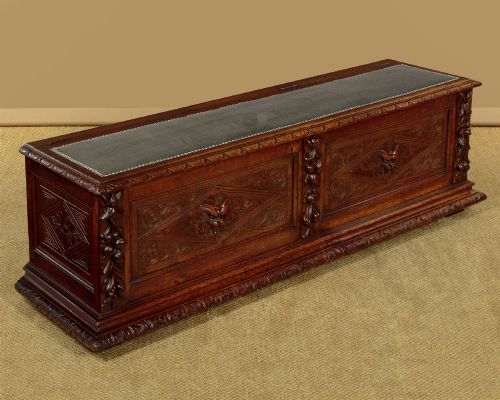
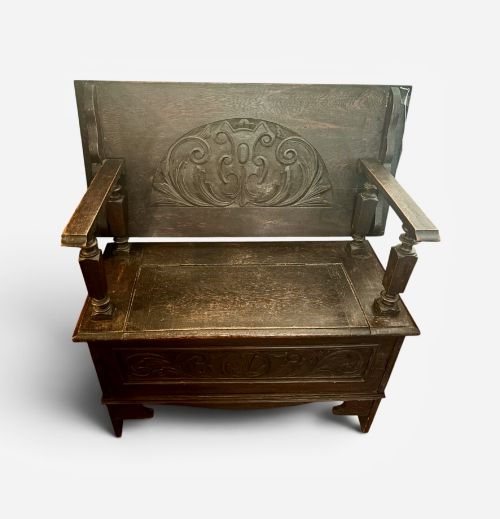
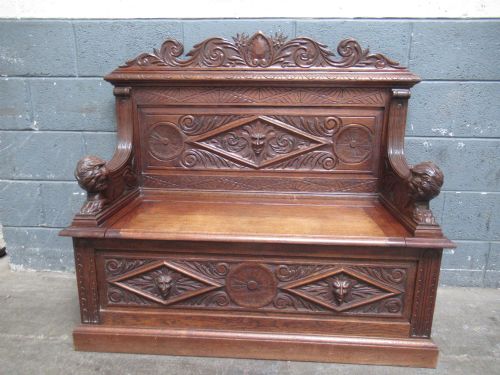
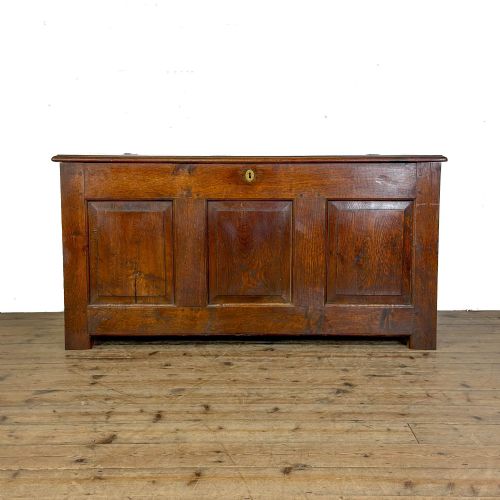
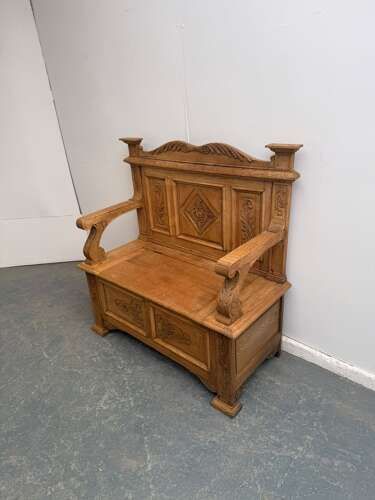
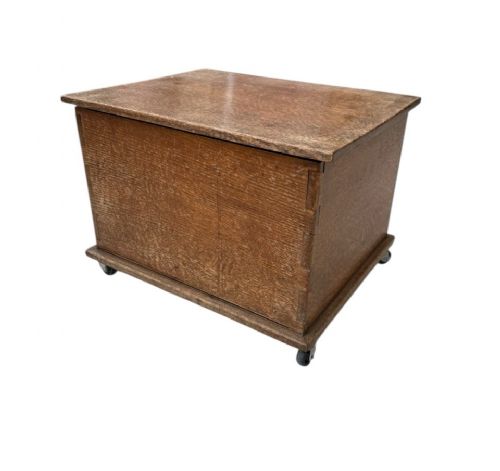
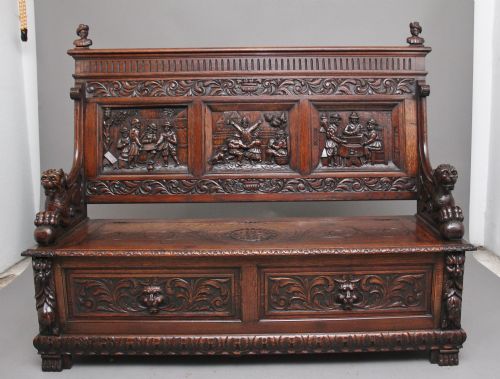
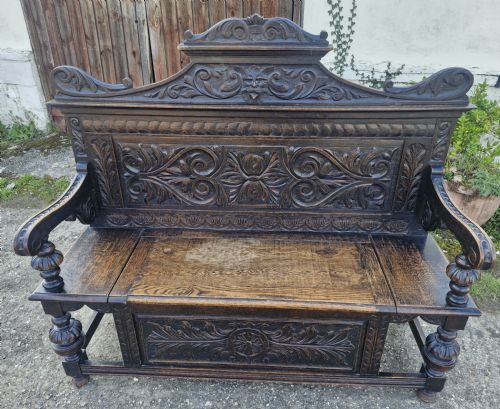
When you search for a victorian oak coffer, you encounter heavy timber storage trunks, blanket boxes, and hybrid seating forms such as hall benches and monks benches. These pieces originate predominantly from the nineteenth century, utilising dense native hardwoods for practical household storage and entrance hall seating.
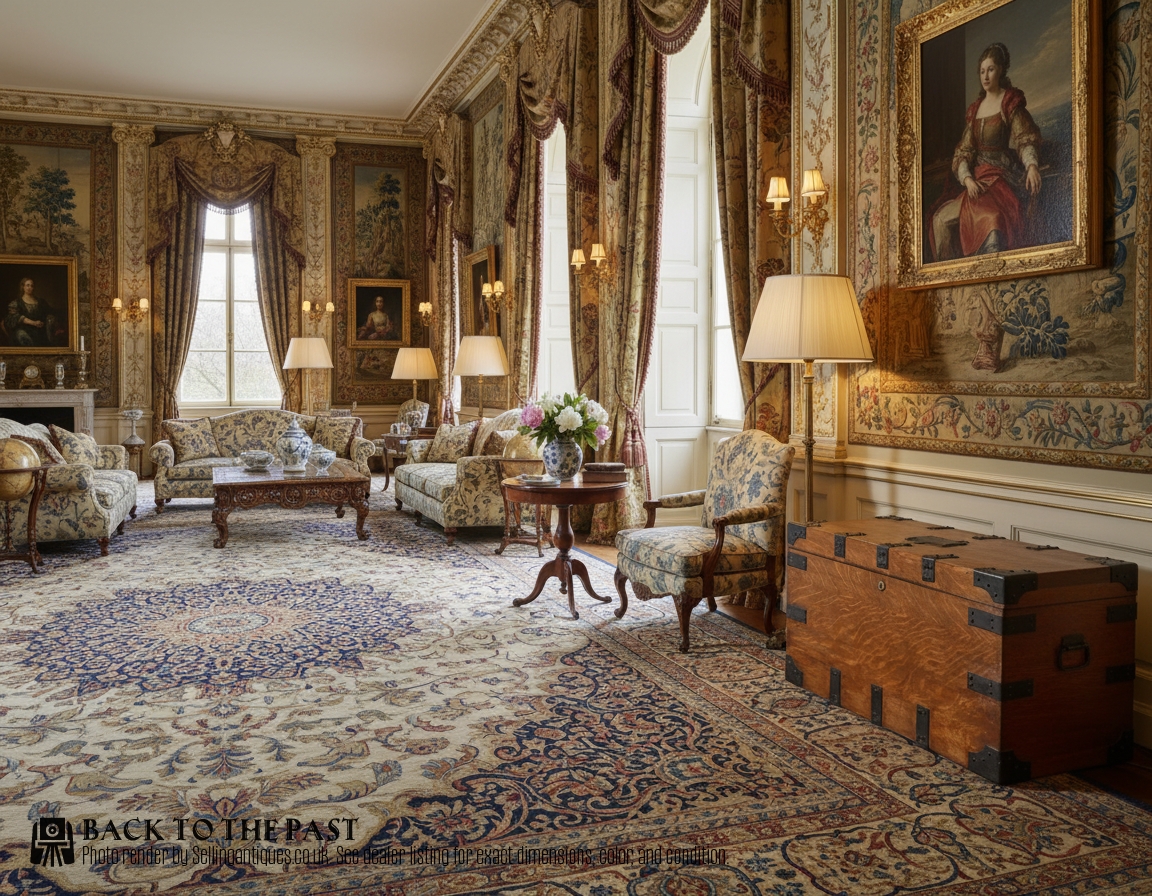
The versions most commonly met on this page include carved panelled coffers, dome-top travelling trunks, and heavy iron-bound silver chests. Many examples feature lift-up lids, internal compartments, and decorative revivals ranging from Jacobean and Gothic motifs to plain country styles.
How They Were Made
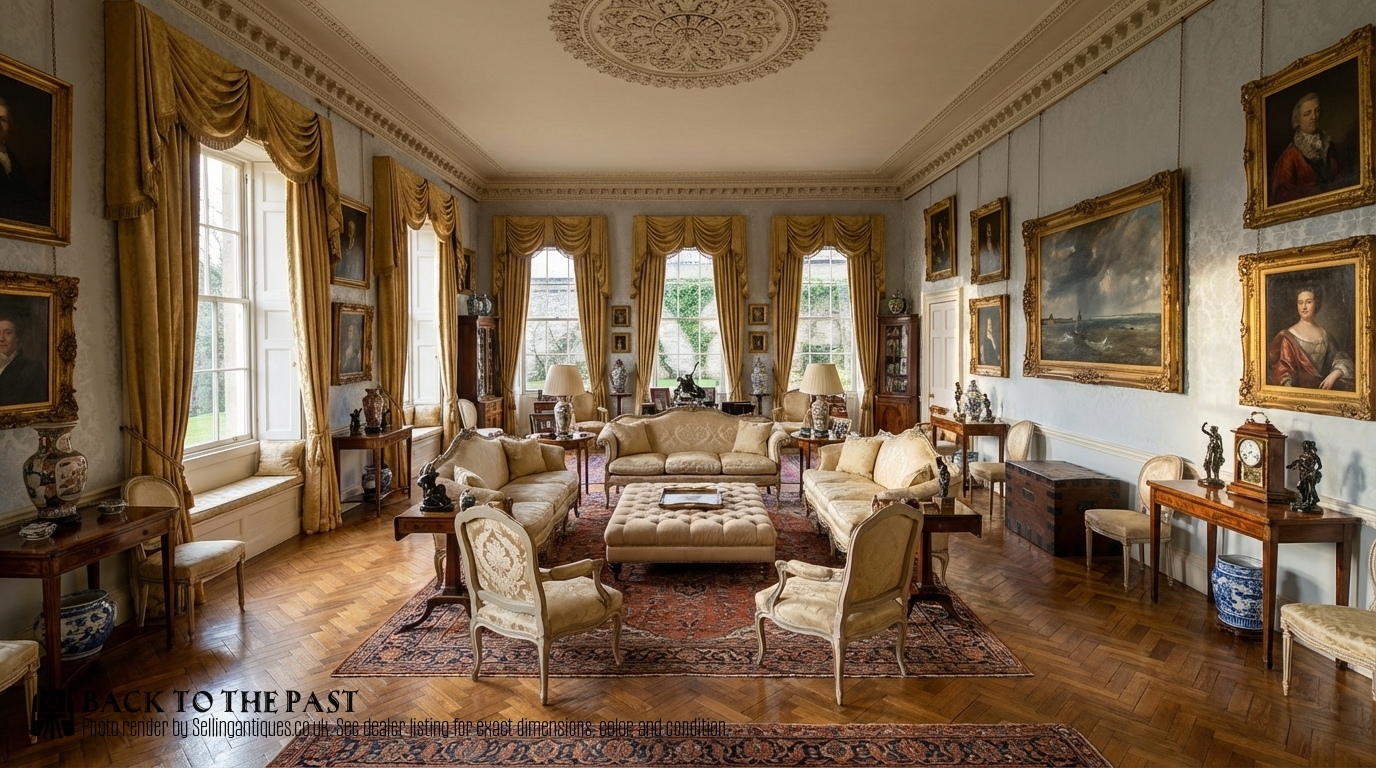
Joiners constructed these chests primarily from solid oak planks, frequently reinforced with hand-forged iron bands, brass corners, and cast iron swing handles for heavy transit. Surfaces received wax or polished finishes that highlighted the natural grain, while internal linings occasionally incorporated leather, fabric, or painted elements.
Carved decoration relied on hand chiselling to render relief panels, linen fold motifs, and figural details like Green Man carvings. Structural joints typically employed traditional pegged mortise and tenon construction to withstand heavy daily use.
Victorian Oak Coffer Retail Price Guide 2026
Typical asking prices for victorian oak coffer among the pieces listed under this phrase on Sellingantiques today, from the lower quarter to the upper quarter. They describe what is for sale here now, not the wider market.
Several trunks preserve bright red or printed fabric interiors that survived a century of military campaigns and grand tours.
What Varies in Quality
The distinction between standard utility boxes and exceptional examples rests in the depth and clarity of the carved woodwork and the robustness of the metal hardware. Heavy iron-bound silver chests with original maker plates command attention for their industrial strength and documentary hardware.
Proportion and timber selection equally determine the tier of a piece, with figured golden oak grains and untouched original wax surfaces sitting well above heavily altered or later assembled items. Original hinges, working locks, and intact internal till boxes elevate the integrity of the surviving trunk.
The Victorian Oak Coffer Glossary
- Mule chest
- A storage chest that incorporates one or more drawers beneath the main lifting compartment. This form bridges the gap between a traditional coffer and a chest of drawers.
- Monks bench
- A multifunctional hall seat featuring a pivoting back that converts from a bench into a table top. These items became popular during nineteenth-century revival periods.
- Silver chest
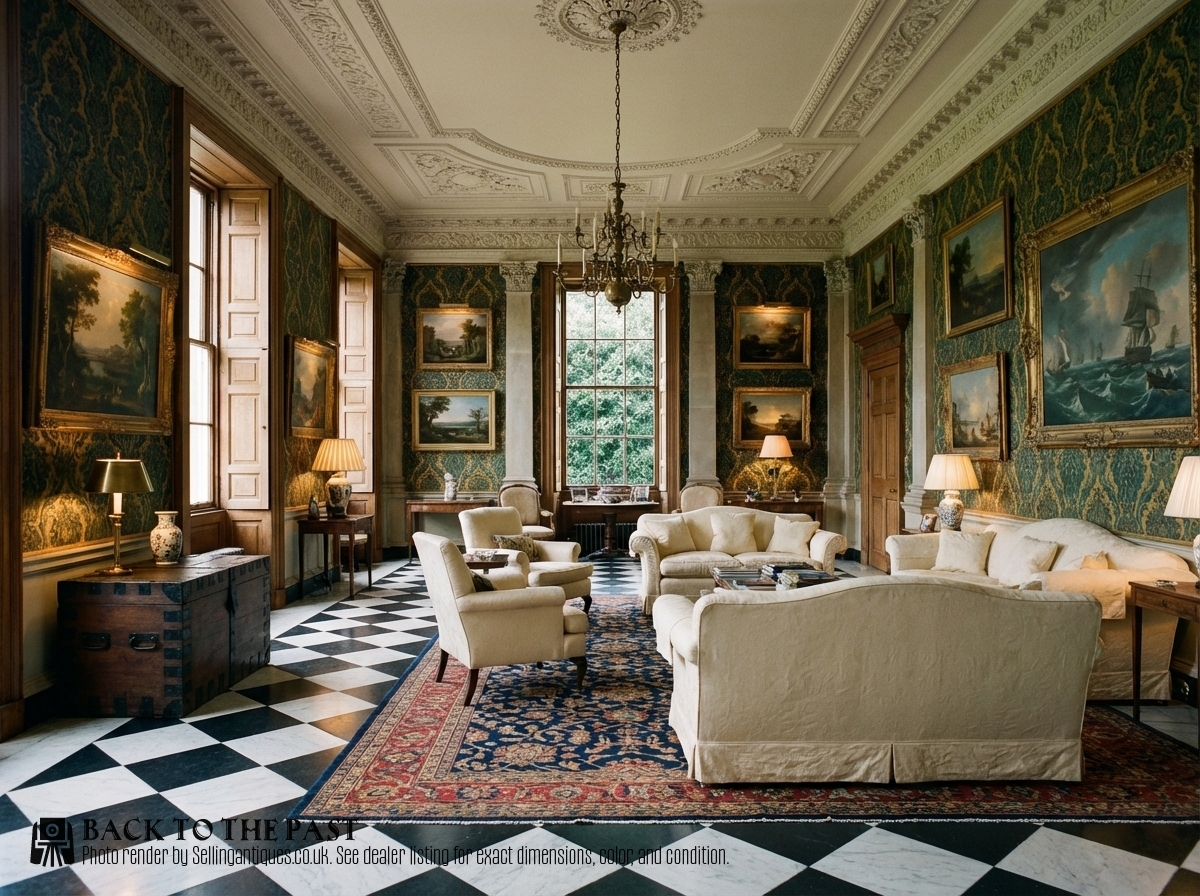
- A heavy-duty oak box reinforced with iron or steel bands and fitted with interior trays. They were originally designed for transporting precious silverware securely.
- Linen fold
- A carved wood panel motif resembling folded cloth. This decorative technique appears frequently on revival furniture pieces.
Victorian Oak Coffer: Frequently Asked Questions
What is a victorian oak coffer used for?
These robust chests serve primarily as practical storage for blankets, bedding, and household items. In an entrance hall or living room, they double as seating benches while keeping clutter out of sight.
Their sturdy construction also allows them to function effectively as coffee tables or statement display surfaces. The heavy-duty silver chests offer secure storage for valuable tableware and collectables.
How do I identify a genuine period piece?
Examine the construction methods, looking for hand-cut joinery, pegged joints, and natural timber shrinkage consistent with nineteenth-century age. Original hardware, such as hand-forged iron straps and working locks, adds strong evidence of period authenticity.
Inspect the interior for signs of genuine wear and consistent patination across all surfaces. Secondary timbers used on the back or base should also match the expected period materials.
Were these chests made for travel?
Many heavy oak boxes and silver chests were built specifically for transport by rail, ship, or military campaign. These transit-focused pieces feature robust iron or brass binding, reinforced corners, and heavy drop handles for lifting.
Standard domestic coffers remained stationary in homes as blanket boxes or hall storage. Travelling trunks often display retailer plaques, destination markings, or regimental details from their journeys.
How do I care for antique oak furniture?
Maintain the wood by applying a quality beeswax periodically to nourish the dry timber and preserve the natural sheen. Avoid placing the chest near direct heat sources or in strong sunlight, which can cause the oak panels to split or warp.
Dust regularly with a soft, dry cloth rather than using silicone-based sprays that damage historic wax finishes. Ensure metal hinges and locks remain clean and lightly oiled to prevent stiffness.