


Campaign Silver Chest
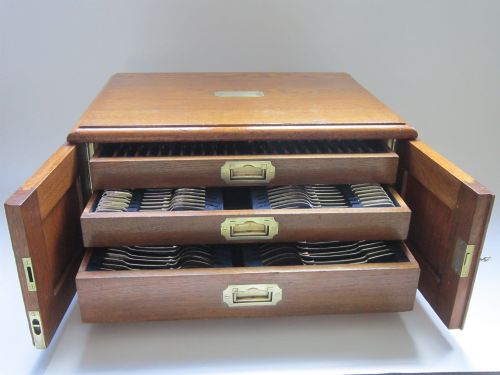
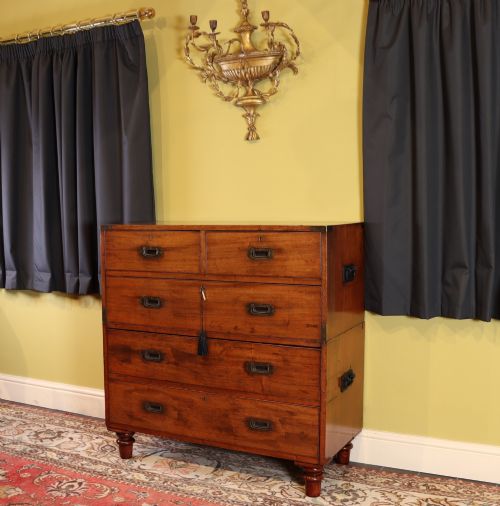
A campaign silver chest is a sturdy travel container built to protect precious tableware on the move, combining utilitarian strength with fine cabinetmaking.
Campaign Silver Chest
A campaign silver chest serves as a robust wooden case designed to transport valuable dining utensils and plate during nineteenth century travel. These heavy trunks protect contents from the rigours of transit across land and sea.
The pieces on this page span the Victorian era, heavily rooted in the mid nineteenth century from eighteen fifty to eighteen eighty. Examples range from plain storage trunks to fitted cutlery canteens.
English oak forms the primary structure for the majority of these chests, often reinforced with iron or steel banding. Mahogany and golden oak variants also appear alongside specialised French campaign dressing chests.
Materials and construction methods
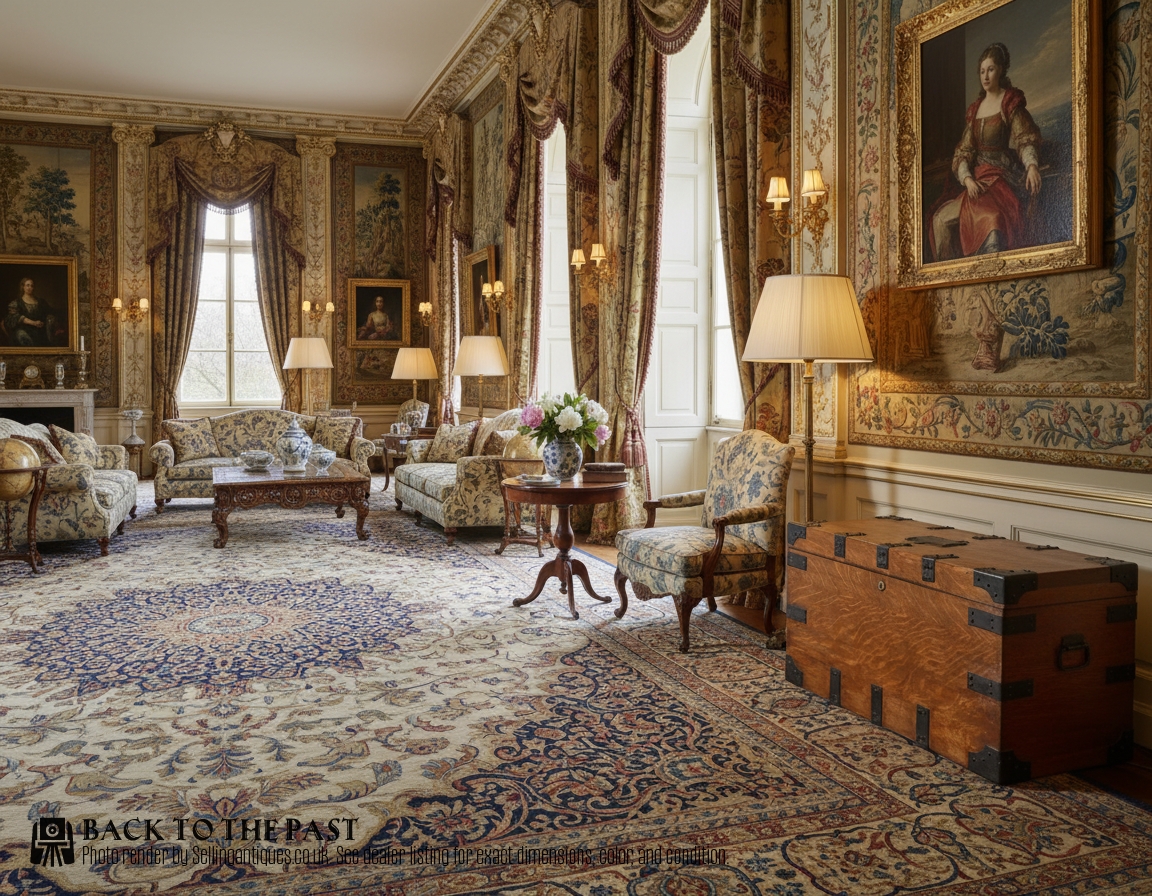
Cabinetmakers built these chests using dense hardwoods such as oak and mahogany to withstand heavy handling. Iron, steel and brass hardware reinforce corners and edges against the strains of transport.
Interiors frequently feature fitted compartments lined with velvet to secure individual pieces of sterling silver or cutlery. Wrought iron or cast iron straps and heavy carrying handles complete the practical assembly.
Some chests retain personalized painted military letter-work, hinting at the long journeys and distinct owners that crossed continents with their silverware.
Quality factors in campaign chests
The distinction between standard storage and superior work rests on the precision of the joinery and the caliber of the metal fittings. Maker attribution to established firms elevates the standing of a piece significantly.
Original fitted interiors and well preserved velvet linings contribute heavily to the desirability of a canteen. Robust iron banding and untouched exterior patination indicate a higher grade of original military equipment.
S. W. Silver & Co.·Elkington
The Campaign Silver Chest Glossary
- Campaign chest
- A portable piece of furniture designed to be easily packed and transported for military officers or travellers. These items often feature recessed brass handles and reinforced corners.
- Canteen of cutlery
- A fitted box or chest containing a complete, matching set of dining silverware. They usually include slotted interior trays to keep utensils separated and secure.
- Fiddle pattern
- A traditional nineteenth century silver flatware design featuring a stem that flares out at the end into a shoulder and a narrow waist. It remains a standard style found in period canteens.
- Sterling silver
- An alloy containing ninety-two point five percent silver and seven point five percent other metals, usually copper, chosen for durability. It represents the standard material for fine tableware found in these chests.
- Iron bound
- A method of reinforcing wooden trunks with straps of iron secured by screws or rivets across the grain. This construction prevents the wood from splitting during rough journeys.
Campaign Silver Chest: Frequently Asked Questions
What is a campaign silver chest?
A campaign silver chest is a heavy wooden trunk reinforced with metal bands, built during the nineteenth century to safely transport tableware during military service or travel.
These pieces combine robust exterior protection with carefully organised interior compartments designed to prevent damage to valuable silver items on the move.
How were these chests used?
Officers and wealthy travellers utilised these chests to carry complete sets of cutlery and silver plate across long distances. The strong construction protected the contents from moisture and rough handling.
At the destination, the chest doubled as a secure storage container and a practical serving base within temporary quarters or ships.
How do I style a silver chest at home?
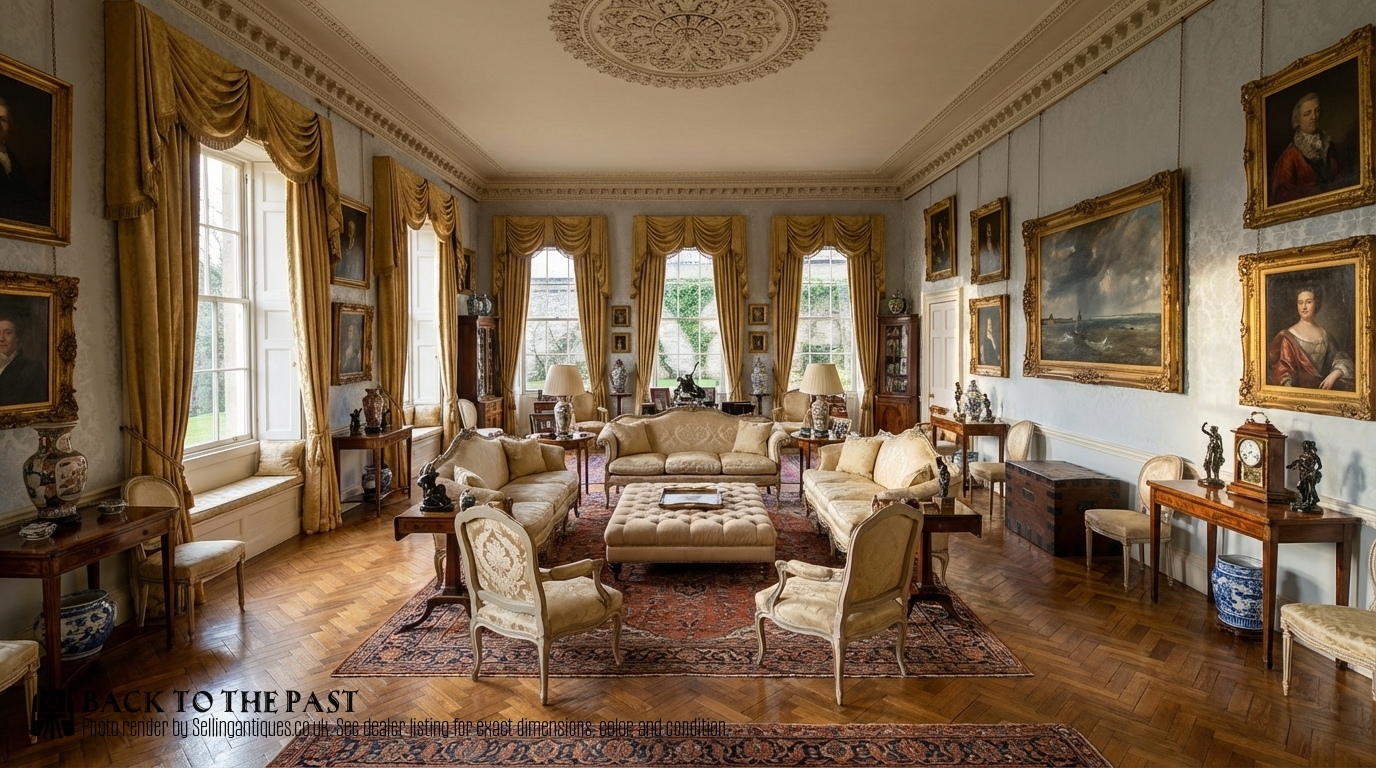
These chests function well as striking coffee tables or sideboards in a living space, offering substantial surface area and internal storage. Their dark oak and iron banded exteriors complement traditional and industrial interiors alike.
Placing the chest where the top surface remains accessible allows you to display decorative objects while utilising the deep interior for blankets or household items.
How do I date a nineteenth century chest?
Dating relies on examining the timber, the style of the iron or brass hardware, and any maker marks stamped into the wood or metal. Mid nineteenth century examples often display heavy oak construction with hand-forged iron straps.
Later Victorian pieces from the eighteen eighties tend to feature machine-rolled steel bindings and more standardised internal fittings compared to their earlier counterparts.