


19th Century Silver Chest
A 19th century silver chest is a sturdy box built to protect tableware, offering robust oak and iron construction that collectors value for security and history.
19th Century Silver Chest
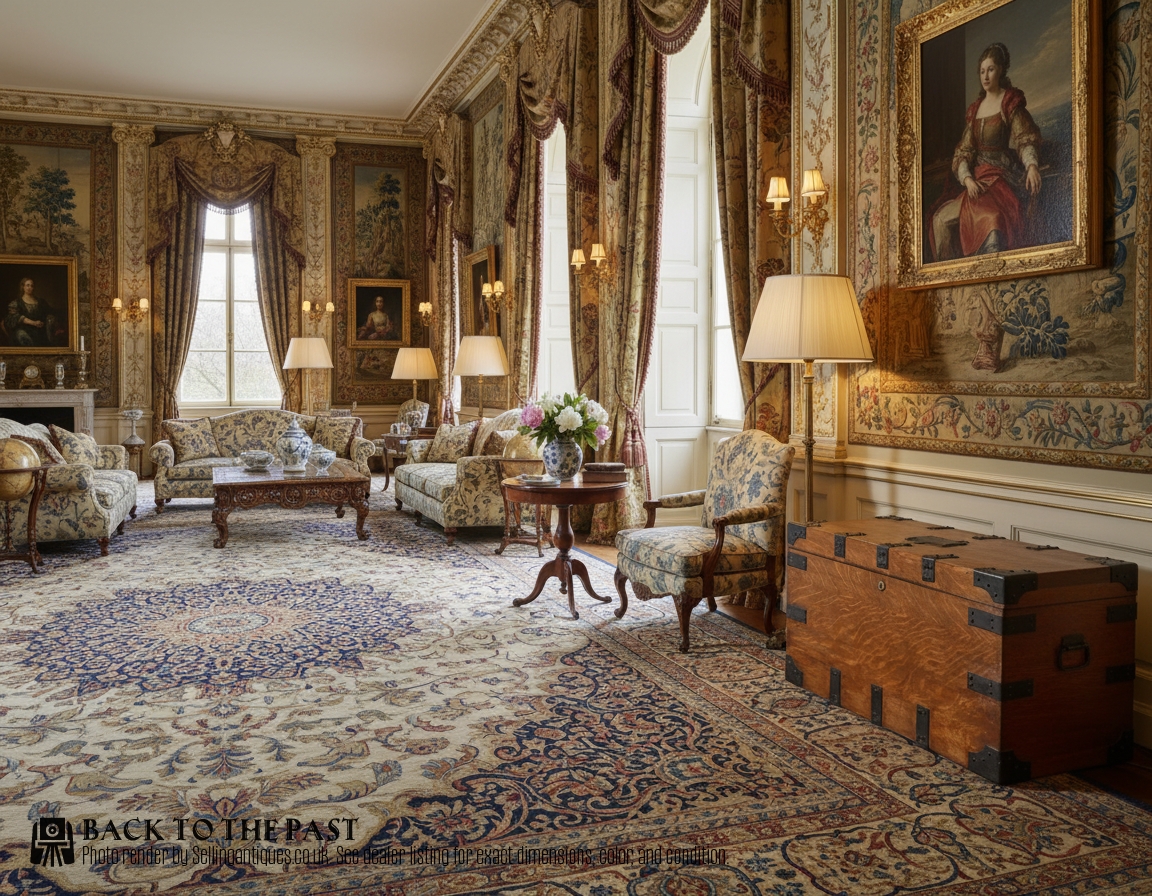
A 19th century silver chest is primarily a heavy storage trunk built from oak and reinforced with iron or brass bands. These pieces were designed to secure valuable household silver during transport or within large estates.
The version most commonly met on this page is the English Victorian oak chest, frequently fitted with cast iron corner braces and drop handles. Such trunks often retain interior compartments lined for cutlery and tea service.
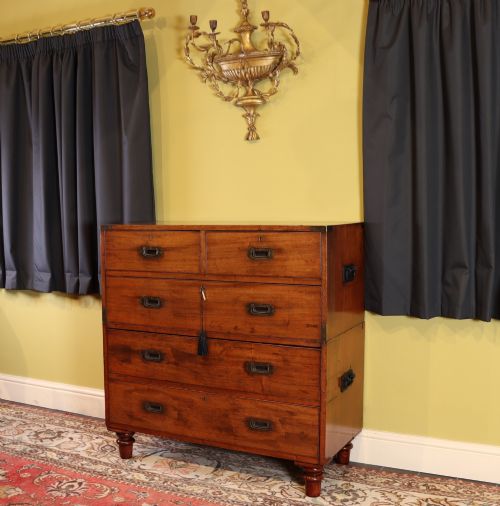
Alternative forms appearing here include campaign chests and travelling boxes finished in mahogany, satinwood, or coromandel. These smaller variants catered to officers and travellers requiring portable security for personal valuables.
Materials and Construction
Makers built these chests using dense timbers like oak and mahogany to withstand heavy loads and rough transit. Joinery relied on sturdy box construction, reinforced on exterior edges with heavy iron straps and brass corner plates.
Hardware played a functional role in construction, utilising brass name plaques, heavy drop handles, and mortise locks. Interiors frequently incorporated baize or velvet linings to cushion individual pieces of silverware.
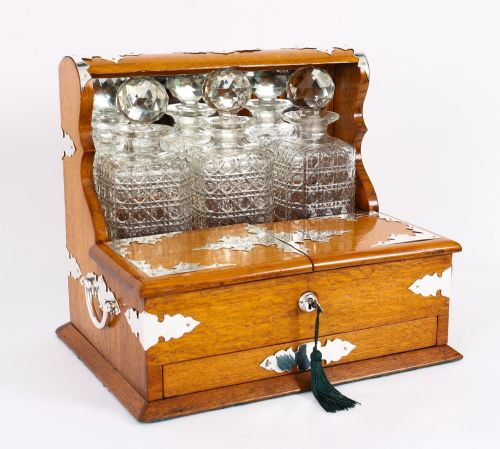
Specialised examples integrated complex internal mechanisms, such as secret drawers, locking bars, and fitted compartments for decanters or jewellery.
Some chests still whisper of past dinner parties through the faint, lingering scent of old cedar linings and forgotten silver polish.
Distinctions in Quality
Quality rests in the precision of the hardware and the selection of timber. Superior chests display heavy-gauge brass or forged ironwork fitted flush to the wood, alongside finely grained oak boards.
The integrity of the interior fittings marks the distinction between standard utility boxes and pieces commissioned from notable makers. Original velvet linings, working locks with original keys, and fitted trays elevate a piece considerably.
S. W. Silver & Co.·Elkington·Carrington & Co.
The 19th Century Silver Chest Glossary
- Campaign chest
- A portable set of drawers or a box built in sections with recessed brass handles for military transport.
- Escutcheon
- A protective plate surrounding a keyhole, usually made of brass on these chests.
- Tantalus
- A locking beverage stand displaying decanters while preventing unauthorised access to the contents.
- Compendium
- A fitted box containing various games, writing materials, or barware items within one housing.
- Baize
- A coarse woollen material commonly used to line the internal trays and dividers of storage chests.
19th Century Silver Chest: Frequently Asked Questions
What were 19th century silver chests used for?
These chests served primarily to store, protect, and transport heavy family silver services between town houses and country estates.
Their robust construction safeguarded valuable metalware from theft, tarnish, and the knocks of horse-drawn travel.
How do I identify a Victorian silver chest?
Victorian examples typically feature heavy oak bodies secured with dark iron bands and fitted with robust drop carrying handles.
Many retain brass plaque inscriptions naming the original owner or regiment upon the lid.
Are these chests suitable for modern home storage?
Their heavy-duty build makes them practical coffee tables, blanket boxes, or secure storage trunks for modern living spaces.
The compartmentalised interiors also adapt well to organising household items.
What is the difference between a silver chest and a campaign chest?
A silver chest is a heavy, reinforced utility box intended for bulk tableware storage rather than daily modular living.
Campaign chests are split-carcase sets of drawers engineered specifically for military officers on the move.