
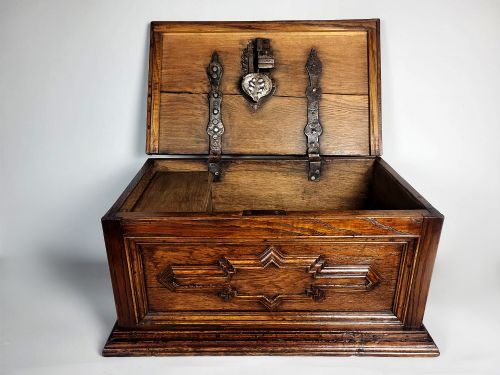
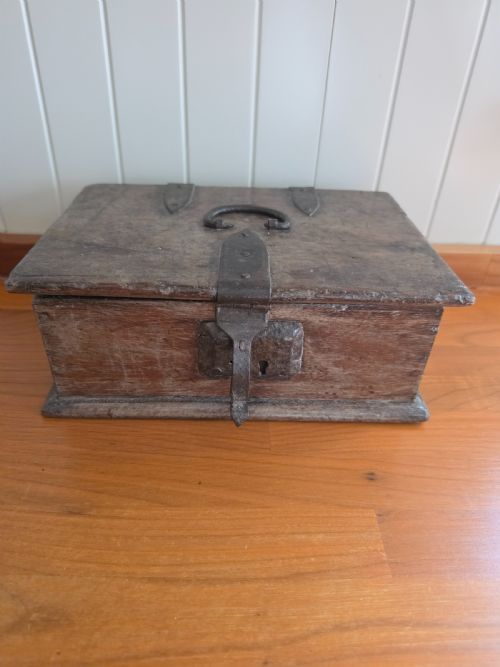
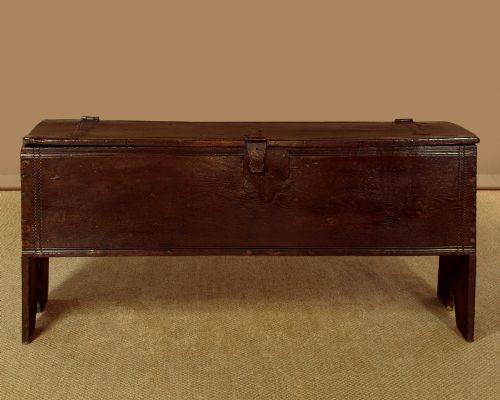

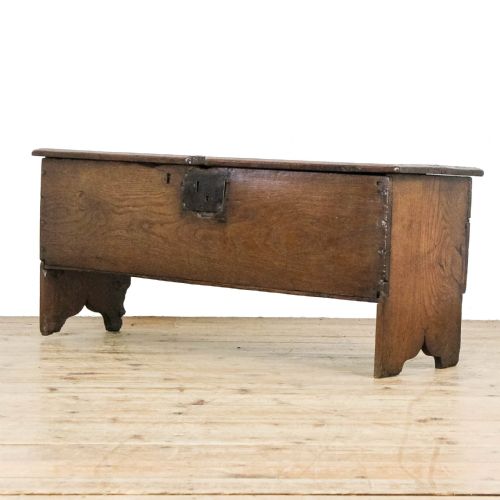


Iron Bound Oak Chest
An iron bound oak chest combines sturdy timber with heavy metal straps to protect valuables on the move.
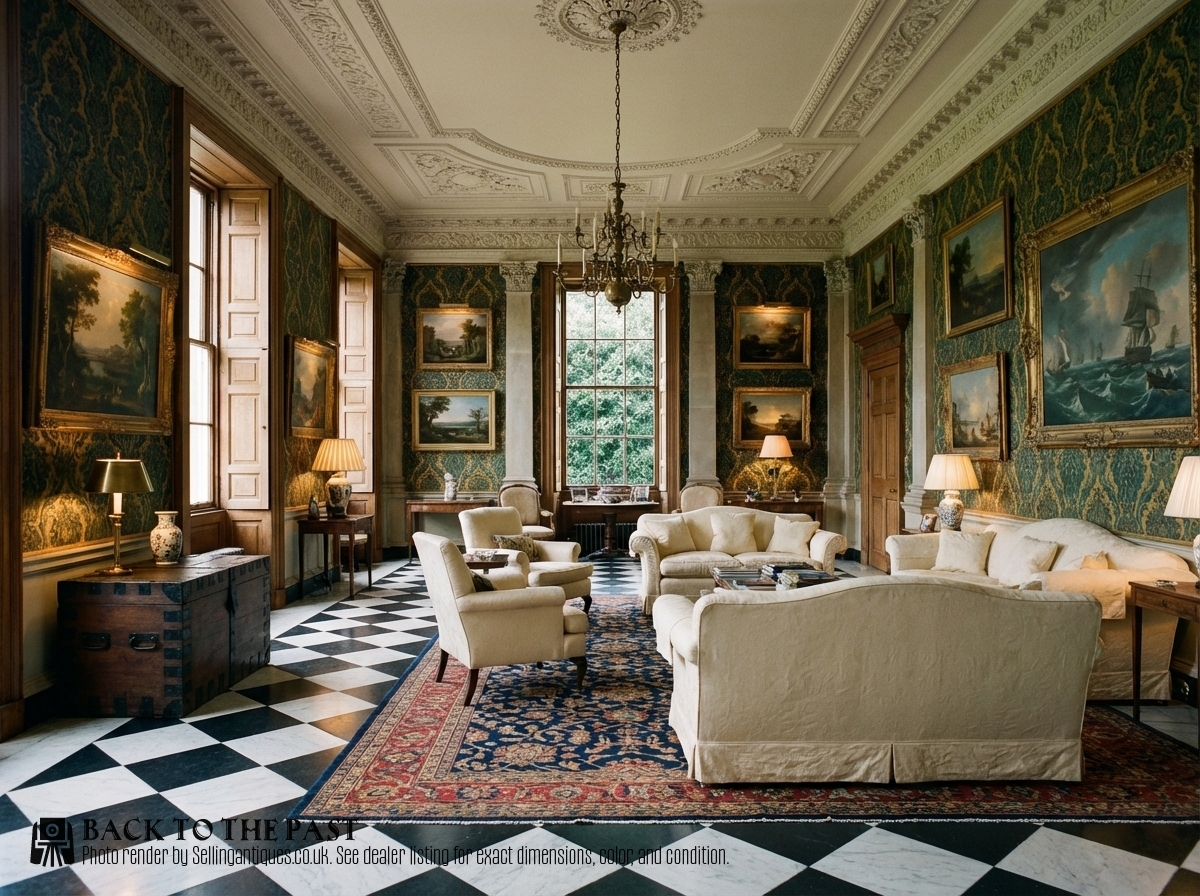
Iron Bound Oak Chest
An iron bound oak chest serves as a robust receptacle designed for secure storage and travel, frequently found in forms such as silver chests, strong boxes and military trunks. These pieces surface from periods spanning the sixteenth century through the Victorian era, reflecting centuries of utilitarian craftsmanship.
The version most commonly met on this page is the nineteenth-century Victorian silver chest, alongside earlier seventeenth-century coffers and sword chests. Buyers seek these containers for their structural integrity and the patination accumulated across generations of use.
Materials and Construction
The primary construction relies on solid oak boards joined to form deep rectangular bodies, often reinforced with pine or chestnut in specific regional examples. Carpenters fastened these timbers using dovetail or tongue-and-groove joints to withstand heavy loads and rough transit.
Wrought iron, cast iron or steel bands are fixed externally with numerous clout nails to protect the corners and edges from impact. Complex internal steel locks and brass fittings complete the hardware, securing the lid against forced entry.
Iron Bound Oak Chest Retail Price Guide 2026
Typical asking prices for iron bound oak chest among the pieces listed under this phrase on Sellingantiques today, from the lower quarter to the upper quarter. They describe what is for sale here now, not the wider market.
Listings feature oak chests bound in iron, steel and brass, spanning the sixteenth century to the Edwardian period.
Assessing Quality and Merit
Quality rests upon the integrity of the original hardware and the preservation of the timber surface. Examples retaining their complex working steel locks and original keys command greater interest than those altered or fitted with later replacements.
The refinement of the iron strapping and the presence of maker inscriptions or personalised campaign letter-work elevate a piece. Superior chests display crisp dovetailing and uncompromised structural depth without extensive timber replacement.
H D Dean·Bond Street Silversmith Retailer
The Iron Bound Oak Chest Glossary
- Silver chest
- A heavy storage trunk lined for the transport and preservation of domestic plate. These containers often feature fitted internal trays and robust iron carrying handles.
- Cofer
- An early form of strong box or chest used for storing valuables, typically constructed with a domed or flat lid and heavy metal reinforcement. The term shares roots with coffer.
- Campaign chest
- A portable piece of furniture designed for military officers on active service, built to dismantle or travel easily. They frequently incorporate brass corners and recessed carrying handles.
- Strong box
- A compact, secure box intended for currency or important documents, generally fitted with an intricate internal locking mechanism. These pieces date predominantly from the seventeenth and eighteenth centuries.
- Strapwork
- Decorative or reinforcing metal bands applied to the exterior of a chest. In earlier pieces, these wrought iron straps provide both structural strength and visual rhythm.
Iron Bound Oak Chest: Frequently Asked Questions
What were iron bound oak chests originally used for?
These robust containers served to transport and secure valuable household possessions, ranging from silverware and documents to military equipment during campaigns. Their heavy construction protected contents from theft and damage during travel by sea or coach.
Over time, wealthy households utilised them as stationary storage within country houses or merchant offices. The combination of thick oak and iron strapping ensured that contents remained secure against both intruders and the elements.
How do I date an antique iron bound chest?
Dating relies on observing construction methods, timber selection and the style of the ironwork. Sixteenth and seventeenth-century pieces often feature hand-planed boards and complex wrought iron strapwork, while Victorian silver chests typically display machine-sawn timber and cast iron bands.
Hardware details such as lock mechanisms and carrying handles also provide chronological markers. Earlier locks are intricate and hand-forged, whereas later nineteenth-century examples standardise production methods.
Are these chests suitable for modern coffee tables?
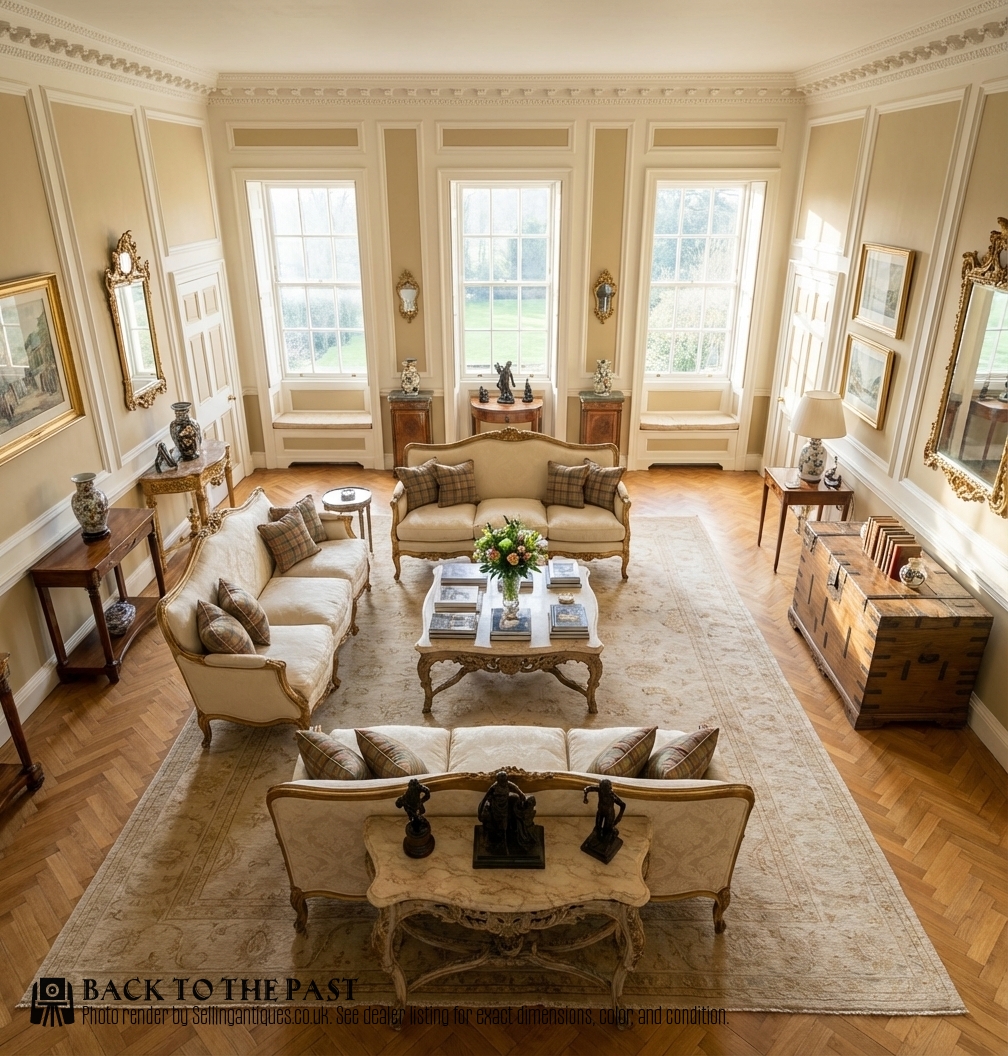
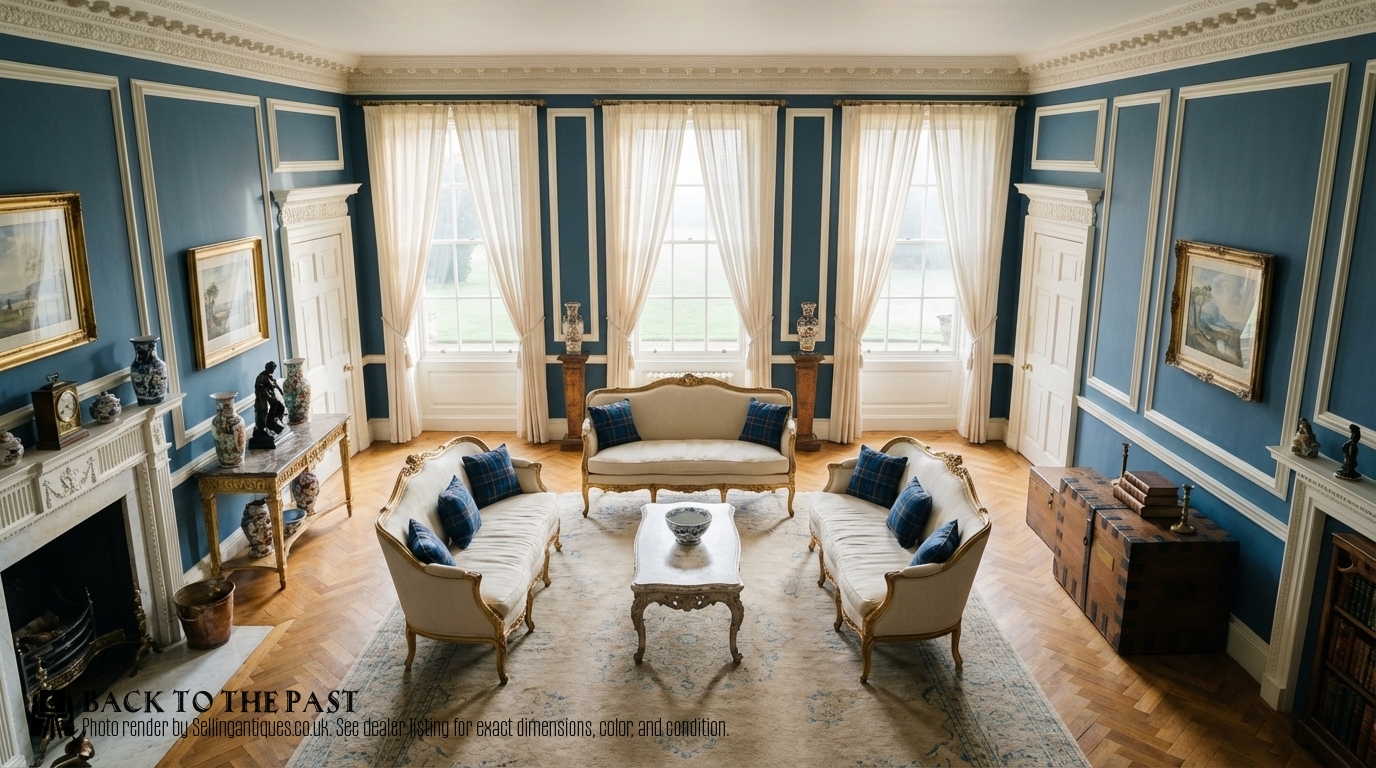
Their flat lids and substantial proportions make them practical choices for alternative uses in contemporary interiors. Many buyers position them in living spaces to function as low tables while providing concealed storage.
When using a historic chest in this manner, ensure the surface finish is protected from moisture and heat. The natural patinated oak and iron mounts complement both traditional and modern rooms.