

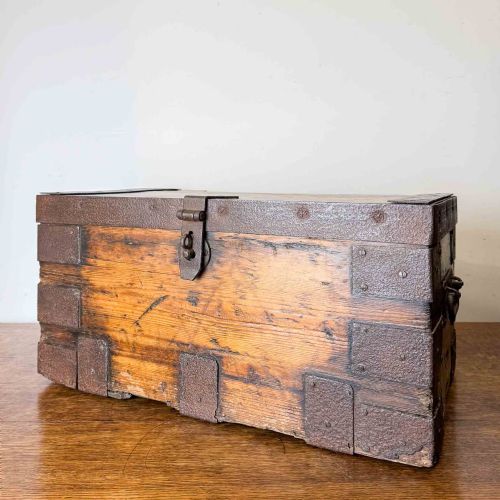

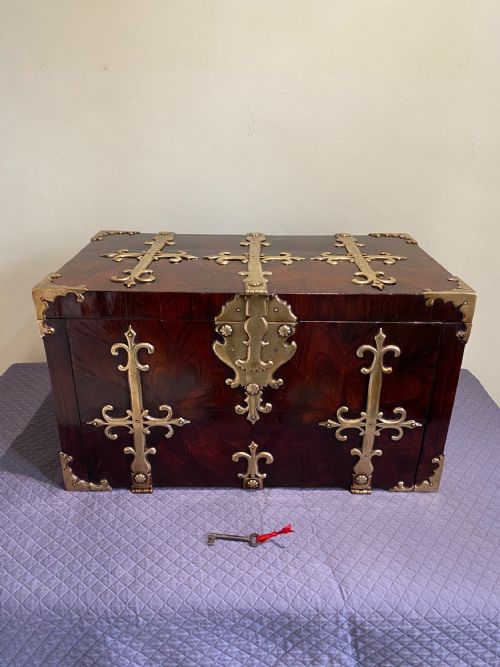


Antique Strongbox Trunk
An antique strongbox trunk is a formidable repository of security and craftsmanship, built to safeguard valuables across centuries.
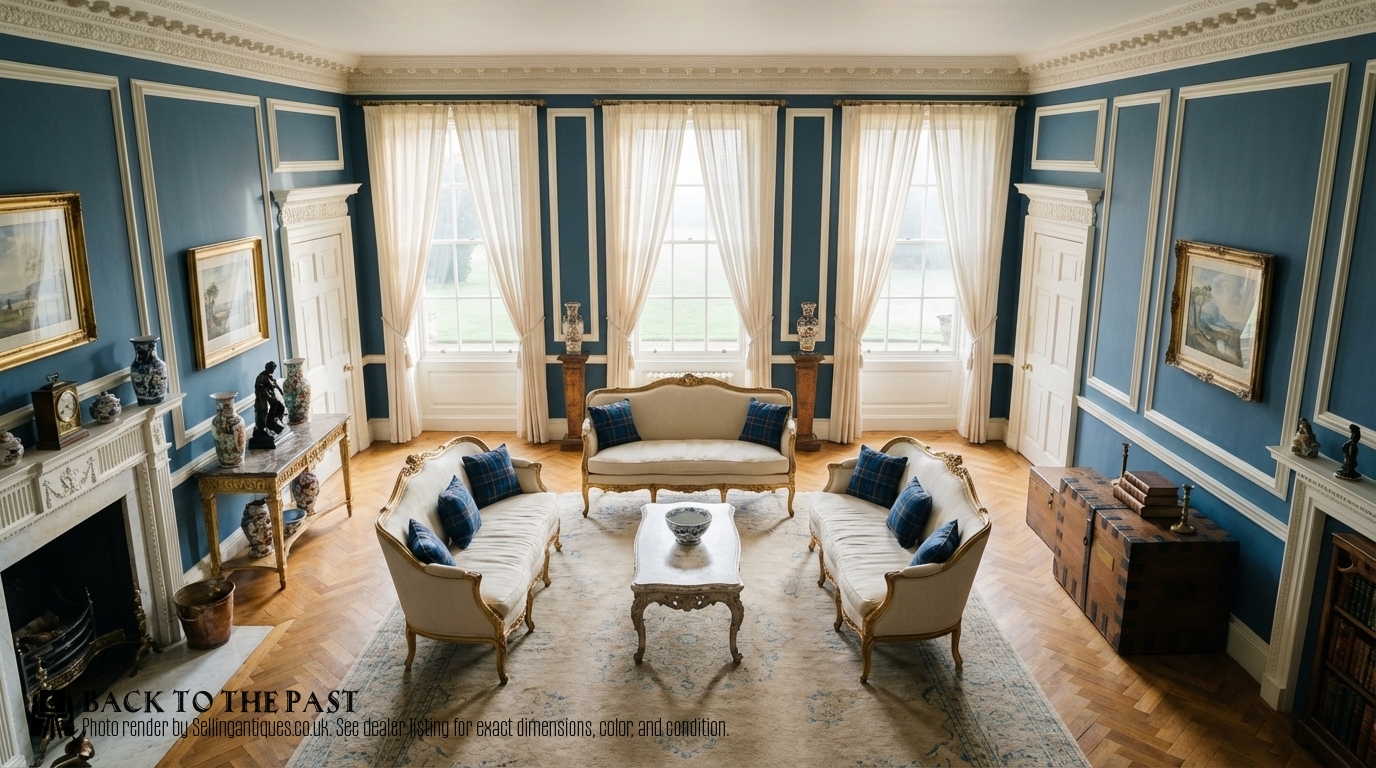
Antique Strongbox Trunk
When you search for an antique strongbox trunk, you encounter heavy-duty storage containers designed for security and travel. These pieces span from the sixteenth century through the Victorian era, encompassing diverse regional workshops.
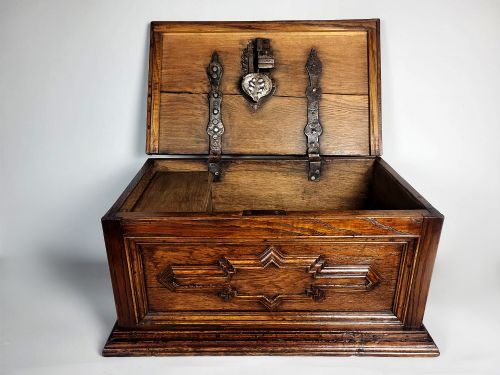
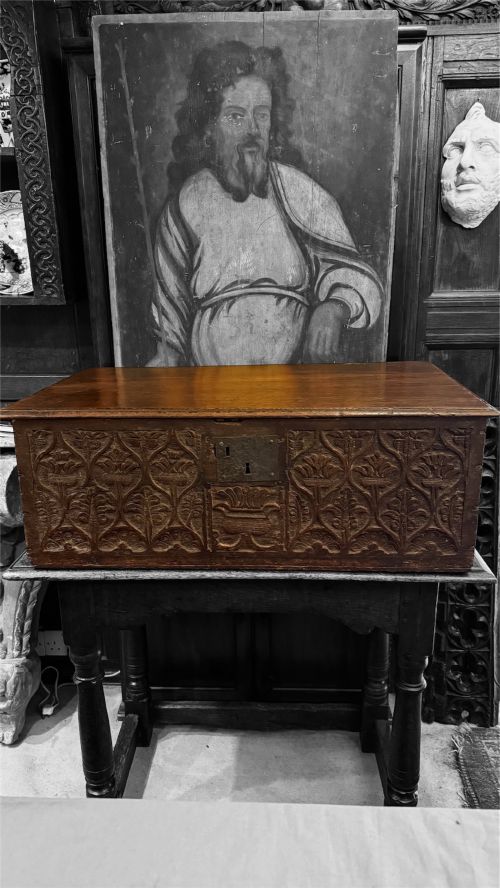
You are most likely to meet nineteenth-century examples on this page, particularly oak silver chests bound in iron or Scandinavian painted pine boxes. Earlier pieces include seventeenth-century oak safe boxes and sixteenth-century Nuremberg caskets.
The forms range from compact caskets and document bible boxes to large iron-banded coffers and mail carriage security chests. Each variant reflects the specific security needs of its period, whether for domestic silver or international transit.
Materials and construction methods
These strongboxes combine robust timbers such as oak, elm, and pine with structural reinforcement in iron, wrought iron, and brass. Metal strapping and corner brackets secure the wooden carcasses against forced entry and transport damage.
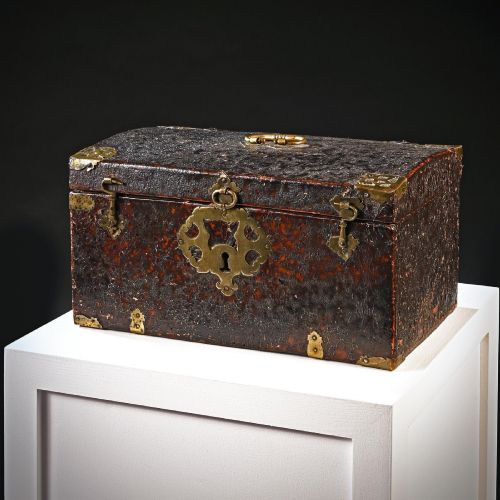
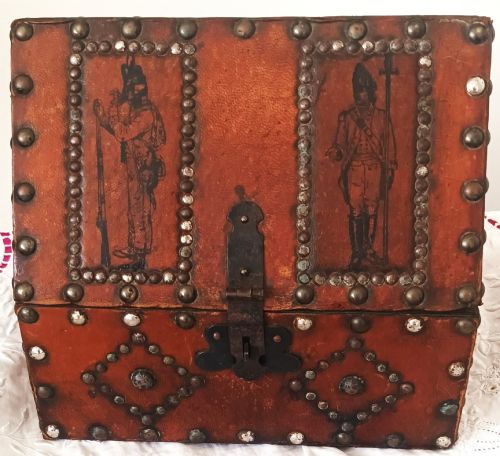
Complex internal and external locking mechanisms define many pieces, utilising original steel locks and intricate strapwork. Leather and paint also appear on select examples, adding exterior decoration or weather resistance to the wooden or metal foundations.
The listings span from the 16th century to the Victorian era, utilising oak, iron, brass, pine, leather, and paint.
Assessing quality in strongboxes
The sophistication of the locking mechanism largely dictates the calibre of a strongbox, with original complex steel locks setting finer examples apart. The integration of the metal strapping and the precision of the iron work further distinguish master-built pieces from utilitarian containers.
The integrity of the primary timber and the survival of original surface treatments, whether hand-painted finishes or aged leather coverings, determine the visual standing of the trunk. Coherence between the period construction and the hardware reveals the true merit of the piece.
The Antique Strongbox Trunk Glossary
- Armada chest
- A heavy iron strongbox traditionally associated with Spanish naval salvage, featuring internal locking bars that secure the entire lid.
- Casket
- A smaller ornamental box or chest used for holding jewels, documents, or valuables, often highly decorated.
- Coffre fort
- A French term for a strongbox or safe, denoting a heavily reinforced chest built for secure storage.
- Nuremberg casket
- A portable steel strongbox produced in Germany during the sixteenth and seventeenth centuries, known for elaborate etched decoration and concealed lid mechanisms.
Antique Strongbox Trunk: Frequently Asked Questions
What were antique strongboxes used for?
These chests served to protect currency, important documents, family silver, and high-value portable goods from theft and fire. Wealthy households, merchants, and institutions relied on them for secure storage both at home and during travel.
Over time, specific variants emerged for distinct tasks, such as mail carriage chests for transit and silver chests for domestic plate. Their heavy iron banding and complex locks were physical deterrents against intruders.
How do I identify a seventeenth-century strongbox?
Seventeenth-century examples typically feature solid oak construction joined by hand, accompanied by heavy wrought iron strapwork and complex internal locking systems. The proportions tend to be utilitarian and robust, reflecting the period's focus on domestic security.
Detailing on these early pieces often includes visible dovetail joints, hand-hammered iron nails, and original steel lock plates. Comparing the timber patination and hardware style helps confirm the age.
Where were Scandinavian painted strongboxes made?
Scandinavian strongboxes originated primarily in rural workshops across Sweden, utilising local pine or oak as the primary substrate. Artisans applied hand-painted finishes to the exterior surfaces, often featuring decorative floral or geometric motifs.
These pieces brought colour and folk art tradition into Scandinavian homes while maintaining sturdy iron bindings for practical security. The surviving painted surfaces provide clear indicators of their regional origin.
How should I care for an iron-bound wooden chest?
Maintain a stable room environment with moderate humidity to prevent the oak or pine from splitting and the iron components from rusting. Avoid placing the chest near direct heat sources or in damp areas.
Apply a microcrystalline wax sparingly to protect the wood surface and inhibit oxidation on the metal straps. Preserve original painted finishes and leather bindings by keeping them away from direct sunlight.