


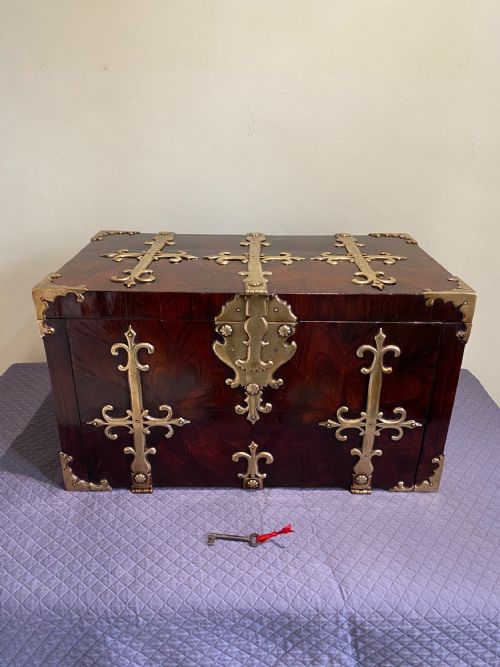

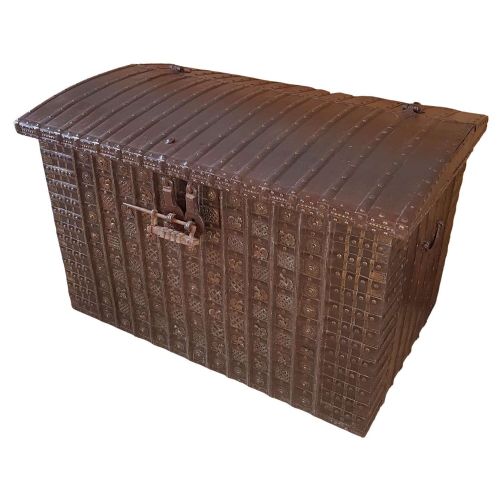


Metal Bound Chest
A metal bound chest combines utilitarian strength with domestic presence, offering robust storage shaped by centuries of travel and security.
Metal Bound Chest
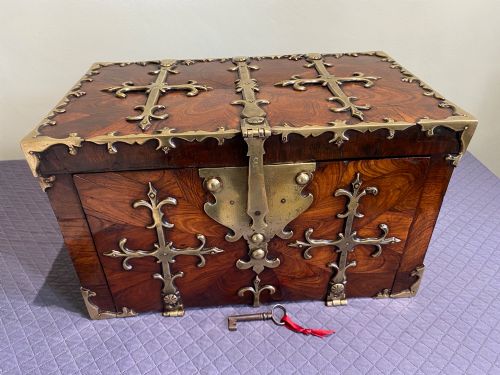
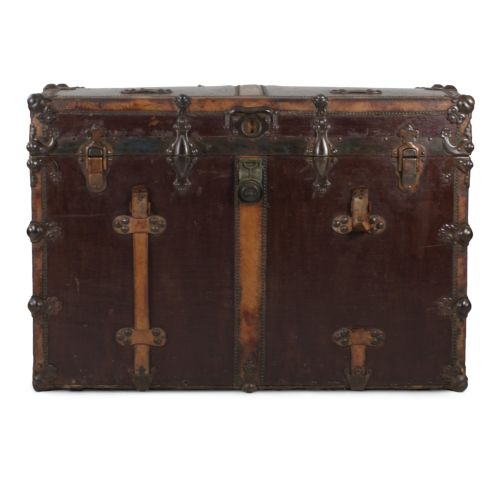
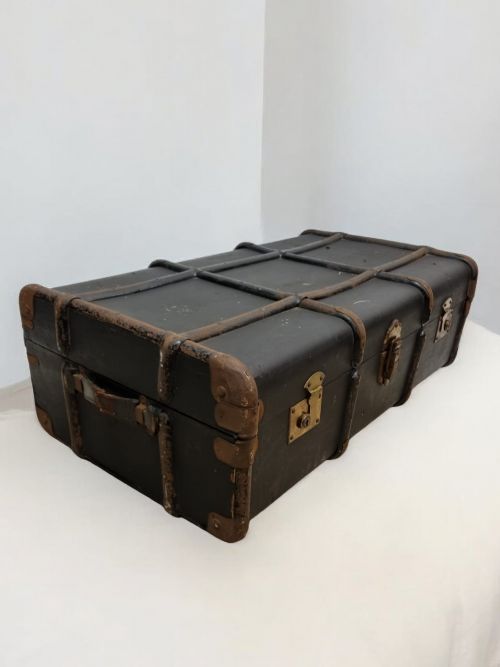
A metal bound chest is a sturdy storage piece designed for transport, security, or domestic organisation, appearing in forms ranging from heavy silver chests to travelling trunks and dome-topped coffers.
The versions most frequently met on this page date from the nineteenth century, constructed in oak, pine, or teak with iron and brass reinforcement.
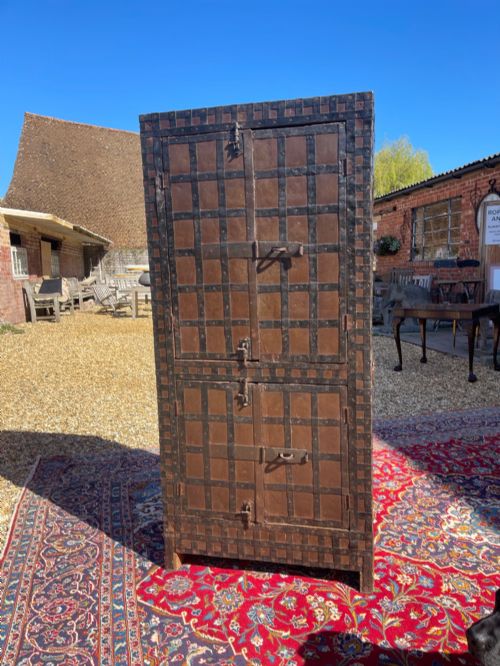
These pieces encompass regional styles such as Anglo-Indian dowry chests, Japanese tansu, and European campaign luggage alongside traditional British silver and travel trunks.
How they were made
Makers built these pieces using solid timbers like oak, pine, and teak, often reinforced with hand-beaten iron straps, bands, or brass corners to withstand heavy transit.
Joinery combined traditional dovetailing with heavy metal corner braces, flush drop handles, and complex locking mechanisms secured by steel plates.
Surfaces were finished with leather coverings, painted decoration, or polished wood, complemented by internal zinc linings or compartmentalised fitted trays.
Listings feature woods including oak, pine, teak, mahogany, and kingwood, combined with iron and brass hardware.
What varies in quality
Quality rests upon the integrity of the original construction, distinguishing heavy domestic silver chests and fitted campaign pieces from lighter utility trunks.
The refinement of the hardware, including engraved brass plaques, working locks with original keys, and hand-forged iron strapping, marks the difference between standard production and exceptional examples.
State of preservation defines value, particularly where internal trays, original fabric linings, or painted surfaces survive largely intact.
Samuel Pratt·Seaward·Allen of London·Seabrook of St.Pauls·Hartman Luggage Co.·Elkington & Co
The Metal Bound Chest Glossary
- Silver chest
- A heavy timber box reinforced with iron or brass, specifically designed to store and transport family silver securely. These pieces often feature fitted internal trays and brass name plaques.
- Campaign trunk
- A portable storage case made for military officers or travellers, typically fitted with flush carrying handles and robust corner brackets. They often dismantle or contain nested compartments.
- Coffre forte
- A French term for a strongbox or heavily secured chest, frequently veneered in exotic woods like kingwood and fitted with intricate internal locking mechanisms. They date back to the seventeenth century.
- Strapping
- Metal bands of iron or brass affixed across the exterior of a chest to reinforce the joints and protect the wood from impact during travel. It forms a defining visual element of the piece.
- Damchiya
- An Indian dowry chest characterised by low proportions, heavy iron banding, and decorative carved panels. These storage items served traditional domestic functions in regions such as Rajasthan.
Metal Bound Chest: Frequently Asked Questions
What were metal bound chests used for originally?
These chests served primarily for secure transport and storage of valuable possessions during travel across land and sea. Owners utilised them for silver service, military equipment, and personal belongings.
Heavier examples remained stationary in country houses or merchant offices as strongboxes. Lighter trunks accompanied owners on steamships and stagecoaches, protecting contents from weather and rough handling.
How do I tell an older chest from a Victorian one?
Earlier pieces from the seventeenth and eighteenth centuries often feature hand-forged ironwork, pegged oak construction, and simpler internal layouts without complex partitioning. Styles like Baroque revival or plain robust coffer forms dominate.
Victorian and later examples introduce factory-produced brass hardware, machine-cut dovetails, zinc linings, and fitted tray inserts. Makers' plaques and stamped serial numbers become common on nineteenth-century travel luggage.
Are these chests suitable for modern home storage?
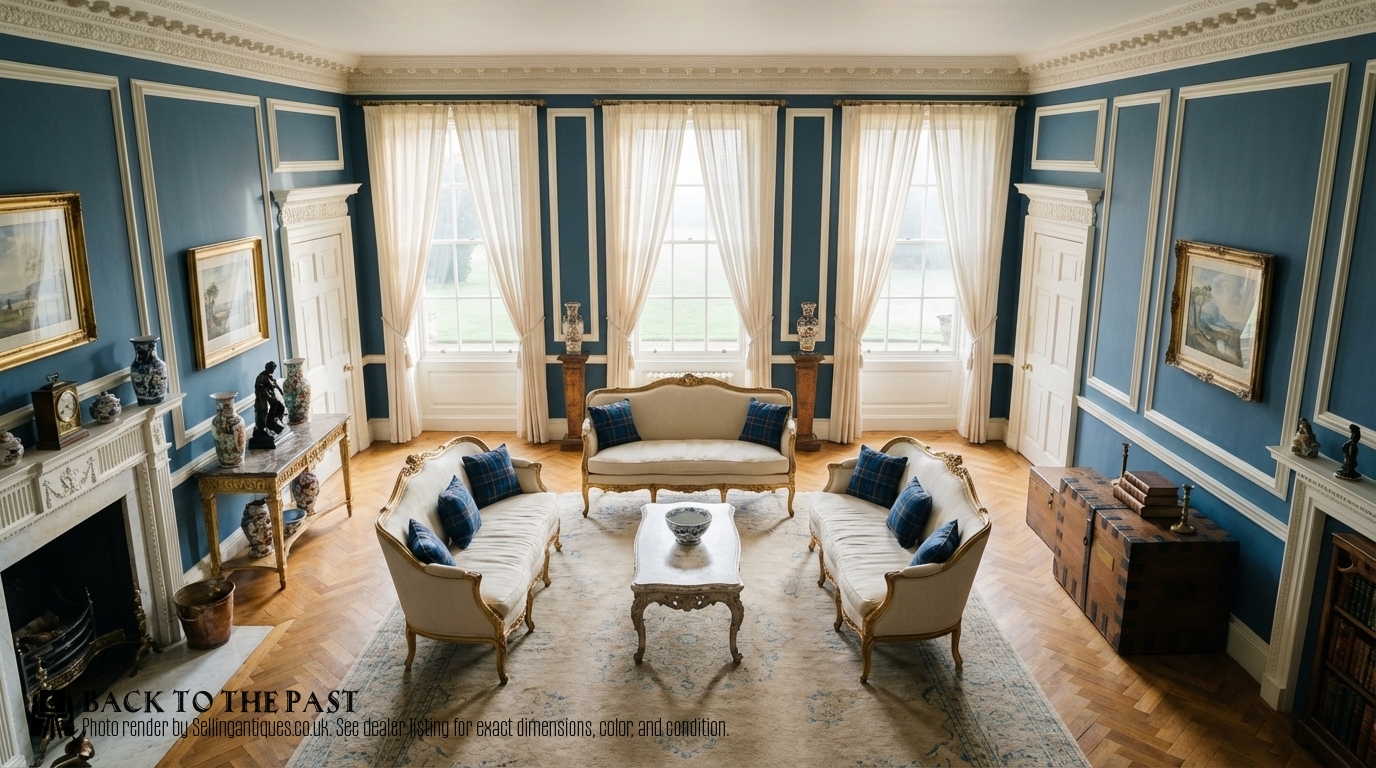
Their durable construction makes them practical for storing blankets, bulky linens, or household items while serving as functional coffee tables or end tables. The flat tops on many trunks allow them to double as display surfaces.
Interior spaces vary from open wells to complex compartmentalised trays, accommodating different types of modern organisation. Ventilation should be checked before storing sensitive fabrics inside older lined trunks.
How should I care for the metal and wood?
Maintenance requires keeping the timber nourished with appropriate wax and dusting the metal straps gently to prevent accumulation of moisture. Avoiding direct sunlight preserves the original patina on both leather and wood.
Moving the chests should be done with care, utilising the original iron or brass handles only if the internal structure remains fully stable. Treating the ironwork with microcrystalline wax helps arrest any historical oxidation.