
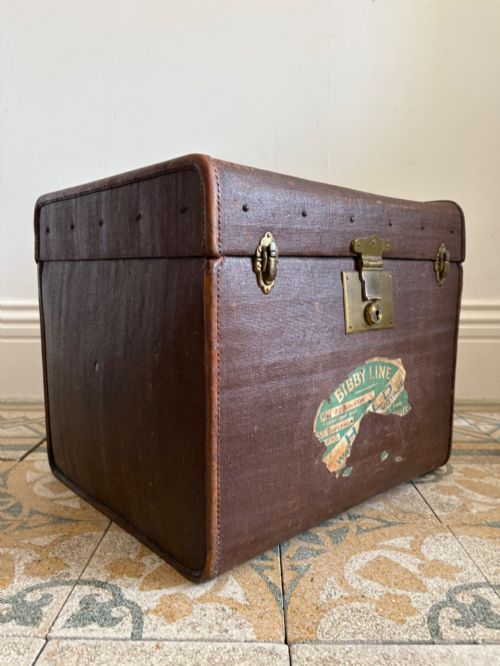


Antique Luggage Chest
An antique luggage chest is a sturdy portable container designed for travel, combining robust timber, metal and leather to protect personal belongings on long journeys.
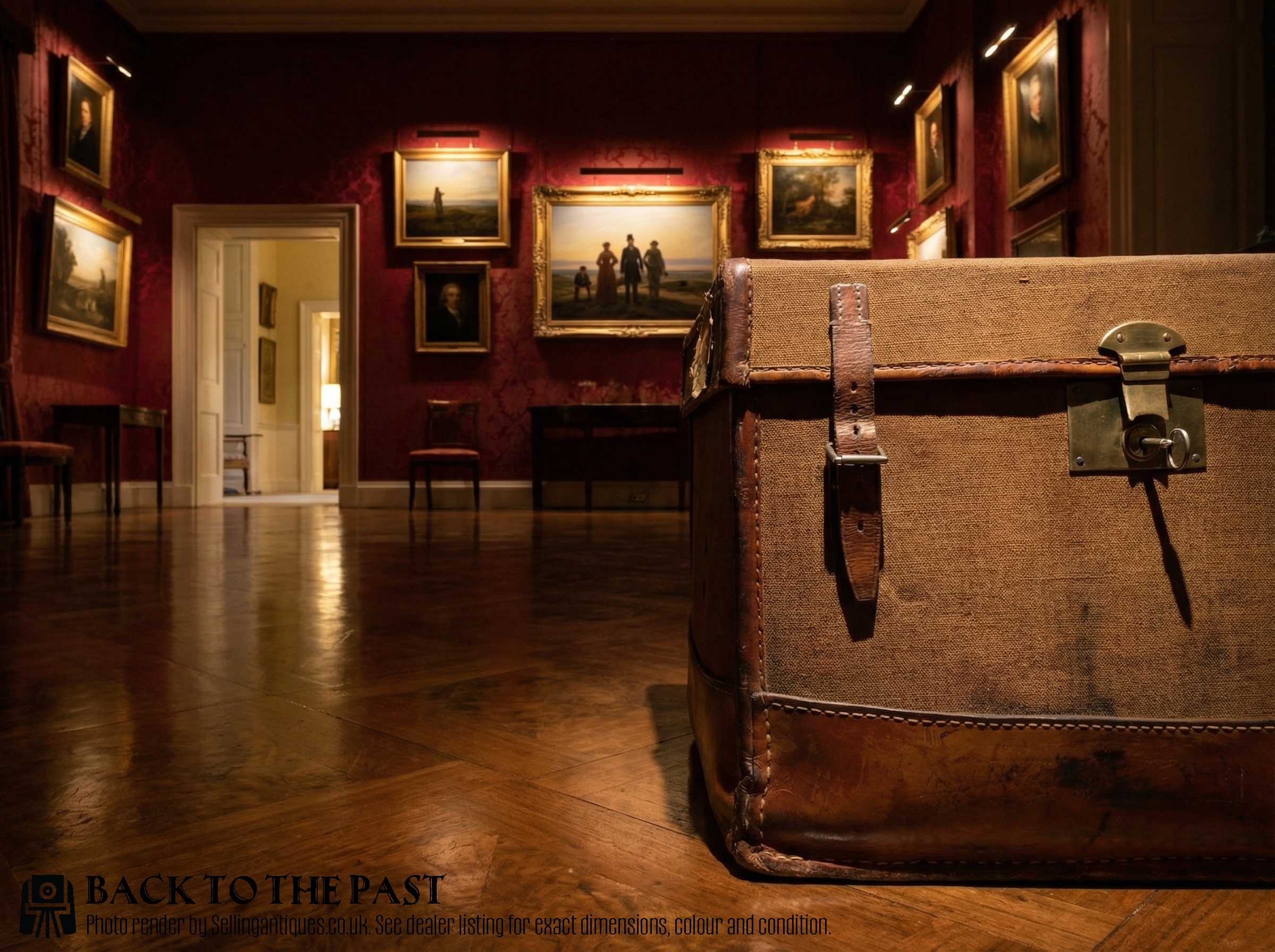
What they are
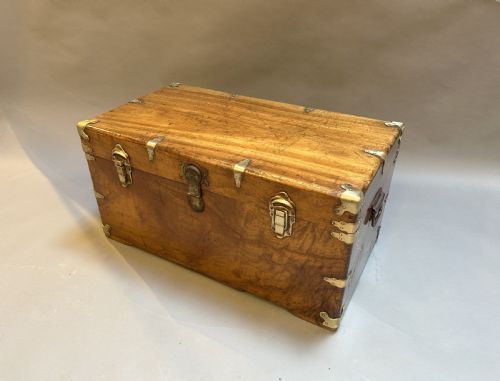
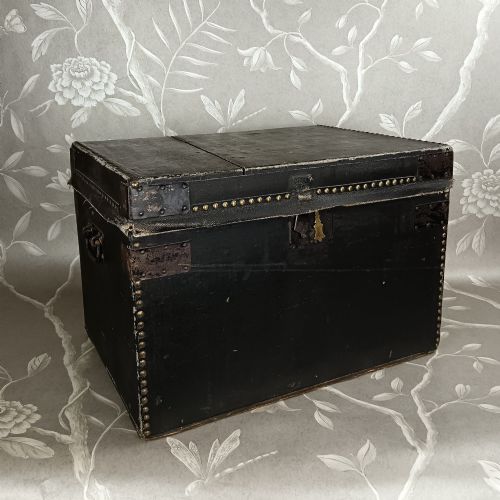
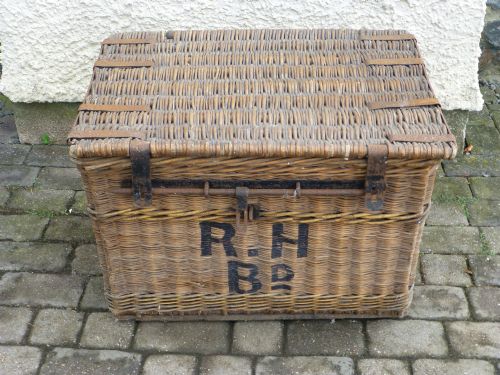
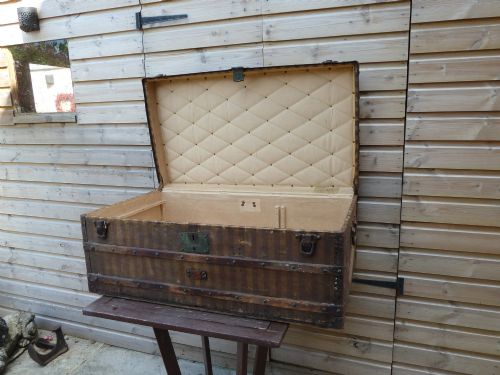
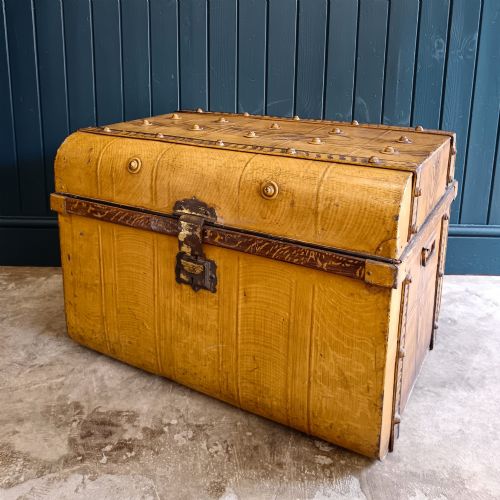
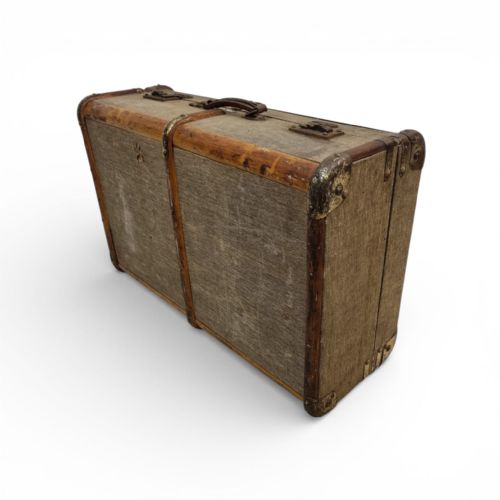
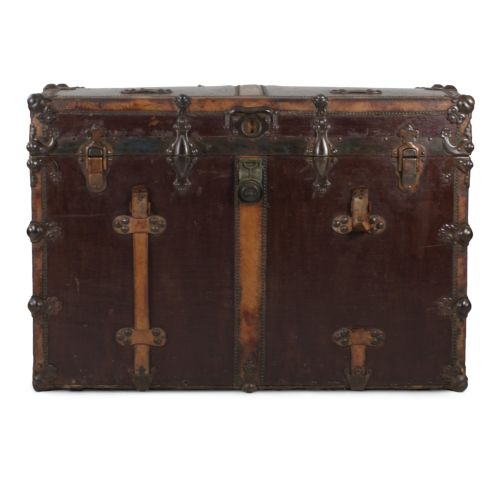
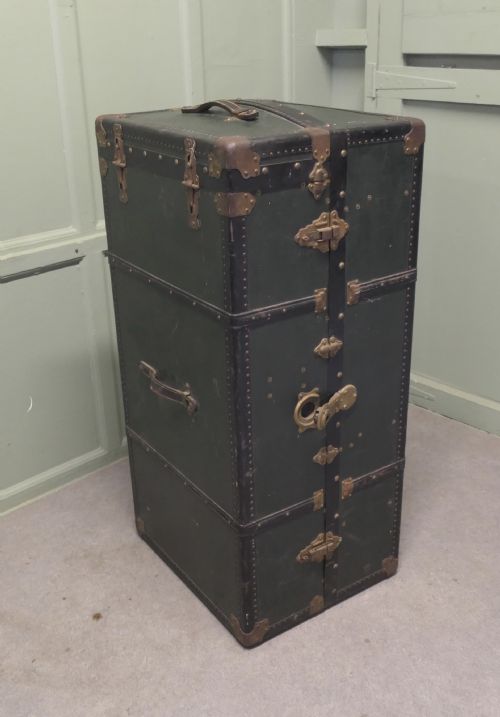
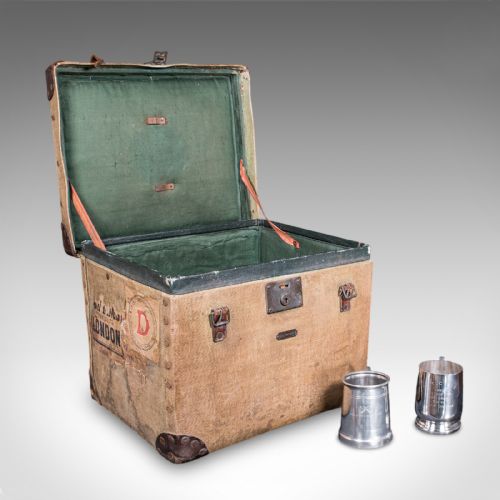
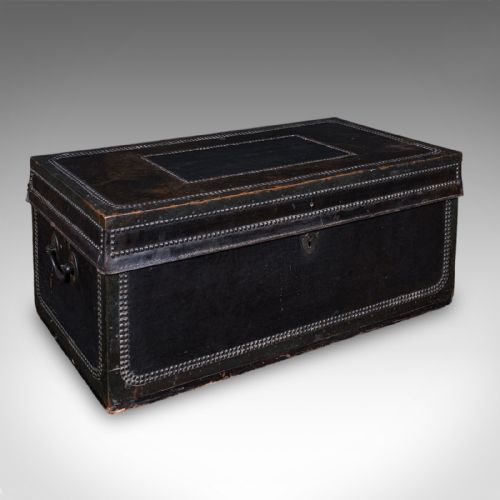
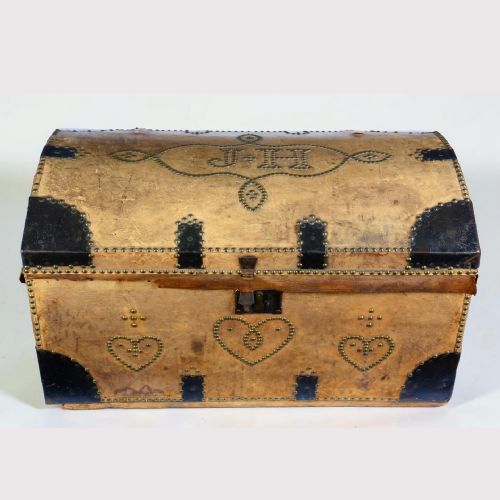
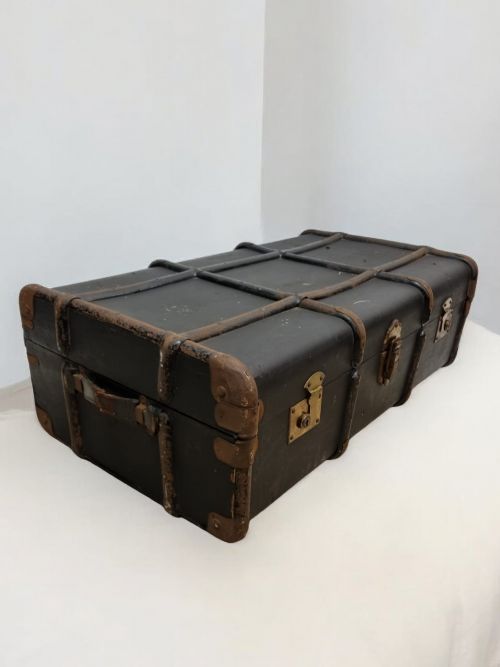
When you search for an antique luggage chest, you encounter robust storage pieces spanning the Georgian, Victorian and Edwardian eras down to the early twentieth century. These items include leather steamer trunks, hide and metal bound travelling chests, weekend picnic cases and camphor wood boxes.
The pieces listed on this page represent practical portable luggage utilised across centuries of travel. Trunks and chests range from heavy iron-bound examples to lighter canvas and leather travel cases designed for journeys by coach, rail and steamship.
How they were made
Constructed from strong woods and lined with durable materials, these chests rely on brass, iron and metal bindings to reinforce corners and edges against the rigours of transit. Makers covered wooden carcases in hide, leather or canvas to repel moisture and dust during movement.
Many examples incorporate locking mechanisms, carrying handles and protective straps. Specialised compartments and carved wooden details appear on specific regional forms such as camphor wood boxes.
Retail Price Guide 2026
Typical UK retail prices for luggage chest, calculated from the Sellingantiques database of over a million retail prices indexed since 2003. This retail price guide relies exclusively on Sellingantiques data; no external sources or auction records are used, so the figures do not describe the wider market.
Periods represented span the Georgian era, nineteenth century, nineteen twenty and nineteen hundred.
What varies in quality
Quality rests upon the integrity of the materials, the robustness of the metal mounts and the preservation of original leather or canvas surfaces. Finer examples display superior timber selection, careful hand-stitching and substantial brass hardware rather than utilitarian iron.
The degree of original finishing, including maker stamps, fitted interior compartments and working locks, distinguishes standard transit chests from exceptional pieces made by named makers for notable owners.
Seabrook of St Pauls London
The Antique Luggage Chest Glossary
- Steamer trunk
- A low-profile luggage chest designed to fit beneath a ship cabin berth or in restricted luggage spaces during early twentieth century ocean travel.
- Camphor wood
- An aromatic timber utilised for chests and trunks because its natural scent repels insects and protects stored textiles.
- Hide
- A heavy animal skin employed as an outer covering on travelling trunks to provide tough, weather-resistant protection for the wooden structure underneath.
- Regency
- A stylistic period spanning the early nineteenth century characterised by classical restraint and specific proportions in furniture and transport cases.
Frequently Asked Questions
What is an antique luggage chest used for?
These pieces served as durable containers for transporting clothing and personal possessions during journeys by coach, ship and train.
Today, owners utilise them as functional storage furniture or coffee tables in living spaces.
How do I date an antique trunk?
Dating relies on construction methods, materials like canvas versus heavy hide, and specific hardware styles associated with Georgian, Victorian or early twentieth century periods.
Maker stamps and labels also provide clear evidence of a specific decade.
Are camphor wood chests waterproof?
Camphor wood offers natural resistance to moisture and insects due to the oil content within the timber.
However, these chests were primarily designed for storage and transport rather than exposure to wet conditions.
What materials make up these trunks?
Makers utilised wood as the primary structural carcase, reinforced with brass, iron and metal bands for additional strength.
Outer surfaces were typically wrapped in leather, hide, canvas or Rexine.