
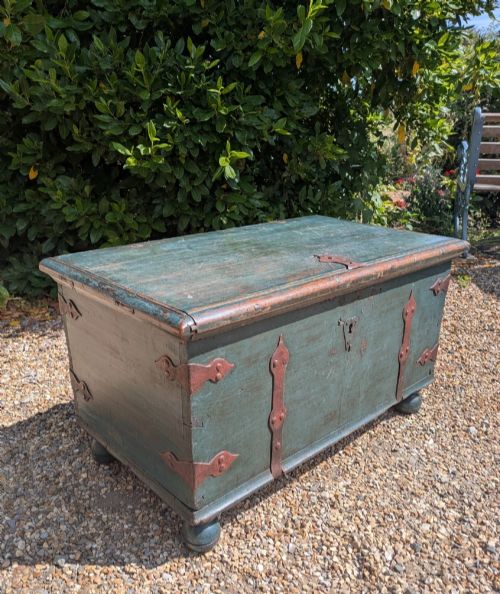
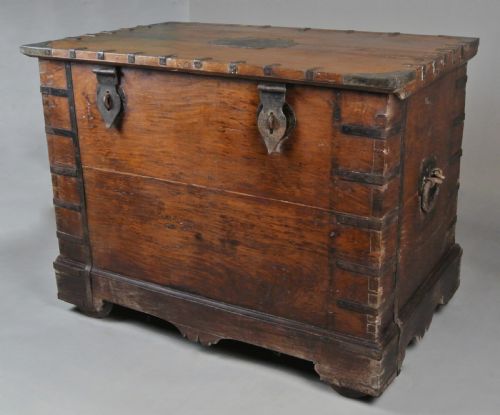
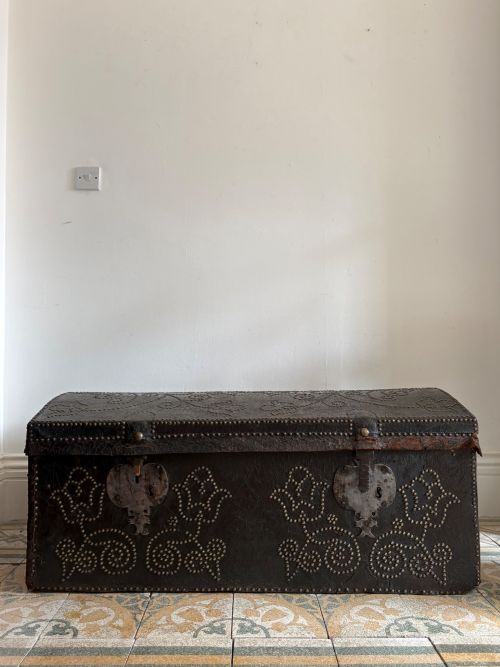
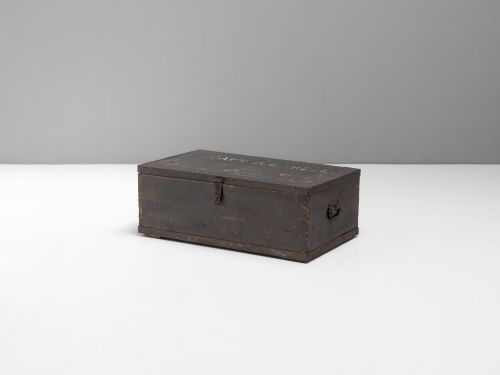
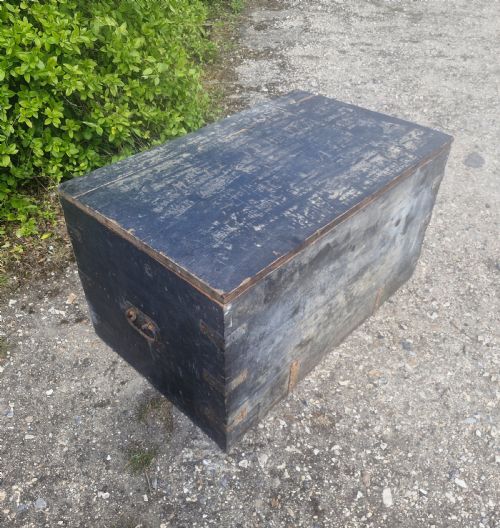


Iron Bound Blanket Box
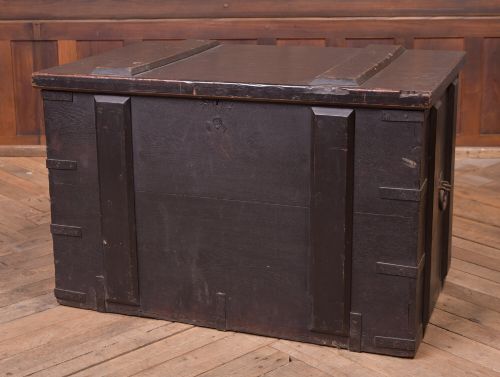
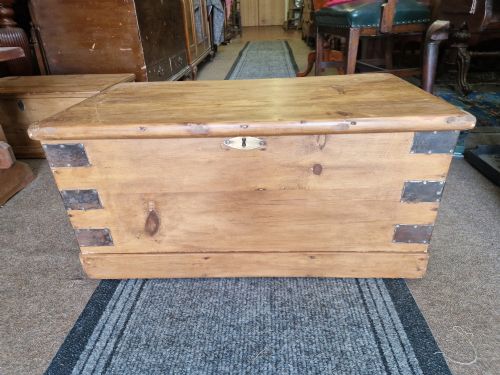
An iron bound blanket box delivers rugged storage capacity through heavy timber construction reinforced with functional metal straps and corners.

Iron Bound Blanket Box
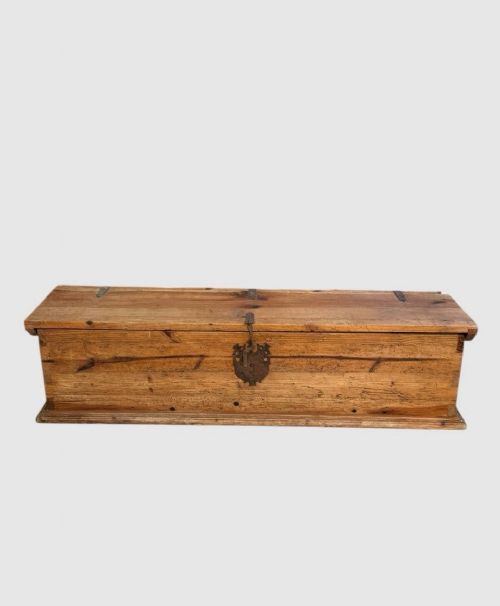
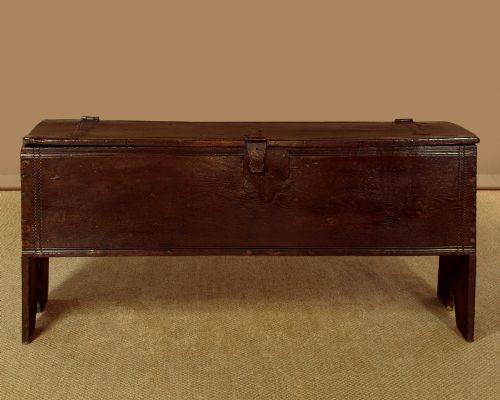
An iron bound blanket box is a robust storage piece designed for transport, security, or domestic organisation. When searching for this phrase, you encounter heavy wooden chests and trunks reinforced with metal strapwork, hinges, and corner brackets.
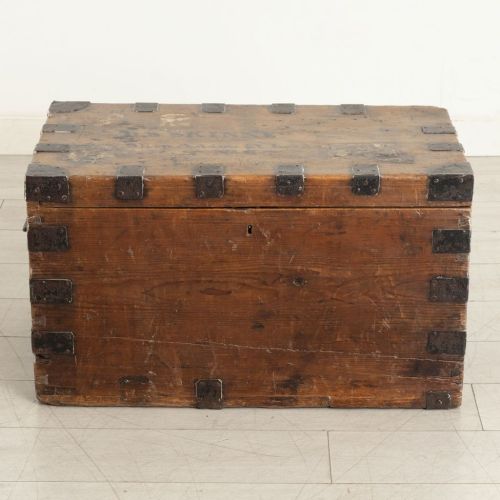
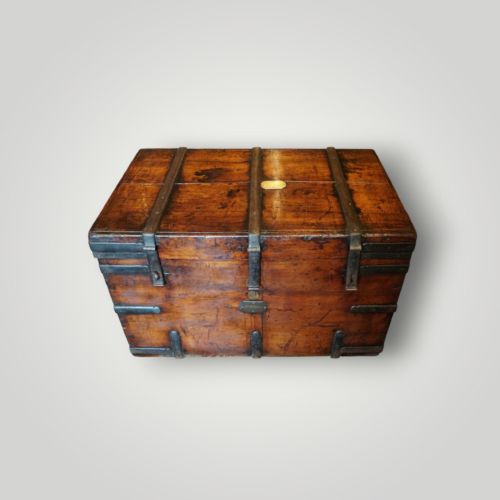
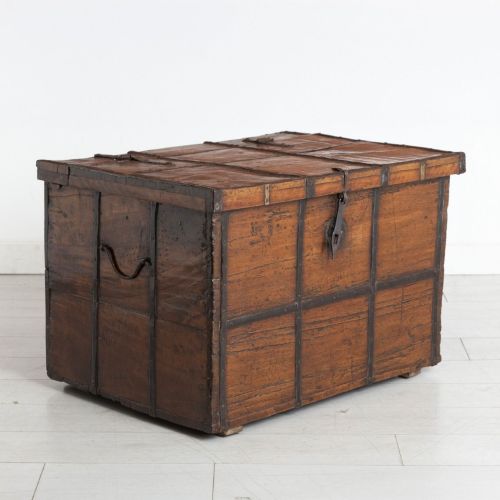
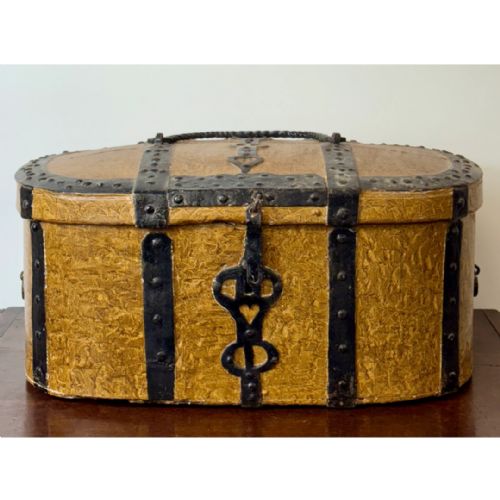
The pieces on this page span several centuries, featuring forms ranging from Georgian travel trunks and Victorian silver chests to 18th-century Scandinavian and Swedish folk art marriage chests.
Pine and oak predominate among the domestic examples, while exotic woods like teak and mahogany appear alongside painted finishes, leather studs, and hide coverings.
Materials and construction methods
Makers constructed these boxes using solid timbers such as pine, oak, teak, and walnut, joined to withstand heavy use and transit. Hand-forged iron strapwork, bands, and corner braces were fastened to the wood to reinforce the structure against heavy loads and rough handling.
Details such as brass fittings, iron lock plates, leather studding, and carry handles were integrated to serve practical requirements for travel, military campaigns, or secure household storage.
Iron Bound Blanket Box Retail Price Guide 2026
Typical asking prices for iron bound blanket box among the pieces listed under this phrase on Sellingantiques today, from the lower quarter to the upper quarter. They describe what is for sale here now, not the wider market.
Listings feature pine, oak, teak, and walnut materials across 18th-century, Georgian, and Victorian periods.
Assessing quality and character
Quality rests in the integrity of the original construction, the weight and finish of the iron strapwork, and the preservation of original surfaces such as early paint, unstripped pine, or aged oak. Pieces retaining their original locks, carry handles, and interior linings demonstrate higher integrity.
The distinction between a utilitarian military or travel trunk and a decorative dowry or folk art chest lies in the refinement of the joinery, the execution of painted decoration, and the presence of documented provenance.
The Iron Bound Blanket Box Glossary
- Strapwork
- Flat bands of iron or steel fixed across the exterior of a chest to reinforce the wooden panels and joints. This metalwork often contributes significantly to the decorative appearance of the piece.
- Campaign trunk
- A portable storage chest designed for military officers on the move, typically fitted with recessed brass drop handles and robust corner reinforcement. These pieces were built for durability during active service.
- Silver chest
- A heavy timber box lined to protect table silver, usually constructed from oak with iron or steel banding and secure locks. Retailers often supplied these to affluent households.
- Dowry chest
- A large decorative box traditionally made to hold household linen and personal property for a bride. Examples from Sweden and India frequently display folk art painting or intricate iron banding.
- Coffer
- An early form of heavy wooden storage chest, often constructed from solid oak and bound with iron for security. These function as precursors to the later blanket box.
Iron Bound Blanket Box: Frequently Asked Questions
What is an iron bound blanket box?
An iron bound blanket box is a heavy timber chest strengthened with metal straps, bands, and corner brackets. These pieces were originally built for domestic storage, travel, or military use.
They combine structural utility with enduring materials, utilising woods like pine, oak, and teak alongside forged iron reinforcement.
How were these boxes used originally?
These chests served multiple purposes depending on their origin, ranging from storing household textiles and blankets to transporting belongings on ships and military campaigns. Silver chests protected valuable tableware, while dowry chests held personal property for marriage.
Their robust construction allowed them to withstand frequent handling and long-distance travel.
How do I date an iron bound box?
Dating relies on observing the timber species, construction methods, and the style of the ironwork. Earlier pieces from the 17th and 18th centuries often feature hand-forged strapwork and pegged oak joints, while Victorian examples frequently incorporate pine, steel banding, and fitted interiors.
Hardware details and any maker labels or inscriptions further clarify the period.
Can I use an antique trunk as a coffee table?
Many people repurpose these sturdy chests as coffee tables because their flat tops and strong construction provide a stable surface. Their internal storage space also offers a practical place to keep living room items out of sight.
When using a chest this way, ensure the lid and hinges are stable enough to support everyday items.