


Antique Iron Safe Box
An antique iron safe box is a sturdy security container built to protect valuables, prized for its robust metal construction and mechanical integrity.
Antique Iron Safe Box
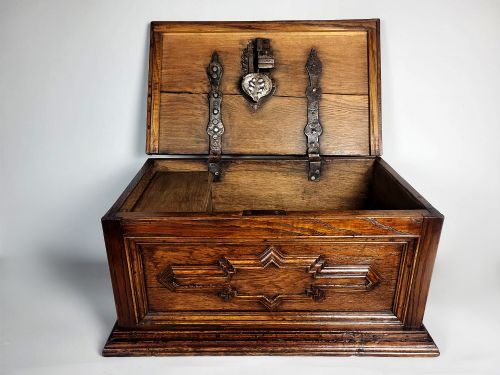
When you search for an antique iron safe box, you encounter heavy security containers designed to safeguard currency, documents and silver from theft or fire. The selection spans robust 17th century coffers through to elaborate Victorian and early 20th century models.
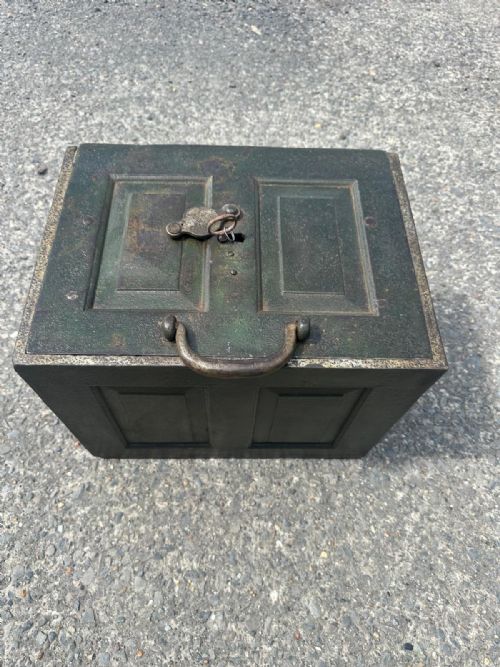
The most common examples on this page are Victorian iron-bound oak silver chests and cast iron security boxes. These pieces combine utilitarian strength with domestic utility, often fitted with complex internal locking mechanisms.
Origins range across British, French, German, Swedish and Japanese workshops, demonstrating diverse approaches to secure storage. Forms vary from tabletop cash boxes and deed drawers to substantial floor-standing cabinets.
How they were made
Makers built these containers using heavy iron, cast iron and steel plates reinforced with wrought iron straps and brass elements. Oak, kiri wood and walnut frequently formed the internal or external carcass, providing a rigid structural core.
Metal components were forged, cast or riveted together by hand, joined to timber panels with heavy-duty iron brackets and corner plates. Complex multi-bolt steel locks were integrated directly into the lids or doors, often operated by intricate keys or dial combinations.
Listings feature iron safe boxes spanning from the 17th century to 1920, incorporating oak, cast iron, steel, brass and painted finishes.
What varies in quality
The calibre of a piece is defined by the complexity of its locking mechanism and the precision of its metalwork. Original keys, intricate internal boltworks and specialised maker markings distinguish exceptional specimens from standard utility boxes.
Materials and secondary cabinetry also dictate standard, where fine golden oak, walnut stands or hand-painted exterior finishes elevate the object. The survival of original paint, operational combination dials and robust hinge construction separates everyday containers from high-status examples.
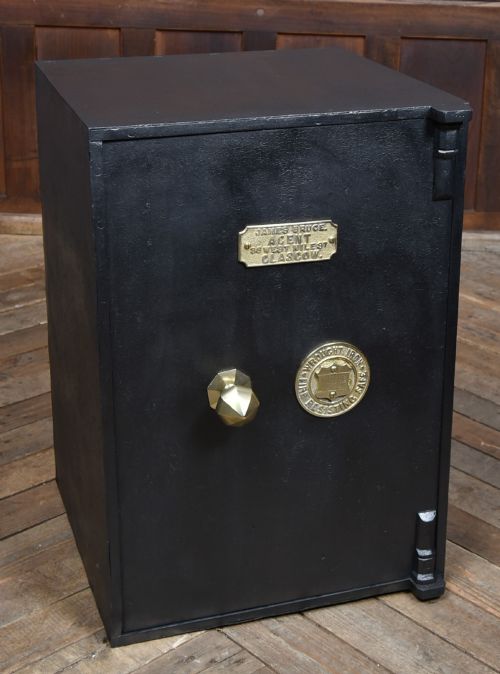
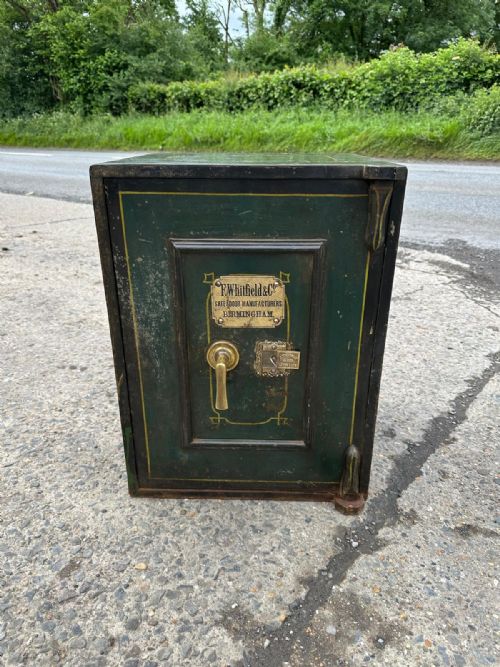
James Bruce Glasgow·F Whitfield And Co·Milners of Liverpool·Waring And Sons·George Price
The Antique Iron Safe Box Glossary
- Armada chest
- A heavy iron strongbox originating in the 16th or 17th century, typically featuring a complex lid mechanism that drove multiple bolts simultaneously. These chests were often decorated with engraved metal panels and false keyholes.
- Strongbox
- A secure container forged from iron or reinforced wood, designed to protect money and valuable documents. They frequently feature heavy iron straps and intricate internal locking systems.
- Silver chest
- A specialised storage trunk lined to hold domestic silver flatware and holloware, usually constructed from oak with iron binding and drop handles. Many examples include fitted internal trays and maker plaques.
- Deed box
- A portable metal storage case, typically made from steel or iron with a fall front or hinged lid, used for keeping legal documents. They often include brass carrying handles and simple lever locks.
- Zenibako
- A traditional Japanese wooden money box used by merchants, featuring internal compartments and sliding or locking panels.
Antique Iron Safe Box: Frequently Asked Questions
What is an antique iron safe box?
An antique iron safe box is a heavy-duty security container built from metal and timber to protect valuables, documents and currency. These pieces date from the 17th century through to the early 20th century.
They incorporate robust locking systems, ranging from early steel boltworks to Victorian patent locks and combination dials. Many were designed for specific trades, such as banking, silversmithing or merchant shipping.
How were silver chests used?
Silver chests were utilised in wealthy households to store and transport family silver flatware and holloware. Their sturdy oak and iron construction protected valuable tableware from theft.
Interior trays and compartments kept individual pieces organised and prevented them from colliding during transit. Retailers such as Elkington supplied these chests fitted for specific service needs.
How do I identify a 17th century safe box?
Seventeenth century pieces typically display hand-forged iron straps, complex internal locking mechanisms covering the underside of the lid, and heavy dovetail joinery in oak. They often take the form of Armada chests or reinforced coffers.
Unlike later Victorian mass-produced safes, these earlier examples rely entirely on blacksmithing techniques rather than machine-rolled steel plates. Their locks often require large, intricate keys to operate multi-bolt arrays.
Are these safes fireproof?
Certain Victorian and later models were engineered specifically to resist fire, incorporating specialised cavity walls or patent linings. Makers such as George Price advertised fireproof qualities in their heavy cast iron models.
Earlier 17th and 18th century iron boxes focused primarily on physical security against forced entry rather than thermal protection. Examination of the interior lining and maker specifications usually reveals the intended defensive capability.