


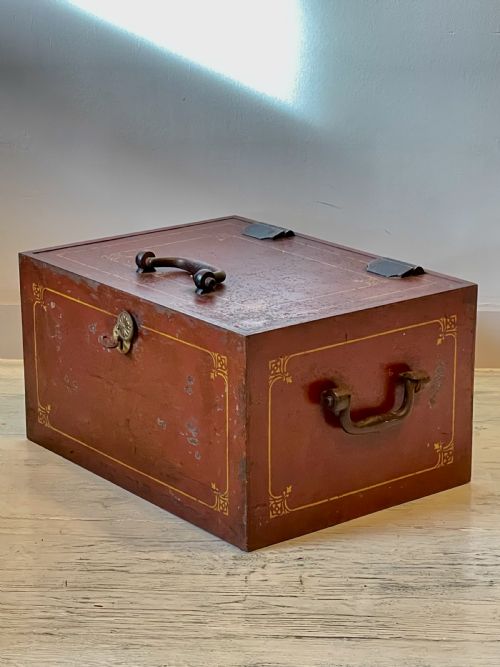
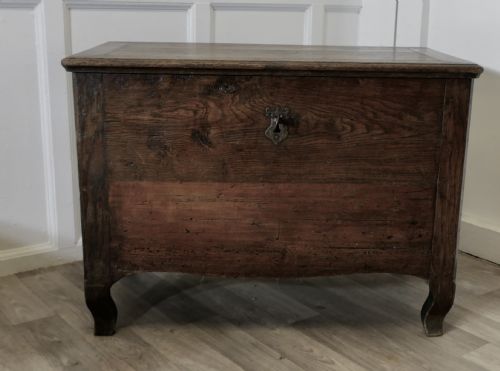


Wrought Iron Strongbox
A wrought iron strongbox is a heavy-duty security chest designed for valuables, combining metal reinforcement with solid timber construction.
Wrought Iron Strongbox
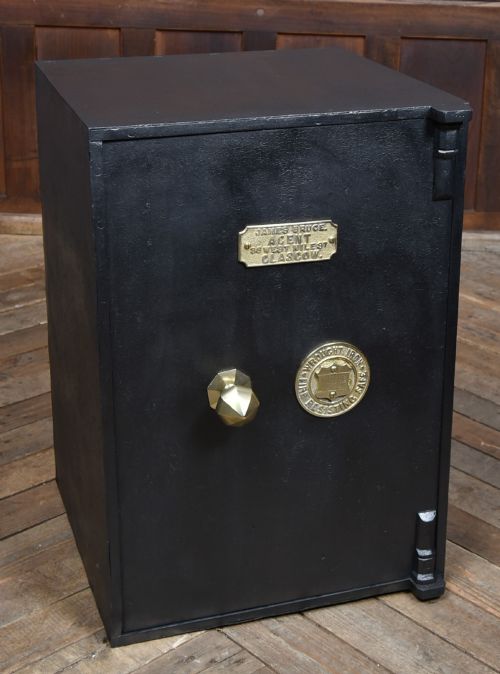
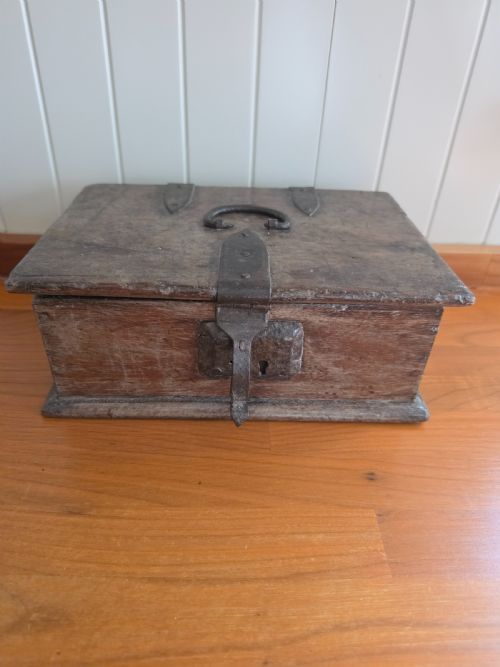
A wrought iron strongbox serves as a sturdy receptacle for documents, money, and precious objects, originating from periods spanning the sixteenth century to the early twentieth century. When exploring a wrought iron strongbox, buyers encounter various formats including travelling boxes, Armada chests, and heavy locking safes.
The objects stem from diverse origins such as England, Scotland, France, and Scandinavia, showing influences from regional folk art and utilitarian industrial design. Common timber carcasses such as oak, elm, and pine provide the structural base beneath the exterior metal bands and straps.
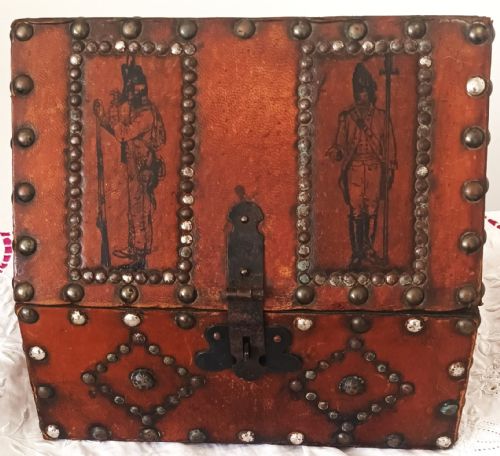
Earlier examples often take the form of sixteenth and seventeenth-century coffer-style strongboxes, while nineteenth-century variations include leather-bound caskets and painted iron safes. This variety reflects changing security needs across different centuries, from domestic travel to merchant and goldsmith use.
How they were made
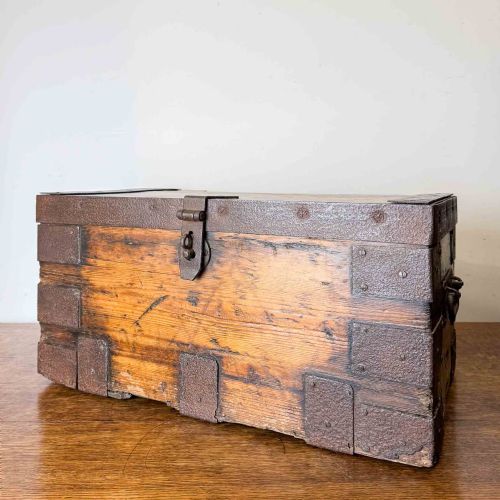
Makers constructed these pieces using a combination of heavy timbers like oak, elm, or pine, reinforced with hand-forged wrought iron or cast iron strapping. Blacksmiths hammered iron straps and corner plates to secure the wooden joints and provide resistance against forced entry.
Many examples feature intricate internal locking mechanisms, sometimes concealed behind decorated cover plates, operated by specialised keys. Surface treatments range from hand-painted finishes on Scandinavian oak to plain metal, leather bindings, and natural aged wood.
Listings feature strongboxes spanning the sixteenth century to the early twentieth century, utilising oak, elm, pine, wrought iron, and cast iron.
What varies in quality
The sophistication of the locking mechanism and the complexity of the internal mechanism housing set finer examples apart from simpler utility pieces. Heavy hand-forged ironwork with decorative banding indicates superior craftsmanship compared to plain later industrial versions.
The integrity of the original timber carcass and the survival of original painted or leather surfaces heavily influence the character of each piece. Completeness of original locking systems and keys adds considerable weight to an example.
James Bruce Glasgow
The Wrought Iron Strongbox Glossary
- Armada chest
- A heavy iron-banded strongbox traditionally associated with Spanish naval vessels of the sixteenth and seventeenth centuries, though frequently of northern European origin. These boxes utilise complex interior locking mechanisms that engage multiple bolts across the lid.
- Coffer
- A sturdy wooden chest used for storing valuables, often reinforced with metal straps and used for travel or domestic security. Earlier versions serve as precursors to dedicated strongboxes and safes.
- Wrought iron
- Iron that has been heated and hammered by a blacksmith into shape, yielding a fibrous texture visible in the grain. This material resists snapping under stress better than cast iron.
- Cast iron
- Molten iron poured into a mould to create rigid components or heavy safe bodies. It appears on later nineteenth-century and twentieth-century strongboxes.
- Travelling strong box
- A compact, reinforced chest designed to be transported securely on journeys, often fitted with side carrying handles. These pieces balance heavy security with portability.
Wrought Iron Strongbox: Frequently Asked Questions
What is an Armada chest?
An Armada chest is a heavy iron-banded strongbox featuring a complex locking mechanism beneath the lid, historically misassociated with the Spanish fleet but generally made in Germany or the Netherlands during the sixteenth and seventeenth centuries.
These boxes served to secure coin and documents in merchant houses and aboard ships, relying on master locks that threw multiple bolts simultaneously.
How do I date a strongbox?
Dating relies on examining the construction of the timber carcass, the hand-forged characteristics of the iron strapping, and the complexity of the locking mechanism. Sixteenth and seventeenth-century examples typically feature exposed dovetails or pegged joints with heavy blacksmith-made bands.
Later nineteenth-century pieces incorporate cast iron components, painted sheet metal, or factory-produced lever locks that differ significantly from earlier forged mechanisms.
Were these boxes used for travel?
Certain strongboxes, specifically described as travelling boxes or caskets, were built with side carrying handles and compact proportions for secure transit. Other larger coffers and Armada chests stayed in fixed locations within merchant offices or noble houses.
Their heavy iron reinforcement ensured that contents remained protected whether stationary or moving across rough terrain.
How do I clean wrought iron strapwork?
Maintenance involves preserving the dry aged surface with light applications of microcrystalline wax to prevent active rust without creating an artificial shine. Harsh chemical cleaners or abrasive scouring pads should be avoided to protect the original patination on both the iron and the underlying wood.
Keeping the pieces in stable humidity environments prevents timber shrinkage and subsequent metal loosening.