
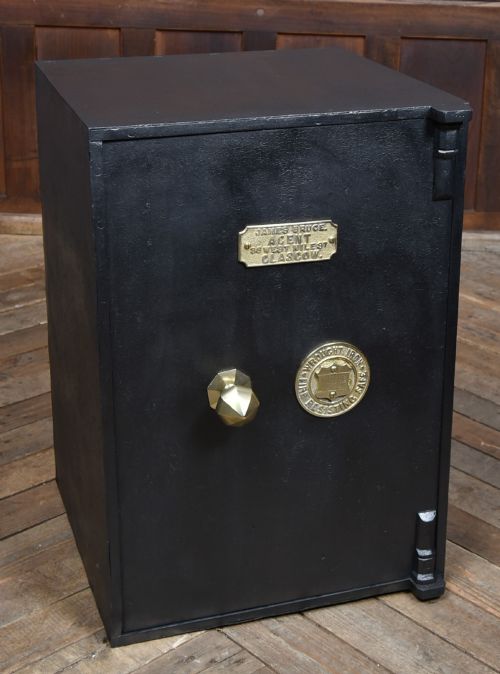
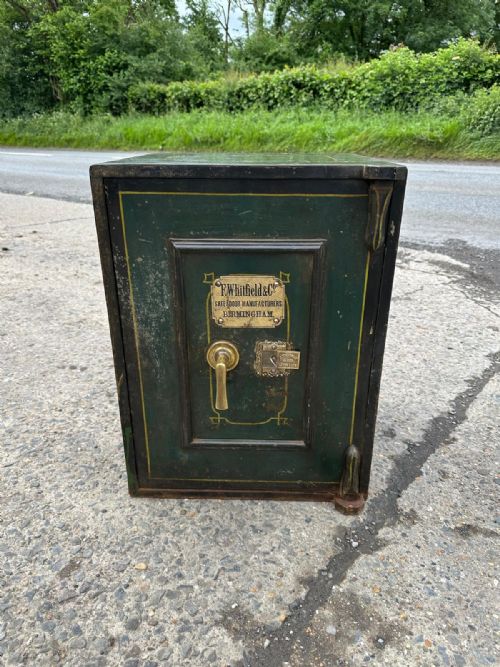


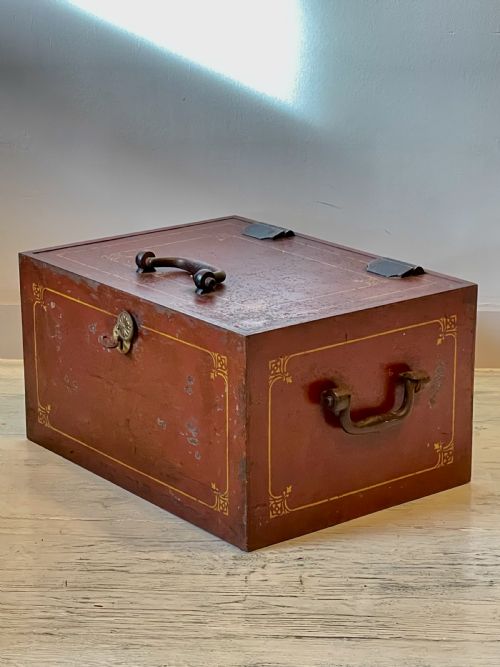


Heavy Iron Safe
These heavy iron safe pieces are robust security containers built from sturdy metals, offering both historical utility and industrial character for the home.

Heavy Iron Safe
When you search for heavy iron safe items, you encounter robust security containers and storage vessels designed to protect valuables. These pieces span several centuries, with particular representation from the Victorian era and the nineteenth century.
The selection ranges from industrial locking safes and patent boxes to traditional strongboxes and wood-bound silver chests. Many examples combine sturdy metal construction with internal wooden fittings or protective outer casing.
Originating from British makers as well as international workshops, these utilitarian objects now serve as striking statement pieces. You are most likely to meet Victorian cast iron examples and reinforced storage trunks on this page.
What varies in quality
The standard of a heavy iron safe depends heavily on the complexity of its locking mechanism and the reputation of its maker. Signed works from established firms demonstrate superior engineering in their internal boltwork and key actions.
Material combination and structural preservation dictate the upper tier of the selection, particularly where original brass hardware and fitted wooden interiors remain intact. Heavily altered or stripped surfaces generally indicate a lower grade of preservation.
Proportion and weight also distinguish finer examples, with substantial cast and wrought iron construction offering greater historical integrity than lighter sheet metal adaptations.
Heavy Iron Safe Retail Price Guide 2026
Typical asking prices for heavy iron safe among the pieces listed under this phrase on Sellingantiques today, from the lower quarter to the upper quarter. They describe what is for sale here now, not the wider market.
Some Victorian silver chests come with hidden compartments designed to outsmart clever domestic staff.
James Bruce·F. Whitfield and Co.·Elkington·Milners of Liverpool·George Price
The Heavy Iron Safe Glossary
- Strongbox
- A heavily secured container designed for storing money, documents, or valuables securely. These boxes typically feature robust metal construction and complex locking systems.
- Silver chest
- A specialised storage trunk lined for the organisation and preservation of silverware. They frequently combine wooden bodies with iron binding and brass carrying handles.
- Patent safe
- A security box manufactured under a formal protective patent by recognised industrial firms. These pieces often incorporate innovative fireproofing or proprietary locking technology.
- Armada chest
- An early form of iron-banded storage chest traditionally associated with Spanish maritime transport. They feature intricate internal locking mechanisms operated by a single key.
- Zenibako
- A traditional Japanese wooden money box used by merchants. These containers often incorporate iron reinforcement and internal sliding compartments.
Heavy Iron Safe: Frequently Asked Questions
How heavy are these iron safes?
These security containers are constructed from dense metals and thick timbers, making them exceptionally heavy and difficult to move.
Buyers should plan their placement carefully, as their substantial weight often requires specialist handling or multiple people to position safely in a room.
Do the original keys come with them?
Many examples retain their working keys or functional period locks, though some historical pieces operate with replacement mechanisms.
It is advisable to check the specific listing details regarding the availability of keys and the operational status of the built-in locks.
How do I clean an iron safe?
Maintenance generally involves removing surface dust with a dry cloth and occasionally applying a light protective wax to preserve the metal and wood.
Avoid harsh chemical cleaners that can strip the natural patina and historical finish accumulated over the centuries.
Were these safes actually fireproof?
Certain Victorian and later models were engineered with insulated double walls designed to resist high temperatures during a fire.
Makers often advertised these thermal properties, though contemporary use relies more on their decorative and structural security appeal.