




Vintage Deed Box
These vintage deed box pieces are robust containers built to safeguard legal papers, spanning centuries of iron, steel, and timber craftsmanship.
Vintage Deed Box
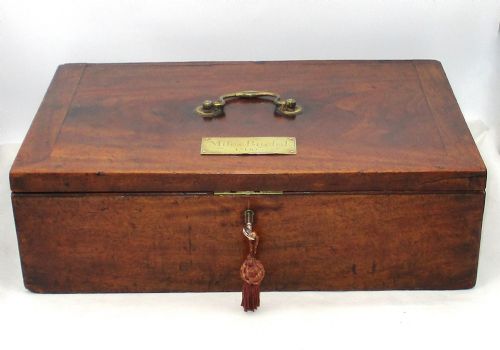
A vintage deed box serves as a secure home for historical documents, land indentures, and family certificates. These objects appear in various forms, from timber document chests to heavy iron and steel safes.
The pieces on this page stretch from the seventeenth century through to the early twentieth century. Early examples often utilise solid oak or mahogany, while later items embrace industrial cast iron and tinplate.
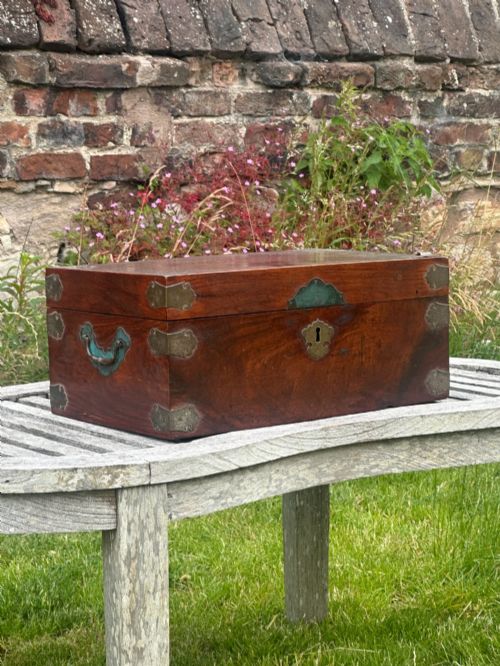
Buyers encounter regional variations including English mahogany document boxes, Scottish safes, and Anglo-Indian padouk models. Functional storage tins and strongboxes also feature prominently across the collection.
Materials and construction methods
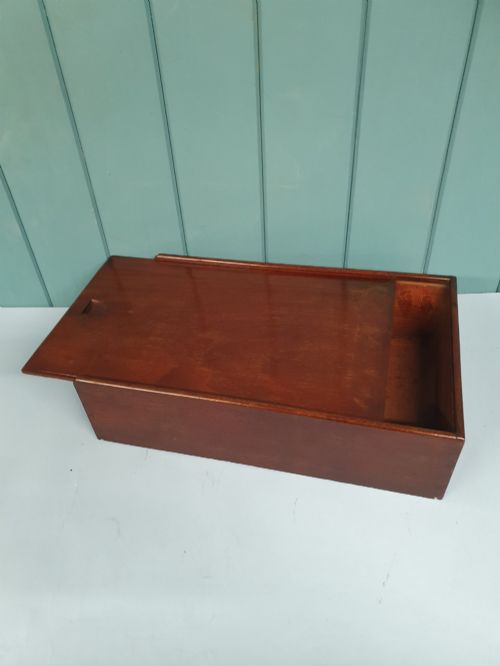
Cabinet makers constructed early document boxes using dense hardwoods such as mahogany and oak, often incorporating sliding lids or intricate brass mounts. Leather and padouk also appear in select historical pieces.
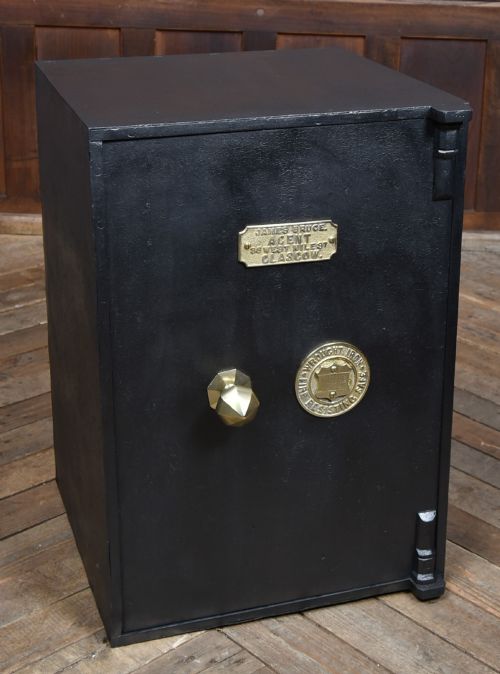
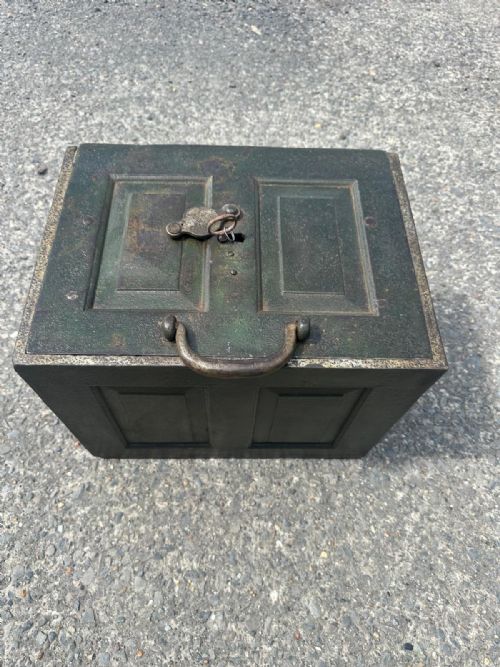
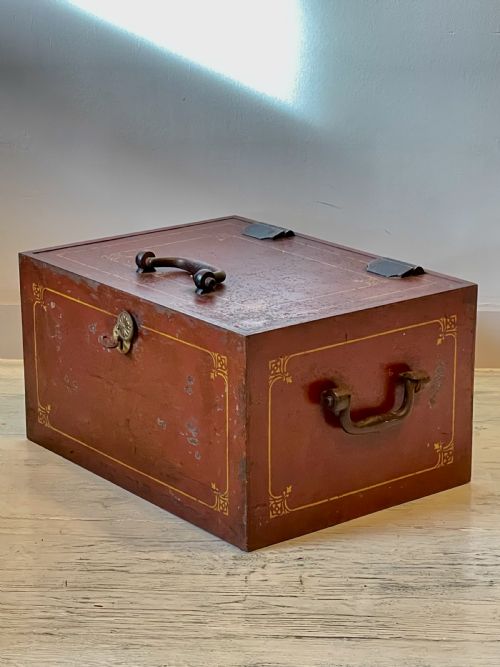
Metal versions rely on cast iron, wrought iron, and steel, frequently paired with brass locks and handles. Toleware and painted tinplate represent the lighter end of protective document storage.
makers incorporated complex locking mechanisms, including three-dial combinations and heavy-duty iron bolt systems. Original paintwork and brass strapping complete the exterior finish on many surviving specimens.
Judging quality in protective chests
Quality rests upon the integrity of the original materials and the preservation of surface finish. Pieces retaining their initial paintwork, interior paper linings, and original keys command greater interest from collectors.
The sophistication of the locking mechanism dictates another tier of excellence. Elaborate brass binding, fine dovetail joinery in timber boxes, and heavy cast iron construction signal superior workshop output.
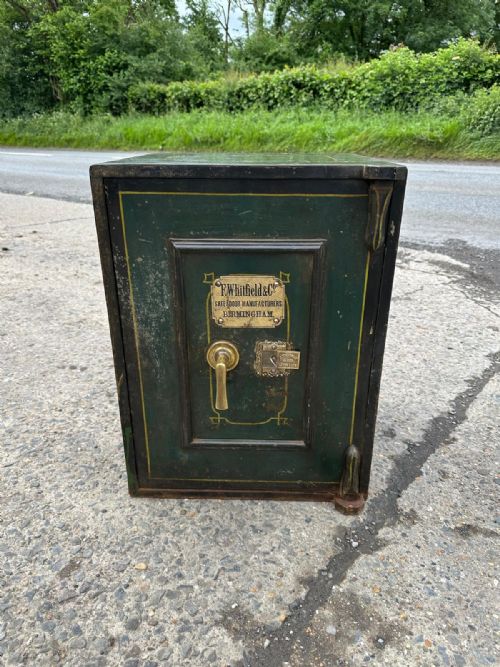
James Bruce Glasgow·F. Whitfield and Co·Milners of Liverpool·George Price
The Vintage Deed Box Glossary
- Padouk
- A heavy, durable tropical hardwood prized for its rich reddish-brown colour. It frequently appears in export pieces commissioned during the nineteenth century.
- Toleware
- Enamelled and japanned metalware produced on a tinplate base. These painted storage tins often carry nineteenth-century solicitor lettering.
- Strongbox
- A secure metal chest designed to resist theft and fire. They often feature heavy iron plates and intricate lever locks.
- Dovetail
- A traditional wood joint formed by interlocking wedge-shaped fingers. This technique ensures robust, long-lasting corners on antique document boxes.
Vintage Deed Box: Frequently Asked Questions
What documents belong in a vintage deed box?
These containers were originally built to hold parchment land indentures, wills, and estate papers. Modern owners use them to store certificates, letters, and important family archives.
The sturdy construction and secure locks make them practical for keeping treasured personal items safe from everyday wear and tear.
How do I care for wooden deed boxes?
Timber boxes require stable humidity levels to prevent the mahogany or oak from splitting. Apply a microcrystalline wax periodically to nourish the surface.
Keep them away from direct sunlight and strong heat sources to preserve the original polish and grain depth.
How do I spot an eighteenth-century box?
Early pieces display hand-cut joinery, forged iron hinges, and dense timber grains typical of the period. Georgian examples often feature simple sliding lids or brass drop handles.
Examine the interior for signs of hand-planing and older fastening methods rather than modern screws.