


Antique Iron Safe
These antique iron safe pieces are heavy, secure repositories for valuables, built to last through generations of service.
What They Are
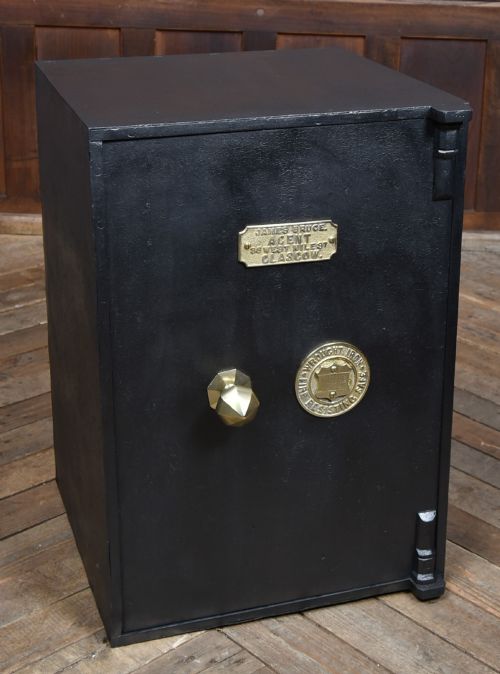
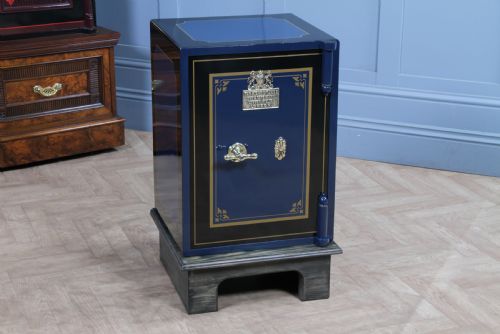
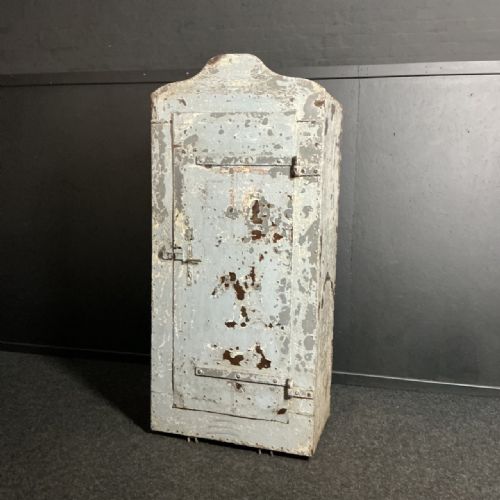
An antique iron safe is a robust container designed to protect currency, documents and precious items from theft and fire. When you search for an antique iron safe, you encounter heavy functional objects spanning several centuries of metalworking and cabinetry.
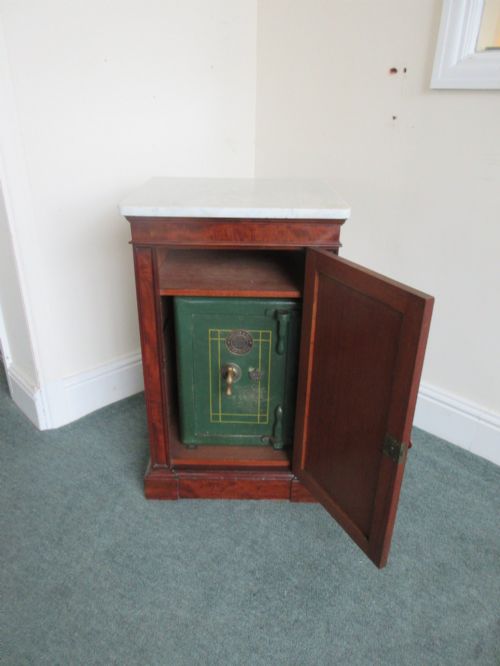
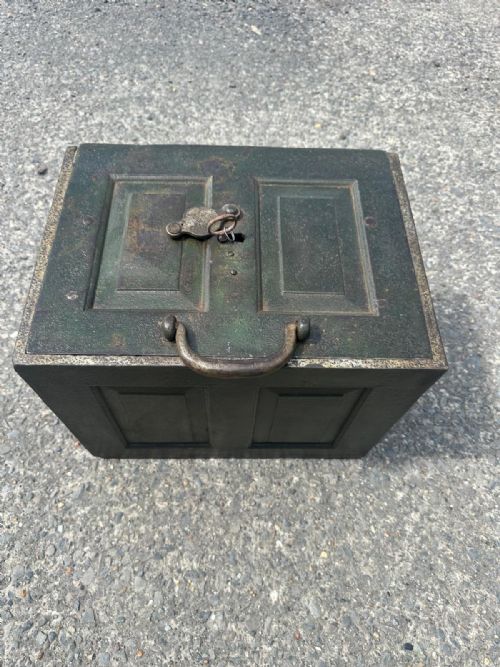
The pieces listed on this page range from compact table-top strongboxes to massive floor-standing units housed in elaborate mahogany cabinets with marble tops. Many examples incorporate intricate locking mechanisms and come complete with their original keys.

How They Were Made
The construction of these pieces relies heavily on cast iron, steel, and polished steel plates, often combined with brass fixtures and detailed mounts. Makers utilised heavy-duty metals to ensure structural integrity and resistance to forced entry.
Some examples are integrated directly into fine cabinetry made from mahogany, pairing utilitarian metal security with domestic furniture styling. Others take the form of strongboxes and coffers embellished with silver or German Baroque decorative elements.
Retail Price Guide 2026
Typical UK retail prices for iron safe, calculated from the Sellingantiques database of over a million retail prices indexed since 2003. This retail price guide relies exclusively on Sellingantiques data; no external sources or auction records are used, so the figures do not describe the wider market.
Listings include cast iron, polished steel, mahogany, and marble across Victorian and seventeenth-century periods.
What Varies in Quality
Quality in these pieces rests upon the complexity of the locking mechanism and the precision of the metalwork. Units retaining their original keys and operating locks command greater interest from collectors.
The standard of the secondary materials also dictates value, such as the inclusion of a figured mahogany cabinet or a polished marble top. Simpler utilitarian strongboxes contrast with ornate Continental examples featuring elaborate silver work.
Milners Safe·George Price·Coalbrookdale
The Antique Iron Safe Glossary
- Strongbox
- A heavily secured box designed for storing valuables, precursor to the modern safe.
- Coffer
- A chest used for holding valuables, often banded in iron for added security.
- Cast iron
- A strong, rigid iron-carbon alloy poured into moulds to form heavy structural components.
- Polished steel
- Steel finished to a smooth, reflective surface, common in 19th-century industrial examples.
- German Baroque
- An artistic style characterised by ornate decoration and theatrical forms, seen in continental silver strongboxes.
Frequently Asked Questions
How heavy is an antique iron safe?
These pieces are exceptionally heavy due to their solid iron and steel construction. Many require specialist transport and careful placement on reinforced flooring.
Smaller strongboxes can sit on tables or within cabinetry, but floor-standing models demand permanent positioning.
Do antique safes still lock securely?
Many retain their original working locks and keys, operating much as they did in the nineteenth century. Mechanism complexity varies from simple lever locks to intricate multi-bolt systems.
Collectors appreciate examples that remain fully operational with period keys intact.
How do I identify a Victorian safe?
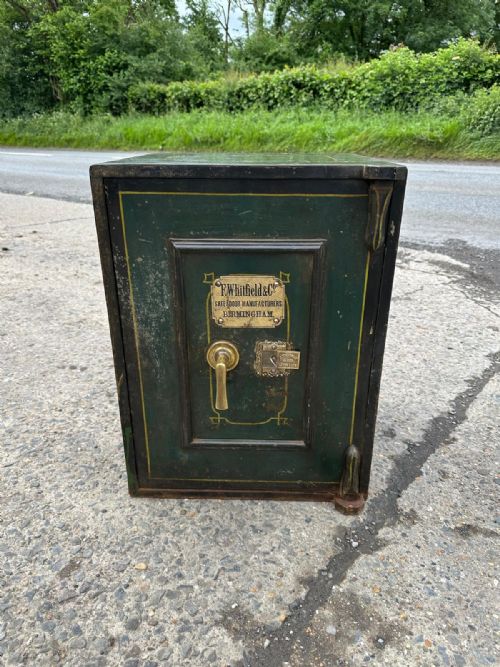
Victorian examples often feature robust cast iron bodies, sometimes paired with mahogany cabinetry and marble tops. They frequently display maker plates and nineteenth-century decorative motifs.
Construction methods and material finishes align with the industrial standards of the period between eighteen-thirty and nineteen-hundred.
Were all safes made in England?
While many recorded pieces originate from English workshops and makers, continental examples also appear. German and Danish pieces demonstrate distinct regional styles, such as Baroque silver work or polished steel finishes.
Provenance is usually indicated by maker signatures or distinctive construction characteristics.