




Industrial Metal Safe
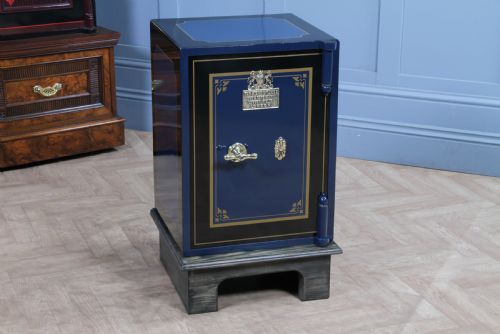
An industrial metal safe brings heavy cast iron, steel and brass into a room to hold papers and valuables with undeniable authority.
Industrial Metal Safe
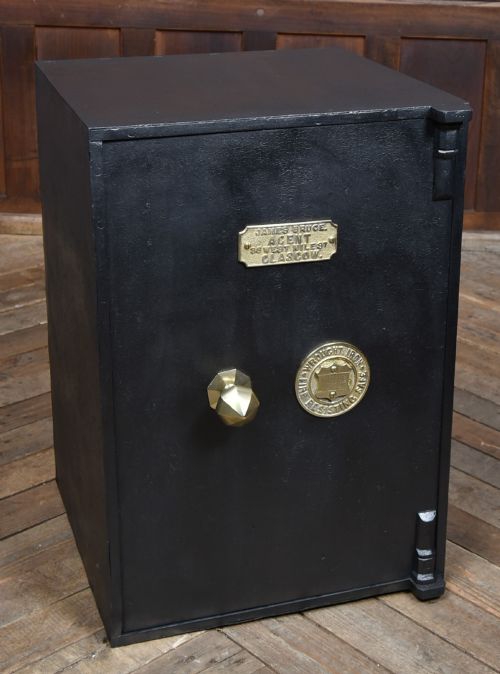
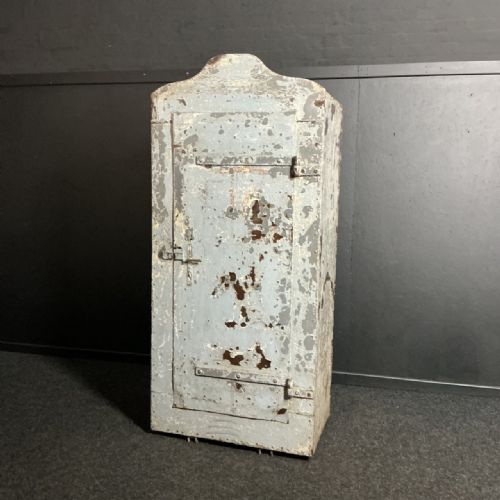
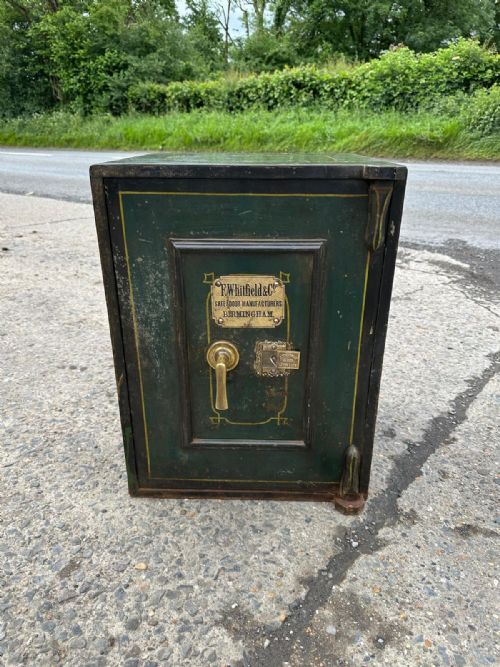
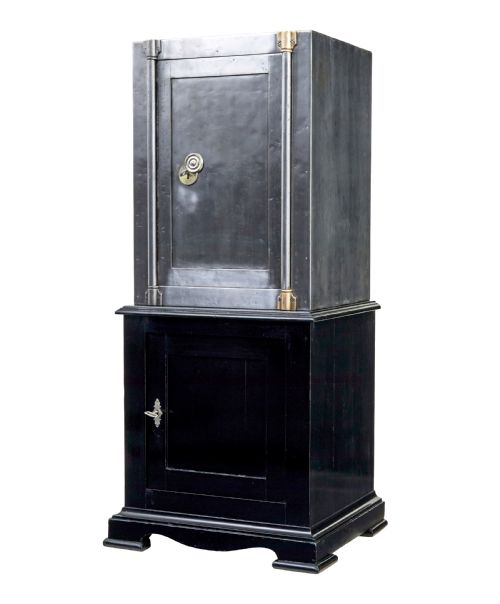
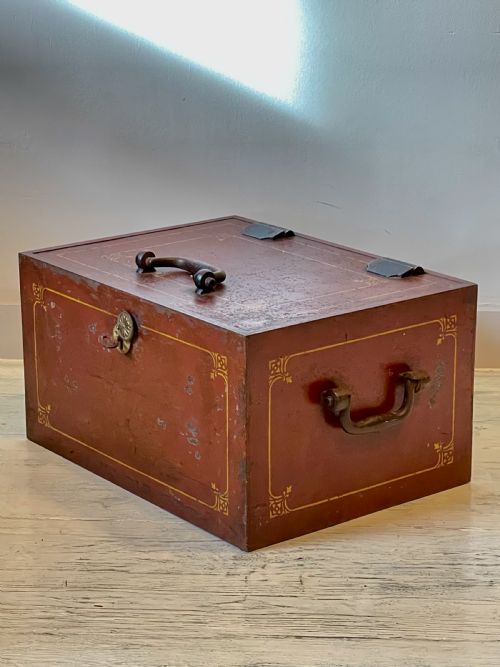
An industrial metal safe is a heavy storage piece built to protect valuables, documents and currency from fire and theft. You encounter forms ranging from massive floor-standing strongboxes to smaller deed boxes and storage cupboards.
The examples on this page span the nineteenth century into the twentieth century, taking in Victorian and Georgian influences. They appear in materials like cast iron, steel and wrought iron, often paired with brass hardware and painted finishes.
Makers such as James Bruce, Tannis Defiance, F. Whitfield and Co., Milners of Liverpool and George Price dominate the offerings. These pieces function equally well as statement furniture or secure storage in a modern home.
How they were made
Makers constructed these safes primarily using cast iron, steel and sheet iron plates riveted or bolted together. Wrought iron and brass provided structural reinforcement and decorative detail for handles, hinges and lock plates.
Many surfaces feature original painted finishes or polished steel treatments, while some larger strongboxes incorporate internal wood linings. Heavy metal casting and plate manipulation formed the thick walls necessary for security.
Industrial Metal Safe Retail Price Guide 2026
Typical asking prices for industrial metal safe among the pieces listed under this phrase on Sellingantiques today, from the lower quarter to the upper quarter. They describe what is for sale here now, not the wider market.
Listings feature items spanning the nineteenth and twentieth centuries, using brass, cast iron, steel, wrought iron and wood.
What varies in quality
Quality rests in the heaviness of the metalwork, the complexity of the locking mechanism and the survival of original maker plaques. Finer examples display crisp brass branding and intricate casting details that mark them out from utilitarian boxes.
The condition of the original paint, polished steel or brass fittings dictates desirability. Fully restored pieces that retain their original stands, keys and operational locks command greater interest.
James Bruce·Tanns Defiance·F. Whitfield and Co·Milners of Liverpool·George Price
The Industrial Metal Safe Glossary
- Strongbox
- A heavily secured metal chest designed for storing money and high-value items. They frequently feature reinforced corners and complex internal locking mechanisms.
- Deed box
- A portable metal container used historically for storing legal documents and title deeds. These usually have fall-front lids and smaller dimensions than floor safes.
- Cast iron
- An iron-carbon alloy poured into moulds to create rigid, heavy components. It forms the thick body of many nineteenth-century security boxes.
- Wrought iron
- Iron that is hammered and bent into shape while hot, offering high tensile strength. It appears in the straps and hinges of heavy storage chests.
- Sheet iron
- Thin flat pieces of iron rolled into plates, used to form the outer and inner skins of safes.
Industrial Metal Safe: Frequently Asked Questions
How heavy is a typical industrial metal safe?
These pieces range significantly in weight depending on their primary function and construction materials. Smaller deed boxes can be lifted easily by one person, while floor-standing strongboxes require specialist handling.
Larger Victorian examples built with thick cast iron and steel plates often weigh several hundred kilograms. Their substantial mass makes them permanent fixtures once positioned in a room.
How do I clean and maintain polished steel?
Polished steel surfaces require regular light dusting and occasional treatment with a micro-crystalline wax to prevent oxidation. Avoid using harsh chemical cleaners that can strip protective finishes.
Keeping the metal in a stable indoor environment prevents moisture accumulation and surface rust. A soft cloth is usually sufficient for day-to-day care.
Can these safes be used as furniture?
Their striking industrial aesthetic makes them popular as side tables, drinks cabinets or sculptural statement pieces in contemporary interiors. Smaller deed boxes sit well on desks or shelves.
Floor safes provide a sturdy surface on top while offering secure internal storage for household items. They anchor a room with nineteenth-century character.