
Antique Safe in Cabinet
When you search for an antique safe in cabinet, you find secure iron strongboxes housed within timber enclosures designed for domestic or office concealment.
Antique Safe in Cabinet
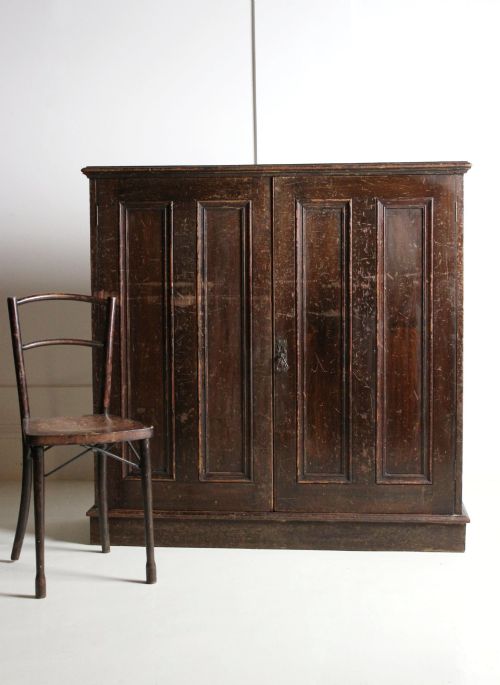
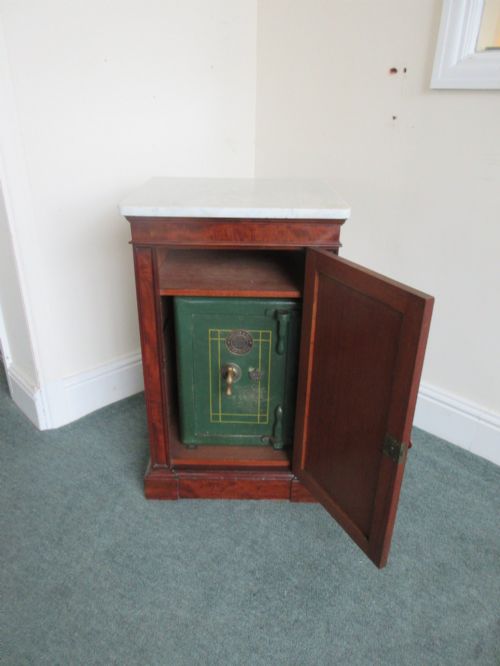
An antique safe in cabinet combines heavy metal security with the outward appearance of domestic furniture such as mahogany or walnut pedestals and stands.
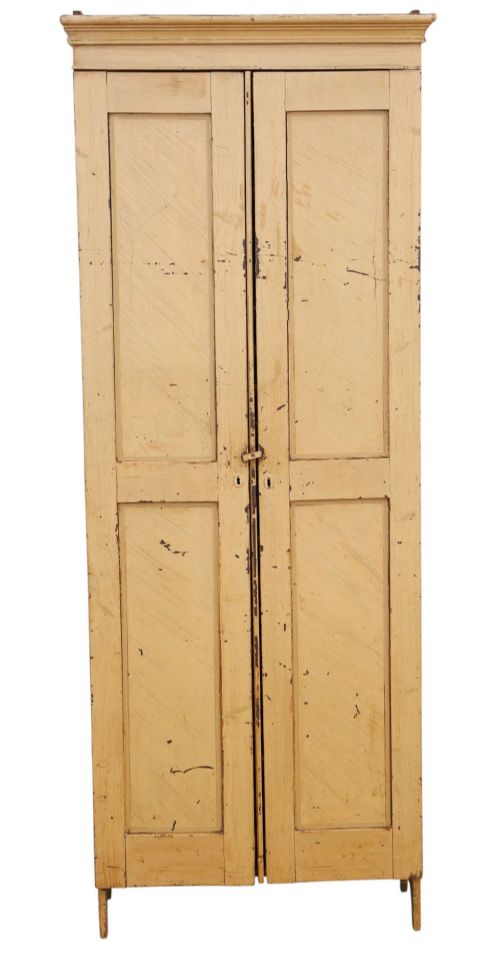
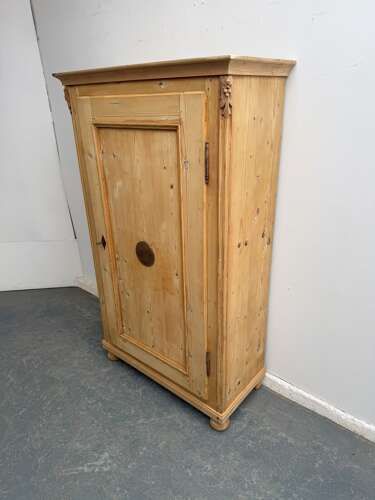
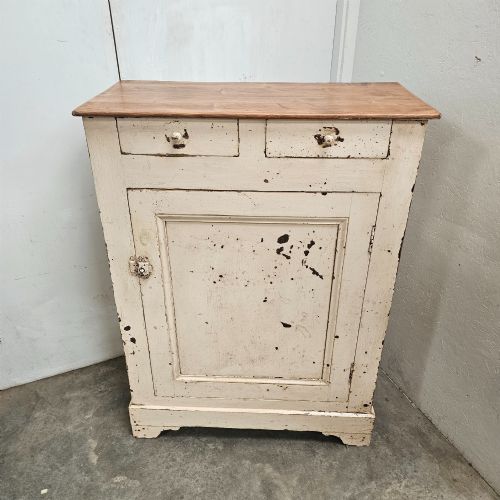
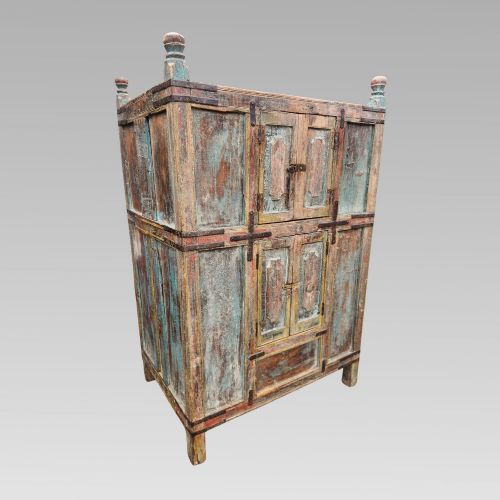
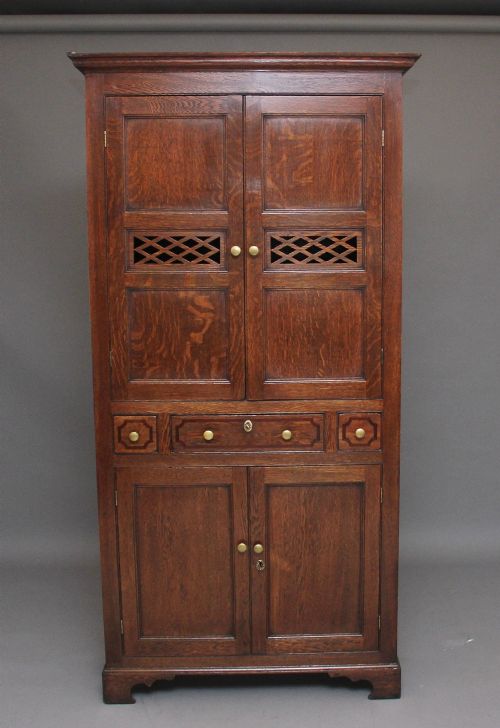
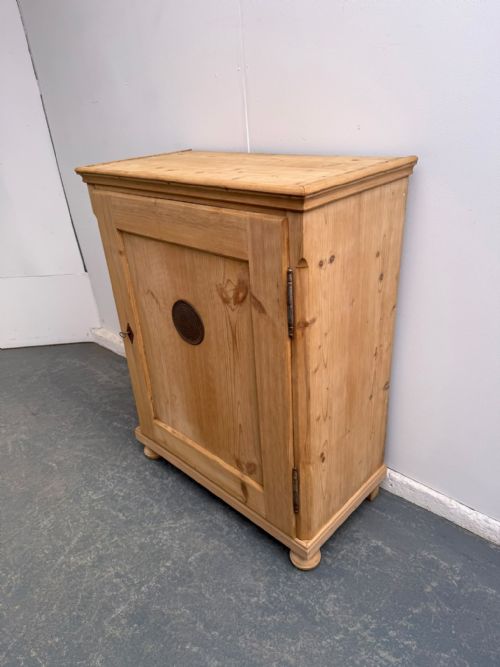
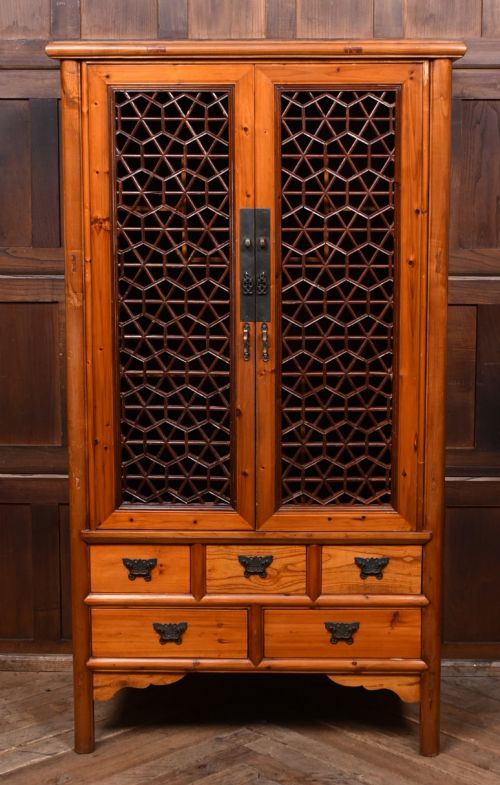
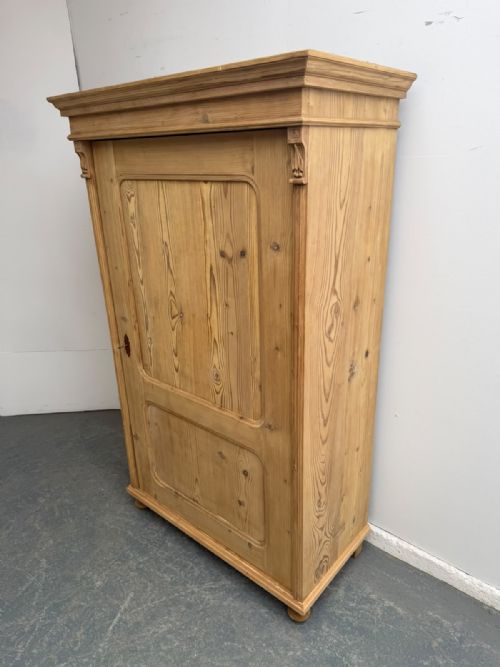
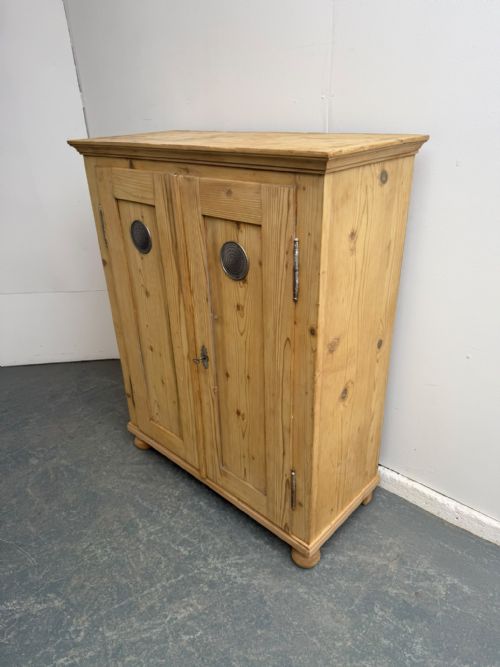
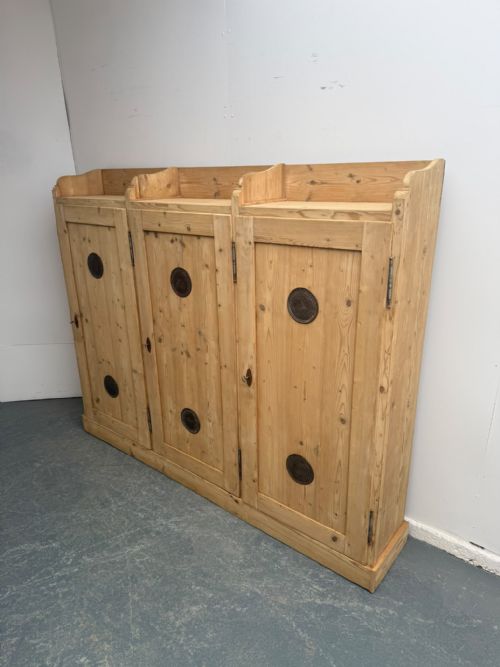
The pieces appearing on this page span the 17th, 18th, and 19th centuries through to the Edwardian era, incorporating various forms of cupboards, larder cupboards, and storage cabinets.
Victorian examples frequently pair cast iron and steel mechanism boxes with polished hardwood or painted pine housings, offering discretion alongside physical protection.
How they were made
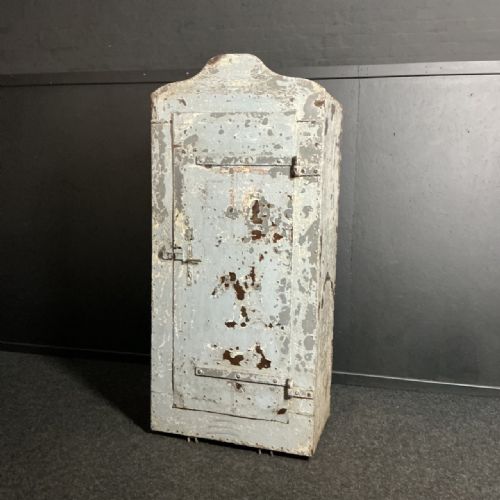
Maker construction relies on heavy iron and steel for the internal safe compartments, combined with structural timbers like oak, pine, mahogany, and walnut for the outer cabinets.
Cabinetmakers and safe manufacturers integrated functional brass hardware, iron locks, and blacksmith hinges alongside fitted marble tops or timber shelving.
Listings combine 19th century and Victorian pieces with iron, pine, oak, and walnut materials formed into safes and cabinets.
What varies in quality
The standard of a piece rests upon the integration between the heavy metal safe mechanism and the craftsmanship of the surrounding timber cabinetwork.
Fine examples demonstrate sophisticated joinery, original locking mechanisms by known makers, and well-preserved timber surfaces ranging from polished hardwood to historic paint finishes.
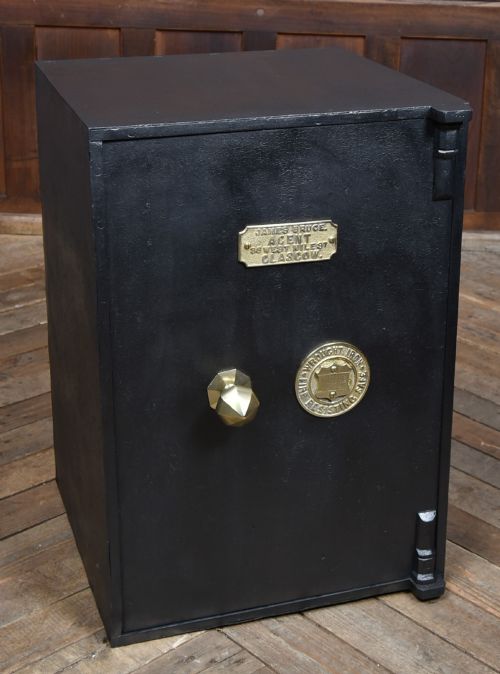
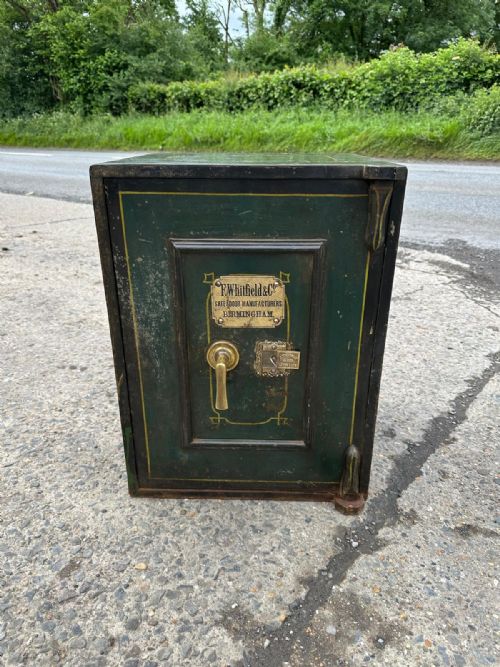
James Bruce Glasgow·F. Whitfield and Co.·Chubb·Waring and Sons
The Antique Safe in Cabinet Glossary
- Safe
- A heavy metal box constructed to protect valuables from theft and fire. These are often fitted with secure lever locks and internal compartments.
- Cabinet
- A piece of furniture with doors and shelves used for storage or display. In this context, it serves to enclose and conceal an iron safe.
- Mahogany
- A durable tropical hardwood with a reddish-brown colour used extensively for high-end Victorian furniture cabinetry.
- Pine
- A softwood utilised widely for regional cupboards and storage furniture, frequently found painted or waxed in country styles.
- Panetiere
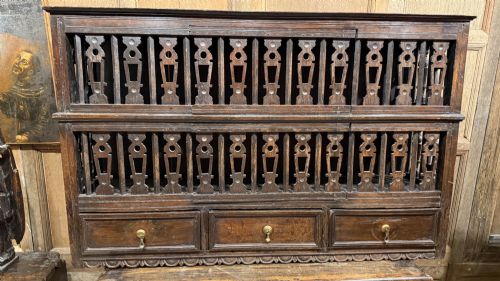
- A traditional wooden bread safe or food cupboard featuring ventilated spindles or piercing, originating in France during the 18th and 19th centuries.
Antique Safe in Cabinet: Frequently Asked Questions
What is an antique safe in cabinet?
These pieces consist of a heavy iron or steel security safe enclosed within a wooden cabinet, chest, or pedestal.
They allowed homeowners or businesses to secure valuables while maintaining the aesthetic of formal domestic furniture.
How were these cabinets used?
They served to store currency, documents, jewellery, and silverware in reception halls, estate offices, and libraries.
The outer wooden enclosure kept the security hardware out of sight until needed.
How do I live with one?
These heavy items function well as substantial sideboards, hall furniture, or bedside stands while offering practical hidden storage.
Their robust iron and timber construction requires minimal maintenance beyond standard furniture care.
How can I tell the periods apart?
Victorian examples often feature mahogany or walnut cabinetry paired with heavy cast iron safes and polished marble tops.
Earlier pieces from the 18th century tend to use oak or fruitwood with traditional blacksmith hinges and simpler locking systems.