


Antique Wooden Safe Cabinet
An antique wooden safe cabinet provides robust security disguised as handsome domestic furniture, blending iron reinforcement with traditional timber construction.
Antique Wooden Safe Cabinet
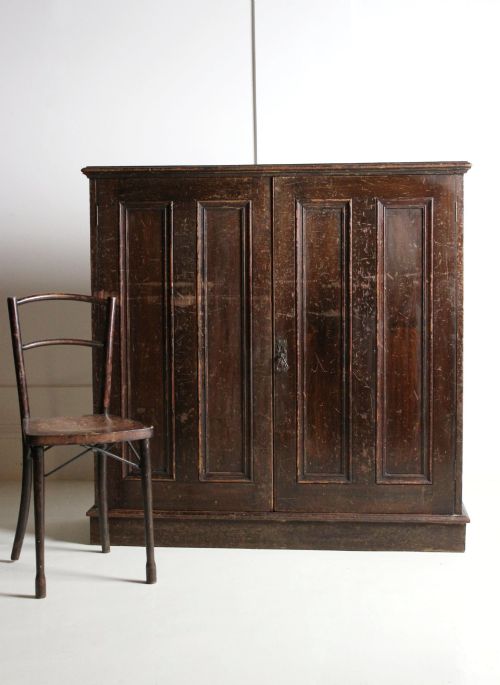
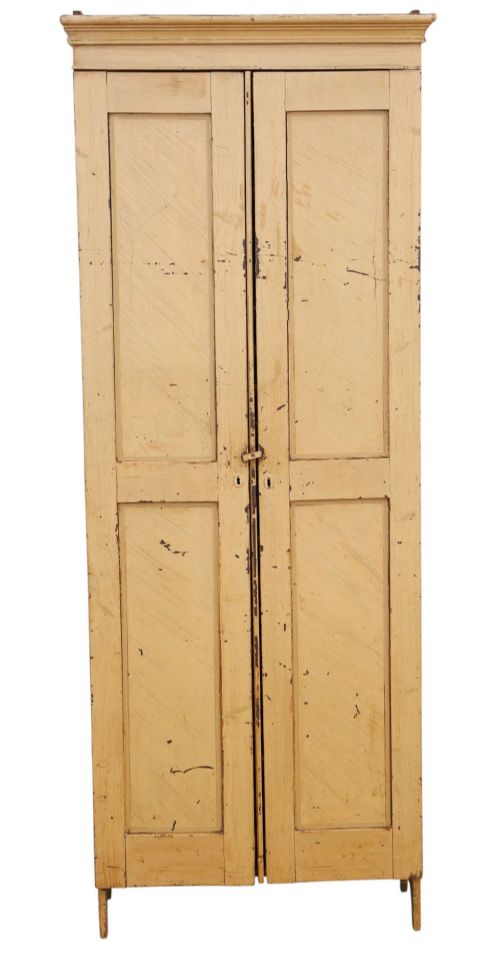
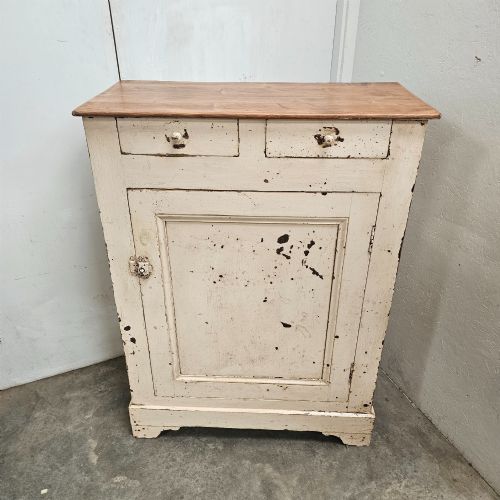
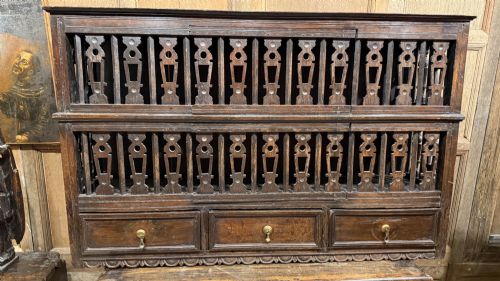
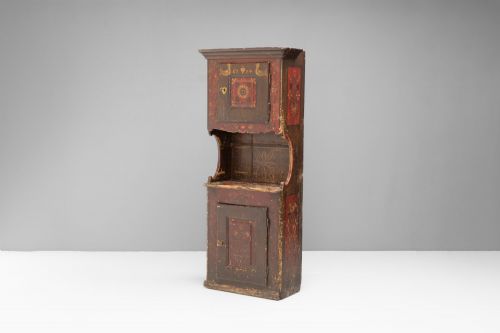
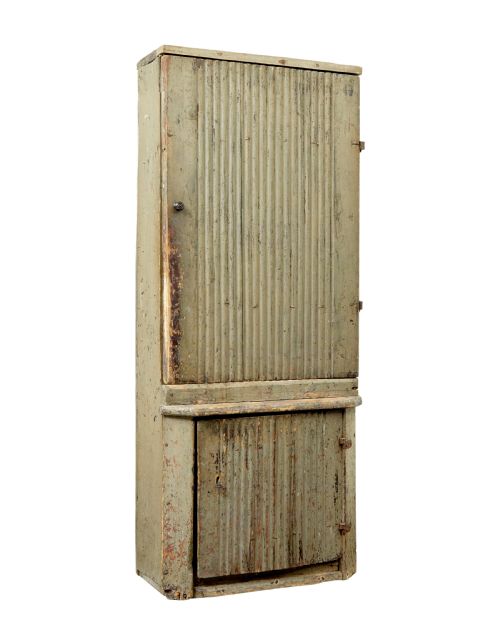
The selection on this page relies heavily on sturdy woods such as pine, oak, walnut, and chestnut, shaped into regional forms including French panetières, Scandinavian cupboards, and Edwardian gun cabinets. Many examples incorporate metal components and blacksmith-made locks, reflecting a history of protecting valuables within everyday domestic settings.
Materials and Construction
Makers constructed these cabinets using dense domestic timbers like oak and walnut for high-status pieces, while employing more accessible softwoods like pine for regional vernacular storage. Surfaces often received coats of paint, wax, or traditional finishes to protect the wood against damp environments.
Internal and external ironwork forms a crucial part of the construction, utilising forged hinges, locks, and steel safes integrated directly into the wooden framework. Joinery techniques range from early framed panels to robust box construction designed to support heavy iron doors and locking mechanisms.
Listings feature woods such as pine, oak, walnut, and chestnut, alongside iron and steel components.
Assessing Quality and Craftsmanship
The standard of a piece rests largely on the integration between the timber exterior and the internal security mechanism, where seamless carpentry meets heavy-duty engineering. Superior examples maintain original blacksmith hardware, working locks, and unaltered surface finishes rather than later replacements.
Proportion and regional detailing further separate ordinary utility pieces from finer items, seen in carved mouldings, panel arrangements, and the preservation of original painted or waxed surfaces. The integrity of the timber joints and the weight of the integrated safe mechanism dictate the overall robustness of the cabinet.
The Antique Wooden Safe Cabinet Glossary
- Panetière
- A traditional French food cupboard, often featuring spindle galleries or carved panels, designed originally to store bread and dry goods safely away from pests.
- Almirah
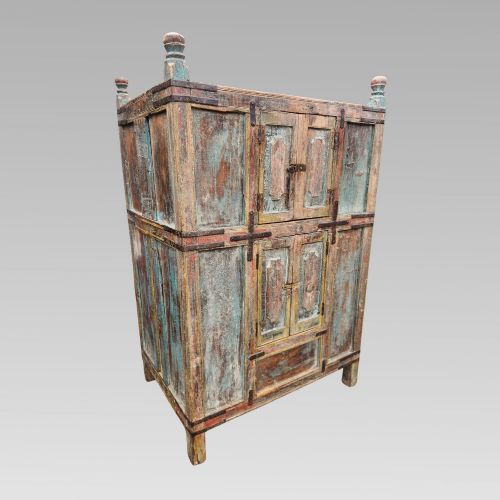
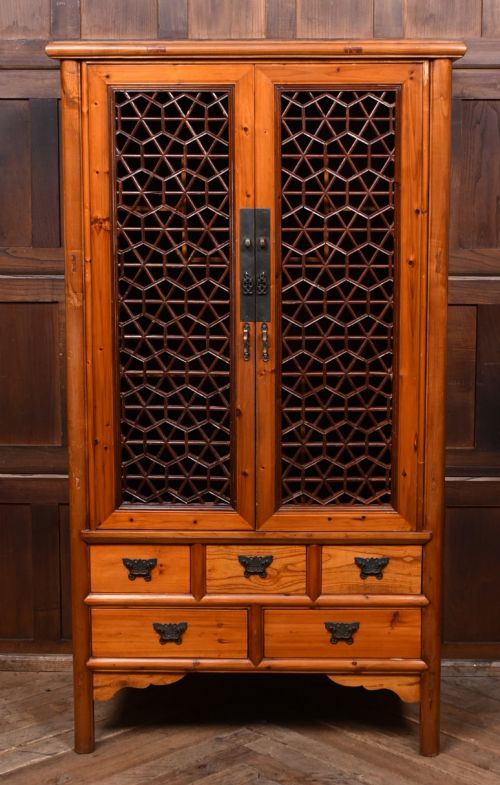
- A freestanding cupboard or wardrobe originating from the Indian subcontinent, typically constructed from heavy timber with substantial doors.
- Blacksmith Lock
- A hand-forged mechanical locking device produced individually by metalworkers before mass-production standardisation.
- Housekeeper's Cupboard
- A large tall storage piece historically used in substantial residences to store household linens, dry foods, and domestic supplies.
Antique Wooden Safe Cabinet: Frequently Asked Questions
How were these cabinets used historically?
Households utilised these units to protect valuable silver, documents, currency, and household provisions from theft and dampness in domestic or estate environments.
Many examples doubled as general storage or food larders while maintaining secure compartments for sensitive belongings.
How do I care for a wooden safe cabinet?
Maintain the timber by applying appropriate wax or polish periodically, keeping the cabinet away from direct heat sources and drastic humidity shifts.
Oil internal iron components and moving lock mechanisms lightly to prevent rust and ensure the hardware continues to operate smoothly.
How can I tell the period of the cabinet?
Examine the construction methods, tool marks on the timber, and the style of the hinges, handles, and locks to determine the likely era of manufacture.
Regional vernacular pieces often display distinct carving styles and wood choices typical of specific European or global traditions from the seventeenth to the early twentieth century.