



Antique Safe Furniture
Antique safe furniture brings together heavy security ironwork and domestic timber cabinetry, offering a clever way to conceal valuables inside period storage pieces.
Antique Safe Furniture
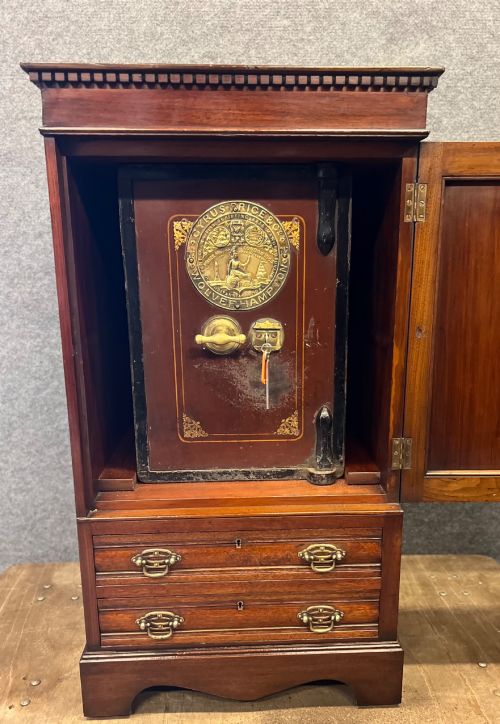
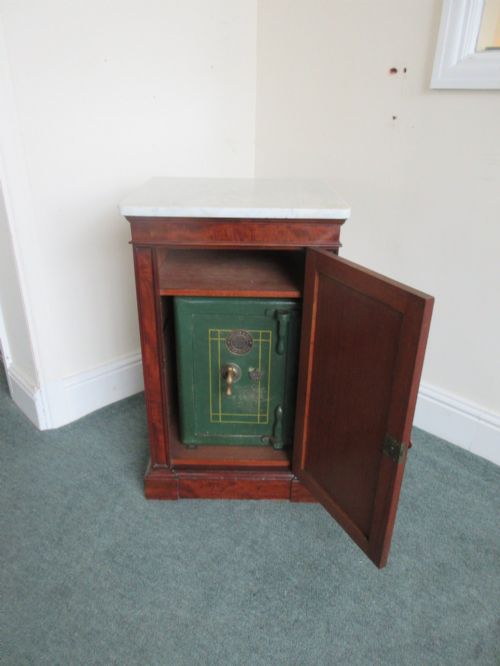
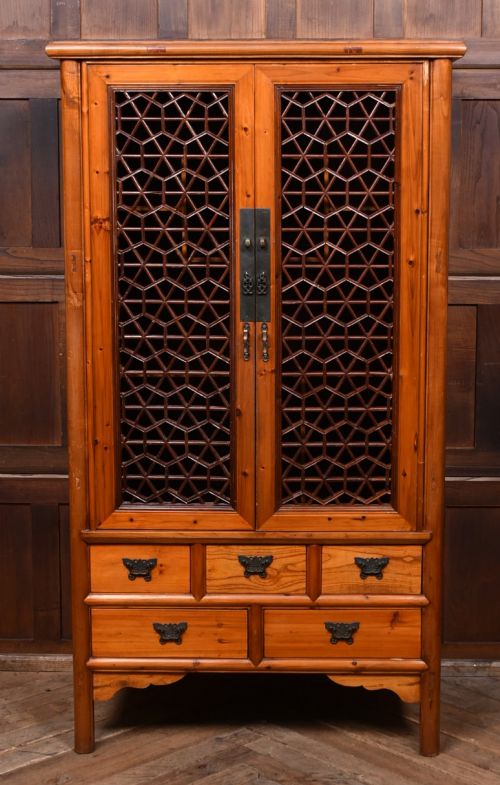
Antique safe furniture combines utilitarian iron safes with decorative timber housings, serving as dual-purpose storage units designed to protect valuables while blending into domestic interiors. When exploring antique safe furniture, buyers frequently encounter pieces where hidden safes sit inside mahogany or walnut cabinets, alongside specialised food storage forms such as bread safes and larder cupboards.
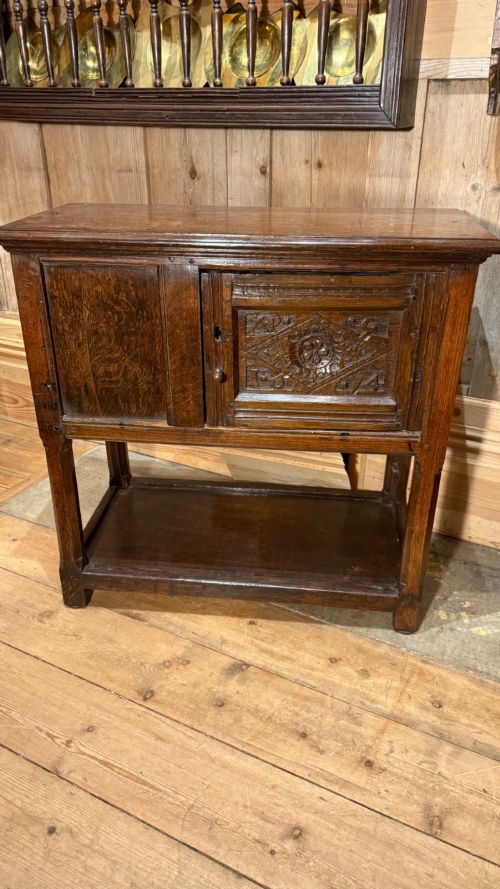
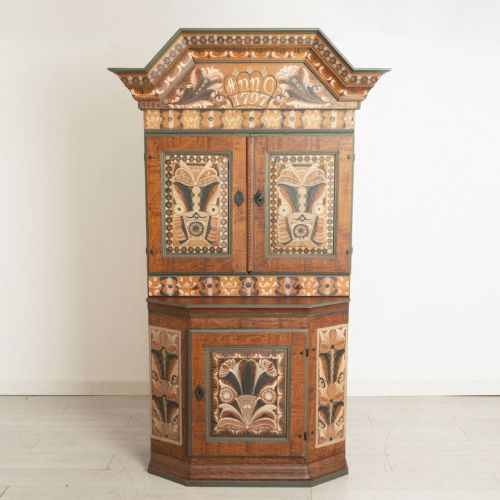
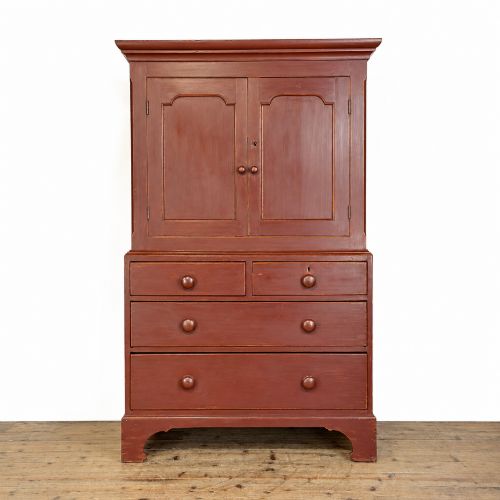
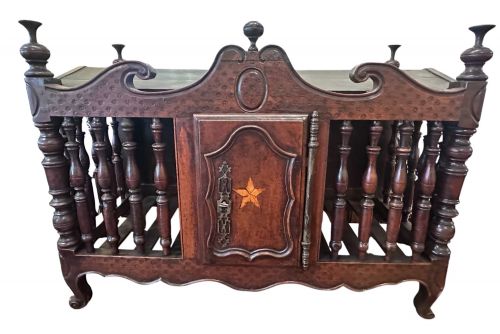
The selection spans centuries, featuring robust oak livery cupboards from earlier periods alongside refined Victorian and Edwardian mahogany or walnut cabinets equipped with branded safes. Regional variations also appear, including French walnut panetières, Spanish walnut cabinets, and painted pine cupboards from Scandinavian and British workshops.
Domestic timber cabinetry takes precedence on this page, housing iron security mechanisms or functioning as dedicated ventilated food storage. These pieces bridge the gap between industrial security and traditional cabinet making, resulting in functional furniture suited to modern living spaces.
Materials and construction
Makers constructed the exterior housings using solid timbers like oak, mahogany, walnut, fruitwood, and pine, often finished with paint, wax, or marble tops. These timber cabinets required traditional joinery techniques, ranging from simple boarded pine construction to fine cabinet making with serpentine drawer fronts.
Concealed within or beneath these wooden frames sit heavy iron and metal safes fitted with brass handles, locks, and mechanisms produced by specialist security makers. The integration demands careful carpentry to support the immense weight of the internal iron safe while maintaining smooth operation of doors and drawers.
Antique Safe Furniture Retail Price Guide 2026
Typical asking prices for safe furniture among the pieces listed under this phrase on Sellingantiques today, from the lower quarter to the upper quarter. They describe what is for sale here now, not the wider market.
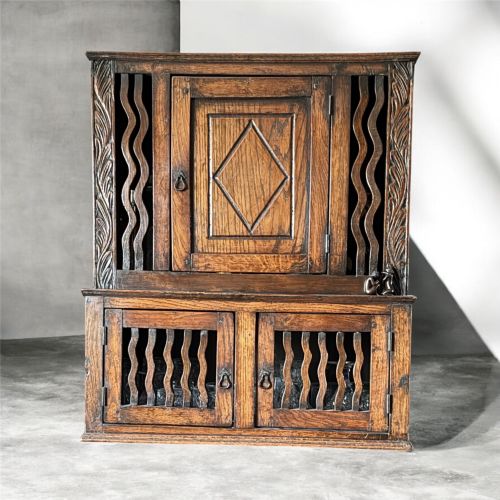
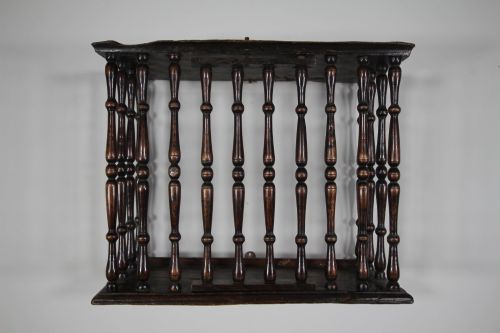
Bread safes were cleverly ventilated with spindles so loaves could breathe while keeping hungry mice safely locked outside.
Assessing quality in construction and integration
Quality rests upon how successfully the timber cabinet accommodates the heavy metal safe without compromising structural integrity. Superior examples feature seamless cabinet work, such as marble tops and well-fitted doors, paired with fully operational branded safes that retain their original keys and brass details.
The choice of timber and surface finish also dictates the tier of the piece, moving from utilitarian pine storage boards to figured walnut and mahogany veneers. Finer items demonstrate careful proportion and harmonious integration between the outer domestic furniture and the industrial iron safe inside.
S. Mordan & Co·Chubb·Waring & Sons·Withers Safe
The Antique Safe Furniture Glossary
- Safe cabinet
- A piece of timber furniture specifically designed to enclose an iron safe, concealing security behind domestic doors.
- Livery cupboard
- An early oak storage cabinet traditionally used for provisions and household items, associated with medieval and seventeenth-century domestic life.
- Housekeeper's cupboard
- A large timber storage piece combining cupboards and drawers, historically used in country houses for linen and dry goods.
- Almirah
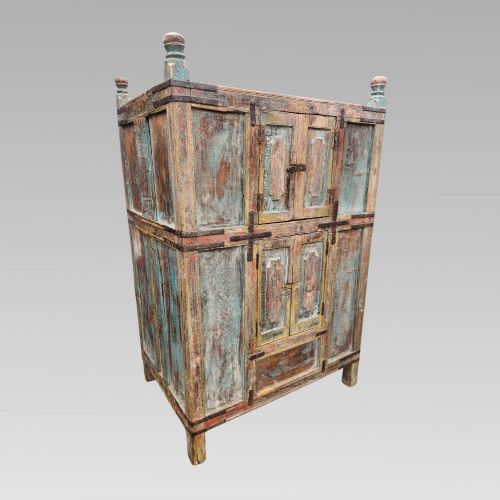
- A freestanding cabinet or wardrobe originating from Indian domestic architecture, utilised for versatile storage.
Antique Safe Furniture: Frequently Asked Questions
What is antique safe furniture used for today?
These pieces function as striking focal points in hallways, studies, or living rooms, offering concealed storage for modern valuables alongside traditional shelving.
The internal iron safes provide secure compartments for documents and small items, while the outer wooden cabinets deliver practical shelving and surface space.
How do I identify the period of a safe cabinet?
Dating relies on the style of the outer timber cabinetry, such as seventeenth-century oak mouldings, eighteenth-century French proportions, or Victorian mahogany finishes.
Examining the construction methods, handles, and the internal iron safe mechanism helps narrow down the manufacturing era between the seventeenth and early twentieth centuries.
Are the internal iron safes still operational?
Many internal safes retain their original locks and mechanisms, though functionality varies depending on whether they have been restored and whether keys survive.
Specialist security makers often engraved their metal doors, meaning functional locks can sometimes be serviced by traditional locksmiths if combinations or keys are present.
How do I care for timber and iron combined?
Maintaining these items requires treating the wooden exterior with appropriate wax or polish while keeping the metal components clean and dry to prevent corrosion.
Because the iron safes add significant weight to the furniture, placement should account for floor load capacities and stable indoor humidity levels.