
Antique Safe Cupboard
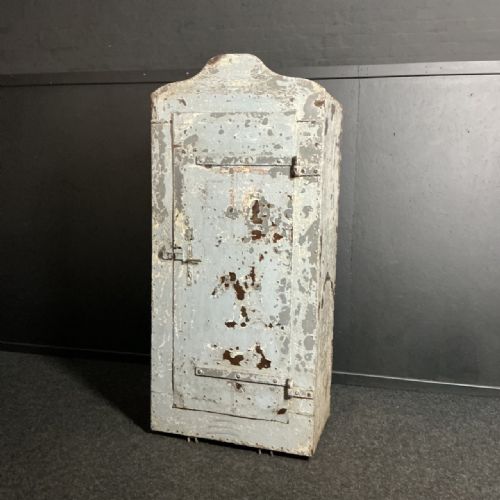
An antique safe cupboard secures provisions or valuables with heavy timber and iron, offering functional utility grounded in history.
Antique Safe Cupboard
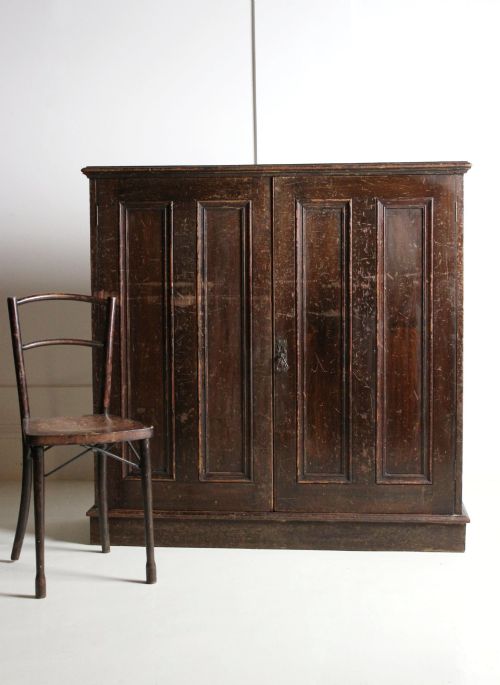
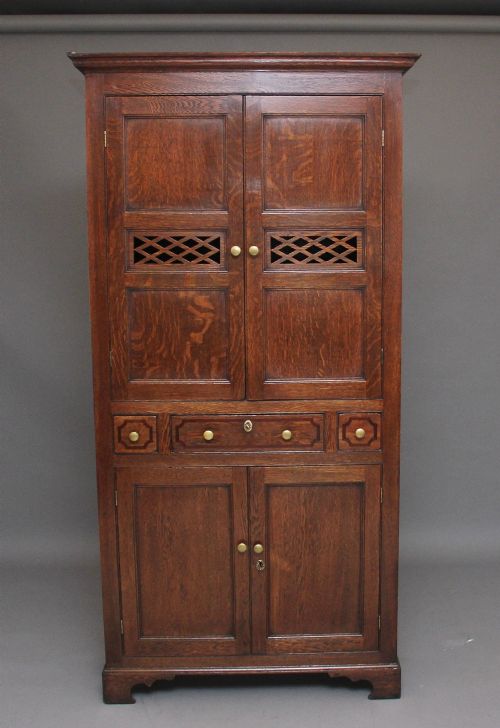
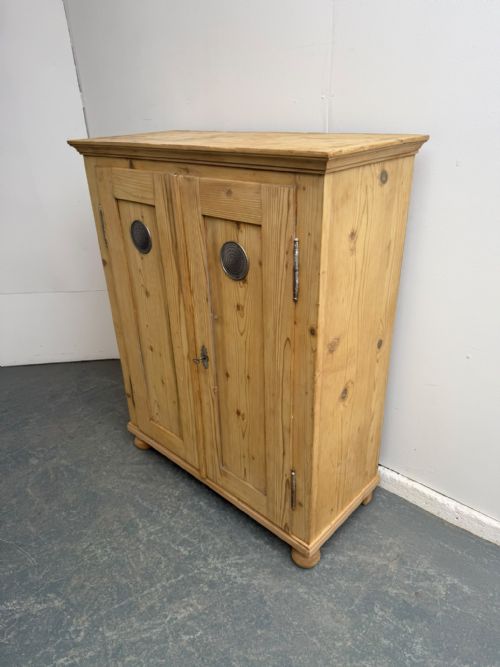
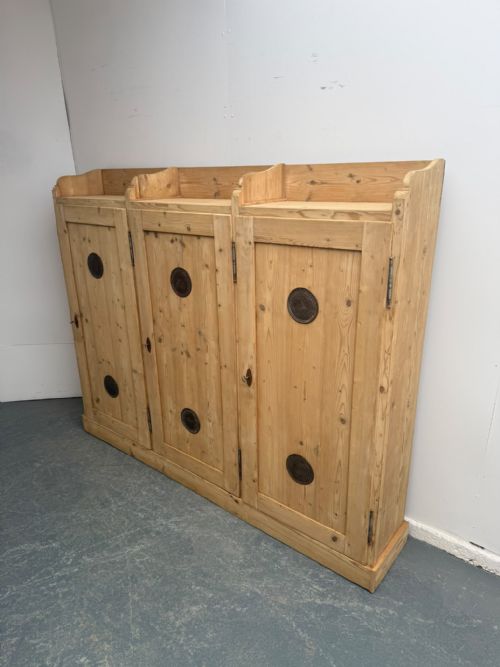
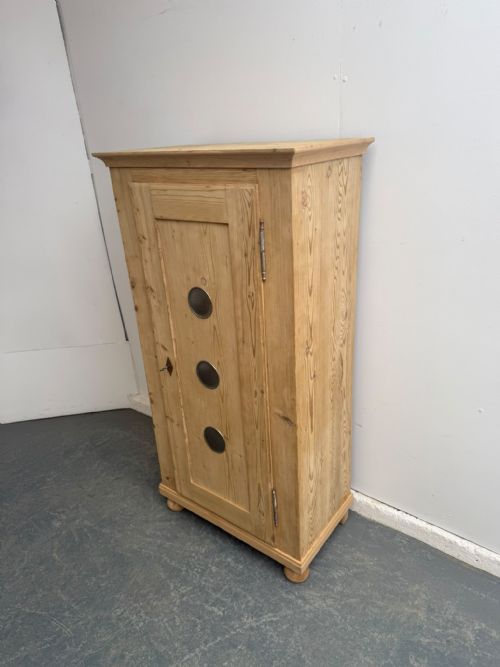
An antique safe cupboard comprises functional storage units designed for provisions, food preservation, and security, appearing frequently in pine, oak, and mahogany. The selections here span the seventeenth century through the Edwardian period, encompassing regional forms such as larder cupboards, panetières, and meat safes.
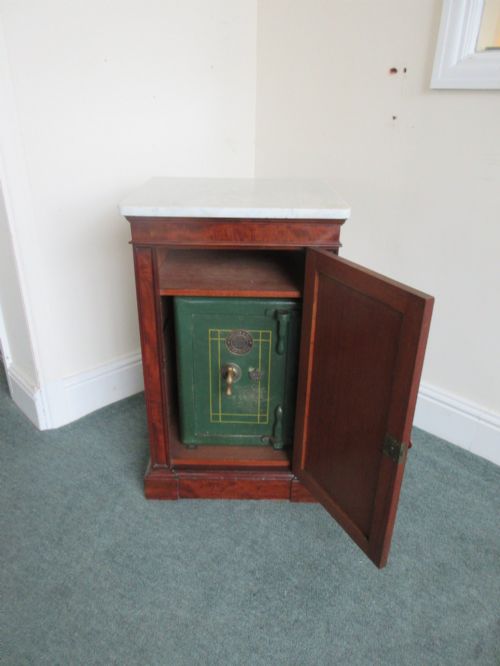
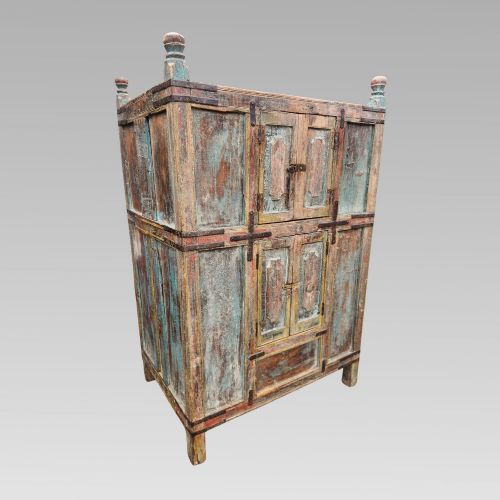
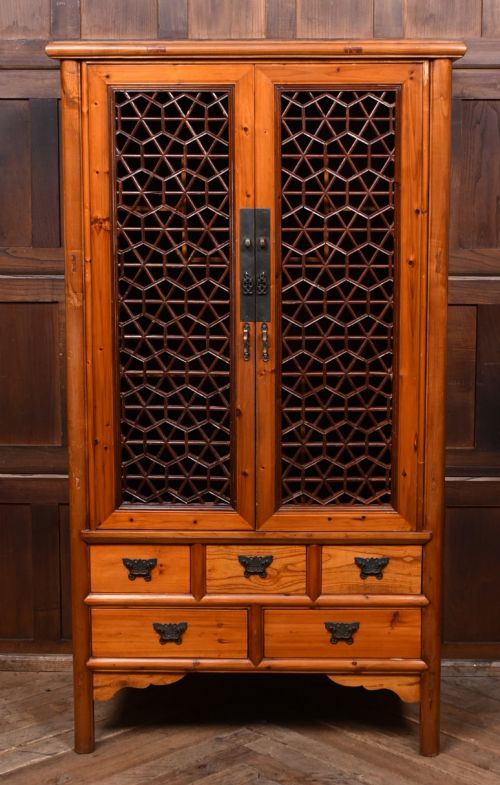
Buyers encounter country kitchen cupboards alongside specialised cabinets fitted with brass hardware, vented doors, or internal safes. These pieces originate from British, French, Scandinavian, and Japanese workshops, showing diverse vernacular styles from French provincial to Welsh vernacular.
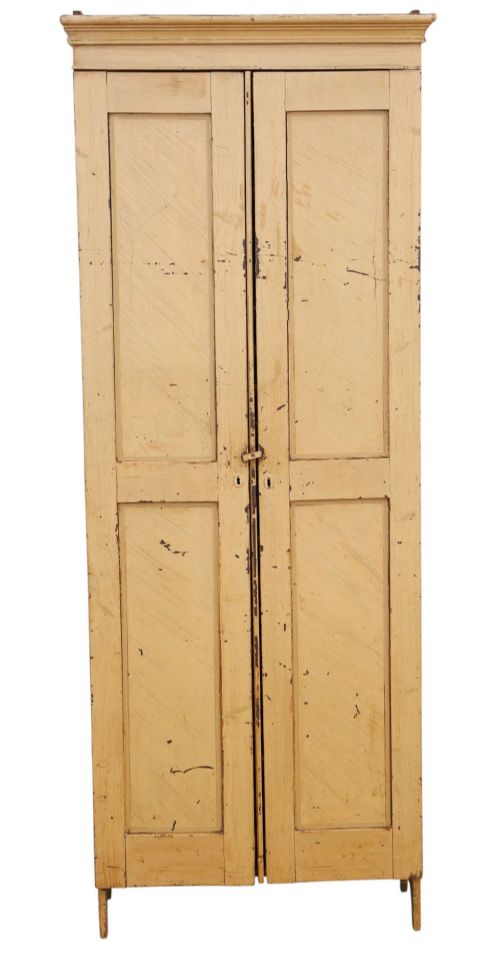
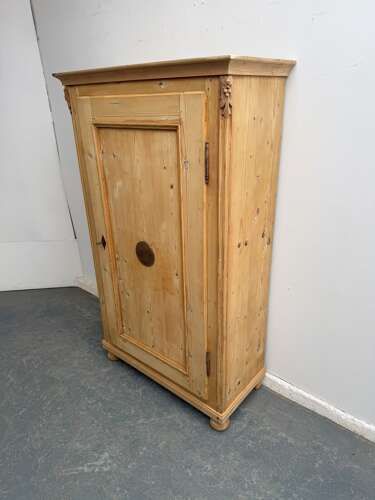
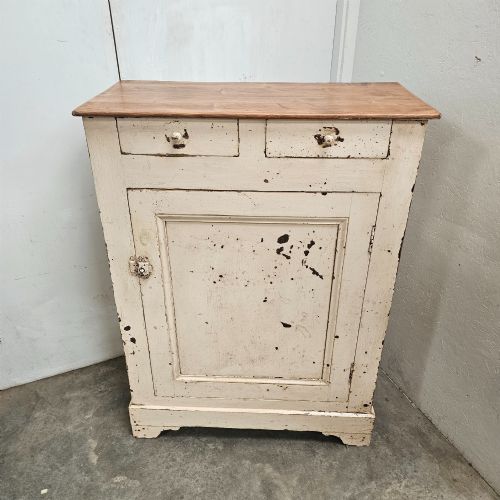
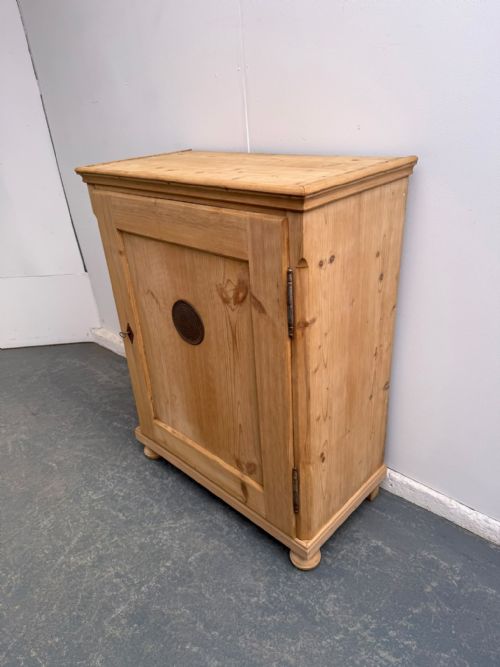
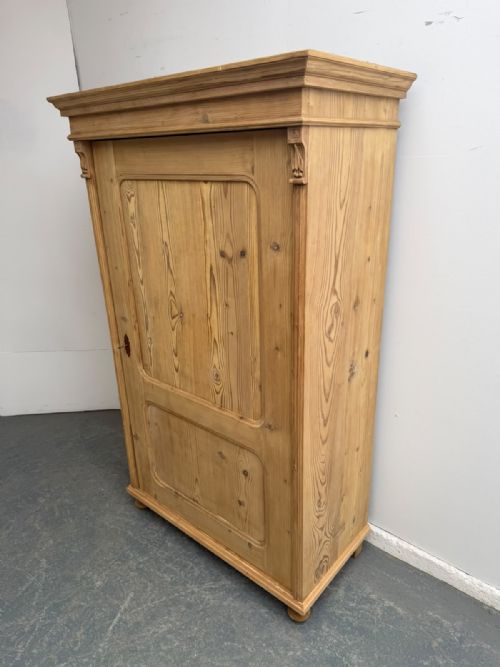
Utility defines this category, whether in tall housekeeper cupboards, shallow vented storage, or low single-door pine units. The selection relies heavily on nineteenth-century and Victorian pine examples alongside earlier eighteenth-century oak iterations.
How they were made
Makers constructed these cupboards using solid timbers such as pine, oak, walnut, fruitwood, and mahogany, often joined with traditional pegged or panelled methods. Iron and steel reinforcement, alongside brass hinges and blacksmith-forged locks, provided structural security and durability for food and item storage.
Surfaces exhibit varying treatments from original paint and carved Scandinavian detailing to wax finishes and bare fruitwood. Vented doors utilised pierced metal or wire mesh panels to allow air circulation while protecting stored provisions.
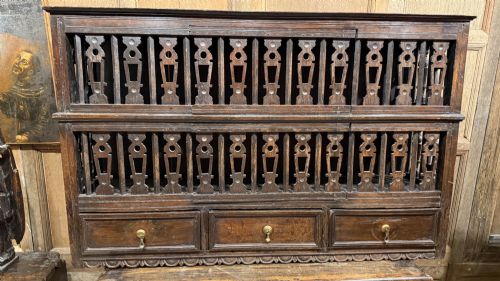
Bread cages saved loaves from nimble paws, proving that even rural French mice faced strict kitchen security.
What varies in quality
Quality rests in the integrity of the original construction, timber selection, and the survival of period hardware such as blacksmith-made locks and hinges. Pieces retaining their initial painted finishes or uncompromised structural joinery command greater interest than heavily altered examples.
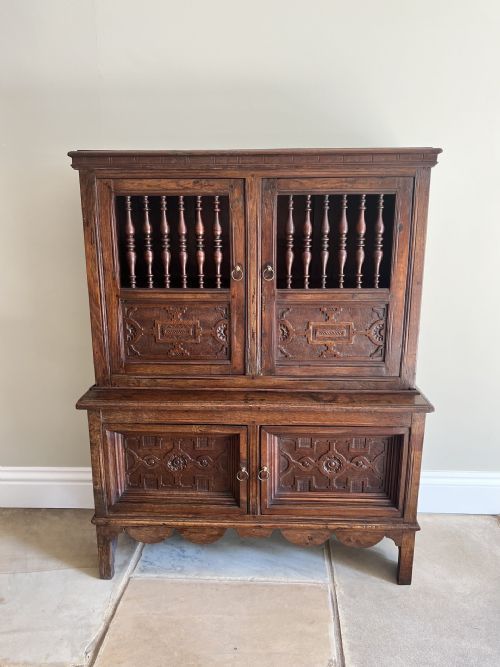
Refinement in regional carving, proportion, and specialised internal layouts - such as integrated safes within mahogany cabinetry or finely turned panetiere spindles - differentiates utilitarian workshop output from master cabinet work.
The Antique Safe Cupboard Glossary
- Panetière
- A wooden food cabinet, often French, featuring spindle-turned galleries designed to store bread safely away from rodents.
- Larder cupboard
- A tall storage unit utilised for food provisions, frequently fitted with ventilation panels to maintain air circulation.
- Meat safe
- A specialised cupboard incorporating wire mesh or perforated tin panels to keep meat cool and protected from insects.
- Vernacular
- Regional building traditions utilising local materials and practical designs rather than formal architectural styles.
- Almirah
- An upright cabinet or cupboard originating from South Asia used for general storage.
Antique Safe Cupboard: Frequently Asked Questions
How were meat safes used?
Meat safes served as precursors to refrigerators by utilising perforated tin or wire mesh doors to circulate air while keeping flies and pests away from perishable food.
Households placed them in cool pantries or kitchens to store fresh cuts of meat, bread, and dairy. The ventilation kept provisions fresh for longer periods in domestic kitchens.
How do I identify eighteenth-century oak?
Eighteenth-century oak pieces display deep patination, heavy grain patterns, and traditional construction methods like pegged joints and hand-cut panels. Blacksmith-forged iron hinges and primitive locks are typical indicators of this period.
These cupboards often show vernacular regional traits, differing significantly from later factory-produced nineteenth-century furniture. Inspecting the interior boards and back construction helps confirm the age of the timber.
Where do French panetières come from?
French panetières originate primarily from regions like Provence and Normandy as specialised cabinets for storing daily loaves of bread. They often feature carved fruitwood or walnut panels and spindle-turned galleries.
These bread cages protected baked goods from household animals while allowing ventilation. Their decorative carved fronts made them focal points in French country kitchens.
Are pine cupboards durable?
Pine cupboards offer robust utility, utilising softwood planks that withstand daily domestic use in country kitchens and sculleries. Many survive from the Victorian and nineteenth centuries with sound structural integrity.
Their surfaces frequently accept wax or paint finishes well, allowing owners to maintain or adapt their appearance. Solid pine construction ensures these storage units remain practical for modern use.