


Victorian Safe Cabinet
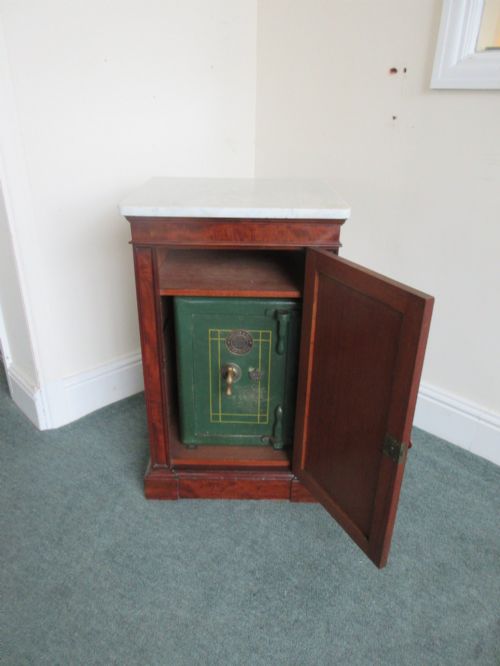
A victorian safe cabinet conceals iron security behind fine wood or painted pine, offering discreet protection for valuables.
Victorian Safe Cabinet
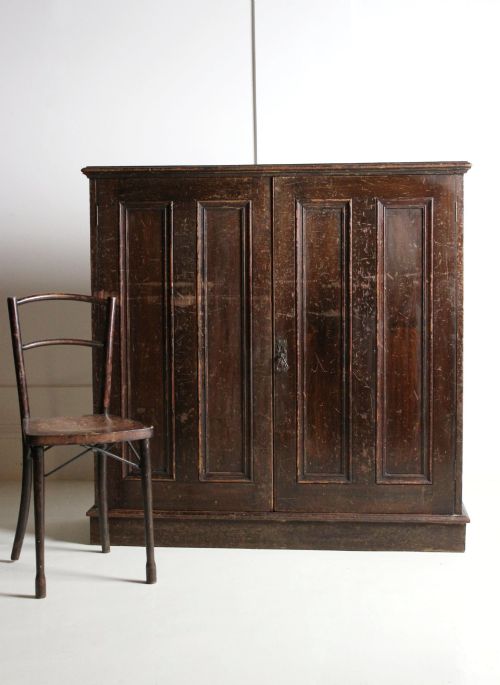
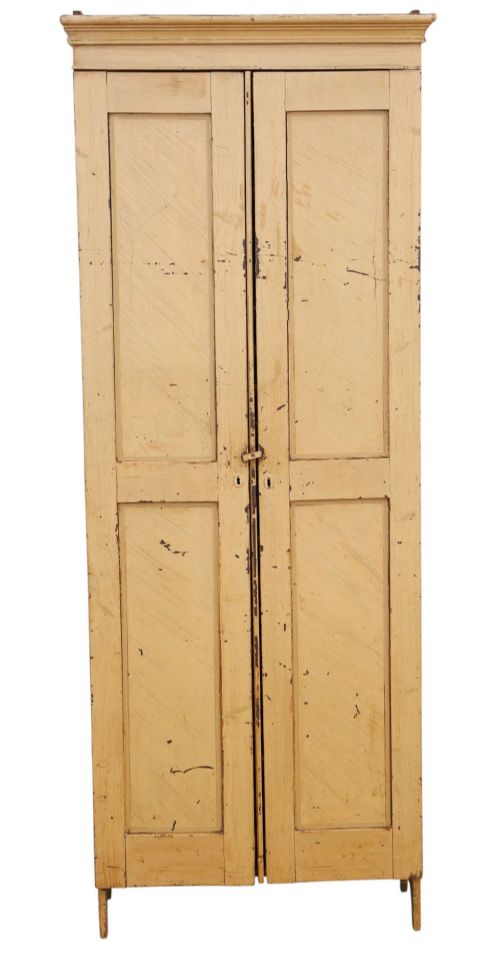
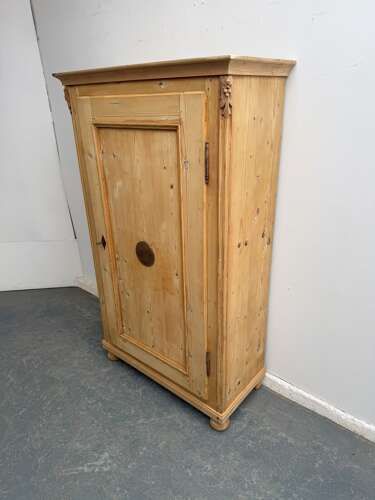
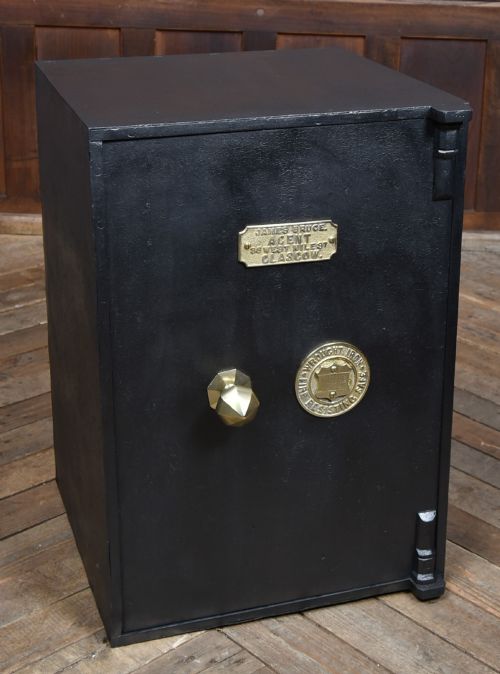
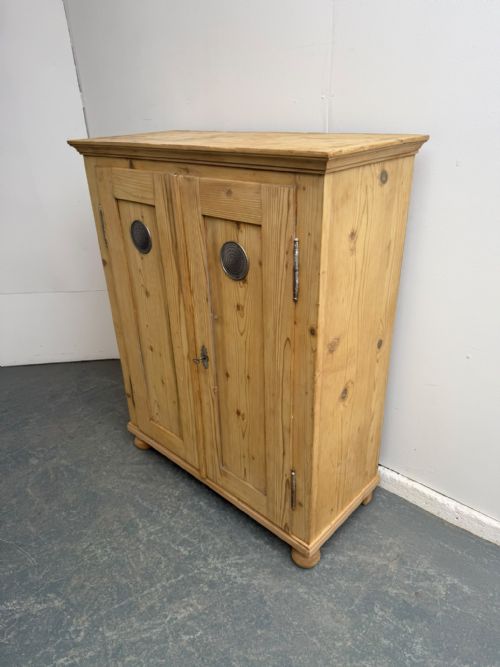
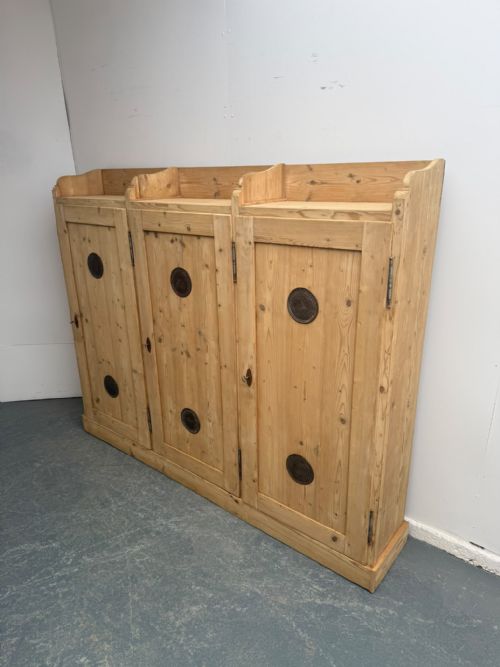
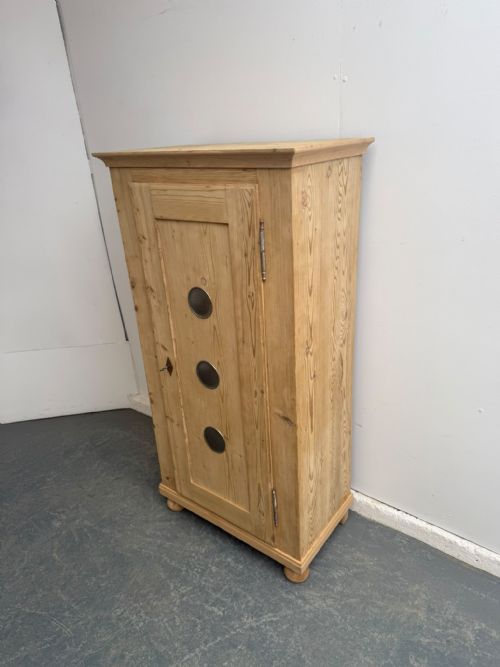
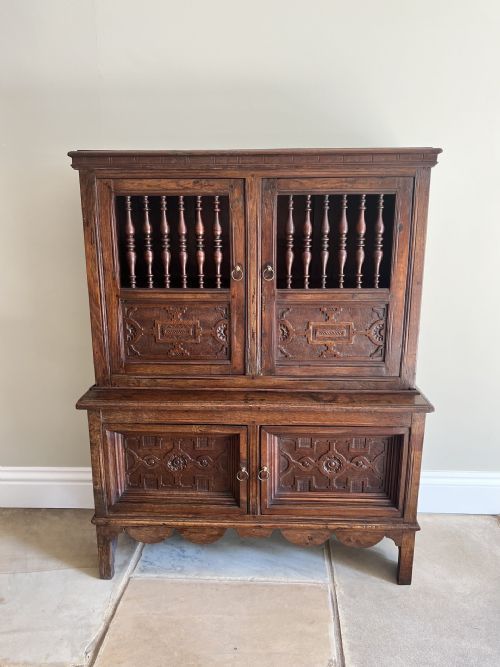
When you search for a victorian safe cabinet, you encounter sturdy metal safes housed within domestic wooden furniture such as mahogany, oak, or walnut housings, alongside functional painted pine cupboards and vented larders. These dual-purpose pieces combine heavy iron and steel security mechanisms with the polished appearance of sideboards, tables, or housekeepers' cupboards designed for reception halls and studies.
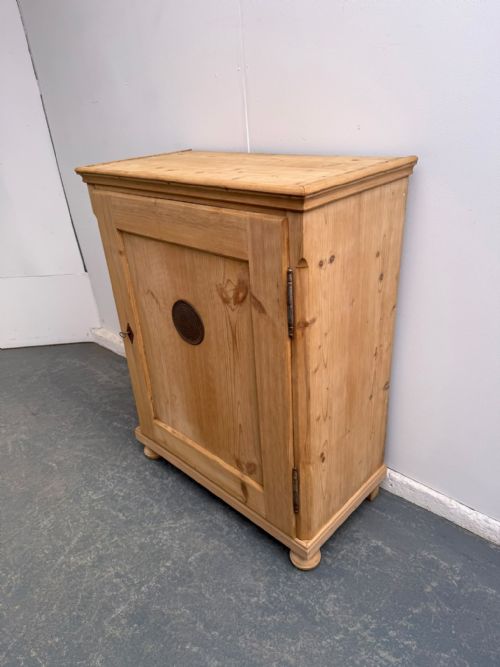
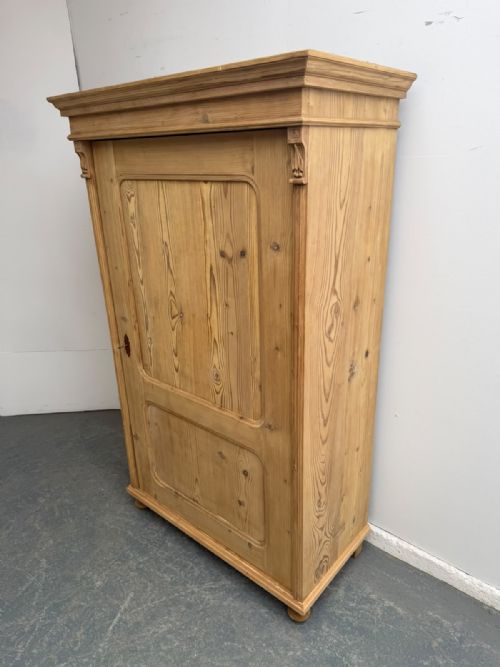
The most common examples on this page are pine kitchen cupboards and heavy timber cabinets enclosing iron safes or strongboxes, spanning the nineteenth century through to the early twentieth century. Buyers select these items to integrate industrial-strength security seamlessly into domestic interiors without sacrificing period aesthetics.
How they were made
Makers constructed the exterior housings using native timbers such as pine, oak, mahogany, and walnut, employing traditional joinery for doors, drawers, and marble tops. These outer cabinets were finished with wax, paint, or polish to match contemporary domestic furniture.
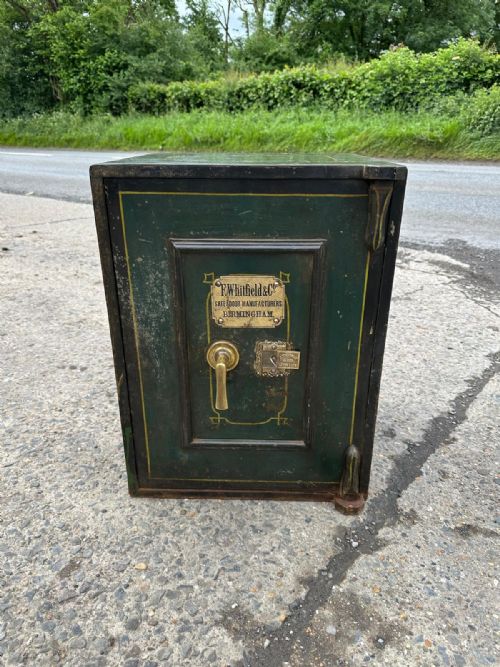
The interior security compartments utilised heavy cast iron, steel, and brass, incorporating specialised locking mechanisms and fireproof linings. Metal elements often featured maker plates and ornate detailing, contrasting with the simpler vernacular carpentry of the surrounding wood.
Some safes required heavy brass keys that practically doubled as pocket sundials.
What varies in quality
The standard of a victorian safe cabinet depends largely on the refinement of its exterior housing and the complexity of the enclosed safe mechanism. Fine examples pair bespoke cabinetry in figured walnut or mahogany with fully restored, branded iron safes complete with original keys, whereas simpler pieces utilise utilitarian painted pine built for basic storage.
Another factor is the integration between the outer wooden cabinet and the inner safe, where superior pieces maintain seamless proportions and unified styling. The presence of specialised detailing, such as marble tops or elaborate maker signatures, elevates the piece from basic utility to high-status furnishing.
James Bruce·F. Whitfield & Co.·Chubb·Waring & Sons·George Price·Milners
The Victorian Safe Cabinet Glossary
- Safe
- A heavy metal box designed to secure valuables against theft and fire. These are frequently housed inside timber cabinets in this category.
- Pine
- A softwood commonly used for vernacular furniture, pantry cupboards, and painted kitchen storage pieces. It accepts wax and paint finishes readily.
- Mahogany
- A dense tropical hardwood prized for its rich reddish-brown grain, often utilised in formal Victorian cabinet work. It provides a luxurious contrast to iron safes.
- Vernacular
- Everyday architecture and furniture built by local craftsmen for practical domestic use rather than following high-style academic design. Welsh and country examples fall into this tradition.
- Vented
- Fitted with pierced panels or grilles to allow air circulation, typically found on food and pantry cupboards to keep provisions fresh.
Victorian Safe Cabinet: Frequently Asked Questions
What is a victorian safe cabinet?
A victorian safe cabinet is a piece of nineteenth-century furniture that conceals a heavy iron or steel security safe within a wooden housing. These range from polished mahogany and oak reception furniture to painted pine kitchen cupboards.
The outer casing allows a functional security safe to blend into a residential hallway, study, or kitchen without displaying industrial metalwork to visitors.
How were these cabinets used?
Original owners utilised these pieces to store valuable documents, family silver, currency, and household account books securely within living spaces. The outer wooden furniture provided surface space and kept the safe discreet.
Estate managers and homeowners kept valuables locked away while maintaining the orderly appearance of a furnished room.
Can I use one in a modern home?
These cabinets adapt easily to contemporary interiors, serving as statement storage in hallways, living rooms, or home offices. The internal safe provides secure storage for modern valuables like laptops and passports.
Their substantial weight and distinct period character make them both practical storage items and focal points in a room.