


Cast Iron Strongbox
When you search for cast iron strongbox, you seek secure storage forged from robust metal, offering enduring historical protection for valuables.
Cast Iron Strongbox
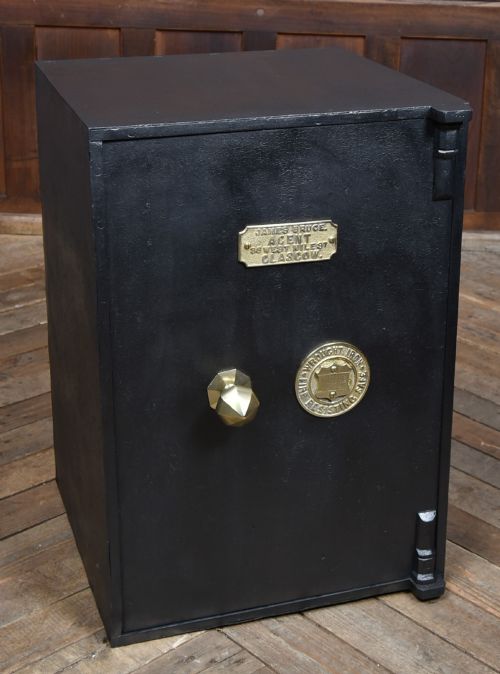
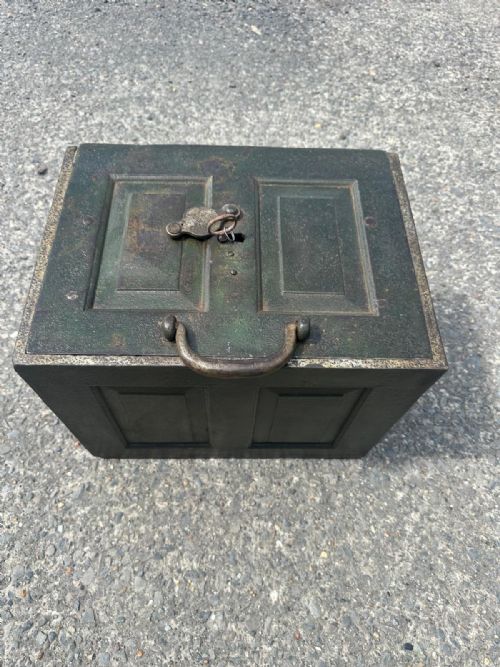
A cast iron strongbox provides heavy-duty security and storage, combining cast iron, steel, and wrought iron into solid forms. These pieces span the Victorian era and the nineteenth century, reflecting industrial utility.
You will encounter various forms on this page, including safes, lock boxes, decorative boxes, and chest safes. Many examples hail from English and Scottish makers, alongside continental pieces such as a German steel casket.
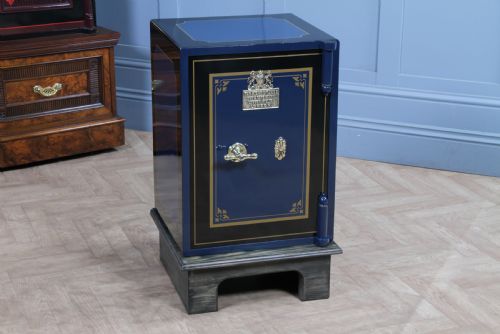
The aesthetic merges industrial function with decorative flair, featuring original paint colours, ornate brass fittings, and occasional stands made from burr walnut. These functional items double as striking statement furniture for modern interiors.
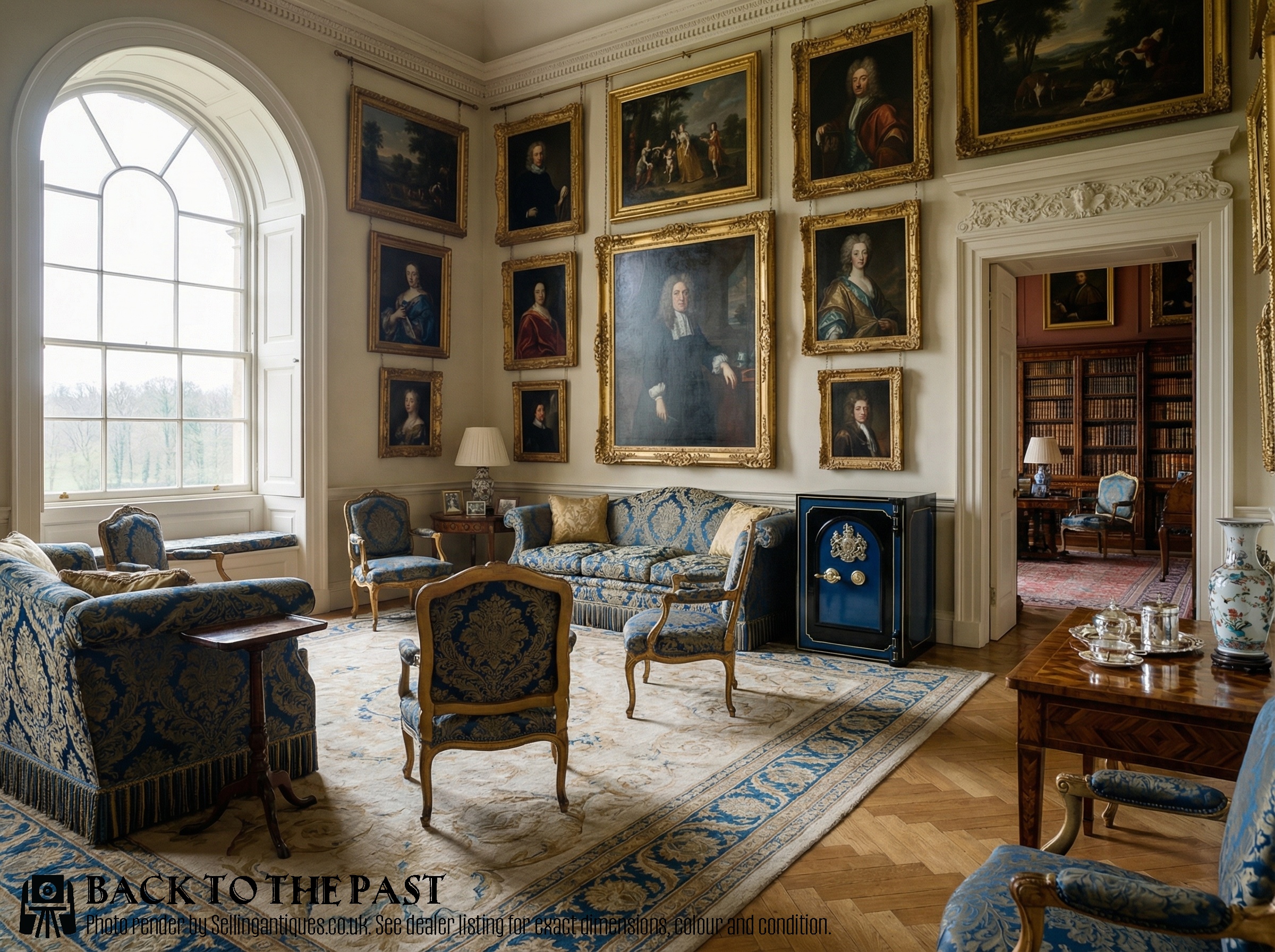
Materials and construction methods
Makers utilised heavy cast iron alongside sheet iron and steel to build impenetrable bodies, reinforcing them with wrought iron components. This combination provided substantial weight and structural integrity against fire and forced entry.
Intricate locking mechanisms and brass details were incorporated into the design, while wooden stands in walnut elevated select luxury models. Original painted finishes often adorned the exterior, preserving the authentic industrial appearance.
Cast Iron Strongbox Retail Price Guide 2026
Typical asking prices for cast iron strongbox among the pieces listed under this phrase on Sellingantiques today, from the lower quarter to the upper quarter. They describe what is for sale here now, not the wider market.
Several luxury strongboxes sit upon grand walnut stands, proving that even heavy industrial security appreciated a comfortable pair of legs.
Distinguishing quality in strongboxes
Superior examples exhibit fine decorative casting, ornate brass work, and the inclusion of original working keys. Luxury editions often feature bespoke stands and comprehensive restoration that preserves the historic character without losing patina.
Simpler utilitarian boxes focus purely on heavy-duty construction rather than ornamentation. The presence of documented maker plates and patent locks elevates the historical significance of individual pieces.
James Bruce·Tanns Defiance London·Milners of Liverpool·Waring & Sons·George Price
The Cast Iron Strongbox Glossary
- Cast iron
- An iron-carbon alloy poured into a mould to form rigid, heavy shapes. It forms the primary structural body of these secure containers.
- Wrought iron
- Tough, malleable iron beaten into shape by a blacksmith, often utilised for hinges, straps, and internal reinforcement within these boxes.
- Strongbox
- A secure chest designed for safeguarding money, documents, or valuables. These items rely on heavy metal construction and complex internal locking systems.
- Patent safe
- A secure box manufactured under a formal registration protecting a specific locking or fireproofing innovation. These pieces often bear the stamp of notable nineteenth-century makers.
Cast Iron Strongbox: Frequently Asked Questions
How heavy is a cast iron strongbox?
These boxes are exceptionally heavy due to their solid metal construction and thick plate walls. Moving them typically requires multiple people and careful planning.
Their substantial weight formed a primary security measure, preventing thieves from easily carrying the entire container away.
Do these strongboxes still lock?
Many restored examples retain their original functioning locks and keys. Makers integrated complex mechanisms designed to deter unauthorised access.
Operation varies by piece, with some utilising intricate brass keyholes concealed beneath decorative panels.
How do I style a strongbox at home?
These industrial pieces work well as standalone side tables, coffee table bases, or statement items on sturdy surfaces. Their dark metal tones contrast effectively with natural wood and modern interiors.
Model variants mounted on walnut stands offer elevated profiles suitable for displaying in studies or living rooms.
Were all strongboxes fireproof?
Nineteenth-century manufacturers increasingly engineered fire-resistant properties into their designs to protect documents and currency. Descriptions often denote specific fireproof capabilities alongside standard mechanical security.
Testing methods from the period focused on insulating interior compartments against extreme external heat.