
Antique Locking Cabinet
An antique locking cabinet secures valuables behind timber doors, bringing practical nineteenth-century security to modern rooms.
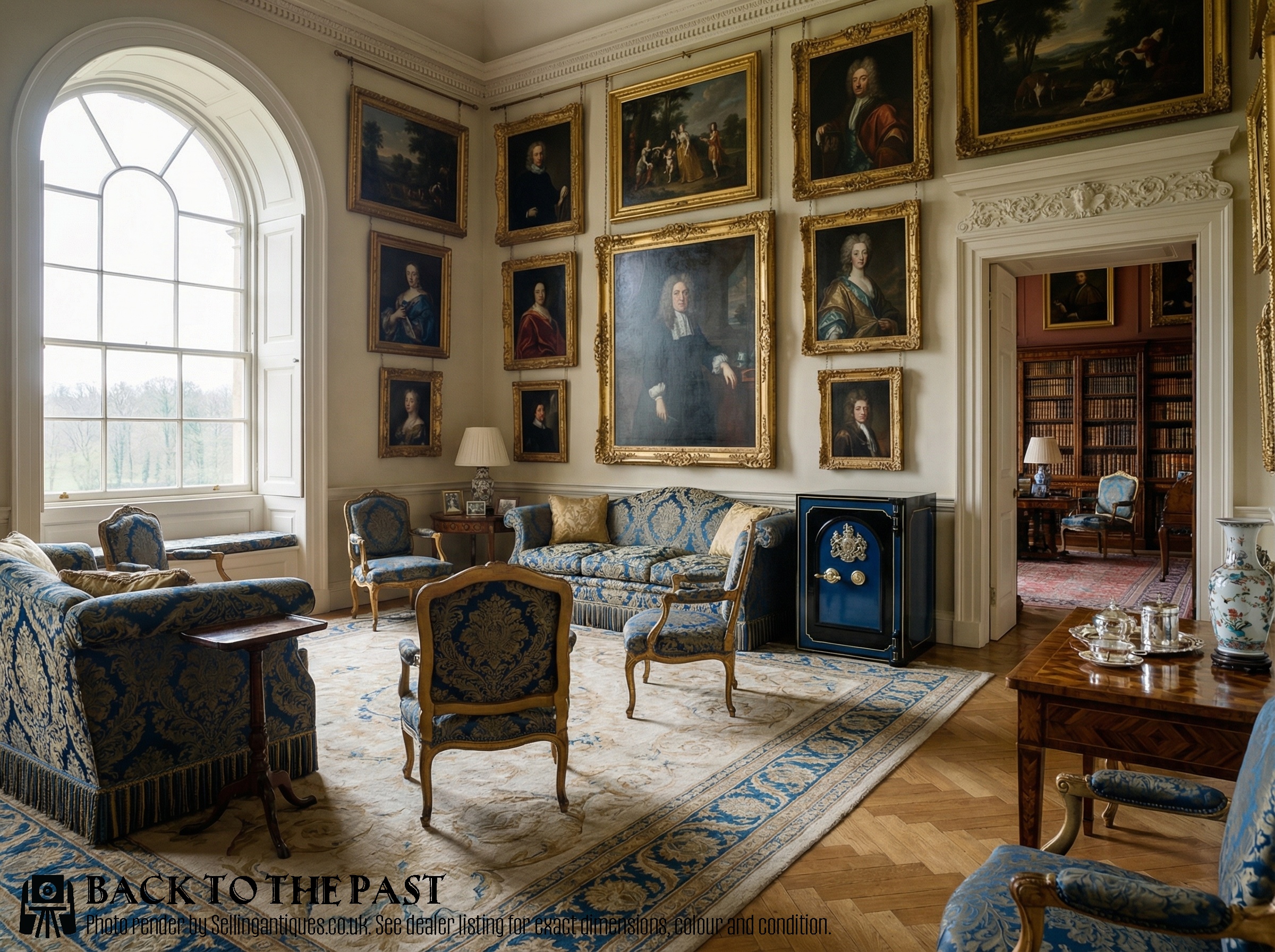
Antique Locking Cabinet
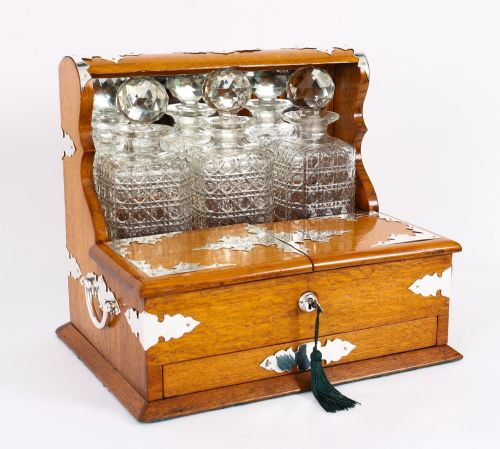
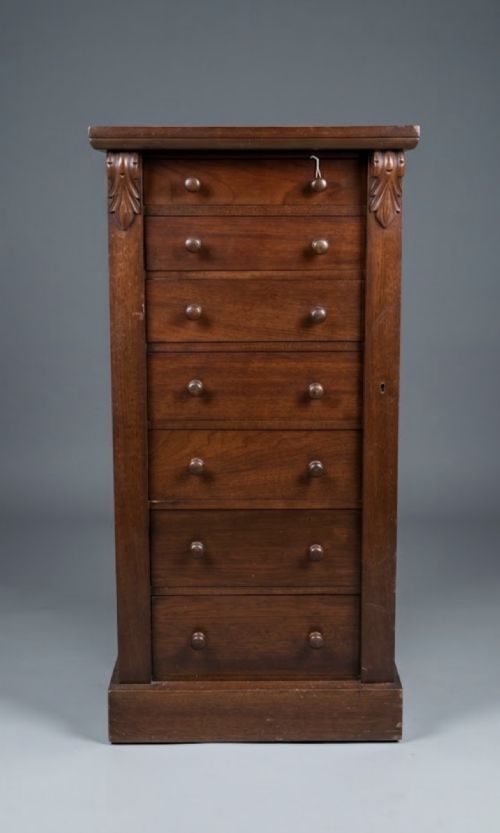
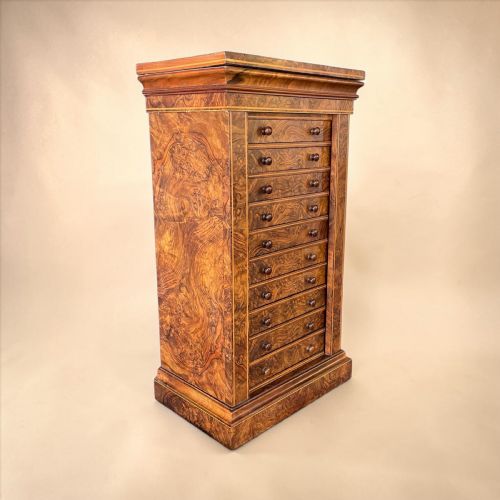
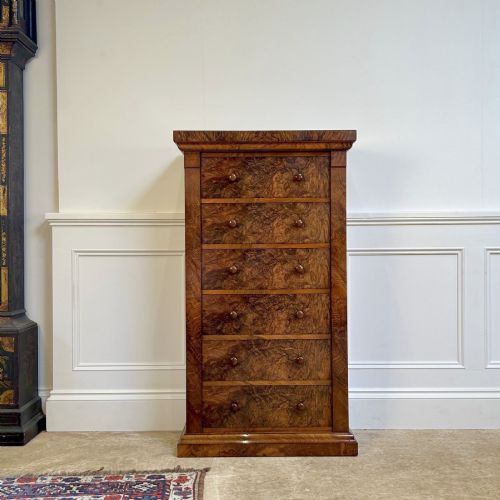
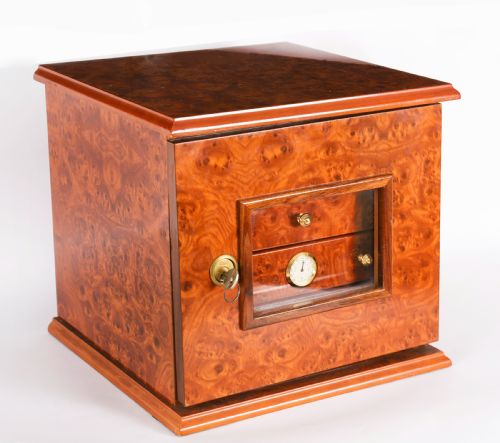
When you search for an antique locking cabinet, you encounter a varied group of secure storage pieces designed for domestic use. The selection spans tall multi-drawer chests with locking stiles, tantalus drinks holders, cigar humidors, and stationery boxes.
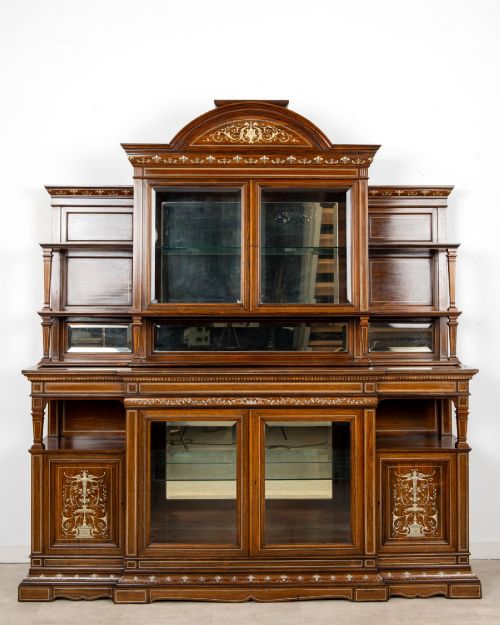
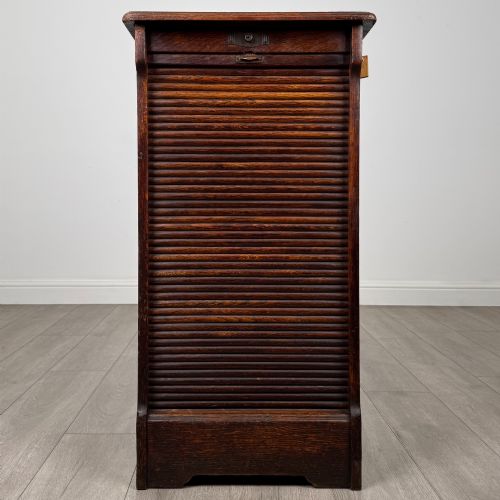
Other forms appearing regularly include Edwardian display cabinets, oak filing cabinets, and primitive country cupboards fitted with original blacksmith locks and hinges. Each type was built to protect specific items, from private documents to spirits and tobacco.
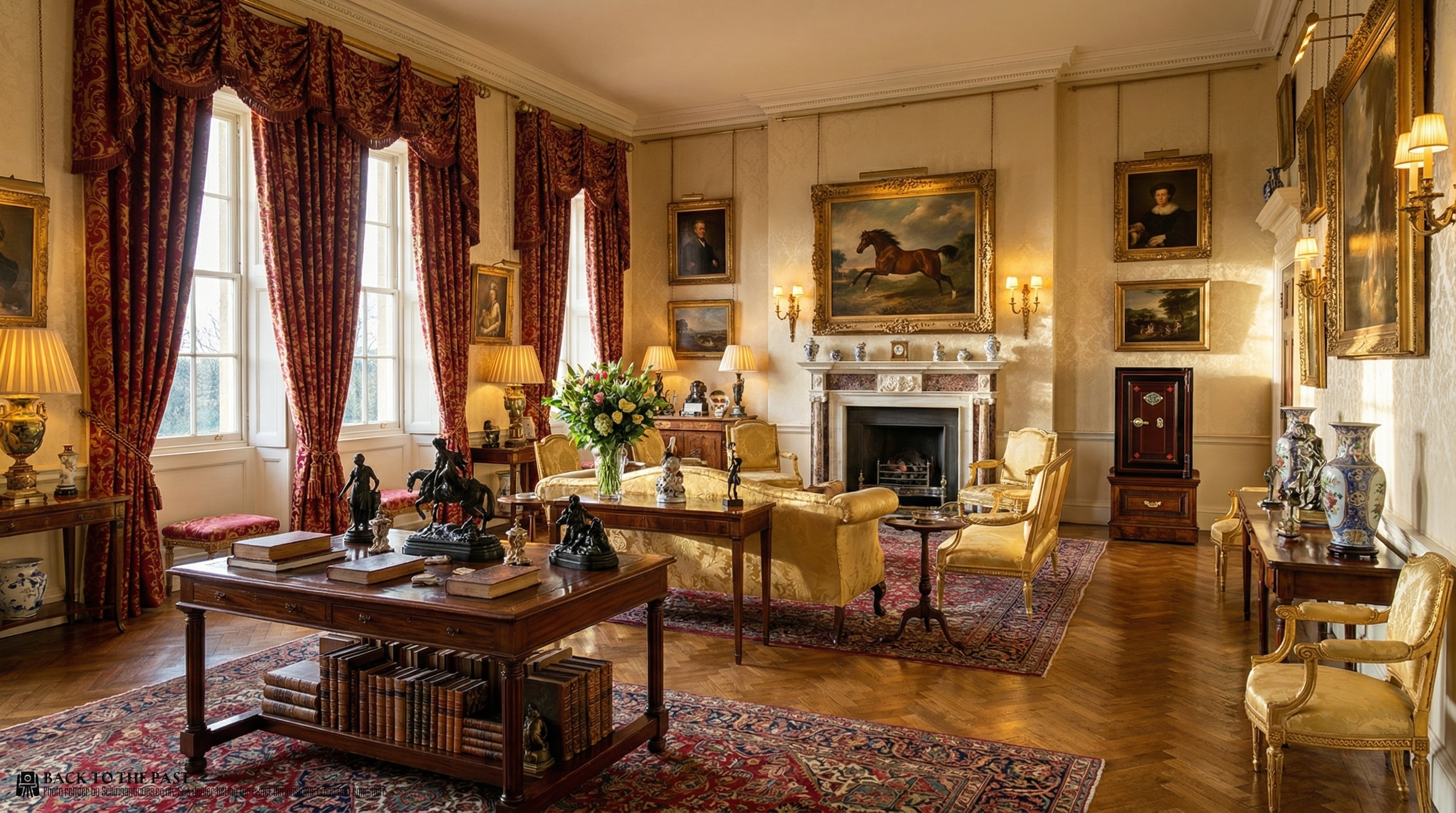
How they were made
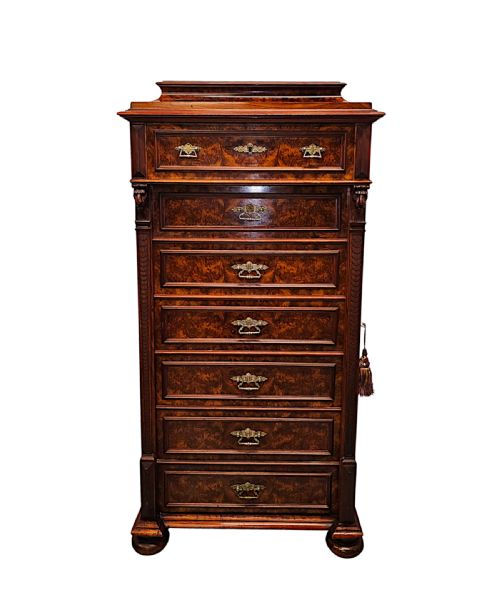
Cabinet makers utilised dense hardwoods such as mahogany, oak, rosewood, and walnut, often selecting figured veneers like burr walnut and burr elm for primary surfaces. These timbers were chosen for both structural stability and visual depth.
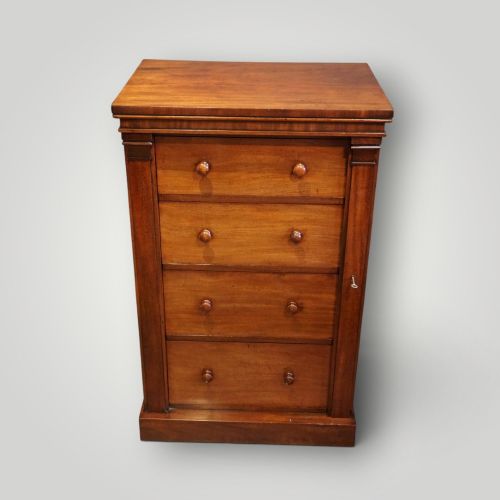
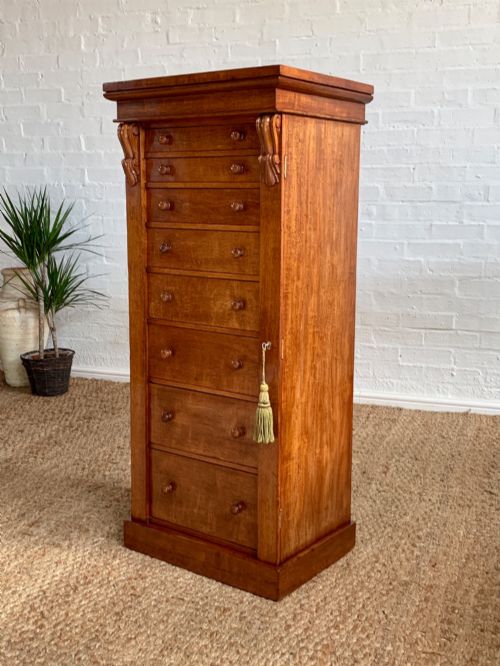
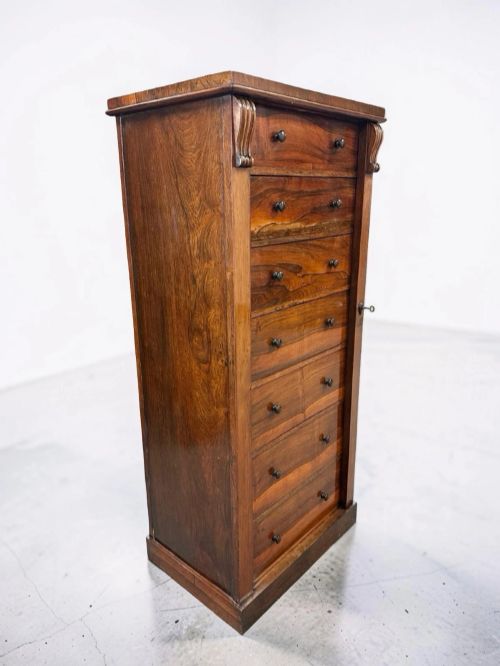
Security mechanisms rely on brass lever locks, fitted key escutcheons, and the characteristic side-locking stiles found on Wellington chests. Original brass mounts, turned knobs, and hand-forged hinges complete the construction of these secure pieces.
Carpenters stored their livelihoods in locking joiner's toolboxes, keeping hand tools safe with heavy blacksmith hinges.
What varies in quality
The grade of timber selection largely dictates the standing of a piece, with finely figured burr veneers and solid mahogany marking higher workshop standards. Plain secondary timbers and heavy timber shrinkage indicate more utilitarian production.
The integrity of the locking mechanism and the survival of the original working key influence value significantly. Cabinets retaining original brass hardware, tight drawer dovetails, and functioning side stiles demonstrate superior original craftsmanship.
Collinson and Lock·Gillows·Holland and Sons
The Antique Locking Cabinet Glossary
- Wellington chest
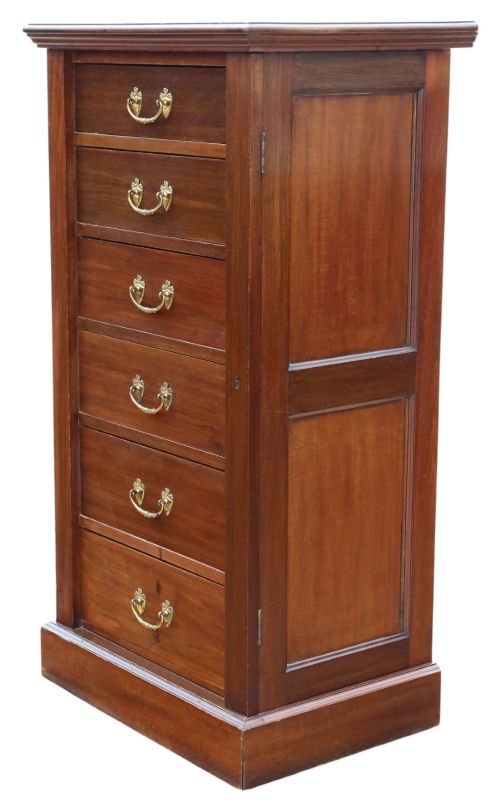
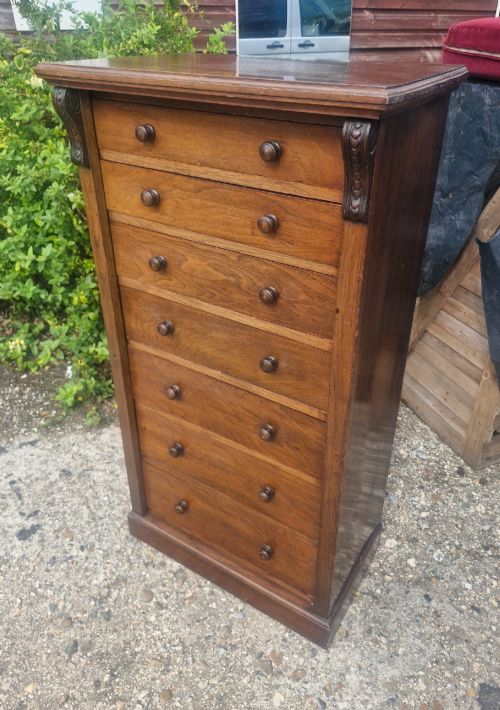
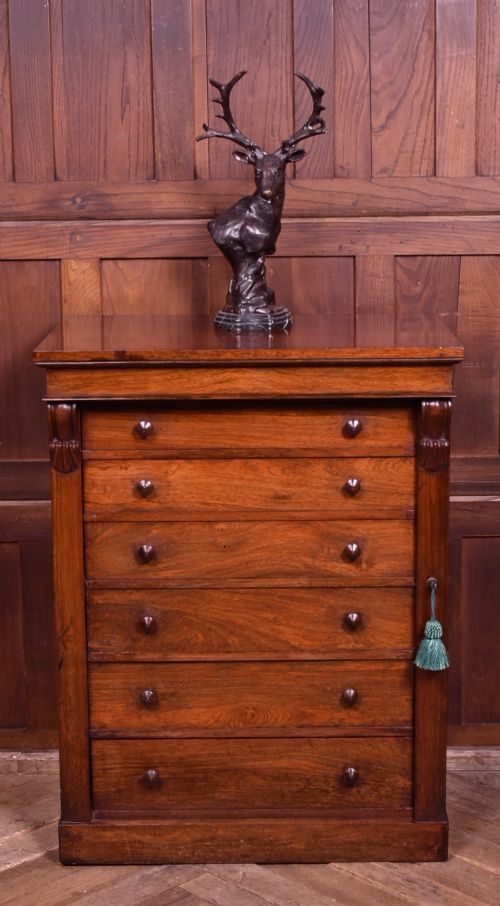
- A tall, narrow chest of drawers featuring a hinged locking bar on one side that secures all drawers when locked with a key. This form originated in the nineteenth century and maximises vertical storage space.
- Tantalus
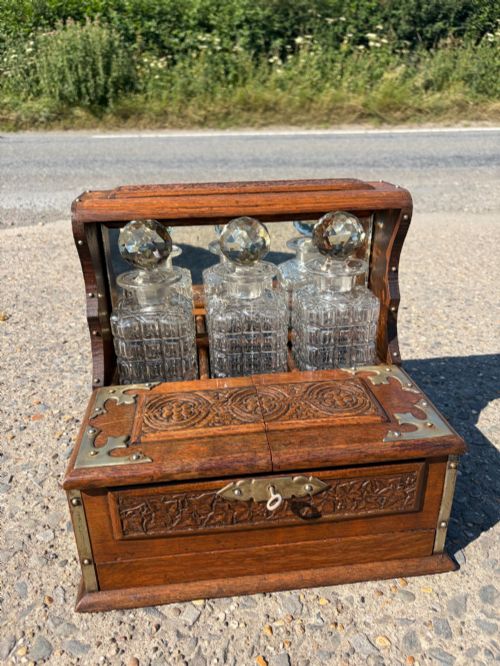
- A locking beverage holder that restrains decanters within a wooden frame, preventing the removal of bottles without a key. They are typically fitted with brass handles and cut glass decanters.
- Secretaire
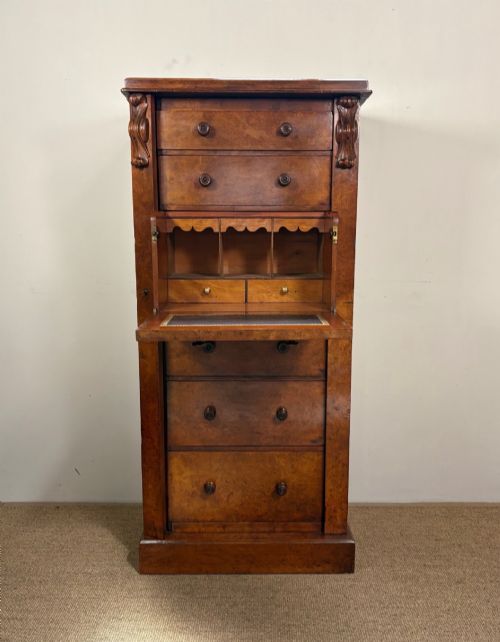
- A cabinet or chest incorporating a pull-down writing drawer fitted with small compartments and pigeonholes. It combines desk functionality with secure drawer storage.
- Escutcheon
- A protective brass plate surrounding the keyhole of a cabinet door or drawer. It prevents the surrounding wood from wearing away through repeated use.
- Stile
- A vertical framing member of a door or the locking bar on the side of a Wellington chest. On secure cabinets, the stile holds the locking bolts or acts as the locking flap.
Antique Locking Cabinet: Frequently Asked Questions
What is a Wellington chest?
A Wellington chest is a tall, narrow set of drawers featuring a locking side bar. This hinged flap fastens over the drawer edges and is secured by a key.
Cabinet makers designed these pieces to store linen, documents, or personal items securely in limited floor spaces.
How did a tantalus work?
A tantalus holds decanters within a wooden frame beneath a locking metal bar. The mechanism traps the stoppers so bottles cannot be lifted out.
Owners used them in Victorian dining rooms and libraries to restrict access to expensive spirits.
Are keys usually included?
Many pieces retain their original working keys, particularly those described with locking mechanisms or keys present in the title. Working locks and period keys add considerable utility.
Replacement keys can often be fitted by specialists if a cabinet lacks its original hardware.
What woods were commonly used?
Victorian and Edwardian makers relied heavily on mahogany, oak, and walnut. Figured veneers like burr walnut and burr elm decorated finer presentation pieces.
Primitive country pieces and joiner's toolboxes were typically built from solid elm, pitch pine, or blonde oak.