




Antique Metal Safe Box
These antique metal safe box pieces are heavy security containers designed to protect valuables, offering solid iron construction and mechanical cleverness.
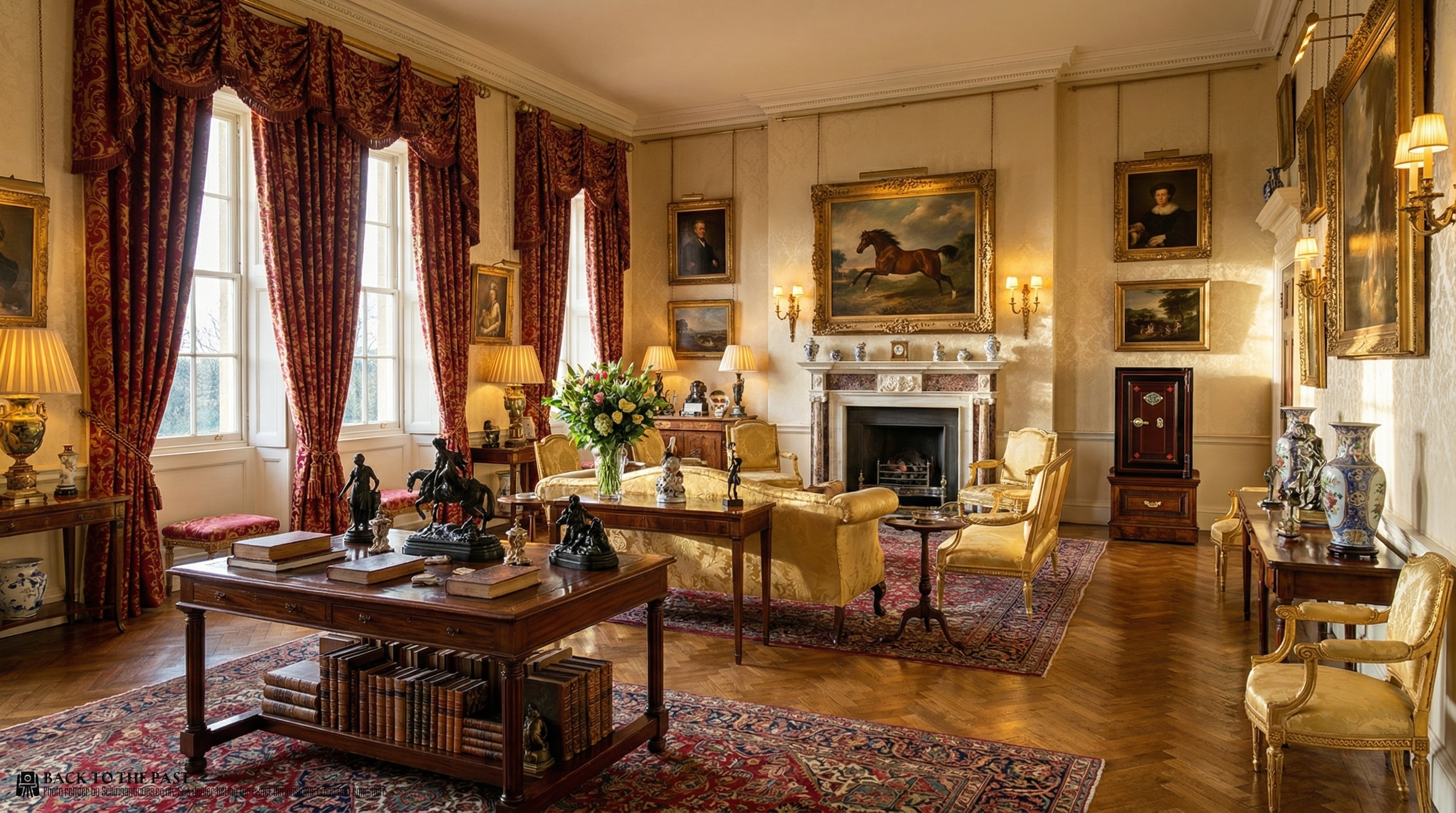
Antique Metal Safe Box
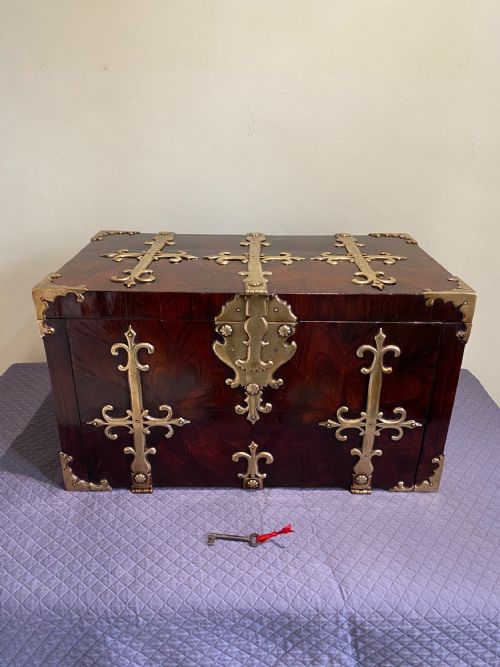
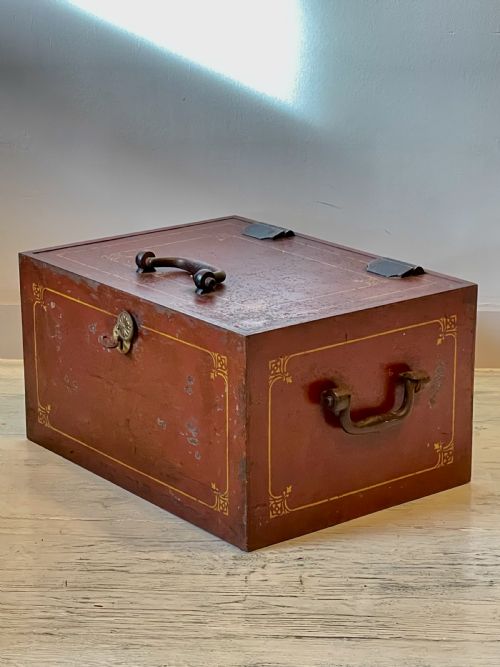
An antique metal safe box satisfies a practical demand for secure storage, spanning sturdy Victorian models and heavier seventeenth century chests. These items appear as heavy cast iron locking safes, painted iron strongboxes, and fitted silver chests bound in iron.
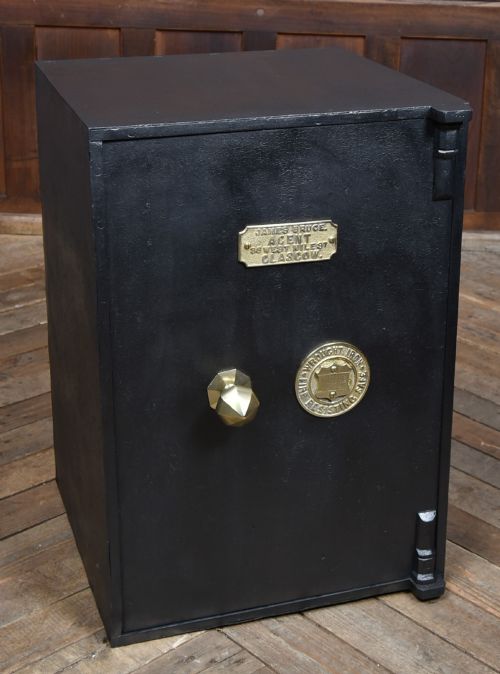
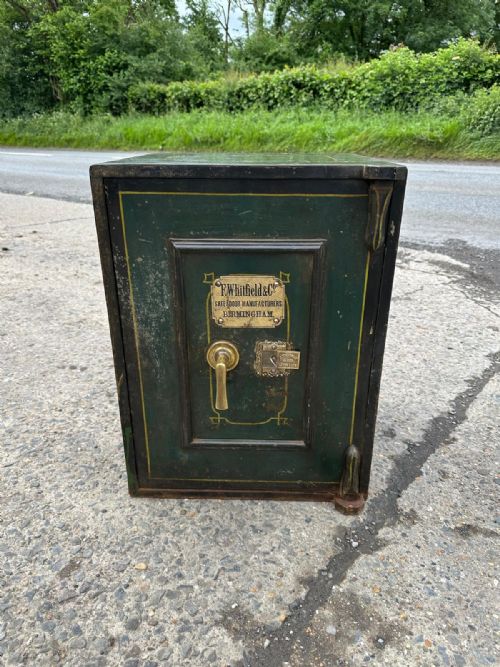
Makers such as James Bruce, F. Whitfield and Co., Milners of Liverpool, Chubb, and George Price dominate the selection of Victorian and industrial examples. Earlier pieces take the form of German silver safes and Armada chests dating back to the seventeenth century.
Buyers also encounter smaller receptacles including brass keepsake cases, fall front deed boxes, and nickel plated match safes. Oak and wood structures reinforced with iron bands represent the larger storage trunk and silver chest categories.
How They Were Made
Cast iron and wrought iron provide the heavy structural foundation for the primary safes and strongboxes in this collection. Blacksmiths and manufacturers utilised thick metal plates alongside internal levers and complex locking mechanisms to ensure physical security.
Oak and kingwood timber form the carcasses of many chests and storage trunks, heavily reinforced with external iron strapping and corner brackets. Brass and bronze appear in smaller keepsake cases, hinges, escutcheons, and decorative mounts.
Applied paint finishes decorate early Armada chests and painted iron safes, while walnut and oak provide the timber surfaces for nineteenth century luxury stands.
Materials range from heavy cast iron and steel to oak, kingwood, brass, and painted iron.
What Varies in Quality
The sophistication of the internal locking mechanism dictates a significant portion of the value in these metal containers. Master makers integrated elaborate lever systems and concealed keyholes that required precise engineering.
The integrity of the original ironwork and timber housing separates standard utility boxes from exceptional pieces. Surviving original painted decoration on seventeenth century chests or fully restored manufacturer finishes elevate the status of a safe.
James Bruce Glasgow·F. Whitfield and Co.·Milners of Liverpool·Waring and Sons·George Price
The Antique Metal Safe Box Glossary
- Armada chest
- A heavily banded iron strongbox produced in seventeenth century Europe, often featuring a complex lid locking mechanism. These containers served to transport valuables and shipboard currency.
- Strongbox
- A secure container built from iron or steel designed to hold money or bullion. They rely on heavy walls and internal locking bolts rather than decorative woodwork.
- Vesta case
- A small pocket container for holding matches, frequently fashioned from brass or silver. Victorian examples often incorporated novelty shapes or portrait reliefs.
- Deed box
- A metal storage case created for legal documents and land papers. They typically feature fall front panels and secure key locks.
- Silver chest
- A large lined wooden box reinforced with iron bands, built to store domestic tableware. Interiors often feature fitted compartments for individual pieces of cutlery.
Antique Metal Safe Box: Frequently Asked Questions
How do I open an antique safe without a key?
Most antique metal safe box pieces require a specialist locksmith who understands Victorian lever mechanisms and heavy boltwork. Forcing the door damages the historical integrity of the internal lock components.
Working keys occasionally accompany fully restored examples from makers like Chubb or George Price. Professional locksmiths can often impression a working key without drilling the original iron case.
Are these heavy iron safes fireproof?
Nineteenth century manufacturers began incorporating double walls and packing materials to offer fire resistance for business ledgers and cash. George Price and other makers advertised fireproof qualities in their Victorian luxury models.
Modern fire safety ratings do not apply to these historic containers. Buyers should view them primarily as secure mechanical storage rather than certified modern fire vaults.
How do I clean and maintain an iron safe?
Dust the exterior iron and timber surfaces regularly using a dry microfiber cloth to prevent moisture accumulation. Applying a microcrystalline wax protects bare cast iron and wrought iron from surface oxidation.
Avoid harsh chemical solvents on painted iron surfaces or walnut stands. Keeping the metal mechanisms lightly oiled ensures the internal levers continue to operate smoothly.
Where were these strongboxes typically used?
Large iron strongboxes and fitted silver chests stood in the country houses, banking halls, and merchant offices of the nineteenth century. They protected bullion, family silver, and important legal documents from theft.
Smaller deed boxes and brass keepsake cases sat upon library desks and inside private dressing rooms. Armada chests travelled aboard ships and rested in secure merchant chambers during the seventeenth century.