

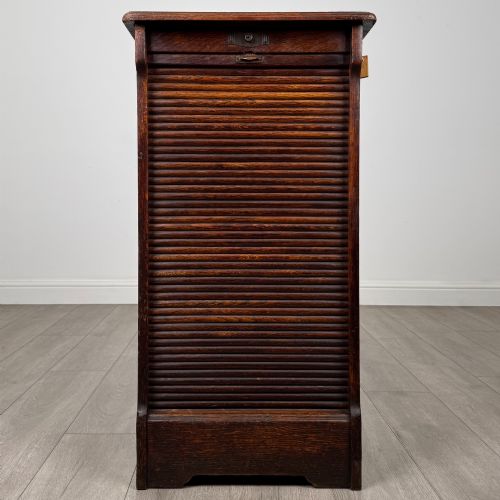
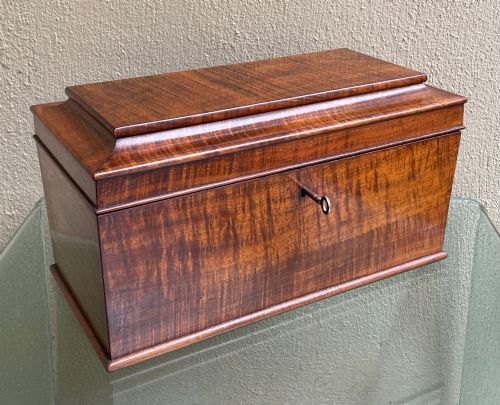

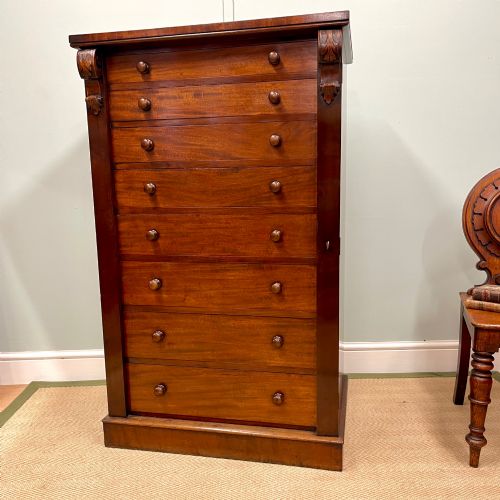
Vintage Locking Chest
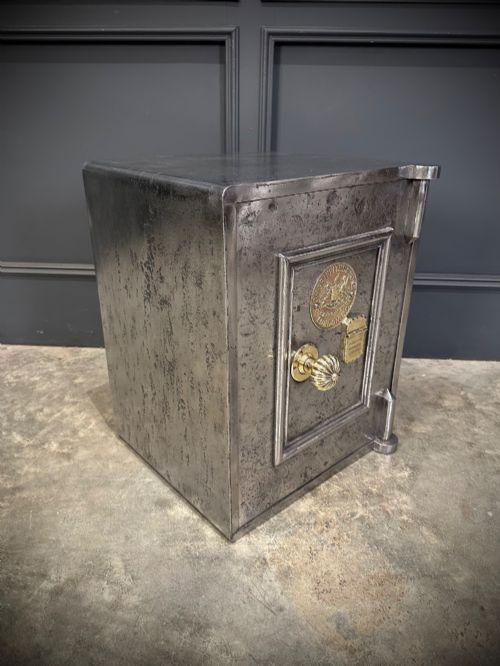
A vintage locking chest delivers both concealed storage and mechanical security, ranging from robust travelling trunks to refined Wellington chests.
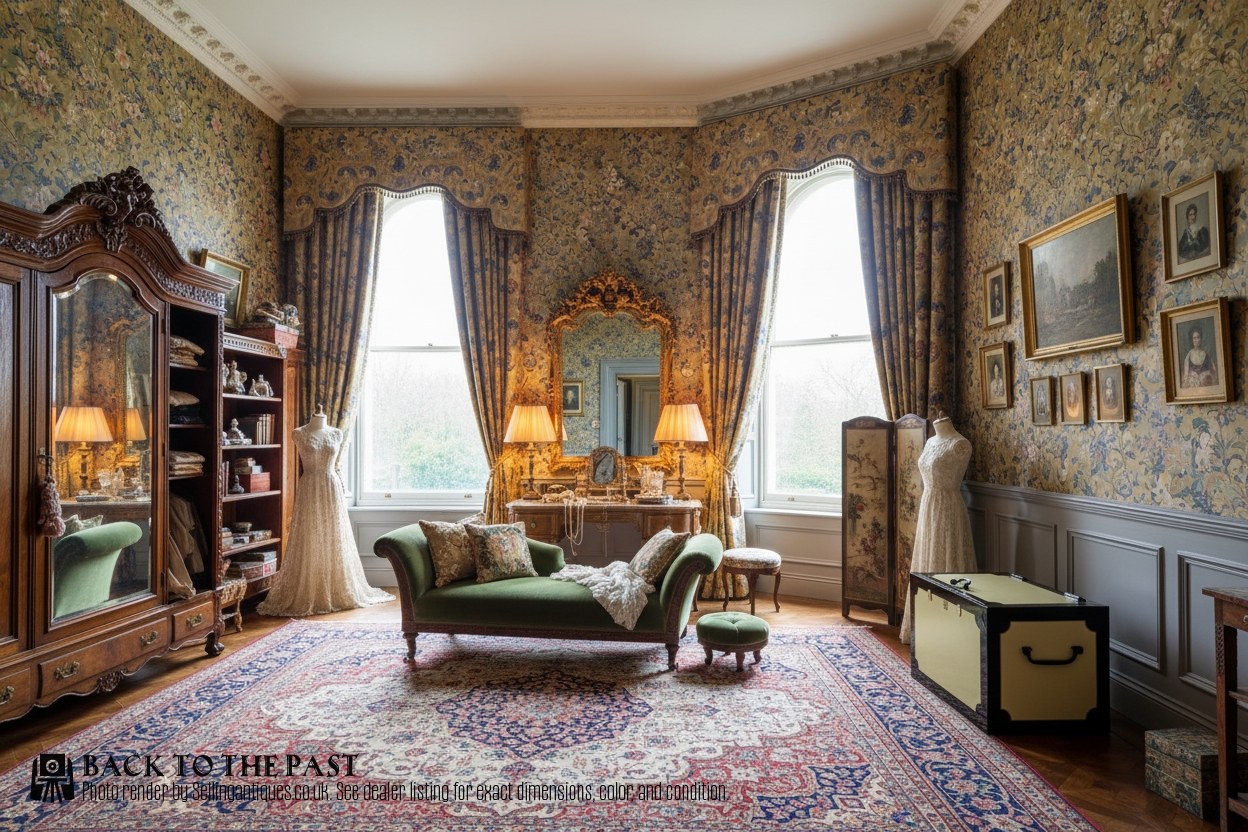
Vintage Locking Chest
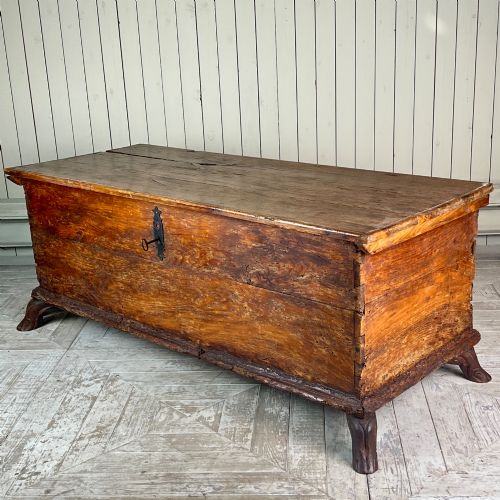
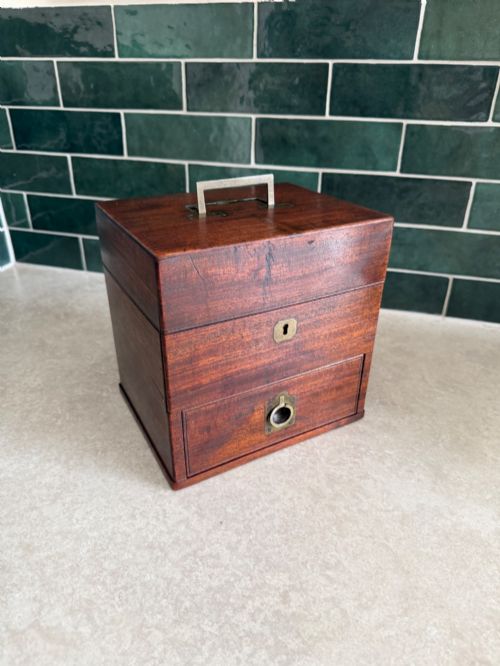
A vintage locking chest encompasses a wide variety of secure storage vessels encountered on this page, including Wellington chests, tea caddies, travelling trunks, and apothecary boxes. These pieces span multiple centuries, appearing in forms from eighteenth-century oak coffers to twentieth-century canvas luggage.
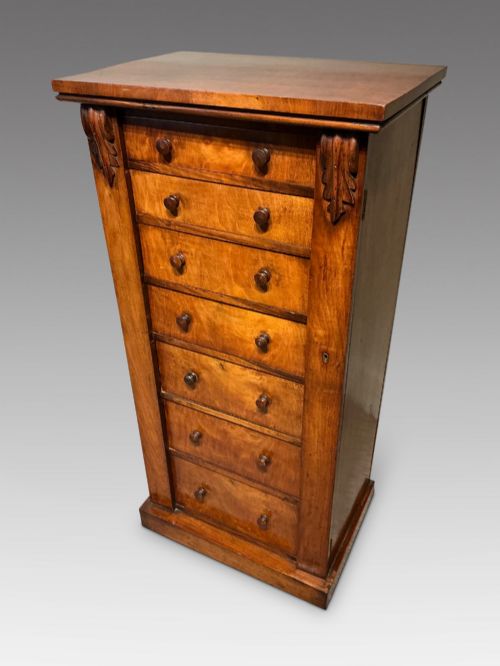
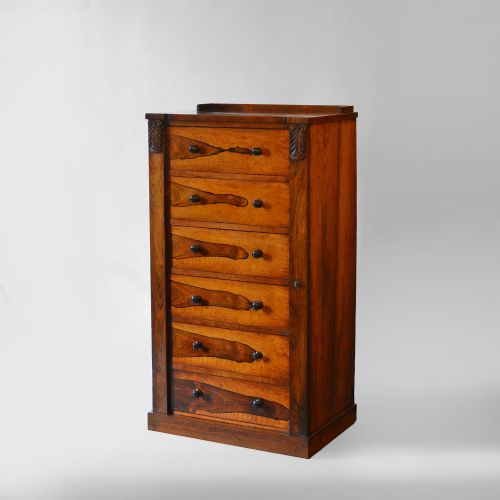
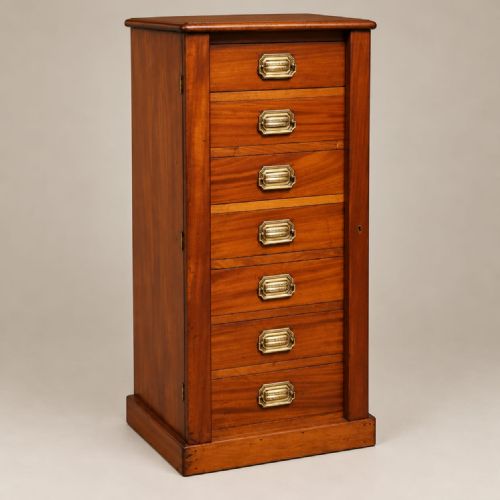
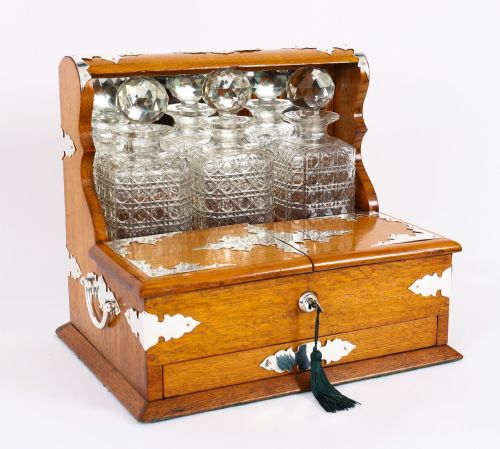
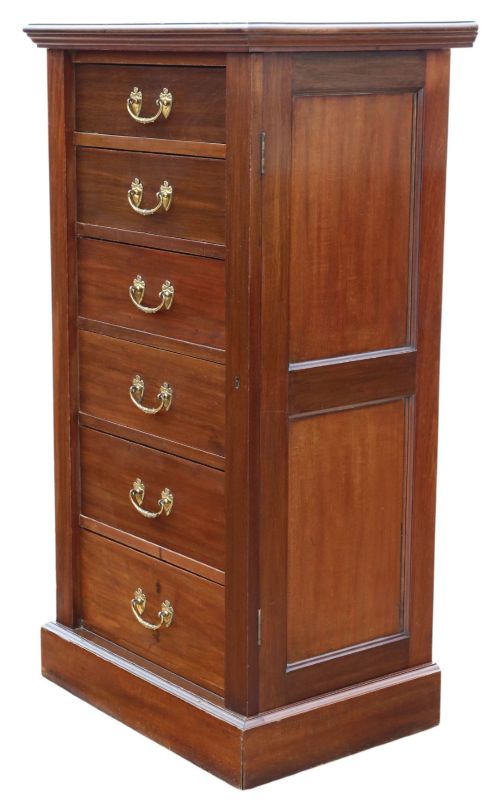
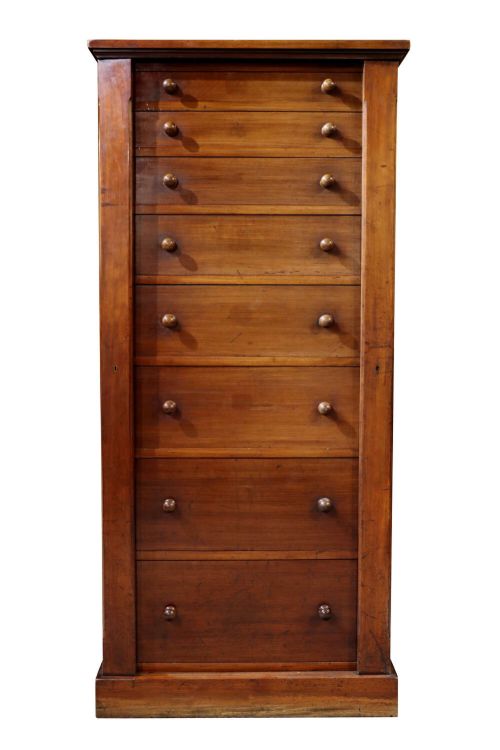
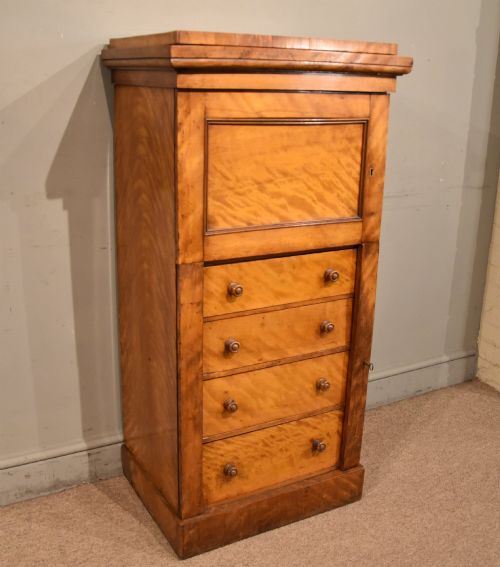
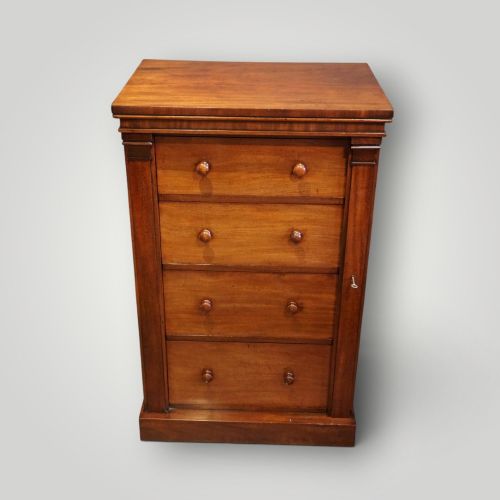
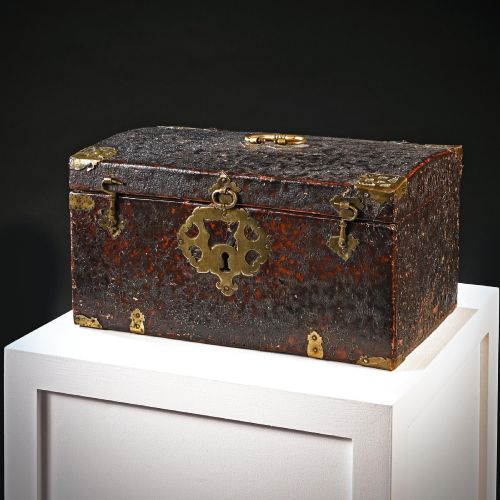
The most frequent form of vintage locking chest on this page is the Wellington chest, typically built from mahogany or walnut and fitted with a hinged locking side stile that secures all drawers simultaneously. Alongside these tall drawer units, buyers regularly encounter heavy iron-banded trunks, leather travel boxes, and compact tabletop presentation boxes.
Materials and construction methods
Cabinet makers constructed these pieces using dense hardwoods such as mahogany, oak, walnut, and elm, often applying burr walnut or burr elm veneers to primary surfaces. Trunks and travelling boxes incorporate stout leather, canvas, and iron bands to withstand the rigours of transit.
Security mechanisms form an integral part of the manufacturing process, employing brass locks, patent iron lock boxes, and internal locking stiles operated with a key. Joinery methods include dovetail drawers and panelled framing, designed to maintain structural integrity under heavy use.
Vintage Locking Chest Retail Price Guide 2026
Typical asking prices for vintage locking chest among the pieces listed under this phrase on Sellingantiques today, from the lower quarter to the upper quarter. They describe what is for sale here now, not the wider market.
Listings feature locking chests spanning from the seventeenth century through to the twentieth century, constructed in oak, mahogany, walnut, iron, and leather.
Factors influencing quality
Quality in a vintage locking chest is determined by the selection of timber figures, such as matched burr veneers or blonde oak, and the precision of the joinery. Superior examples retain their original working locks and keys, alongside uncompromised interior fittings like dividers or secret compartments.
The sophistication of the locking mechanism itself distinguishes finer pieces, particularly ingenious side-locking stiles on Wellington chests or robust iron-banded fastenings on dowry trunks. Original surface treatments, including country house scumble paint or polished patination, elevate the standing of the piece.
Milners of Liverpool·Army and Navy
The Vintage Locking Chest Glossary
- Wellington chest
- A tall, slender chest of drawers featuring a hinged locking stile on one side that secures the entire stack when locked. This design originated in the nineteenth century to protect confidential papers and valuables.
- Scumble paint
- A decorative surface finish applied to imitate the grain of more expensive timbers or to create a mottled visual texture. It appears on country house furniture and utilitarian boxes.
- Tea caddy
- A small lidded box designed to store loose tea leaves securely under lock and key. Tea was a valuable commodity, making the locking mechanism essential.
- Secretaire
- A cabinet or chest incorporating a fitted writing drawer with a drop-front fall. These often include small pigeonholes and secret compartments behind the locking mechanism.
- Damchiya
- A traditional dowry chest originating from regions such as Rajasthan, constructed with heavy timber and intricate iron banding. They serve as secure storage for household valuables and textiles.
Vintage Locking Chest: Frequently Asked Questions
What is a Wellington chest?
A Wellington chest is a tall, narrow set of drawers characterised by a hinged locking stile on the right side. This vertical wooden bar fastens with a key to secure all the drawers simultaneously.
Cabinet makers originally designed these pieces for gentlemen to store documents and valuables securely in studies and dressing rooms.
How were travel trunks secured?
Travel trunks utilised heavy-duty iron locks, external metal banding, and reinforced leather straps to withstand long journeys. Many retained their original keys to secure personal belongings during transit.
Canvas and leather luggage pieces also featured robust brass or iron fasteners designed for frequent handling by transport companies.
Where were tea caddies used?
Tea caddies were kept in the dining room or drawing room as receptacles for precious tea leaves. Because tea was expensive, the boxes were fitted with small locks and keys to restrict access.
Inside, these caddies often featured divided compartments and small mixing bowls alongside the central locking mechanism.
How do I care for wood chests?
Maintain wood chests by applying natural beeswax periodically to nourish the timber and preserve the historic polish. Avoid placing them near direct heat sources or strong sunlight to prevent the timber and veneer from splitting.
Ensure that locking mechanisms are operated with care and keep original keys stored safely away from the lock to prevent accidental damage.