
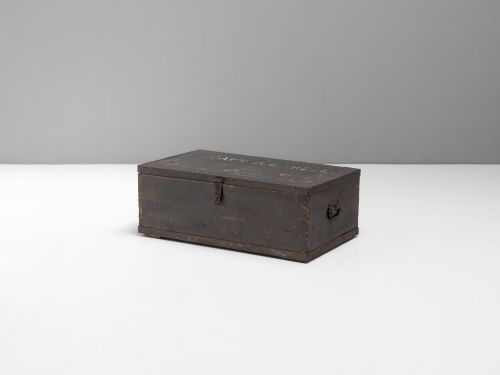
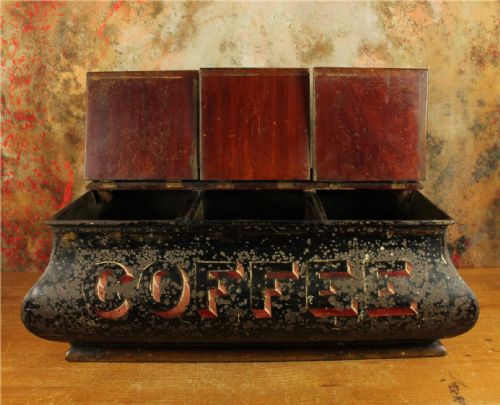
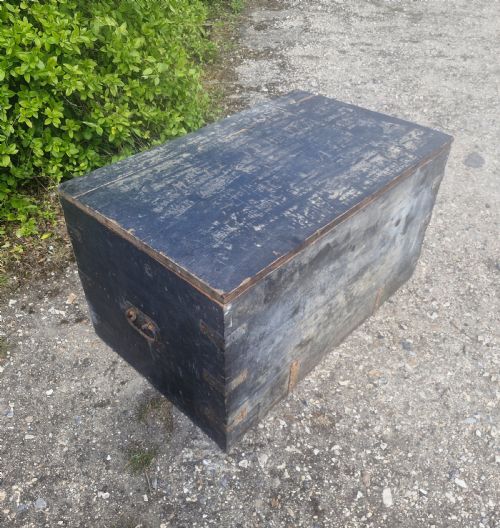


Black Iron Chest
A black iron chest offers robust security and rugged storage, prized for enduring utility across centuries of domestic and maritime use.
Black Iron Chest
A black iron chest encompasses heavy storage containers, strongboxes, deed boxes, and campaign trunks spanning the seventeenth to the twentieth centuries. Buyers search this phrase to find utilitarian containers built for security, travel, or domestic storage.
The most frequent examples encountered on this page date from the nineteenth century, including painted pine chests with metal bindings, Victorian safes, and industrial log bins. These pieces combine wooden bodies with iron reinforcement or present entirely in cast and wrought iron.
Origins range widely from English maritime and domestic workshops to Scandinavian folk art traditions and Japanese shipboard tansu cabinets. Each regional variation brings distinct construction methods, from dovetailed pine to heavy plate steel.
Materials and construction
Construction relies primarily on heavy iron, steel, and cast elements combined with timber bodies of pine or wood. Black finishes appear via painted surfaces, blackened steel, or natural patination on wrought iron straps and hinges.
Joinery methods vary from hand-forged corner brackets and strapwork securing wooden walls to complex internal locking mechanisms found in Victorian safes and deed boxes. Brass components often accent handles, keyplates, and interior compartments.
Listings feature items from the seventeenth, nineteenth, and twentieth centuries, utilising iron, pine, brass, and painted toleware.
Assessing quality and build
Quality rests in the integrity of the original locking mechanisms, the weight of the metal plate, and the tightness of the joinery between wood and iron elements. Strongboxes with functional original keys and intact internal levers command higher regard than altered examples.
Surface preservation distinguishes standard utility boxes from superior pieces, particularly where original painted pine finishes, Scandinavian folk art motifs, or untouched industrial patination remain clear and uncompromised by later restoration.
The Black Iron Chest Glossary
- Strongbox
- A heavily reinforced container designed for securing valuables and money. These feature thick iron plating and complex internal locking systems.
- Campaign trunk
- A portable storage chest built for military officers or travellers on the move. They often incorporate brass mounts and sturdy carrying handles.
- Toleware
- Metalware finished with lacquer or paint, often associated with decorative boxes and log bins. The technique produces a durable, glossy black or coloured surface.
- Deed box
- A compact metal or wood container made for storing legal documents and land papers. They typically feature fall-front lids and secure lever locks.
Black Iron Chest: Frequently Asked Questions
What is a black iron chest used for?
These pieces served historically for securing money, valuable documents, and personal belongings during travel or domestic storage.
Today, buyers utilise them as coffee tables, heavy storage trunks, and distinctive decorative accents in contemporary interiors.
How old are most iron chests?
The majority of examples date from the nineteenth century, encompassing Victorian safes, campaign boxes, and Scandinavian painted pine chests.
Earlier iterations extend back to the seventeenth century with Armada chests, while others date into the early twentieth century.
Are keys usually included?
Some strongboxes and deed boxes retain their original working keys and complex internal levers, which adds significantly to their historical completeness.
Many older containers are sold without functional keys due to the passage of time and lost hardware.
How do I clean a painted pine chest?
Maintenance requires gentle dusting with a dry cloth to preserve fragile nineteenth-century painted surfaces and folk art details.
Strong chemical cleaners and abrasive materials should be avoided entirely to protect the original black iron and wood patination.