



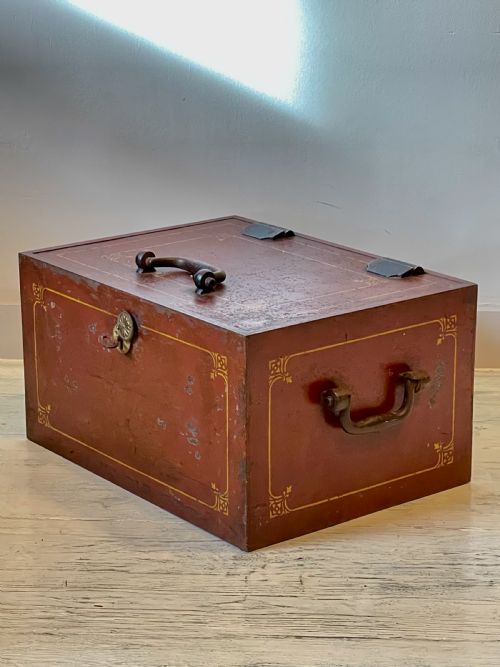

Victorian Deed Box
A Victorian deed box is a sturdy receptacle designed to protect legal papers and valuables, combining practical security with period craftsmanship.
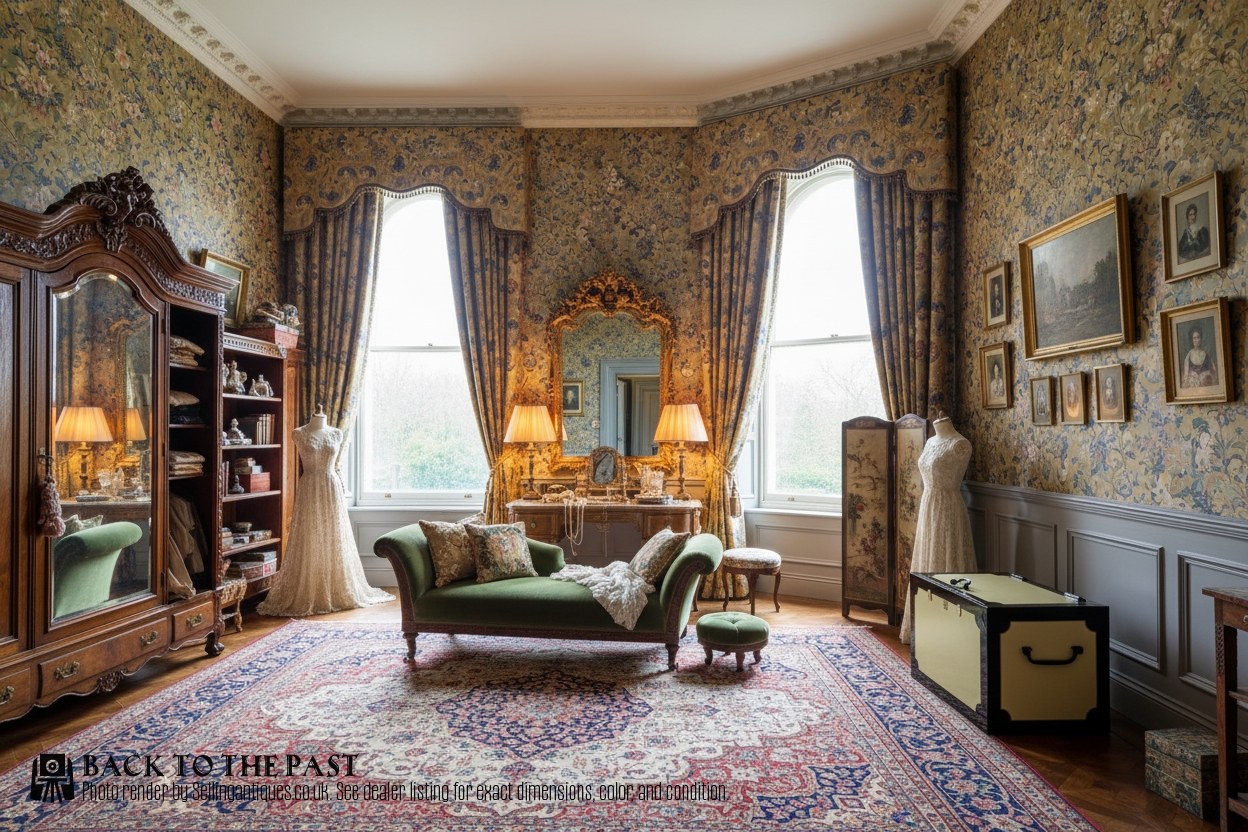
Victorian Deed Box
When searching for a victorian deed box, you encounter heavy iron safes, painted metal chests, and timber campaign boxes designed to secure legal papers. These pieces originate across the nineteenth century, ranging from early examples to items dated around 1900. You meet domestic country house chests alongside heavy commercial strongboxes intended for solicitors and goldsmiths.
The assortment on this page includes padouk, mahogany, teak, and rosewood timber boxes alongside cast iron, wrought iron, and tinplate metal trunks. Some items double as campaign writing or vanity boxes, while others remain strictly functional locking safes fitted with their original keys.
How They Were Made
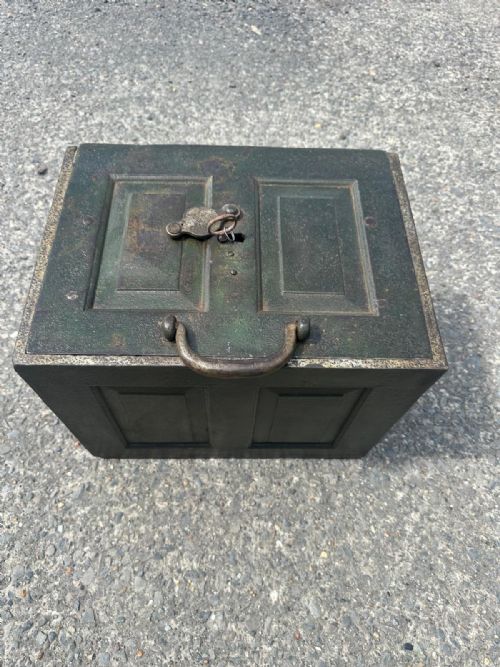
Maker construction relies on heavy metals and dense hardwoods assembled to withstand intrusion and transport. Iron and steel versions utilise cast and wrought components, often finished with original painted decoration or folk art motifs.
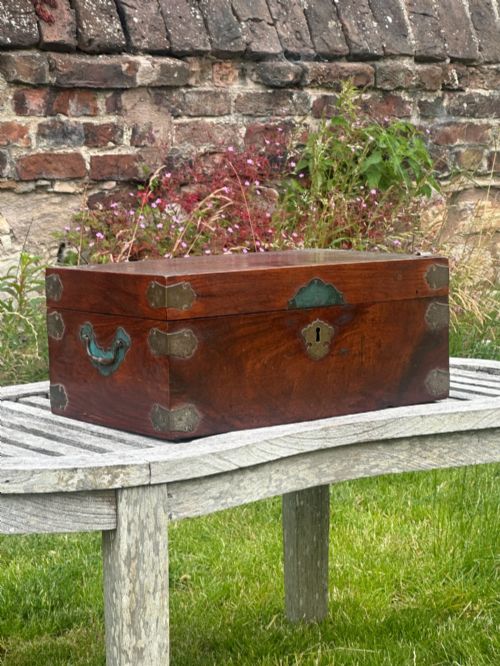
Wooden examples incorporate brass banding, flush carrying handles, and secure internal compartments fashioned from exotic timbers such as padouk and teak. Makers applied durable surface treatments including painted colour finishes and tinplate plating to resist wear.
Victorian Deed Box Retail Price Guide 2026
Typical asking prices for victorian deed box among the pieces listed under this phrase on Sellingantiques today, from the lower quarter to the upper quarter. They describe what is for sale here now, not the wider market.
Listings for a victorian deed box span iron, steel, tinplate, padouk, mahogany, teak, and rosewood.
What Varies in Quality
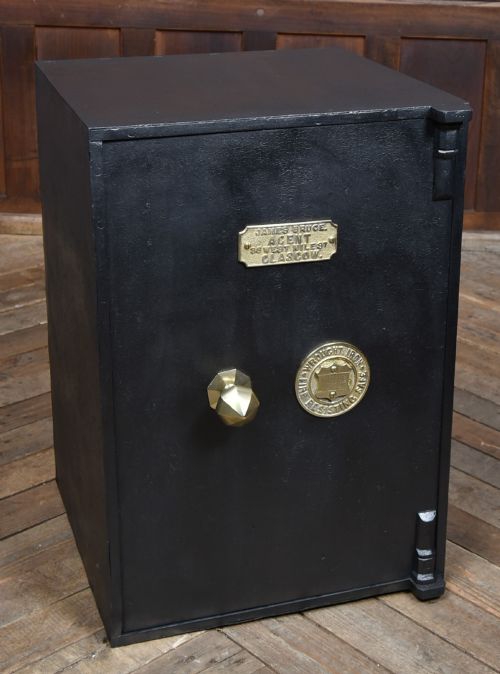
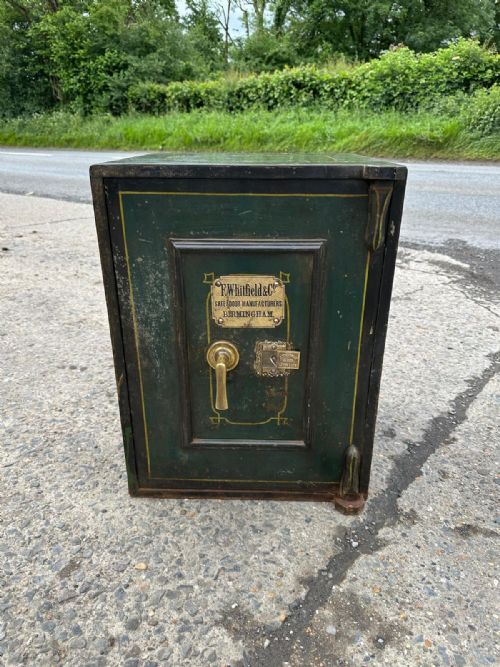
Quality rests in the preservation of original surfaces, such as undisturbed paintwork, intact brass bindings, and functioning original locks with working keys. Pieces retaining their maker plates or stamps demonstrate verified factory origins.
Execution ranges from utilitarian tinplate tin chests to elaborately constructed campaign boxes with fitted interiors and dovetailed hardwood joints. The integration of robust locking mechanisms and substantial metal thickness distinguishes standard boxes from high-grade commercial strongboxes.
James Bruce Glasgow·F. Whitfield & Co.·Milners of Liverpool·George Price·T.Js
The Victorian Deed Box Glossary
- Deed box
- A secure container built to store legal documents, property deeds, and important papers. These boxes typically feature reinforced corners and reliable locks.
- Campaign box
- Portable furniture and storage designed for travel and military use abroad. They frequently incorporate brass corners and recessed handles for protection during transit.
- Strongbox
- A heavily reinforced metal chest designed to secure valuables against theft and fire. They utilise thick cast iron or steel bodies.
- Tinplate
- Iron or steel sheet coated with tin to prevent rusting. This material appears frequently on nineteenth-century metal deed chests and trunks.
- Padouk
- A dense, durable tropical hardwood with a reddish hue used in fine cabinet making. Anglo-Indian examples frequently employ this material.
Victorian Deed Box: Frequently Asked Questions
What were Victorian deed boxes used for?
These boxes secured important legal papers, land deeds, and family documents in homes, solicitors' offices, and commercial businesses.
They provided protection against fire, theft, and dampness before modern filing systems existed.
How do I identify a Victorian deed box?
Look for period construction methods such as dovetailed hardwood joints, cast iron bodies, and traditional brass bindings.
Many pieces also feature period maker plates, stamps, or original painted decoration typical of the nineteenth century.
Are keys usually included with these boxes?
Some listings mention original keys surviving with the piece, whilst others are sold without operational keys.
It depends on whether the box retained its contents and hardware through generations of use.
What materials were used to make them?
Makers utilised metals such as cast iron, wrought iron, tinplate, and steel alongside dense timbers like mahogany, teak, padouk, and rosewood.
Metal versions often received painted finishes or folk art decorations.
How do I care for a metal deed box?
Keep the metal dry and dust it gently to preserve any original painted surfaces or patination.
Avoid abrasive cleaners that might damage historical finishes or decorative lettering.