



Edwardian Oak Trunk
An edwardian oak trunk offers robust storage built from sturdy timber, bringing practical history and quiet character into a modern home.
Edwardian Oak Trunk
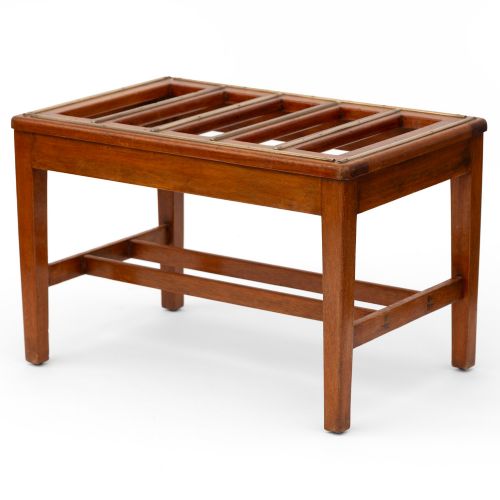
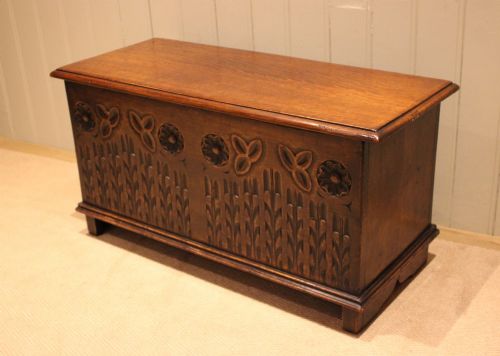
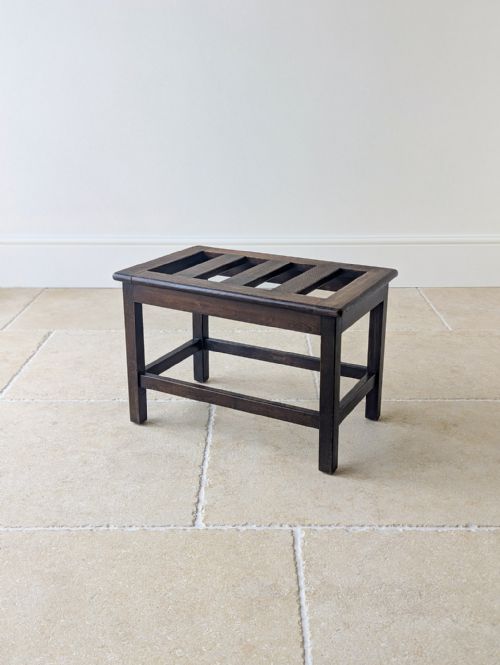
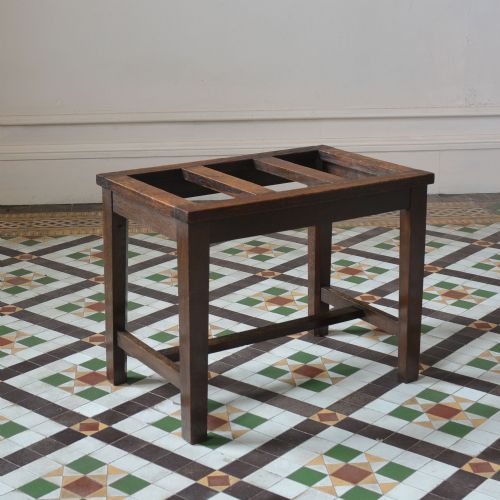
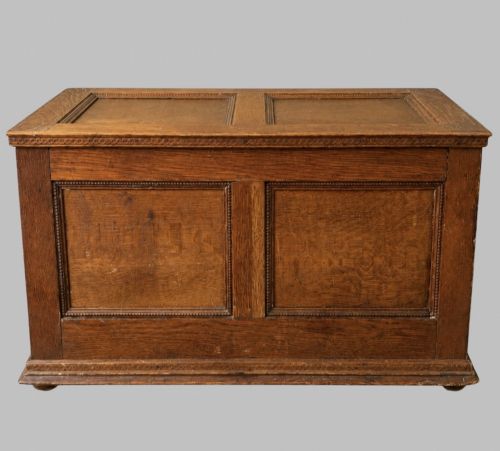
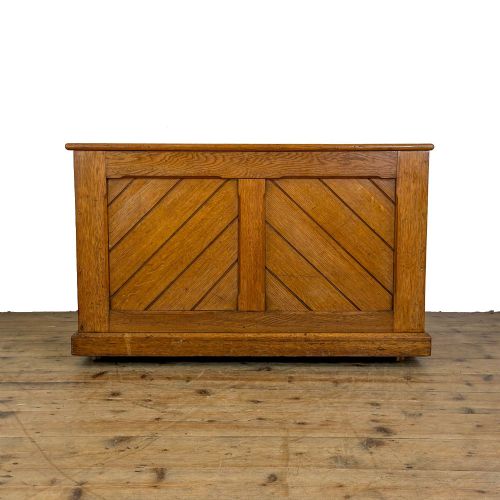
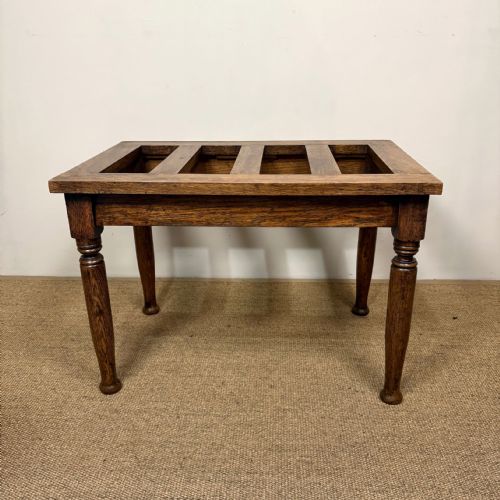
The edwardian oak trunk category encompasses various robust storage containers, including blanket boxes, coffers, and travel chests dating from the early twentieth century. Buyers seeking this search phrase frequently encounter luggage stands, luggage racks, and panelled coffers alongside traditional heavy-duty silver chests.
Most examples originate from the Edwardian era and surrounding decades, incorporating styles ranging from plain rustic farmhouse builds to decorative Arts and Crafts carved panels and Jacobean revivals.
Quality and Distinction
Distinction within these items rests on the integrity of the timber, the crispness of any carved decoration, and the originality of brass or iron mounts and carrying handles. Finer examples retain their original locks, keys, and internal fabric or wooden fittings rather than replacement hardware.
The proportion of the piece, the weight of the solid oak used in its panels, and the restraint or skill shown in period revival carving separate utilitarian storage from superior cabinet work.
Waring & Gillow·Elliott
The Edwardian Oak Trunk Glossary
- Coffer
- A traditional heavy storage chest, often panelled and constructed from solid timber for domestic use. These pieces frequently feature hinged lids and simple or carved front panels.
- Silver Chest
- A heavy, reinforced travel trunk designed specifically to protect valuable tableware and cutlery. They often include fitted internal baize-lined trays and robust iron strapping.
- Luggage Stand
- An open framed rack designed to hold travel trunks at a convenient height in bedrooms. They often incorporate slatted oak tops and folding or fixed wooden legs.
- Campaign Chest
- A modular storage chest built in sections with recessed brass handles for military officers on the move. These pieces prioritize sturdy construction and ease of transport.
Edwardian Oak Trunk: Frequently Asked Questions
How do I clean an oak trunk?
Maintain the timber by dusting regularly with a soft, dry cloth to prevent the accumulation of grit in the grain. Apply a traditional beeswax sparingly to nourish the oak and preserve its polished surface without sealing the wood.
Avoid placing these chests near direct heat sources or in damp environments, which can cause the solid oak panels to split or warp over time. Proper humidity control protects both the exterior timber and any internal iron or brass fittings.
Where should I place a trunk?
These storage pieces work effectively at the foot of a bed for spare blankets and linens, or in a hallway as a striking focal point. Their flat lids also allow them to function as occasional side tables or window seats.
Ensure the chosen spot allows adequate room to lift the hinged lid fully without striking walls or pictures. Heavier iron-bound chests benefit from placement on stable ground where their substantial weight is evenly supported.
Are these trunks waterproof?
Historic storage chests and travel trunks were designed to resist dust and moisture during transit, but they are not hermetically sealed or waterproof by modern standards. Canvas or leather-covered variants offered extra weather resistance during travel, but the timber itself remains porous.
Store only dry items inside these boxes to prevent trapped humidity from damaging textiles or encouraging mould growth. Adding breathable linen or cotton interleaves helps protect sensitive stored fabrics.
How do I date an oak trunk?
Examine the construction methods, hardware materials, and stylistic details such as Arts and Crafts carvings or Edwardian panel proportions. Machine-cut timber and standardised iron fittings generally point towards the late nineteenth or early twentieth century.
Maker marks, retailer stamps, and original brass lock plates can offer further chronological clues. Comparing the piece against documented examples from the same period helps narrow down the manufacturing decade.