


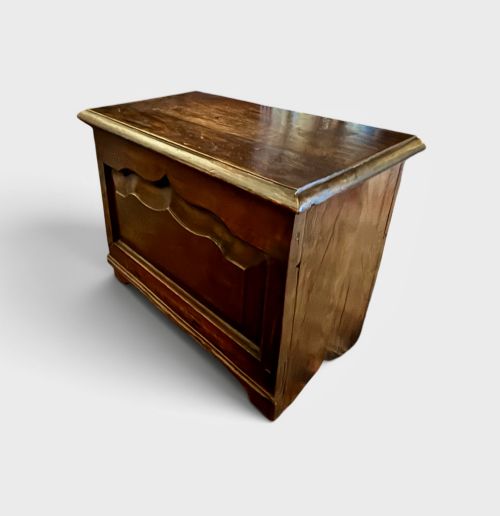
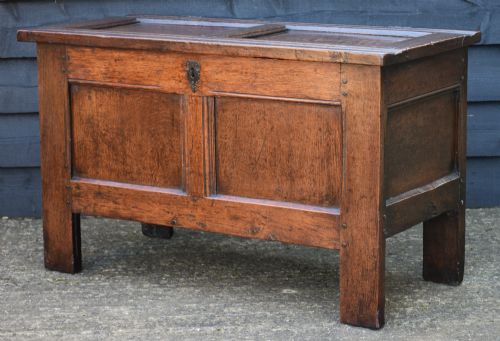
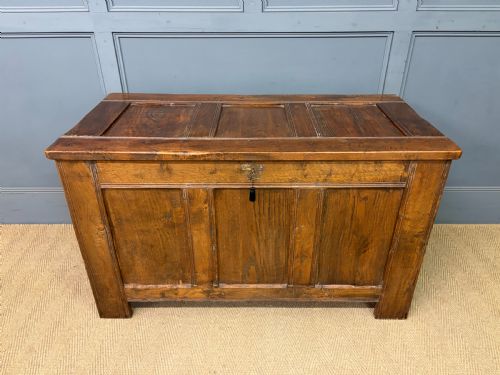
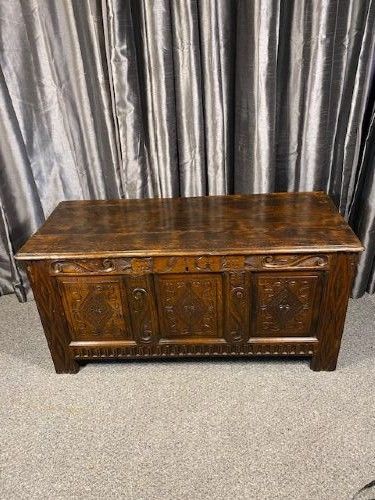
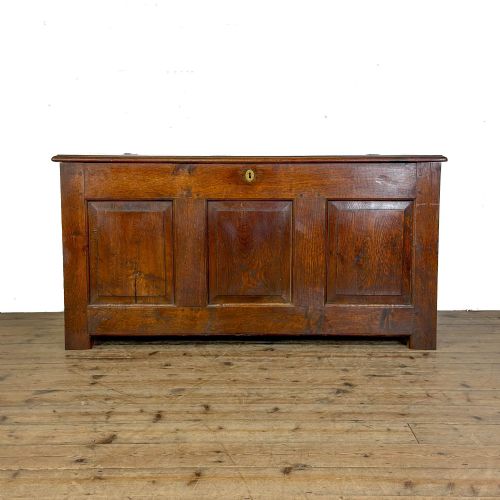
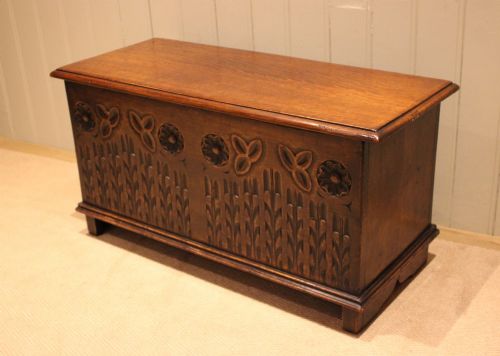
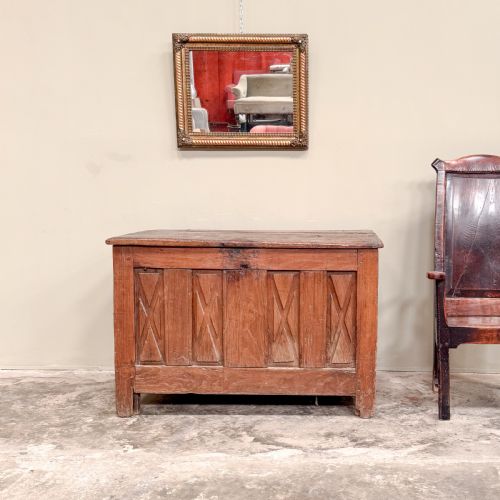
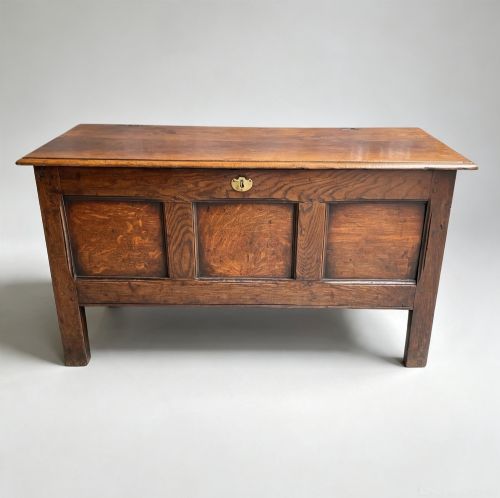
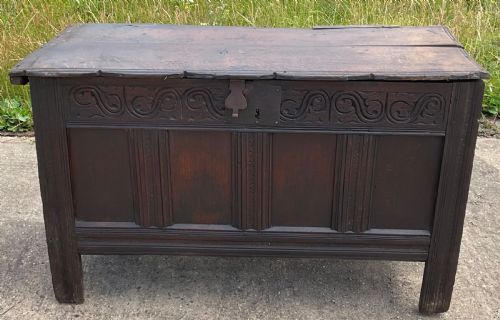
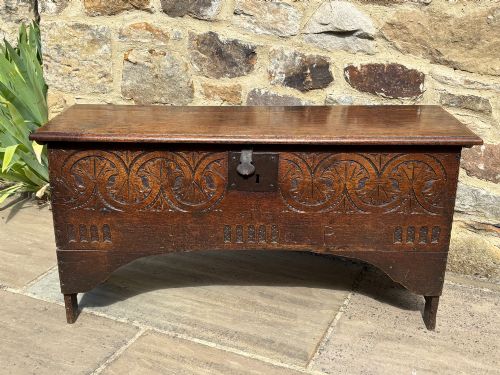
Rustic Oak Trunk
A rustic oak trunk brings immediate warmth and honest utility to a room through centuries of sturdy construction.
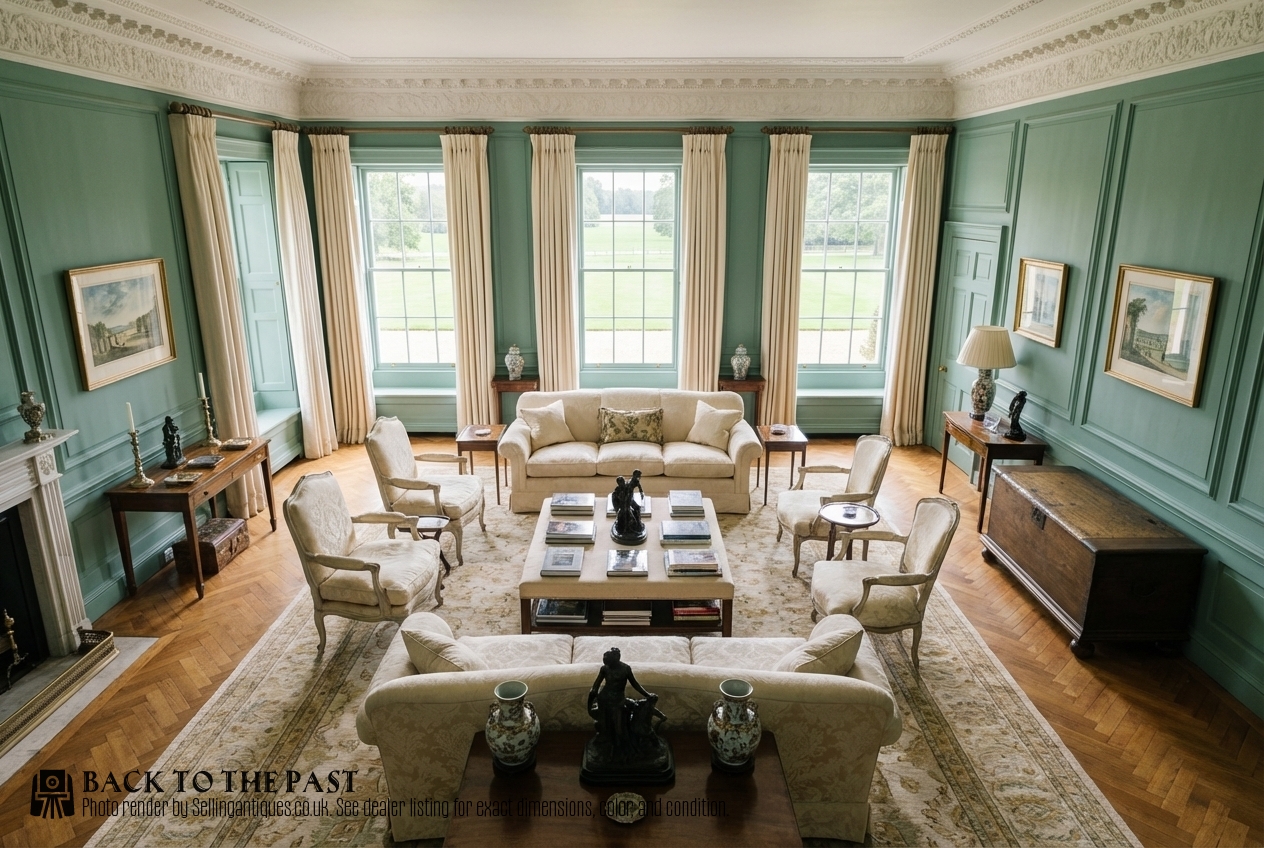
What these rustic oak trunks are
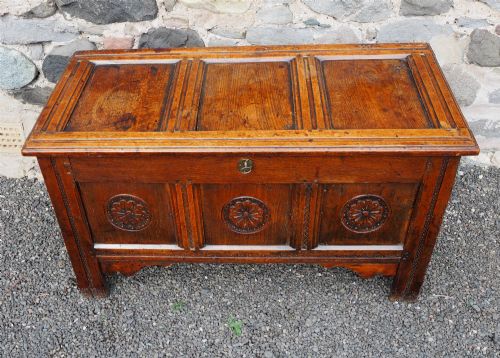
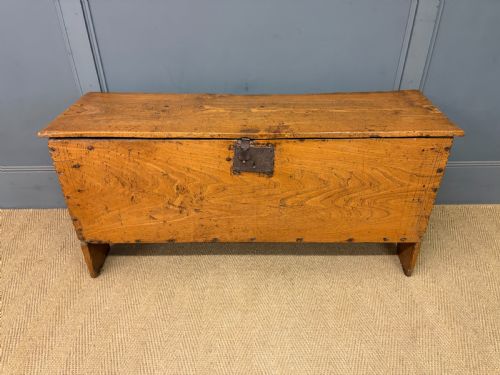
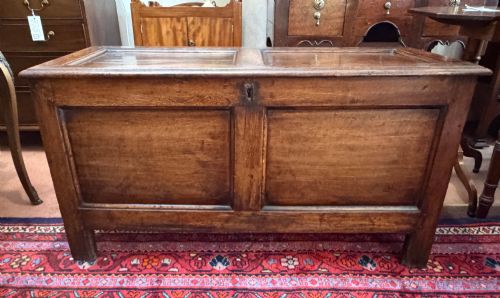
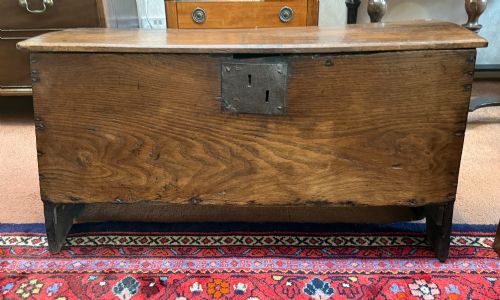
The selection ranges from early seventeenth-century plank coffers and French examples to eighteenth-century chests and nineteenth-century silver chests and mule chests. Buyers most frequently encounter traditional country and English country styles alongside continental pieces.
Each rustic oak trunk demonstrates the straightforward utilitarian purpose of domestic storage from the seventeenth century through the Victorian era and up to 1900. Their heavy construction and simple lines reflect the everyday demands of historic households.
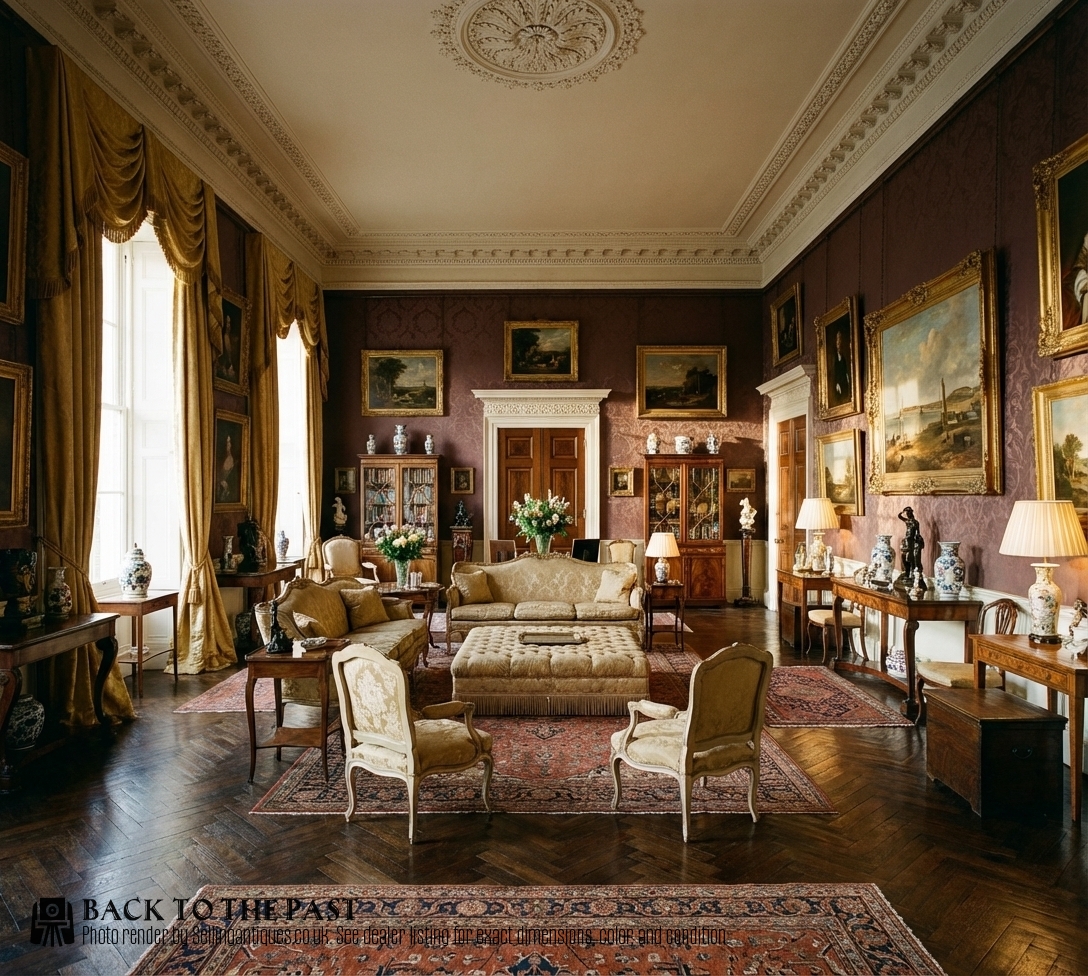
How they were made
These pieces rely on solid oak timbers shaped by traditional joinery methods, often featuring thick planks joined to create rigid, enduring walls. The natural grain of the timber forms the primary visual texture of the furniture.
Makers reinforced the heavy oak structures with iron, wrought iron, and brass fittings such as straps, hinges, and corner brackets. Some examples also incorporate painted surfaces alongside the exposed wood.
Retail Price Guide 2026
Typical UK retail prices for rustic oak trunk, calculated from the Sellingantiques database of over a million retail prices indexed since 2003. This retail price guide relies exclusively on Sellingantiques data; no external sources or auction records are used, so the figures do not describe the wider market.
Current listings include pieces from the seventeenth, eighteenth, and nineteenth centuries alongside items dated to nineteen hundred.
What varies in quality
Quality in these trunks rests in the integrity of the original timber and the proportion of the proportions rather than surface ornament. Early seventeenth-century examples display an unpretentious architectural weight derived entirely from thick oak planks.
The execution of ironwork and metal binding dictates the refinement of later pieces, where functional straps and hinges contribute to the overall character. The survival of an honest, unaltered structure distinguishes the superior examples from heavily restored ones.
The Rustic Oak Trunk Glossary
- Coffer
- A heavy wooden chest traditionally used for storing valuables, documents, or household goods. These sturdy containers often predate dedicated wardrobes and closets.
- Mule chest
- A storage chest featuring one or more drawers at the base beneath the main compartment. This form bridges the evolution between the simple blanket chest and the modern chest of drawers.
- Plank coffer
- An early form of chest constructed from thick boards joined directly at the edges rather than set within a panel frame. They represent some of the most archaic surviving domestic furniture.
- Silver chest
- A specialised storage box lined and reinforced for the secure transport or keeping of valuable silver tableware. These nineteenth-century pieces typically feature robust metal bindings and handles.
Frequently Asked Questions
What is a rustic oak trunk used for?
These versatile pieces serve primarily as practical storage for blankets, linens, and household items while functioning as sturdy coffee tables or benches in living spaces.
Their heavy construction allows them to anchor a room visually while keeping everyday clutter neatly concealed inside.
How old are these oak trunks?
The surviving examples span from the seventeenth century through the eighteenth and nineteenth centuries up to around nineteen hundred.
Earlier pieces often display simple plank construction, whereas later nineteenth-century versions may include fitted drawers or metal-bound silver chests.
Are these trunks made of solid oak?
The pieces utilise solid oak timbers for their primary walls, lids, and structural frames to ensure long-lasting durability.
Additional materials like iron, wrought iron, and brass appear frequently as structural reinforcement, hinges, and carrying handles.
How do I care for a historic oak trunk?
Maintain the wood by keeping the trunk away from direct heat sources and sudden humidity changes that can stress old timber.
Applying a traditional wax occasionally helps nourish the oak surface without sealing the historic grain beneath.