

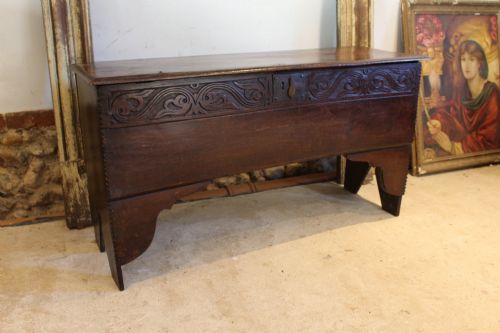
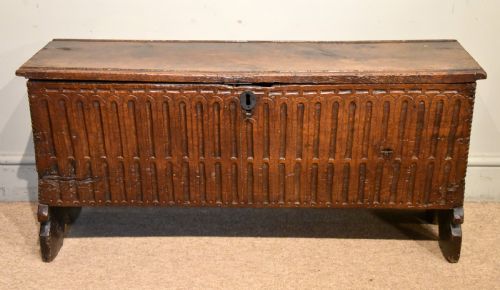


Six Plank Chest
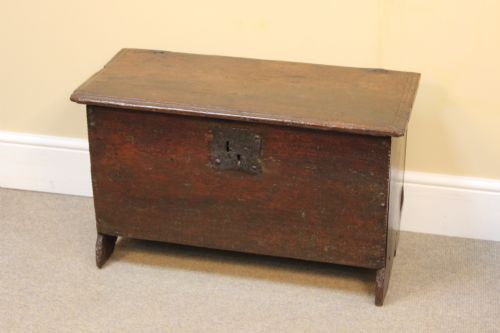
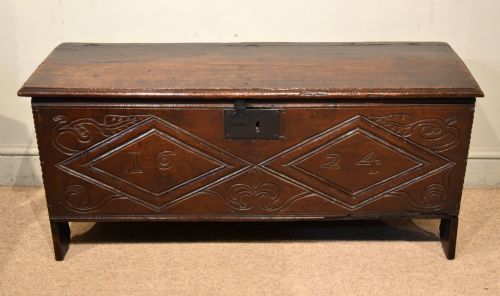
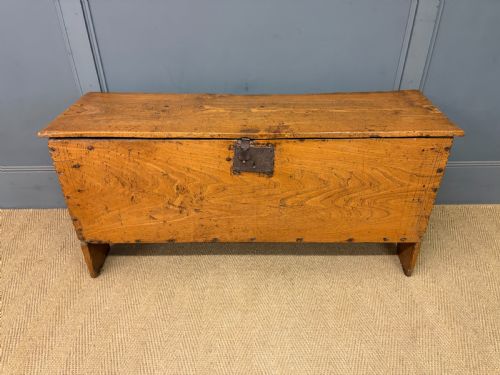
A six plank chest is a direct descendant of medieval joinery, built from single boards for base, lid, and four sides.
Six Plank Chest
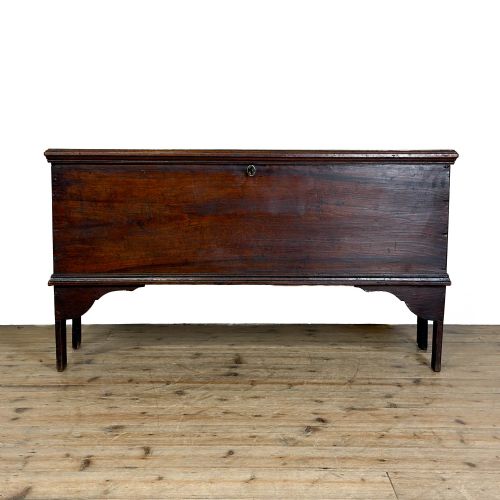
A six plank chest is constructed from individual timber boards joined simply at the edges, representing an early and straightforward form of domestic storage. These pieces served practical household roles for textiles, valuables, and weapons, frequently appearing in inventories from the sixteenth century onwards.
The specimens found here span centuries of vernacular production, with examples dating from the sixteenth, seventeenth, and eighteenth centuries alongside later interpretations. Oak and elm dominate the selection, shaped within regional traditions such as Welsh vernacular, West Country workshops, and rustic country furniture.

Timbers and Construction Methods
Makers relied primarily on oak and elm, utilising the local timber available to regional carpenters and vernacular workshops. Boards were often cleft or sawn thickly to form the primary structure, joined at the vertical corners by plain butt joints, dovetails, or nailed rebates.
Iron and wrought iron provided the necessary structural reinforcement through strap hinges, lock plates, and hasps secured directly to the wooden boards. Surface decoration remained minimal, though selected examples exhibit naive carving, incised fluting, or simple inlaid wood.
Six Plank Chest Retail Price Guide 2026
Typical asking prices for six plank chest among the pieces listed under this phrase on Sellingantiques today, from the lower quarter to the upper quarter. They describe what is for sale here now, not the wider market.
Listings feature oak and elm specimens ranging from the sixteenth century to the twentieth century.
Evaluating Construction and Survival
Quality rests in the integrity of the original boards and the survival of standard components such as base planks, till boxes, and hinges. Pieces that retain their original floor boards and lid without extensive timber replacement command greater interest.
The depth of surface patina and the honesty of the construction dictate the character of each box. Untouched board thickness and minimal alteration to the original ironwork separate utilitarian survival from compromised examples.
Jack Grimble
The Six Plank Chest Glossary
- Six plank chest
- A simple storage box constructed from six individual boards forming the front, back, ends, bottom, and lid. This method represents one of the oldest forms of cabinet making.
- Boarded construction
- A method of building furniture using flat planks joined directly to one another rather than set into a framed skeleton. This technique requires sturdy timber to prevent warping.
- Till
- A small internal compartment or box fitted inside the main cavity near one end, used for holding small valuables or documents.
- Vernacular
- Furniture made by local country craftsmen following regional traditions rather than metropolitan high styles. These pieces prioritize utility and local material availability.
Six Plank Chest: Frequently Asked Questions
What is a six plank chest?
A six plank chest is a primitive form of storage box made from individual boards for the lid, base, front, back, and two sides. These items represent early domestic furniture designed for basic household security and storage.
They appear frequently in oak and elm across sixteenth, seventeenth, and eighteenth-century periods. Their straightforward construction makes them durable survivors of vernacular craft.
How were these chests used?
These boxes served as secure storage for valuable textiles, documents, blankets, and occasionally weapons such as swords. Their heavy wooden lids and iron locks protected contents from dust and theft in early homes.
In domestic settings, they often doubled as seating benches or tables when space was limited. Their portability allowed households to transport goods during travel.
How do you date a wooden chest?
Dating relies on examining tool marks, timber species, nail types, and construction joints. Early pieces from the sixteenth and seventeenth centuries typically feature hand-rived oak boards and blacksmith-made ironwork.
Later examples from the eighteenth century often incorporate elm and softer fastening methods. Stylistic carvings and regional vernacular traits also provide clues to the period of origin.
Where should I place one?
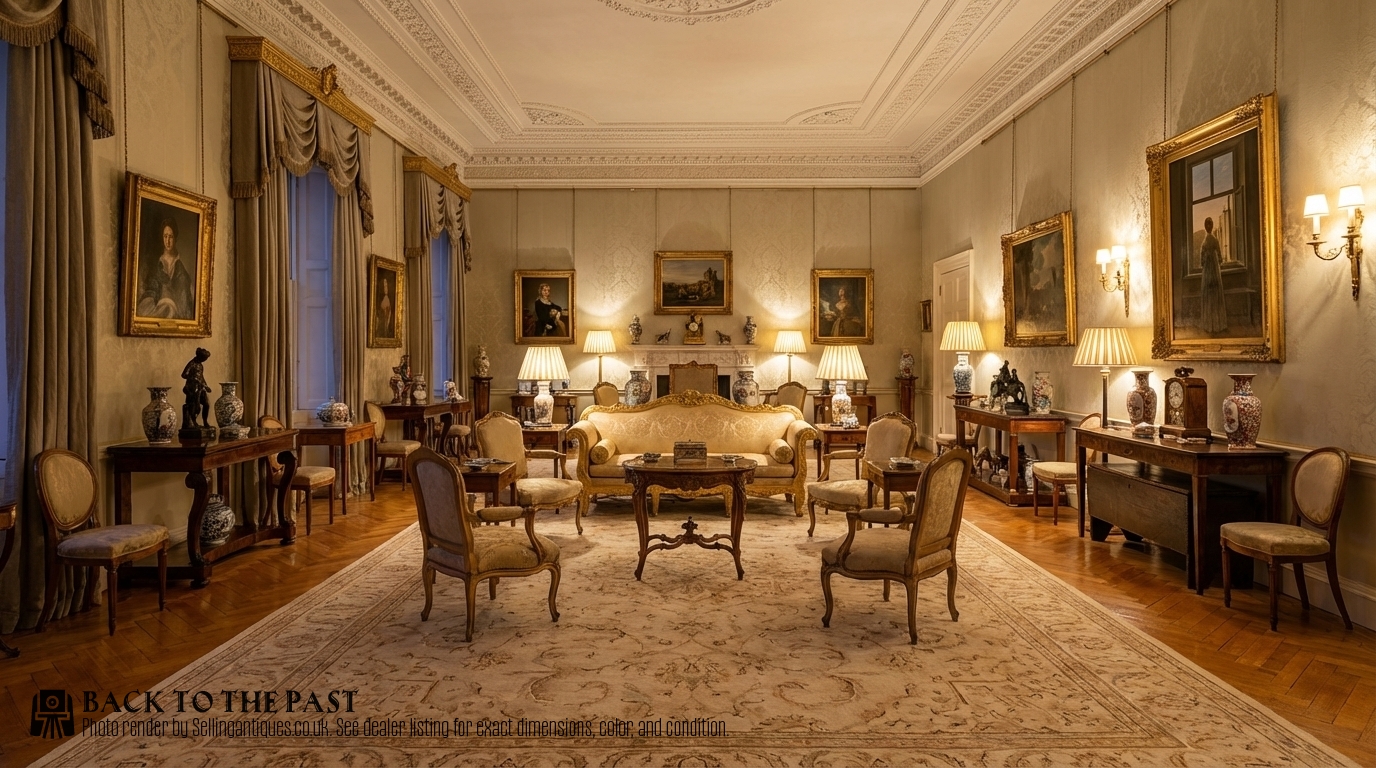
These chests suit hallways, living areas, or bedrooms where their tactile wooden surfaces can be appreciated. Their flat tops allow them to function as display surfaces or casual seating.
Placement should avoid direct heat sources and dramatic humidity shifts to protect the antique timber. Allowing adequate space around the boards prevents strain on the original joints.